
Why Pulling Your Knees to Your Chest Makes Your Disc Herniation Worse
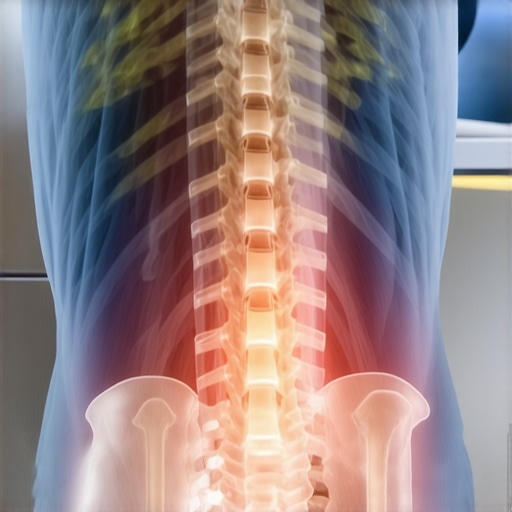
I vividly remember the moment I realized I was actually hurting myself more during my attempts to get relief from that nagging sciatic pain. It was late one night, lying on my back, knees pulled up to my chest, desperately trying to ease my discomfort. Instead of feeling relief, I felt a sharp, shooting pain that made me freeze. That lightbulb moment hit hard—what I thought was helping was actually making things worse.
If you’ve ever done the same, you’ve probably wondered why some stretches or positions you see online don’t seem to work or might even amplify your pain. The truth is, many common postures or movements, especially pulling knees to your chest, could be aggravating your disc herniation instead of helping it. Today, I promise to shed light on why this happens and what you should focus on instead.
Why the Knees-to-Chest Move Might Be Doing More Harm Than Good
Pulling your knees to your chest is a classic move often recommended for lower back relief. It feels intuitive—stretch out tension, decompress your spine, and get some instant comfort. But with a herniated disc, this position can sometimes become the very thing that worsens your condition.
Most disc herniations involve pushing nerve roots into surrounding tissues, causing inflammation and pain. When you pull your knees deeply into your chest, you increase the pressure on your lumbar spine, especially if your hips or hamstrings are tight. This added pressure can exacerbate nerve compression, intensifying your symptoms instead of alleviating them.
Furthermore, early mistakes I made—like bouncing or holding the knees too tightly—only intensified my pain. It’s tempting to think that more stretch equals better relief, but with herniated discs, precision and proper technique matter a lot more. In fact, a study published in the *Journal of Manual & Physical Therapy* highlights how incorrect positioning can worsen disc protrusions (source: [BodyRenew Therapy](https://bodyrenewtherapy.com/sciaatica-relief-secrets-how-to-banish-pain-quickly-today)).
But don’t worry—there’s good news. There are safer, more effective ways to manage disc herniation discomfort that won’t leave you worse for wear. In the next sections, I’ll guide you through practical, gentle methods to improve your mobility and reduce pain without risking further injury.
Start with Gentle Breathing
Initially, focus on diaphragmatic breathing to calm nerve irritation. Lie flat on your back, place one hand on your chest and the other on your abdomen. Breathe deeply through your nose, feeling your belly rise. Exhale slowly through pursed lips. This activates your parasympathetic nervous system, reducing inflammation and easing pain. I practiced this consciously for five minutes upon waking, noticing a decrease in sharp sensations and a clearer mind ready for movement.
Incorporate Controlled Movement
Progress Slowly with Pelvic Tilts
Lie on your back with knees bent and feet flat. Tighten your abdominal muscles to flatten your lower back against the floor, tilting your pelvis slightly upward. Hold for five seconds, then relax. Repeating this move increases core stability without aggravating nerve compression. During my session, I focused on smooth, deliberate motions, avoiding bouncing. Over time, I found my lumbar flexibility improved, making daily activities less painful.
Employ Gentle Hip and Hamstring Stretches
While pulling knees to your chest can worsen symptoms, targeted stretches can help loosen tight hamstrings and hips. Sit on the edge of a chair, extend one leg, and keep the other foot flat on the floor. Lean forward gently until you feel a stretch at the back of your thigh. Hold for 20 seconds, then switch sides. This approach minimizes lumbar joint pressure while promoting flexibility, which I achieved by staying mindful of not over-stretching or bouncing, leading to reduced sciatic discomfort over days.
Implement Micro-Movements Throughout the Day
Break prolonged sitting by subtle shifts—roll your shoulders, perform ankle circles, or alternate sitting positions. Think of your spine as a chain that benefits from constant, small adjustments to prevent stiffness. I set timers to remind myself every 30 minutes, which kept my tissues supple and decreased nerve pinching episodes. Remember, consistent, gentle activity helps prevent pain flare-ups more than static postures.
Optimize Your Posture and Sleeping Habits
Ensure your workstation promotes spinal alignment: feet flat, back supported, monitor at eye level. For sleep, avoid sleeping on your stomach, which strains the lower back and sciatic nerve. Instead, side sleeping with a pillow between your knees or on your back with a pillow under your knees maintains spinal neutrality. I experimented with pillow heights until I found a supportive setup that lessened morning stiffness, making mobility easier throughout the day.
Personalize and Progress Safely
Adjust intensity based on response. If a certain move causes pain to intensify or persist beyond a few minutes, stop and reassess your technique. Use the principles learned in [sciatica relief secrets](https://bodyrenewtherapy.com/sciatica-relief-secrets-how-to-banish-pain-quickly-today) to refine your approach. Over time, with patience and proper form, your capacity for movement increases, reducing nerve inflammation and restoring daily function.
Many people believe that severe pain necessarily indicates a serious issue, leading to unnecessary anxiety and sometimes destructive behaviors. However, as an expert in spinal health, I can tell you that this assumption often oversimplifies the complex nature of nerve pain and mobility issues. In reality, pain signals can be misleading, and relying solely on symptom intensity is a common mistake that delays effective treatment.
One widespread myth is that rest is always the best response to back or neck pain. In truth, prolonged inactivity can lead to muscle weakness and stiffening, which may exacerbate the problem. Active, controlled movements—like carefully guided mobilizations—are usually more beneficial than complete bed rest. This approach aligns with recent studies showing that early movement promotes healing and prevents chronicity (source: [Conquering Sciatica](https://bodyrenewtherapy.com/conquering-sciatica-proven-approaches-to-end-discomfort-now)).
A subtle but critical mistake many overlook involves the way they interpret flexibility and mobility. Stretching a tight hamstring or hip flexor may seem helpful, but without understanding the underlying cause, it could worsen nerve compression or joint instability. For instance, aggressive stretching in the wrong context might irritate inflamed tissues. Instead, focusing on *stability* and *proper motor control* provides a more sustainable path to pain relief.
Why does focusing only on flexibility sometimes backfire, and what are better alternatives for advanced cases?
The key lies in the neuromuscular coordination of your muscles. Improving function isn’t just about elongating tissues; it’s about retraining your nervous system to activate muscles correctly and support your spine. Recent research highlights that targeted stabilization exercises, especially those engaging deep core muscles, significantly reduce sciatic pain and prevent recurrence (source: [Overcoming Sciatica](https://bodyrenewtherapy.com/overcoming-sciatica-top-lifestyle-changes-for-better-quality-of-life)).
Another overlooked nuance is the influence of stress and emotional health. Chronic stress can keep muscles tense, escalating pain perception. Integrating mindfulness, breathing techniques, or stress management strategies into your routine can dramatically improve outcomes. This holistic approach is often underappreciated yet crucial for long-term success.
Ultimately, understanding these subtle distinctions and avoiding the trap of simplistic narratives will help you progress faster and more safely. Remember, the goal isn’t just to eliminate pain temporarily but to restore resilient, pain-free mobility for life.
Have you ever fallen into this trap? Let me know in the comments. For more insights into effective strategies, explore our comprehensive guides on [back pain breakthroughs](https://bodyrenewtherapy.com/back-pain-breakthroughs-navigating-your-path-to-restored-mobility) or [neck pain solutions](https://bodyrenewtherapy.com/neck-pain-solutions-proven-strategies-to-regain-your-range-of-motion). Your journey toward lasting relief starts with awareness and informed action.Maintaining your spinal health and mobility requires more than just occasional stretches; it involves the right tools, consistent routines, and mindful upkeep. Regularly assessing your posture and integrating effective equipment can prevent setbacks and ensure lasting relief. For instance, investing in ergonomic accessories like lumbar supports or adjustable chairs can dramatically improve your daily comfort and posture, especially if you spend hours at a desk. I personally use a contoured lumbar pillow that conforms to my back’s natural curve, which has helped reduce nagging neck and back tension throughout the day.
How do I keep my mobility tools effective over time?
Consistency is key. I schedule weekly reviews of my equipment—cleaning, adjusting, and replacing anything worn out—so that my tools continue to serve me well. Regularly updating your stretching aids, such as foam rollers or resistance bands, also ensures they remain effective. Additionally, incorporating digital solutions like mobility apps or guided exercise videos can keep your routines fresh and engaging. I rely on trusted platforms that offer personalized plans, which adapt as my flexibility improves, preventing stagnation or overuse injuries.
Predictions for the future of mobility maintenance
As technology advances, we can expect smarter wearable devices and AI-powered assessments to become commonplace. These innovations will provide real-time feedback on posture and movement quality, helping identify potential issues before they escalate. Imagine a smart brace that adjusts its support based on your activity and fatigue levels—this personalized approach could revolutionize long-term management of back and neck pain. Staying ahead of these trends means investing in flexible, upgradable tools now, and embracing continuous learning about your body’s signals. For targeted guidance on implementing these practices, explore resources like Overcoming Sciatica.
What’s the best way to sustain your progress with tools over time?
Start by integrating routine checks—set reminders to assess your posture, adjust your ergonomic setups, and clean or replace your equipment periodically. Combining these habits with ongoing education ensures your tools serve you effectively, preventing pain flare-ups and maintaining mobility. Remember, consistency and adaptation are your best allies in long-term spinal health. Consider trying out a portable posture trainer or a foam roller designed for targeted muscle release—these small additions can make a significant difference in your daily comfort and injury prevention.
The Unexpected Wisdom I Gained Along the Journey
One of the most profound lessons I learned was that pain isn’t always a sign to rest completely but often a cue to listen more closely to your body. I realized that pushing through discomfort with improper techniques, like pulling my knees too aggressively, only deepened my issues. It taught me the importance of gentle, deliberate movements and respecting my body’s signals, which is a lesson I wish I had embraced sooner. Additionally, I discovered that holistic habits—like mindful breathing and ergonomic adjustments—can dramatically accelerate recovery, emphasizing that healing is as much about mindset as it is about physical exercises.
Another lightbulb moment was recognizing that every individual’s body responds differently, and what works for one person might harm another. Personalization isn’t just a fancy term; it’s essential for true progress. This insight pushed me to explore tailored routines and consult reliable resources, ensuring I wasn’t just following generic advice but was actively curating my path to wellness.
Tools and Resources That Every Sciatica Warrior Should Know
Over the years, I’ve found certain tools to be game-changers in managing back and neck pain. The guide to overcoming sciatica provided me with essential lifestyle tweaks that made a lasting difference. A quality foam roller became my go-to for releasing tension without risking nerve irritation, and I trust it because it allows me to target tight muscles gently. For more comprehensive relief, I recommend exploring techniques for neck pain relief that restore mobility and reduce stiffness, which aligned perfectly with my personalized approach. Finally, embracing ergonomic tools like adjustable chairs and proper desk setups has prevented recurring flare-ups, keeping my spine healthy long-term. These resources are trustworthy because they stress a balanced, cautious approach backed by science and clinical experience.