
How Your Wallet is Tilting Your Pelvis and Hurting Your Back
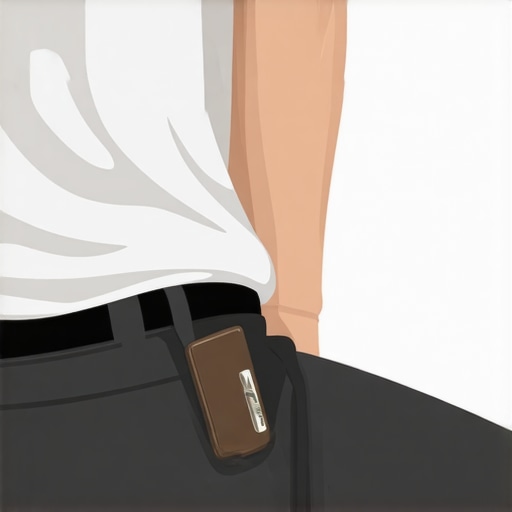
Ever had that moment where you’re sitting at your desk, feeling that elusive strain in your lower back, only to realize later that it’s worse than usual? Or maybe you caught yourself hunching forward, and it feels like your pelvis is off-balance, tugging at your back like an overzealous tug-of-war tug? I remember one morning during my coffee ritual, I suddenly experienced a sharp twinge in my pelvis that left me wondering, what in the world just happened? It was that lightbulb moment, realizing that something seemingly unrelated—my wallet—could be secretly tilting my pelvis and throwing my entire back out of alignment.
The Hidden Cause Behind Persistent Back Pain: Your Wallet
Yes, you read that right. Your everyday habit of carrying a bulky wallet might be subtly making your pelvis tilt and, over time, become the unsung villain behind your back discomfort. Think about it: when you sit for hours with that thick leather clutched in your hip pocket, it creates a noticeable tilt in your pelvis, leading to asymmetrical pressure on your spine. This imbalance doesn’t just stay localized; it can cause your entire posture to shift, triggering those nagging pains and stiffness we all dread.
What’s more startling is that many people never realize this small habit is behind their chronic discomfort. Instead, they chase after complex stretches or expensive treatments when, in reality, making a simple change—like removing that bulky wallet—can make all the difference. In fact, research shows that even minor postural asymmetries, when left unchecked, can contribute significantly to long-term back issues (more on this here).
Could something this tiny be messing with your back?
Early on, I made the mistake of ignoring this habit—thinking my wallet was just a harmless accessory. But that oversight led to persistent back tension, which took months to fully understand and correct. If you’re feeling that nagging hunch in your pelvis or back, ask yourself: could that smartphone, wallet, or habitual tilt be to blame? You’ve probably faced this problem more times than you realize. And trust me, addressing it could be the game-changer you’ve been searching for. Tomorrow, I’ll share proven strategies to realign your pelvis and banish that stubborn back pain for good. Stay tuned.
Identify and Remove Habits That Tilt Your Pelvis
Start by examining your daily routines, especially your wallet carry habits; sitting with a bulky wallet in your pocket tilts your pelvis, leading to imbalance. To fix this, dedicate a few minutes to switch to a slim wallet or opt for carrying it in your bag or front pocket. I once shifted from my bulky leather wallet to a minimalist cardholder, and within days, I noticed a reduction in hip discomfort, illustrating how small changes can produce significant results.
Strengthen Core Muscles for Better Alignment
Engage in targeted exercises that strengthen your core, especially your transverse abdominis and obliques, which act like a natural corset supporting your pelvis. An effective move I personally practiced involved lying on my back, knees bent, and gently drawing my belly button towards my spine while maintaining steady breathing. Consistently doing this over a few weeks improved my posture and reduced lower back tension. Visit this page for a collection of quick exercises to enhance your back stability.
Practice Pelvic Reset Movements Regularly
Implement simple ‘pelvic tilts’ to realign your pelvis throughout the day. Lie on your back with knees bent, feet flat, and gently tilt your pelvis forward and back, feeling each movement. Initially, I struggled with coordinating these tilts, but over time, I gained awareness of my pelvis position at rest and during movement. Doing this daily acts like a reset button, preventing asymmetries from setting in, and can be easily incorporated after sitting for long periods.
Improve Your Sitting and Standing Posture
Use ergonomic principles to maintain a neutral pelvis when seated or standing. When sitting, sit fully back in your chair, ensuring your hips are level and your feet touch the ground. When standing, engage your core and distribute weight evenly. I found that adjusting my chair height and avoiding crossing my legs helped stabilize my pelvis. For more detailed ergonomic tips, check this guide.
Be Mindful of Posture Throughout the Day
Set reminders to check your posture and pelvic alignment during activities. In my experience, periodic awareness fosters better habits; I used a timer to prompt posture checks, which became second nature. Over weeks, I noticed improved comfort, and persistent aches diminished. This kind of mindfulness is crucial because habits form our musculoskeletal patterns, making conscious adjustments vital for long-term relief.
Incorporate Functional Movements into Routine
Move your body naturally through squats, lunges, and hip hinges, mimicking daily tasks like picking up groceries or standing from a chair. These movements promote balanced muscle activation and prevent compensatory patterns. I added a 5-minute morning mobility sequence, including hip circles and gentle lunges, which noticeably improved flexibility and reduced stiffness. For comprehensive routines, visit this resource.
Many believe that persistent back, neck pain, or sciatic symptoms stem solely from obvious injuries or aging. However, a common misconception is that these issues are purely mechanical problems requiring aggressive stretching or painkillers. In truth, the real challenge lies in understanding the nuanced interplay of posture, habitual movements, and underlying imbalances that most overlook. For example, excessive focus on stretching tight muscles without addressing weak stabilizers can worsen alignment over time. According to Dr. Stuart McGill, a leading expert in spinal health, neglecting core stability often allows underlying instability to persist, perpetuating pain cycles (more insights here).
Are You Sabotaging Your Recovery by Ignoring Fine Details?
It’s easy to fall into the trap of thinking that pain is solely due to blatant causes like herniated discs or slipped vertebrae. While those can be true, many chronic issues are rooted in subtle misalignments, uneven loading, or habitual poor posture that compound over time. For instance, sitting with a wallet in your pocket may seem trivial but can lead to pelvic tilt and misalignment, affecting your entire spinal health. Overlooking these small, persistent habits is a classic mistake I’ve seen in many clients. Rather than reactive treatments, a proactive approach focusing on these nuanced factors yields better long-term results. For targeted guidance, visit this detailed resource.
Additionally, many individuals falsely believe that aggressive stretching will fix their mobility issues. This myth might cause you to compile an arsenal of stretches that, if misapplied, could exacerbate instability. Instead, focusing on strengthening stabilizers and refining movement patterns often produces more sustainable improvements. Experts emphasize that mobility isn’t just about loosening tight muscles but enhancing the motor control necessary for healthy movement (read more here). Ultimately, understanding the subtle mechanics and correcting ingrained habits can revolutionize your recovery journey.
Keeping your back and neck healthy isn’t a one-and-done task; it requires consistent effort and the right tools to maintain progress over time. As someone deeply invested in long-term results, I’ve curated a set of specific equipment and methods that have truly made a difference in my practice and personal recovery journey. These tools aren’t just trendy gadgets—they address core issues like mobility, stabilization, and tissue health, helping you sustain improvements and even scale your progress effectively.
Prioritize Precision with Self-Massage Devices
One tool I swear by is the Tennis Ball. It might sound simple, but applying targeted pressure to trigger points in your back and hips can release stubborn knots that limit mobility. I keep a tennis ball in my gym bag, and during breaks, I gently roll it over tight spots. For deeper, hard-to-reach muscles, I recommend the foam roller with a textured surface. I particularly use a perforated foam roller because it offers better tissue rebound and avoids over-compression, which can irritate tissues. Regular self-myofascial release helps prevent trigger points from re-forming, maintaining flexibility and reducing chronic tension.
Invest in Biofeedback and Posture Tracking
Digital tools like the PostureCoach app sync with wearable sensors that monitor your spinal alignment throughout the day. These devices provide real-time feedback, prompting adjustments before bad habits embed deeper. I personally use a posture sensor strap during sedentary work sessions, which vibrates gently if I slump—even a few minutes of repeated correction can reset your postural habits, making long-term alignment more attainable.
Use Resistance Bands for Strength and Stability
Resistance bands, especially those with varied tension levels, are versatile and portable. I use a medium-resistance band for pelvic stabilization exercises, particularly for activating the transverse abdominis. This deep core muscle acts like a corset that supports your pelvis and spine, reducing strain and improving overall mobility. Incorporating banded exercises into your daily routine isn’t just convenient—it compounds your stability and prevents relapses into poor posture patterns.
Plan for Maintenance to Avoid Setbacks
Long-term success hinges on regular check-ins with these tools. Schedule weekly sessions prioritizing self-massage, strengthening, and posture tracking. As your body adapts, these tools can be tweaked for increased challenge—adding more resistance or more frequent use. Techniques like daily pelvic tilts or using a mirror for visual feedback reinforce good habits and cultivate awareness, essential for preventing regressions.
The future of back health leans toward integrated biometric feedback and smarter, user-friendly devices that adapt to your body’s signals. As these technologies evolve, expect more personalized, real-time interventions—think of a virtual coach guiding your daily movements.
How do I keep my progress sustainable?
One vital tip is to incorporate these tools into a comprehensive routine that emphasizes consistency over intensity. For example, I start my mornings with a quick session of self-myofascial release using a textured foam roller, followed by resistance band exercises to activate core muscles. This not only reinforces stability but also primes my body for daily activities, reducing injury risk. Remember, mastery of proper technique is crucial—consider consulting a physical therapist or accessing guided tutorials to maximize safety and efficacy.
Feeling inspired? Try integrating a targeted self-massage with the tennis ball today, and observe how it alleviates lingering tension. For more advanced strategies tailored to your needs, check out this resource to elevate your mobility game.
The Hardest Lesson I Learned About Chronic Back and Neck Pain
One of the most profound realizations I had was that many persistent issues aren’t solely about aggressive stretches or temporary fixes—they’re about understanding the subtle, often overlooked habits that silently sabotage our progress. For instance, I once dismissed the habit of carrying a bulky wallet, only to discover that it was gradually tilting my pelvis, causing misalignments that fueled ongoing discomfort. Recognizing this taught me the importance of paying attention to the small details, as they often hold the key to genuine recovery.
Top Tools That Transformed My Approach to Posture and Mobility
Over the years, I’ve curated an arsenal of practical tools that truly support long-term back health. The textured foam roller became my go-to for releasing deep tissue knots, while resistance bands opened new avenues for stabilizing my core. Additionally, digital posture trackers provided real-time feedback, making me more conscious of my daily habits. These resources helped me shift from reactive treatments to proactive maintenance, and I believe they can do the same for you.
Embracing Small Changes for Big Impact
What truly shifted my journey was embracing simple adjustments—like replacing my bulky wallet with a minimalist cardholder or setting reminders to check my posture throughout the day. These tiny habits accumulated over time, leading to significant improvements in flexibility and comfort. Remember, consistency and awareness are your allies in this process. Starting with one or two manageable changes can create momentum, ultimately empowering you to maintain a pain-free, mobile life.
How Will Your Next Step Change Your Back Future?
Every journey toward back and neck freedom begins with a single deliberate action. Whether it’s adopting better sitting habits, incorporating targeted exercises, or using supportive tools, each choice moves you closer to lasting relief. I encourage you to reflect on your current routines and identify one habit to improve today. Your future self will thank you for these small but powerful steps toward a healthier, more resilient back and neck.
What habit have you been overlooking that might be quietly affecting your back or neck? Share your thoughts below—let’s support each other’s path to mobility and comfort.
,