
The Secret to Pain-Free Gardening for Seniors
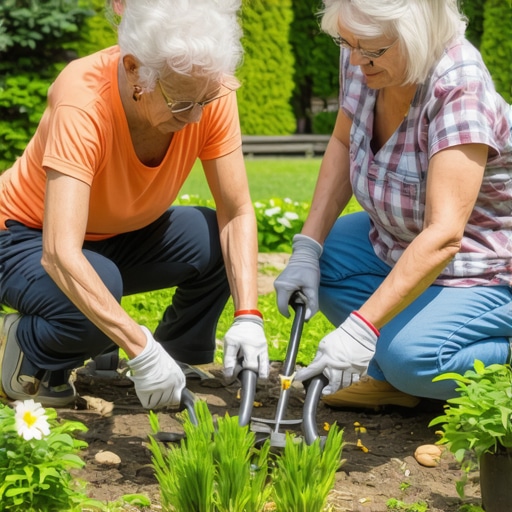
I’ll never forget the afternoon I tried to prune my roses and between the aching back and the stabbing sciatic pain, I felt completely defeated. That lightbulb moment, when I realized that gardening shouldn’t leave me sore for days, kickstarted my journey toward a pain-free gardening experience. If you’re like I was—struggling with neck, back, or sciatic pain after just a few minutes under the sun—you know how frustrating it can be to enjoy your favorite hobby without paying the price afterward.
The Hidden Barriers That Make Gardening Painful for Seniors
Many seniors face this same dilemma: how to nurture their plants without sacrificing their comfort. The truth is, pain during or after gardening often boils down to overlooked habits and equipment setups that seem harmless enough but actually exacerbate discomfort. For example, bending without proper support or choosing tools that don’t match your ergonomic needs can swiftly turn your peaceful garden time into a pain marathon.
Is It Really Possible to Garden Without Pain?
Absolutely! But first, let’s talk about a common mistake I made early on: I ignored my body’s signals and kept trying to work through the pain. That only led to longer recovery times and more frustration. Learning to recognize the early signs of strain and adjusting my approach made a world of difference. For trusted tips on improving back and neck mobility, I recommend checking out this guide on ergonomic mobility. Now, with some simple adjustments, I get to enjoy my garden and stay pain-free.
Are you tired of ending your gardening sessions with sore muscles or worse? If so, you’re in the right place. Together, we’ll explore practical strategies to turn your gardening experience into one of relaxation, not discomfort. Keep reading, because the secrets I’ve learned could be just what you need to reclaim your gardening joy.
,
Adopt Ergonomic Posture During Gardening
Start by assessing your posture; keep your spine aligned and avoid hunching over plants. Use tools with long handles to minimize bending and reduce strain on your neck and back. When I first tried this approach, I noticed my back didn’t protest as much after a gardening session. For detailed advice on back ergonomics, visit this guide on ergonomic mobility.
Practical Support and Movement Breaks
Use Supportive Equipment
Place knee pads or a gardening stool to lower the need to kneel or bend excessively. Wearing a supportive belt can also stabilize your lower back, similar to a seatbelt protecting a car’s occupants during a bumpy ride. In a chilly Saturday, I used a kneeling pad and a small stool, which instantly alleviated pressure and allowed me to work longer without discomfort. Incorporate regular breaks—stand, stretch, and walk around to prevent stiffness.
Stretch Before and After
Prepare your muscles with gentle stretches before gardening. Focus on your hamstrings, hip flexors, and lower back—tight muscles here are like stretched rubber bands ready to snap under pressure. After finishing, perform cool-down stretches, such as gently leaning into a standing forward bend or child’s pose to relax tense muscles. For targeted stretches, explore simple exercises that enhance your mobility.
Enhance Neck Mobility to Prevent Strain
Your neck often compensates for poor posture or unsupported bending. Incorporate neck mobility exercises daily, like slow head turns or tilts, to keep muscles flexible. A quick routine I started involved gently rolling my neck in circles—this improved circulation and reduced stiffness, especially after hours in the garden. Learn more about neck pain solutions at this resource on neck mobility techniques.
Modify Your Garden Setup for Comfort
Adjust your tools, work height, and seating to match your body’s needs. Raised garden beds can eliminate bending altogether, like a table saves you from hunching while cooking. When I raised my flower containers, I found I could work longer without neck or back fatigue. Small modifications here prevent micro-injuries that accumulate over time. For more tips on improving your gardening ergonomics, visit this guide on posture adjustments.
Stay Mindful and Listen to Your Body
Pay close attention to early signs of discomfort—tightness, tingling, or shooting pains. Just like a warning light on a dashboard, these signals indicate you need to pause or adjust. I learned to set alarms reminding me to stretch or hydrate, which significantly reduced pain episodes. Remember, consistent micro-adjustments are more effective than trying to push through pain, and if necessary, consult with a professional for personalized strategies. You can explore more about managing pain at this comprehensive approach to back pain relief.
Many assume that all neck and back pain stems from isolated issues like muscle strain or nerve compression, but this oversimplification can lead to ineffective treatments. A common myth is that simply stretching or taking painkillers will resolve chronic pain, yet studies show that pain is often a symptom of deeper structural or postural imbalances. For example, focusing solely on symptom relief without addressing underlying misalignments often results in recurrence, as emphasized by experts in spinal health. An advanced mistake many make is neglecting the role of joint mobility versus muscle flexibility. While stretching feels good temporarily, it can sometimes exacerbate issues if joints aren’t properly mobilized; this is why incorporating targeted mobility exercises is crucial. The nuanced difference between flexibility and mobility can be a game-changer, and neglecting it may lead to micro-injuries over time. Additionally, superficial approaches overlook the importance of neurological factors—such as how nerve pathways influence muscle function and pain perception. For instance, sciatica may not just be about a herniated disc but also about how the nervous system adapts or malfunctions in response to postural or movement patterns. Be cautious of the trap of assuming that pain is always due to overuse or injury when in reality, maladaptive movement patterns and poor posture often perpetuate these issues. Integrating knowledge from functional movement assessments and neuromuscular retraining can dramatically improve outcomes. This is supported by research from the Journal of Orthopaedic & Sports Physical Therapy, which highlights that tailored mobility and movement optimization surpass standard stretching and strengthening routines in managing long-term pain. So, before you spend hours on ineffective remedies, consider whether your approach addresses these nuanced factors. To deepen your understanding, explore our detailed guides on enhancing mobility and addressing root causes of pain, like this comprehensive overview of back pain solutions. Have you ever fallen into this trap? Let me know in the comments.
Keeping It Working: Essential Tools and Methods for Long-Term Relief
Maintaining your progress in managing neck, back, and sciatic pain requires more than just initial adjustments—it calls for the right tools and consistent routines. Personally, I rely on ergonomic gardening equipment that supports healthy posture, such as adjustable-height workbenches and long-handle tools. These help me minimize strain and keep my spine aligned throughout extended gardening sessions. Investing in a quality ergonomic kneeling pad or stool has been transformative, preventing micro-injuries from kneeling or bending over. I also use digital mobility guides, like this resource on back mobility, to refine my posture habits continually. Prediction-wise, I see a growing trend toward integrating smart tools—such as posture-monitoring devices—that provide instant feedback, helping users stay aware of their ergonomic habits in real-time.
How do I stay consistent with my mobility routines over time?
One effective approach I’ve adopted is setting daily reminders for mobility exercises and posture checks. Using simple timers on my phone, I make sure to perform quick stretches or posture adjustments every 30 minutes, which research shows significantly reduces micro-injury risk (source). Additionally, maintaining a dedicated space for stretching and ergonomic work encourages regular practice. I also track my progress with a journal, noting any discomfort levels, which helps me identify patterns and adapt my tools or routines accordingly. This vigilant approach ensures long-term benefits. Remember, consistent application of these methods—like regularly updating your ergonomic setup or using mobility aids—can drastically improve your quality of life as you age. To deepen your understanding, explore lifestyle adjustments for sciatic relief and see what adjustments resonate with your routines. Incorporate these tools today, and watch as your gardening and daily activities become more comfortable and sustainable.
The Hardest Lesson I Learned About Neck Pain, Mobility, Sciatica, and Back Pain
Through my journey, I discovered that addressing only surface-level pain doesn’t lead to lasting relief. A crucial realization was that micro-movements, consistent support, and mindful posture are your best allies. Ignoring body signals might offer temporary comfort, but it often results in setbacks. Real change happened when I embraced a holistic approach that prioritized joint health and neuromuscular awareness, rather than just stretching or painkillers.
My Go-To Tools for Lasting Comfort in Gardening
Investing in ergonomic tools like adjustable workstations and supportive kneelers transformed my experience. I trust this guide on back mobility to help refine my setup. Additionally, I rely on posture-monitoring gadgets to stay aware of my habits, ensuring I don’t slip into harmful positions. These tools keep me grounded and mindful, empowering me to garden longer and pain-free.
Your Next Step to a Pain-Free Gardening Future
Believe in your capacity to change. Small, consistent tweaks—like adjusting your tools, adopting mindful pauses, or doing targeted mobility exercises—can make a profound difference. Remember, pain doesn’t have to be your garden companion. With patience and the right strategies, you can nurture your plants and your body simultaneously. Ready to redefine your outdoor routine? Let’s make pain-free gardening your new normal.