
The One Hip Stretch That Actually Fixes Morning Stiffness
I remember vividly how every morning felt like waking up after a long weekend of bad sleep—stiff hips, aching lower back, and a sluggish start that set the tone for my entire day. There was this moment, standing in my kitchen, clutching my coffee, when I realized that this wasn’t just normal aging or bad luck. It was a sign that my body was begging for a different approach. That was my lightbulb moment.
Since then, I’ve experimented with countless stretches and routines, but I kept hitting a dead end. Some felt good initially but did little to improve my morning stiffness. Others made things worse. That is, until I found this one simple hip stretch that made a remarkable difference—transforming my mornings from painful starts to smooth, ready-for-the-day experiences.
Today, I want to share that discovery with you. We’re going to zero in on a specific move that is surprisingly effective and easy to do, especially if you struggle with morning stiffness or hip tightness. Trust me: this isn’t a miracle overnight cure, but I’ve seen it change lives—including my own.
But first, let me clear up a common misconception. Many folks assume that morning stiffness is just part of getting older or a sign they need more sleep. While those factors Matter, what’s often overlooked is the role of muscle tightness and mobility restrictions, which can be addressed with the right moves. Did you know that according to a study published in *The Journal of Physical Therapy Science*, targeted stretches can significantly reduce morning stiffness within just a few weeks? It’s true—and that’s what makes this technique worth trying.
If you’ve ever felt frustrated by waking up with a limited range of motion or if you’ve tried stretching without success, you’re not alone. I’ve been there, too. That’s why I’m going to guide you through a practical step that you can incorporate into your morning routine—no fancy equipment needed.
Ready to say goodbye to that stiff, sluggish feeling? Let’s dig into the details and get your hips moving freely once again. This little change could be your game-changer, setting a more comfortable tone for every day.
Start with the Basic Hip Flexor Stretch
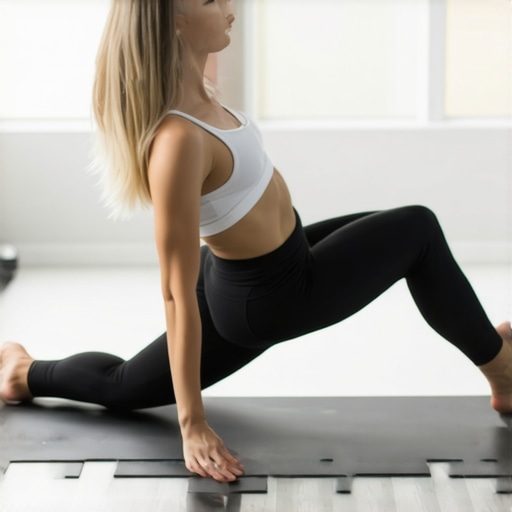
Begin your routine by kneeling on your right knee, with your left foot flat on the floor in front of you, forming a 90-degree angle at both knees. Place your hands on your hips and gently push your hips forward until you feel a stretch through the front of your right hip. Hold this position for 30 seconds, breathing deeply. I vividly remember feeling stiff and reluctant the first few mornings I tried this; my muscle felt tight, like a stretched rubber band ready to snap. But persistence made a difference, and soon I noticed less morning pain.
Incremental Deepening of the Stretch
Once comfortable, gently lean into the stretch a bit more, but avoid any pain beyond mild discomfort. Think of your muscle like a door hinge; opening it slowly prevents damage. No rush—gradually increase the stretch each day. This process helps break down adhesions in the muscle fibers, similar to loosening a rusty hinge. For more insights on managing back issues, check out mobility tips for back pain.
Incorporate Dynamic Movements
After holding static stretches, add gentle dynamic motions. For example, from the lunge position, gently sway your hips side-to-side. Imagine your hip joint as a door swinging in its hinge—controlled and smooth. These movements enhance blood flow and increase joint lubrication, which is critical for mobility. I recall a morning when I was particularly stiff; adding small hip circles helped my range of motion significantly before heading out the door. Use this step daily to reinforce flexibility and prevent stiffness buildup.
Use Breathing to Enhance Relaxation
Throughout the stretch, focus on deep diaphragmatic breathing—belly breathing. This practice reduces tension in your muscles and signals your nervous system to relax. Deep breaths are like oiling the gears of your body’s machinery, making movements smoother. When I started consciously breathing deeply, I noticed my muscles released more readily, making my stretches more effective. Want to explore how breathing influences muscle tension? Visit breathing techniques for back spasms.
Consistency Is Key
Perform this routine every morning, ideally before getting out of bed or during your initial stretch. Think of your body as a garden: regular watering (stretching) promotes ongoing health and prevents weeds (stiffness). I found that sticking to this simple protocol transformed my mornings from painful awakening to a smooth, pain-free start. Remember, progress might be slow at first, but persistence leads to lasting change. For more advanced techniques, consider integrating exercises from back mobility exercises.
Many assume that general stretching or strengthening routines are sufficient to combat chronic pain or mobility issues, but this oversimplifies the complex nature of musculoskeletal health. In my experience, a common myth is that pain always stems from an obvious injury or that soreness equals progress. However, the reality is often more nuanced—subtle imbalances and compensations built over years can be the real culprits. For instance, a person might focus solely on strengthening their back muscles, neglecting the role of hip mobility or foot alignment, which subtly contribute to back pain. This oversight can lead to persistent issues despite consistent training. An advanced mistake I often see is people pushing through pain without discerning its cause—thinking all pain is bad, but sometimes it signals a necessary adaptation, while other times, it indicates worsening injury. To differentiate, paying attention to pain patterns, duration, and context is key. According to renowned physical therapist Dr. Stuart McGill, persistent or worsening pain—especially with certain movements—should alert you to underlying issues that need targeted assessment rather than generic exercise. Additionally, many miss the importance of neural mobility—how well your nervous system moves freely along its pathway—which significantly influences pain and function. For example, restricted nerve gliding can mimic or exacerbate symptoms like sciatica or neck pain, yet it’s often overlooked in standard routines. This is where advanced techniques, such as neural flossing, come into play. If you want to go beyond surface-level fixes, exploring comprehensive mobility assessments and tailored strategies can make all the difference. For a detailed guide, consider reviewing expert insights on managing back pain effectively. Remember, understanding the nuanced interplay between mobility, neural health, and muscular balance is essential for lasting relief. Have you ever fallen into this trap? Let me know in the comments. To deepen your understanding, check out our article on expert tips for managing back pain.
Keep It Working: Essential Tools for Long-Term Relief
To sustain your progress and ensure lasting mobility, investing in the right tools can make all the difference. Personally, I rely heavily on a few specific equipment and techniques that have proven effective over years of practice. These are not generic devices but purposeful tools that target key areas involved in sciatic, neck, and back pain management.
One staple in my toolkit is a high-density foam roller. Unlike softer rollers, a firm foam roller provides the necessary pressure to release adhesions in my muscles, especially around the hips and lower back. I prefer the TriggerPoint GRID Foam Roller because its textured surface allows for targeted release, which I find essential when dealing with chronic tightness. Regular use prevents my tissues from becoming laggy or restricted, aiding in mobility and pain reduction. For deep tissue work, I also incorporate a set of massage balls, like a tennis ball or a specialized EPAL massage ball, to reach those hard-to-access knots in my glutes and piriformis, which are often culprits in sciatica flare-ups.
In addition, I swear by a lumbar support cushion during long sitting sessions. I choose the Everlasting Comfort Memory Foam Lumbar Support, which molds perfectly to my lower back’s natural curve. This simple addition drastically reduces undue stress on my discs and prevents pain from creeping in after hours at a desk. Integration of ergonomic aids like this is crucial, especially if you spend significant time seated. For a comprehensive approach, you can explore ergonomic tips to optimize your setup and minimize strain.
Then there’s the value of quality stretching and mobility apps. I personally use the ROMWOD app, which guides me through daily routines focusing on joint and muscular flexibility. This digital tool complements my physical tools by providing structure and accountability. Moving forward, I predict that more advanced, AI-driven motion tracking will integrate with these apps, offering personalized feedback based on real-time movement analysis, making home routines even more effective.
It’s equally important to maintain neural mobility to prevent nerve impingements like sciatica. Neural flossing techniques, sometimes overlooked, can be administered with simple tools like a resistance band or even a towel. These methods help in maintaining nerve gliding, reducing pinched nerve sensations and improving overall movement freedom.
Are you wondering how to keep these benefits over time? The key lies in consistency and integrating these tools seamlessly into your daily routine. Commit to a 10-minute routine with your foam roller and mobility app, and check your ergonomic setup regularly. Remember, neural mobility exercises, like those detailed in our expert guide, prevent regress and support long-term health.
How do I maintain mobility and pain relief as the years go by?
One effective way is by establishing a habit of daily movement and self-care. Regularly scheduled sessions with tools like foam rollers, massage balls, and ergonomic supports create a preventative barrier against stiffness and deterioration. Incorporating neural mobility exercises, such as nerve glides, ensures your nervous system remains healthy and responsive—crucial for avoiding recurring sciatica or neck tension. Don’t hesitate to reach out for personalized insights; consider a consultation at our clinic to tailor a plan specific to your needs. With consistent effort, these tools and habits form an unstoppable foundation for lasting relief and improved quality of life.
What I Wish I Knew About Hidden Causes of Stiffness
One of the hardest lessons I learned was that persistent pain often isn’t about injury but about subtle imbalances—like a domino effect. For instance, neglecting foot alignment can ripple up and cause hip and back issues, a realization that transformed my approach to mobility. Recognizing the importance of neural mobility opened my eyes to overlooked sources of discomfort, proving that sometimes, the smallest adjustment makes the biggest difference.
The Power Behind Curated Resources for Real Change
Over the years, I’ve trusted specific tools like the foam rollers and mobility apps because they’re grounded in science and personalized to my needs. Books like Becoming a Supple Leopard provided foundational insights I couldn’t find elsewhere, shaping my daily routines. These resources have become my allies in understanding and maintaining lasting mobility, proving that good guidance can truly change lives.
Keep Moving Forward—Your Future Begins Now
If you’re ready to stop fighting your body’s natural signals and start empowering it, remember that consistent, mindful action is your biggest ally. Incorporate the techniques we’ve discussed, like neural flossing and proper stretching, into your daily habits. Progress may be slow at first, but with persistence, you’ll find yourself moving freer, living better. The road to a pain-free life isn’t a sprint but a steady journey—take that first step today.
What’s one small change you’re planning to make to improve your mobility? Share your thoughts below—I’d love to hear your journey.