
How to set up your desk for spine protection without buying a new chair
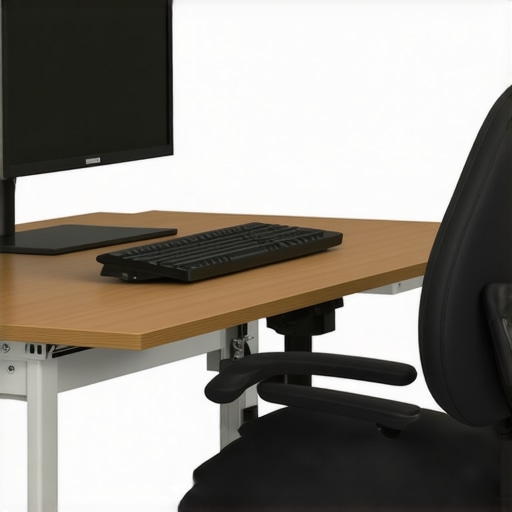
I remember the exact moment I realized my stubborn back pain wasn’t going away—sitting at my desk, shoulders tense, neck agony creeping in, and a deep-rooted frustration. I thought, “If only I could just get a better chair,” but my budget and apartment space said otherwise. That epiphany sparked a journey of trial, error, and creative tweaks that changed everything.
Ever felt like your workspace is quietly sabotaging your spine? You’re not alone. Many of us spend hours in a chair that wasn’t designed for long-term comfort, leading to nagging back, neck, and sciatic pain. The good news? You don’t need to splurge on a fancy ergonomic chair. Instead, with some simple adjustments, you can turn your current setup into a health-friendly zone.
Why Your Desk Environment Might Be Hurting Your Spine More Than You Think
Chronic pain often sneaks in gradually, unnoticed until it becomes an undeniable fact of life. For many, the culprit isn’t just their posture but how their workspace is arranged. Poorly positioned monitors, inadequate support, or even the way we sit during late-night work sessions can cumulatively wreak havoc on our spines. According to a report from the National Institute of Neurological Disorders and Stroke, poor posture can lead to persistent nerve compression, affecting not just your back but also your overall mobility.
I fell into the trap early on, making the classic mistake of adjusting my chair height without considering my monitor level or foot placement. That small oversight worsened my discomfort over weeks. Recognizing that my environment was part of the problem, I started exploring what could be improved without buying a new chair—stumbling upon the idea that small shifts make big differences.
Have you faced this frustration with your workspace causing more discomfort than it should? If yes, then you’re ready for some realistic, effective tweaks to safeguard your spine. The beauty of these adjustments is that they work with what you already have. Let’s dive into practical strategies that will help you create a healthier, more supportive setup.
By understanding the common pitfalls and making targeted changes, you can prevent your workspace from becoming your pain source. Stay tuned as we explore specific adjustments that will turn your desk from a pain point into a posture protector.
Position Your Monitor Correctly to Protect Your Spine
Adjust your monitor so that the top of the screen is at or slightly below eye level. This prevents you from tilting your head forward, which strains your neck and upper back. I once spent an afternoon repositioning my monitor, and immediately felt less tension in my neck and shoulders. Use a stack of books or a stand if needed to achieve the right height.
Align Your Keyboard and Mouse
Keep your keyboard and mouse close to your body and at a height that allows your elbows to be bent at about 90 degrees. This reduces shoulder strain and prevents slouching. I moved my keyboard closer, and within days, my arm fatigue diminished significantly. This simple step made working more comfortable and kept my shoulders relaxed.
Optimize Your Seating for Better Support
Choose a chair that supports your lower back or add a lumbar roll if necessary. Sit back fully so your lower back is well-supported. I experimented with different pillows and finally discovered that a small rolled towel behind my lumbar spine provided perfect support. Remember, good support maintains the natural curve of your spine, reducing risk of chronic pain.
Set Your Feet Firmly on the Floor
Your feet should rest flat with thighs parallel to the ground. Use an footrest if your feet don’t reach. I used a stack of sturdy books, which instantly improved my posture and reduced lower back tension. Proper foot placement helps distribute weight evenly and maintains spine alignment.
Implement Movement Breaks to Keep Mobility Fluid
Stand up and stretch every 30 minutes to prevent stiffness and promote circulation. For example, I set a timer and performed quick stretches like reaching overhead or twisting gently. These micro-movements prevented my muscles from becoming tight and kept my joints flexible — essential for avoiding long-term pain.
Incorporate Dynamic Sitting Techniques
Try sitting with your weight balanced and shifting slightly without crossing your legs for prolonged periods. I found that occasional weight shifts felt odd at first but gradually became natural, reducing pressure on my discs and nerves. Moving subtly throughout the day is key to maintaining spinal health.
Leverage Simple Home Remedies to Ease Discomfort
If you experience lingering pain, applying heat or cold can offer relief. I often used a warm pack after long hours at my desk, which eased muscle tension. Further, gentle self-massage using a tennis ball under the foot or along the back can release knots and improve circulation. For targeted relief strategies, check out [swift home remedies for sciatica](https://bodyrenewtherapy.com/swift-relief-for-sciatica-quick-home-remedies-that-work).
Practice Breathing Exercises to Reduce Stress-Related Tension
Deep diaphragmatic breathing calms your nervous system and relaxes tense muscles. I dedicated five minutes daily to breathe deeply, which noticeably reduced neck and shoulder stiffness. This technique is simple yet powerful in breaking cycles of tension that exacerbate chronic pain.
Finalize Your Support System for Lasting Change
Regularly review your setup and adjust as needed. Small tweaks, like changing pillow firmness or repositioning your monitor, lead to significant long-term benefits. Remember, consistency is crucial. Over time, these adjustments forge a healthier workspace that supports your spine and minimizes discomfort.
Many believe that back pain and mobility issues stem solely from poor posture or injury, but there’s a less obvious layer often missed—**the role of muscular patterns and brain-body communication**. While most focus on stretching or strengthening specific muscles, they overlook how our nervous system influences movement and pain perception. For instance, chronic pain can lead the brain to activate protective muscle patterns, causing unnecessary tension and limiting mobility, a phenomenon known as neuroplastic adaptation. This misunderstanding can lead to ineffective treatments that target symptoms rather than root causes.
A common myth is that pain always correlates directly with tissue damage, but research from Dr. Lorimer Moseley emphasizes that pain is an output of the brain based on perceived threat, not just tissue injury. This explains why some individuals recover quickly without interventions, while others struggle despite minimal damage. Recognizing this can save you from futile stretching routines or unnecessary surgeries.
Beware of the trap of over-relying on passive treatments like massages or heat therapy alone. They can provide temporary relief but may reinforce the brain’s protective patterns if not combined with active retraining. Instead, integrating gentle movement and mindful reprogramming of movement patterns fosters genuine recovery. For advanced readers seeking deeper insights, examining how neuroplasticity impacts pain can be transformative.
One key question: **How can understanding neural mechanisms improve back pain management?** Learning to rewire the brain’s pain responses through controlled exposure and movement retraining—like in approaches discussed on [conquering sciatica](https://bodyrenewtherapy.com/conquering-sciatica-proven-approaches-to-end-discomfort-now)—can lead to lasting relief.
Additionally, avoid the common mistake of neglecting neck and spinal linkages. The neck isn’t isolated; dysfunction here often affects your back health and vice versa. For example, tightness in the upper cervical area can influence lumbar stability, emphasizing the importance of holistic assessment. For practical strategies, check out [revitalize your neck techniques](https://bodyrenewtherapy.com/revitalize-your-neck-effective-techniques-for-lasting-pain-relief) to complement back health routines.
Integrating these nuanced perspectives challenges the simplistic view of back pain. Instead, it encourages a comprehensive approach that considers neural, muscular, and biomechanical factors. Would you like to explore more about neuromuscular retraining? Dive into this holistic understanding, and you’ll see pain management in a new light. Have you ever fallen into this trap? Let me know in the comments.Maintaining your spinal health over the long term doesn’t rely solely on exercises and posture adjustments; having the right tools can make all the difference. One of my favorite investments is a high-quality foam roller. I personally use the [TriggerPoint GRID Foam Roller](https://bodyrenewtherapy.com/how-to-use-a-foam-roller-without-hurting-your-nerves) because its textured surface effectively targets deep muscle knots, especially around the lower back and hips, reducing tension and promoting circulation. Regular use has helped me prevent chronic discomfort from creeping back. Another indispensable tool is a balance pad, which I stand on during short breaks to activate stabilizing muscles and improve proprioception—crucial for preventing sciatic flare-ups. I’ve found that incorporating balance exercises with this pad enhances my overall mobility, especially in the hips and pelvis. When it comes to software, I swear by ergonomic reminder apps that prompt me to adjust my sitting posture and take micro-movements throughout the day. Personally, I’ve set alarms using a timer app to remind me every 30 minutes to stretch or change positions, fighting stiffness before it starts.
For in-depth guidance, the [Mobility Mastery](https://bodyrenewtherapy.com/mobility-mastery-daily-tips-to-keep-your-spine-and-joints-healthy) program offers practical tips that complement the physical tools I use daily. Predicting future trends, I believe wearable posture-correcting devices will become more accurate and unobtrusive, empowering users to self-correct in real-time. Incorporating smart sensors or feedback mechanisms could revolutionize how we maintain spinal health on the go.
How do I maintain these tools over time? Regular cleaning and calibration are key. Foam rollers, for example, should be washed with mild soap monthly to prevent bacteria buildup, per manufacturer recommendations. Replacing worn-out pads or balance mats every couple of years ensures optimal support and effectiveness. I also review my software settings quarterly to customize notifications that suit my evolving routines.
For those looking to deepen their approach, I recommend trying advanced techniques like using a tennis ball for targeted self-massage, which I personally find incredibly effective after long sitting sessions. This simple habit dramatically reduces muscle tightness and nerve impingement—something I highly suggest integrating into your daily routine. Remember, consistency with your tools is vital for long-term benefits. Which tool will you try first to support your mobility and pain prevention? Let me know your plan in the comments or reach out if you’d like personalized recommendations.
The Hardest Lesson I Learned About Chronic Back Pain and Movement
One of the most profound realizations I experienced was how deeply our nervous system influences perceived pain. I used to believe that simply strengthening my back muscles would solve everything, but I was missing the essential role of brain-body communication. Understanding neuroplasticity made me see that pain isn’t just a signal of tissue damage but an output of the brain’s threat assessment, which can be retrained.
The Surprising Power of Small Environmental Changes
It became clear that tiny adjustments to my workspace—like repositioning my monitor or adopting dynamic sitting—had a huge impact on my mobility and pain levels. These minor tweaks, which I initially doubted, turned out to be game-changers. Recognizing that our environment can be a silent contributor to discomfort encouraged me to look at every detail, including my sleeping posture and footwear.
Why Passive Relief Isn’t the Whole Solution
Though heat packs and massages provided temporary relief, I realized lasting change required active participation—moving, retraining, and adjusting my nervous response to pain. Embracing gentle mobility exercises and breathing techniques helped me break free from the cycle of chronic tension. These insights emphasized that recovery is as much about mental adaptation as physical actions.
Leveraging Simple Tools for Long-Term Improvement
Investing in a foam roller and balance pad transformed my approach. These tools aren’t just gadgets; they are essential companions in my daily routine, helping me maintain spinal health and prevent flare-ups. The key was consistency—integrating small, effective movements into my routine made the biggest difference over time.
The Mental Shift That Unlocks Movement Freedom
Realizing that pain is often a protective mechanism led me to approach movement with curiosity rather than fear. Gradually confronting my limitations, rather than avoiding them, helped rewire my brain’s response to discomfort. If I could share one insight, it’s that understanding the brain’s role enables you to unlock a new level of mobility and confidence in your healing journey.
My Essential Toolkit for Back and Neck Freedom
From ergonomic tools like adjustable monitor stands to self-massage aids like tennis balls, these resources have become invaluable. I trust [Mobility Mastery](https://bodyrenewtherapy.com/mobility-mastery-daily-tips-to-keep-your-spine-and-joints-healthy) for practical, daily tips, while targeted therapies discussed on [conquering sciatica](https://bodyrenewtherapy.com/conquering-sciatica-proven-approaches-to-end-discomfort-now) helped me fine-tune my recovery. These resources empower active self-care and foster resilience.
Take Your First Step Toward Lasting Change
If you’re reading this, you are already on the path to better mobility and less pain. Remember, progress often starts with just one small adjustment—be it shifting your monitor, adding movement breaks, or practicing mindful breathing. Your journey towards a pain-free spine is uniquely yours, and each step adds up. Which small change will you try today to support your back and neck health? Share your plan below—I’d love to hear!