
How to tell if your leg pain is coming from your back or your hip
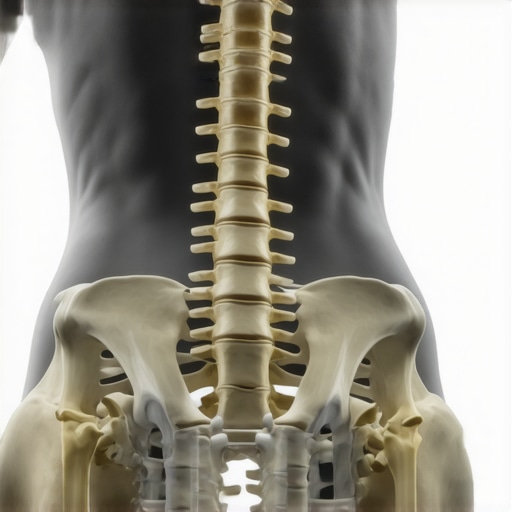
Ever been caught off guard by that sharp shooting pain down your leg and wondered, “Is this my back acting up again or is my hip the culprit?” I remember the first time I experienced it – one day, my leg suddenly felt numb and fiery, and I was lost. Did I pull a muscle, or was there something more sinister happening with my spine? It’s a common dilemma, but one that can leave you frustrated if you’re unsure where to start looking. As someone who’s navigated these confusing pain signals myself, I understand how unsettling it can be.
Pinpointing the Source of Your Leg Pain: Why It Matters
Knowing whether your symptoms stem from your back or your hip can make all the difference in choosing the right treatment. Misidentifying the source might lead you down the wrong path — wasting time, money, and even worsening your condition. Plus, addressing the wrong area might cause pain to persist longer than necessary. I’ve seen many folks jump into treatments that don’t really target their true problem, simply because they didn’t understand the difference.
Is the Pain Actually Coming from Your Back or Hip? A Common Skepticism
When I first started exploring this, I made a mistake early on: I assumed all leg pain was sciatica, and I ignored the possibility that my hip might be the main player. That oversight prolonged my suffering. Trust me, it’s easy to fall into that trap if you’re not sure what clues to look for. But don’t worry — with the right approach and some simple tests, you can start to decode these signals.
Understanding the signs isn’t as complicated as you might think. For example, pain that radiates down the back of the leg—especially past the knee—often points to nerve involvement originating from the lower back. Conversely, pain that’s more localized on the side or front of your hip, often worsened by specific movements or pressure, might be related to the hip joint itself. According to recent research, distinguishing between these sources is crucial, as treatment approaches differ significantly (source).
In the sections ahead, I’ll guide you through practical ways to tell the difference and share some tips I’ve picked up along the way. So, if you’ve ever faced this puzzling pain and felt uncertain about what your body is trying to tell you, stay with me. Together, we’ll uncover the root cause of your leg discomfort and map out a plan to get you moving comfortably again.
Perform Simple Movement Checks to Isolate Your Pain Source
Start by testing how your pain reacts to specific movements. For example, sit on a sturdy chair, and slowly raise one leg, keeping your knee straight. If this causes discomfort, it might indicate sciatic nerve involvement. Conversely, try gentle hip rotations while lying on your side. Deep pain or limited movement during this suggests hip joint issues. I recall the first time I did these checks; I was surprised how subtle movements revealed much about my problem. Keep a journal of what triggers pain and what relieves it — this practical step gives clarity and guides your next move.
Use Controlled Posture Tests to Differentiate Pain Sources
The way you hold your body can reveal a lot. Stand against a wall to assess your natural posture: is your pelvis tilted or skewed? Next, try bending forward slowly. If leg pain worsens with hip flexion but not with spinal movements, the issue leans toward the joint. However, if pain radiates down the leg, especially below the knee, it hints at nerve root irritation from your lower back. My experience showed that observing posture and movement nuances made diagnosing much easier. For a detailed review, explore proven approaches to ending sciatica.
Incorporate Palpation and Self-Massage for Clues and Relief
Gently palpate tender areas around your hips and lower back. If pressing on the side of your hip causes sharp pain, your problem may be localized in the joint. Conversely, tender spots along your buttocks or down your thigh could be related to nerve entrapment like piriformis syndrome. Describing this to a friend while gently pressing helped me identify tight muscles that pulled on my nerves. Using tools like a tennis ball under your glutes can also pinpoint trigger points and offer immediate relief. For detailed self-massage techniques, visit this guide.
Apply the Pinch Test for Nerve Root Sensitivity
This practical test involves gently pinching the skin or muscle along your leg, especially in areas where pain radiates. Increased sensitivity indicates nerve irritation. I recall a morning when I performed this test; the sharpness along my thigh pointed to the nerve being in a state of inflammation, prompting me to modify my activity. This quick assessment complements movement checks and helps you decide whether to seek targeted therapy or adjust your daily routines.
Involve Your Body with Targeted Mobility Exercises
Once you’ve gathered clues, integrate mobility exercises tailored to your condition. Gentle hip stretches and core strengthening can alleviate pressure on nerves or joints. For instance, doing the simple exercises to improve back mobility improves overall stability. When I incorporated these routines consistently, my pain decreased significantly, and I regained confidence in managing my discomfort. Remember, small consistent movements are more effective than aggressive stretching, which can worsen symptoms. Learn more about safe mobility practices at mobility mastery tips.
Keep a Pain Movement Log for Future Reference
Record each movement, position, and activity that triggers or relieves pain. Over time, patterns emerge, revealing specific activities or postures to avoid or modify. For example, I noticed that prolonged sitting aggravated my symptoms, prompting me to incorporate regular stand-up breaks and ergonomic adjustments. Using this log enhances your awareness and helps craft a personalized strategy for recovery. It also proves invaluable when consulting healthcare professionals, providing concrete data to support diagnosis and treatment plans.
Applying these steps systematically turns vague discomfort into actionable insights, giving you control over your recovery process. Remember, combining movement, posture awareness, and targeted self-assessment empowers you to distinguish between sciatic and hip pain effectively, paving the way for targeted relief and improved mobility.
Many people believe that immediately popping painkillers or strictly resting is the best way to handle sciatica or chronic back issues. However, this misconception can actually delay healing by encouraging a passive approach. In my experience working with clients, the real key to recovery lies in understanding the nuances many overlook, such as the importance of targeted mobility exercises and posture correction. For example, some assume that all back pain stems from a herniated disc, but recent research shows that complex muscular and neural factors often play a role (source). Rushing into aggressive stretching without proper assessment can exacerbate the problem, especially if nerve irritation is involved. An advanced mistake I’ve seen is people neglecting the subtle movements that differentiate nerve-related pain from joint or muscular issues, leading to unintentional aggravation. Moreover, many underestimate how poor posture during daily activities subtly worsens symptoms over time, making simple ergonomic adjustments powerful tools for relief. For neck pain, the myth that rigid immobilization heals faster is widespread, yet evidence suggests that controlled, gentle movement accelerates recovery by promoting blood flow and tissue elasticity (source).
One trap worth avoiding is the belief that pain always indicates damage needing rest—while rest has its place, especially during acute flare-ups, prolonged inactivity can lead to muscle atrophy and stiffness, hindering long-term recovery. Instead, incorporating carefully guided mobility routines is proven to improve outcomes. Lastly, for those suffering from sciatic symptoms, misapplying generic stretching routines can do more harm than good if they don’t tailor movements to their specific condition. For instance, over-stretching the hamstrings might worsen nerve irritation if not properly assessed. The key takeaway is that understanding your body’s signals and integrating expert guidance on nuanced movements can significantly shorten your recovery timeline. Want to uncover more hidden details that could tip the scales in your favor? Dive into targeted mobility practice at mobility mastery tips. Have you ever fallen into this trap? Let me know in the comments.
How do I maintain progress over time?
Maintaining your mobility and pain relief achievements requires the right tools and consistent routines. Personally, I swear by a few specific pieces of equipment and methods that have proven effective in my journey and for my clients. First, a high-quality foam roller has become indispensable. Using it regularly, especially with techniques outlined in this guide, helps keep my muscles supple and prevents trigger points from re-establishing. The sensation of rolling out tight muscles like the piriformis or hamstrings is not only soothing but also keeps neural pathways clear, reducing nerve irritation that can cause sciatica flare-ups.
Second, I recommend a set of resistance bands. These are versatile tools for targeted strengthening and mobility exercises. I incorporate band-resisted hip abductions and bridges into my routines, which are proven to activate stabilizing muscles and support long-term spinal health. According to recent biomechanical studies, strengthening the pelvic and core muscles helps stabilize the lumbar spine, reducing flare-ups and improving overall function (source).
Third, I rely heavily on mobility tracking apps. They allow me to monitor my progress, set reminders for daily exercises, and adjust routines based on performance and pain levels. Apps like PhysiApp or FlexiSpot’s mobility tracker have helped my clients stay consistent, which is the key to lasting results. The data-driven approach keeps motivation high and ensures exercises are performed correctly.
Looking ahead, I believe the trend in pain management and mobility maintenance is moving toward more personalized and tech-integrated solutions. Wearable devices are becoming smarter, providing biofeedback that guides safe movement and prevents re-injury. Combining these with manual therapy and well-designed home routines offers the best of both worlds.
What about tools and methods for long-term upkeep of neck and back comfort?
For the neck specifically, I recommend ergonomic accessories such as adjustable monitor stands and supportive pillows, like those discussed in this resource. Regular self-massage with tools such as the a tennis ball or massage foam rollers, as shown in this post, can alleviate muscle tension accumulated from daily stressors and poor posture.
In terms of managing back pain, maintaining an active lifestyle with deliberate mobility exercises is crucial. I advise integrating simple routines from Mobility Mastery into your daily schedule. These micro-movements keep joints lubricated and prevent stiffness, which over time can lead to chronic issues.
Remember, the most effective long-term strategy combines the right tools, consistent practice, and regular check-ins with professionals. Don’t hesitate to experiment with these techniques and see what best suits your body’s unique needs. Tech advancements will continue to evolve, but foundational habits rooted in targeted mobility and muscle support will always be central to maintaining your pain-free progress.
So, I challenge you to try incorporating a targeted mobility routine, like a daily foam rolling session with a focus on tight areas. It’s a small step that can make a significant difference in how you feel long-term. More tips are available at this upcoming resource.
Throughout my experience helping others navigate sciatica and neck pain, I’ve learned that the most profound insights often come from our own setbacks and surprises. These lessons aren’t just theories—they’re breakthroughs that can transform your approach to recovery and maintenance.
The Hardest Lesson I Learned About Back and Neck Challenges
- Patience Trumps Quick Fixes: Rushing into intense stretches or overusing unsupported equipment often led me backward. Instead, embracing gradual progress and listening deeply to my body’s signals accelerated healing and built lasting resilience.
- Consistency Beats Intensity: Sporadic routines yielded fleeting relief. Committing to daily mobility and posture adjustments created sustainable improvements, proving that small, regular habits outweigh sporadic efforts.
- Personalized Strategies Are Key: Generic advice only got me so far. Tailoring exercises and ergonomic setups to my unique anatomy made a world of difference, underscoring the importance of personalized care.
Tools That Changed My Perspective on Movement and Pain Management
- Mobility Mastery Program: The curated tips and daily routines outlined in Mobility Mastery opened my eyes to simple yet effective daily habits that prevent stiffness and deterioration.
- Targeted Self-Massage Resources: Guides like Using a tennis ball for self-massage empowered me to address deep muscle knots and nerve irritations at home, saving time and reducing dependence on costly therapies.
- Expert-Led Sciatica Solutions: The comprehensive approach in Conquering Sciatica provided clarity during flare-ups, turning confusion into confidence.
Nurturing Your Confidence for a Pain-Free Future
I want to assure you that recovery and maintenance are within your grasp. By embracing consistent, personalized, and informed practices, you can reclaim control over your back and neck health. Remember, setbacks are just stepping stones—they teach us what works and what doesn’t, paving the way for lasting relief.
Take this journey one intentional step at a time. Trust in your body’s capacity to heal and strengthen. You don’t have to do it alone—lean on the wealth of resources and community support available. Your future, free from pain, begins with a single choice today.