
The 60-Second Foot Massage That Relaxes Your Entire Spine
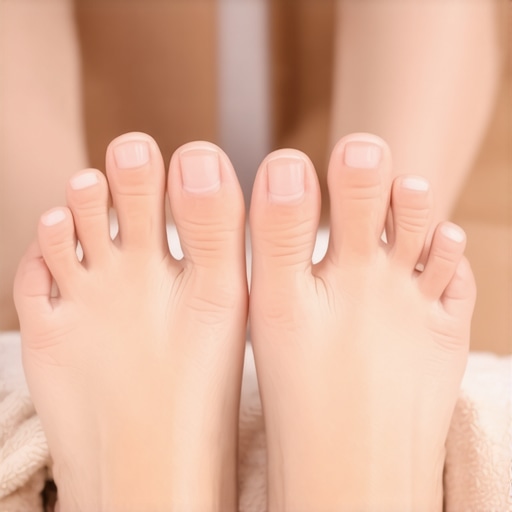
Have you ever found yourself clutching your lower back after a long day, only to realize that relief might be just a minute away? I used to dismiss simple tricks like foot massages as mere fluff—until I hit a wall with persistent back pain that no stretches or medications seemed to solve. It was during one of those frustrating evenings that I discovered a lightbulb moment: a quick, 60-second foot massage that surprisingly relaxes the entire spine. Not only did it work wonders for my pain levels, but it also became my go-to ritual for instant relief.
The Mind-Blowing Connection Between Your Feet and Spine
It’s astonishing how much your feet influence your overall comfort and mobility. Our bodies are interconnected networks where tension in one area can ripple up or down the chain. According to experts, reflexology points in the feet correspond to various parts of your body, including the spine. Stimulating these points can trigger a relaxation response that cascades up your nervous system, easing muscular tightness and reducing pain. I was skeptical at first—who wouldn’t be? But after a few tries, I noticed a profound shift—less stiffness, less discomfort. And the best part? It takes only a minute.
Is a 60-Second Foot Massage Really Effective?
Early on, I made the mistake of overcomplicating things. I thought effective pain relief required elaborate routines or expensive therapies. But I learned that quick, targeted touches can activate certain reflex points—those in the ball of your foot and arch—that connect to your lower back and spine. Scientific studies have shown that light pressure and massage in these key areas can promote relaxation and reduce pain—sometimes faster than common treatments. If you’re curious about more advanced techniques, you might explore methods that focus on relieving sciatic pain or improving neck mobility, which often benefit from similar reflexology principles. Check out these proven strategies for lasting relief.
Now, I invite you—have you ever tried a simple foot massage to tackle your back pain? If not, perhaps it’s time to give this quick trick a shot. In the upcoming sections, I’ll walk you through the exact steps to perform this amazing 60-second technique effectively, so you can reclaim your comfort, anytime, anywhere. Ready to get started? Let’s dive into why this tiny move can make a massive difference for your spine health.
Locate the Key Reflex Points on Your Feet
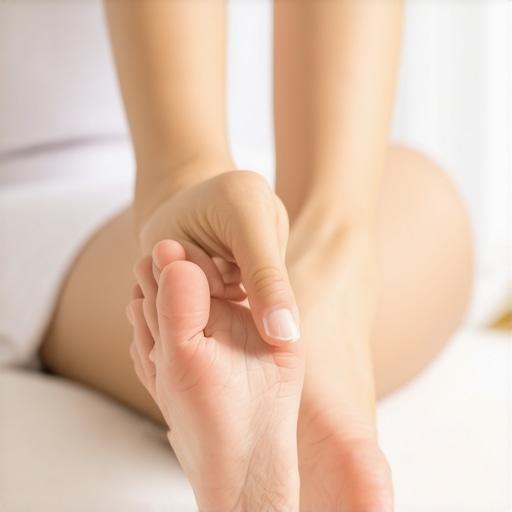
Start by sitting comfortably and removing your shoes. Using your thumb or fingers, gently press the ball of your foot, just below your toes. Label this area as it corresponds to your lower back, according to reflexology maps. A practical tip is to imagine your foot as a map where each zone links to different body parts. I remember the first time I did this; I was tentative and pressed too hard, causing discomfort. Soon, I learned that light, confident pressure produces better relaxation without pain.
Apply Gentle Pressure in Circular Motions
Once you’ve identified these zones, apply gentle, circular motions with your thumb. Think of it as massaging a sensitive fruit—gentle but firm enough to penetrate. Focus on the arch and the ball area, where reflex points for your spine are located. I experimented with this while watching TV—initially hesitant, but I quickly felt a warm wave of relaxation spreading up my back. Consistency is key—spending about 30 seconds on each foot can significantly reduce tension.
Stimulate Specific Reflex Zones for Targeted Relief
Target the inner edge of the foot near the heel, known as the sacral reflex zone, which connects to the lower back. Stimulating this point can soften tight muscles and reduce sciatic nerve discomfort. Remember, think of your foot as a ‘map of your back,’ where precise attention yields maximum benefit. I once had a stubborn lower-back ache after a long hike, and focusing on this area during my foot massage brought quick relief. It felt almost magical—the pain dissolved like mist in the morning sun.
Use Consistent, Light Pressure for Best Results
Consistency reinforces the reflexology response. Use the pads of your fingers or thumbs to press lightly, avoiding any pain or numbness. Imagine you’re testing ripeness in fruit—you want enough pressure to feel a gentle ‘give,’ signaling correct stimulation. During my first few sessions, I noticed that pressure beyond comfort didn’t improve results; it merely caused discomfort. Adjust your touch accordingly and aim for a steady, calming rhythm.
Complement Foot Massage with Breathing and Posture Awareness
While performing the massage, focus on slow, deep breaths. Think of your breath as a wave that lifts and relaxes your muscles further. Incorporate gentle stretches for your neck and shoulders afterward to enhance the relief cascade. I found that integrating breathing techniques magnified the benefits, turning a simple foot routine into a full-body relaxation session. Remember, maintaining good posture during and after the massage helps prolong the benefits and prevents future tension buildup.
With these straightforward, targeted steps, revitalizing your back without complex routines becomes achievable. Practice regularly, and you’ll find yourself better equipped to manage pain—anytime, anywhere. For more strategies, explore solutions to neck and back mobility or quick sciatic relief secrets.
 Many individuals and even some practitioners focus heavily on stretching or strengthening as the primary solutions for back and neck issues, but this oversimplifies the complex nature of these conditions. A common misconception is that pain always stems from weakness or tight muscles, leading to misguided exercises that may not address the root cause. For instance, some believe that pressing harder during self-massage or stretching will accelerate relief, but in reality, aggressive techniques can cause micro-injuries or inflammation, worsening the condition. According to Dr. Stuart McGill, a renowned spine researcher, identifying and addressing the specific tissue involved—whether nerve, disc, or muscle—is crucial before choosing a treatment approach. Neglecting this nuance often results in prolonged discomfort or recurrence. Additionally, many assume that pain in one area indicates an issue solely local to that spot, but referred pain or compensatory patterns often involve distant structures. For example, tight calves or ankles can contribute to persistent lower back pain, which is frequently overlooked. This is why a comprehensive assessment, possibly including postural analysis and movement screening, is vital for effective intervention. Focusing only on superficial symptoms without understanding the underlying biomechanics can lead to advanced mistakes: like ignoring the role of foot positioning in back pain or overlooking the influence of breathing patterns on muscle tension. When it comes to sciatica, a typical error is to assume nerve pain always requires medication or surgery; however, simple lifestyle modifications and targeted exercises, such as those described in quick home remedies for sciatica, can be surprisingly effective. Recognizing these hidden nuances enhances your ability to manage and prevent pain more holistically. Now, ask yourself: have you ever fallen into this trap? Let me know in the comments. For advanced techniques, exploring simple exercises that improve back mobility or effective neck pain relief methods can be game-changers.When it comes to keeping your back, neck, and sciatic nerve functioning well over the long term, using the right tools can make all the difference. Personally, I rely on a few specialized items that help me sustain progress beyond initial relief sessions. One must-have is a quality foam roller, such as the Theragun Wave Roller, which I use daily to release deeply embedded muscle tension in my lumbar and upper back. Its dense yet gentle surface allows targeted self-myofascial release, preventing tightness from creeping back. I also incorporate a trigger point massage ball—like the RumbleRoller Ball—to address stubborn knots in smaller areas, especially around the hips and glutes, which often influence sciatic discomfort. I’ve found that focusing on these trigger zones consistently helps prevent flare-ups and maintains flexibility. For posture correction, I prefer an ergonomic standing desk converter, enabling me to alternate between sitting and standing during work. This switch reduces prolonged static load on my neck and spine, aligned with expert advice from ergonomic tips for everyday comfort. Additionally, I use a lumbar support cushion to preserve proper spinal curves during prolonged sitting, which is especially helpful when traveling or working remotely. Looking ahead, the trend toward integrating smart devices will likely expand. Wearables like the Upright GO, which vibrate to remind you to correct posture, are becoming more sophisticated and may soon offer real-time neurofeedback. I predict that combining these with AI-driven assessment apps will allow personalized, adaptive programs for back and neck health, making maintenance more intuitive and accessible. How do I maintain long-term relief? I prioritize consistent use of ergonomic tools and targeted therapies—stay disciplined with daily routines, periodically reassess your setup, and don’t wait for pain to become severe. For example, incorporating a simple foam roller session before bed can prevent nighttime tightness and morning stiffness. To deepen your routine, I highly recommend trying the specific target trigger point exercises with a massage ball I mentioned earlier—especially for areas like the piriformis or thoracic muscles. These small but powerful techniques can ‘keep the mess at bay,’ so your body remains responsive and resilient. Would you like guidance on integrating these tools into your daily habit? Reach out via this contact page for personalized advice or explore more strategies at our comprehensive back health guide.
Throughout my journey to conquer persistent back and neck pain, I uncovered that some of the most effective strategies are surprisingly simple and often overlooked. Here are the eye-opening lessons I learned that transformed my approach beyond conventional wisdom:
- Less Is More— Sometimes, a gentle touch targeting specific reflex points delivers faster relief than complex routines or aggressive therapies. I realized that overdoing it can backfire, causing micro-injuries instead of healing.
- The Body’s Hidden Map— Understanding that your feet contain zones connected reflexively to your spine unlocked a new level of self-care. This insight empowered me to use quick, targeted foot massages to manage flare-ups instantly.
- Mind-Body Connection Matters— Incorporating breathing and posture awareness amplifies the benefits of foot reflexology, turning a simple routine into a holistic relaxation practice.
- Holistic Over Symptom-Focused— Addressing underlying biomechanics, like foot positioning and posture, prevented recurring issues, teaching me that true relief comes from understanding the root cause, not just alleviating pain temporarily.
My Go-To Tools for Lasting Mobility
Over time, I discovered several tools that support long-term back and neck health. A quality foam roller, like the Theragun Wave Roller, becomes indispensable for daily muscle releases. Trigger point massage balls help in pinpointing stubborn knots, especially in tight hip and glute areas that influence sciatic nerve pain. An ergonomic standing desk converter and lumbar support cushion are simple upgrades that can drastically improve posture at work. As technology evolves, smart devices like posture reminder wearables are promising additions to maintain alignment effortlessly. My advice? Invest in these essentials to sustain your mobility journey beyond quick fixes.
Your Next Step Toward Freedom from Pain
Remember, achieving lasting relief from back and neck discomfort isn’t about searching for complex solutions—it’s about consistent, mindful actions rooted in understanding your body’s unique signals. Small daily habits, like a quick foot massage combined with proper posture and breathing, can create a profound difference over time. Embrace these insights and tools, and you’ll find yourself empowered to take control of your mobility and well-being. Are you ready to start integrating these practices into your daily routine? Let me know what step excites you the most below, or ask if you need personalized guidance to unlock your body’s full potential.