
Why Hard Floors Are Punishing Your Lower Back Alignment
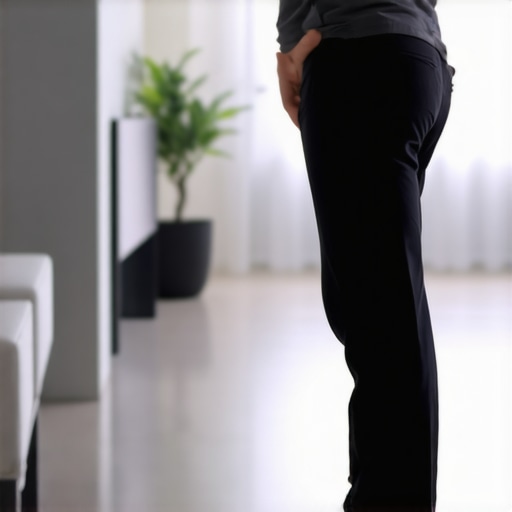
I remember the moment I realized my new apartment’s sleek, cold-hard floors were silently wrecking my back. I was mid-arch, reaching for something on the counter, when that familiar twinge shot up my lower back. It was like my spine was protesting in a language I finally understood: “This surface isn’t for us.” That lightbulb moment hit hard — literally and figuratively. I’d overlooked how something as simple as flooring could undermine my posture for months. Did I really have to toss out my beautiful floors? Or was there a smarter way to protect my back while still loving my space?
Why Hard Floors Might Be Your Back’s Worst Enemy
Hard flooring like tile, hardwood, or laminate might seem ideal for aesthetics and cleaning, but they can be a sneaky culprit for persistent back pain. When you walk, stand, or even sit on these surfaces, your body compensates to maintain balance. Over time, these micro-adjustments can strain your lower back, especially if your posture isn’t perfect. Interestingly, a study published in the Journal of Physical Therapy Science indicates that standing on resilient and cushioned surfaces reduces lower back discomfort by absorbing some of the shock and reducing muscle fatigue. Essentially, the harder the surface, the more stress your spine endures.
Early in my journey, I made the mistake of thinking my pain was purely muscle-related. I ignored the impact of my environment until it became unbearable. That’s a common slip — believing that pain stems solely from injury or overuse, when sometimes it’s the surface beneath your feet that’s subtly doing the damage. Recognizing this was the first step toward better back health, and I want to help you avoid the same mistake.
Is Your Flooring Actually Worth the Hype?
Many folks scoff at the idea that flooring choices could make such a big difference, but the truth is, not all surfaces are created equal when it comes to spinal health. If you’ve been frustrated with lingering back discomfort, it’s worth questioning whether your flooring might be part of the problem. To be honest, I initially dismissed this — I thought posture alone was to blame — until I started paying more attention to what I was standing on. That led me to explore biomechanical solutions, like adding proper padding or choosing more forgiving floor materials.
Make no mistake: environment matters. Small tweaks in your home setup can have a profound impact on your mobility and pain levels. Want to learn how to transform your space into a back-friendly zone? I’ll guide you through simple, effective steps that I personally tested and relied on, so stay tuned for some game-changing tips.
Remember, pain isn’t just about stretching or strengthening — sometimes, it’s about changing the way your environment interacts with your body. If you’re tired of living with nagging lower back pain, don’t forget to check out this resource for comprehensive insights into restoring your mobility.
Are you experiencing discomfort on your hard floors right now? If so, you’re not alone — and there are practical solutions waiting for you. Next, let’s explore exactly what you can do to make your flooring work in your favor, not against it.
Introduce Supportive Floor Solutions
Start by assessing your current flooring and your daily routines. I once spent a weekend trying different mats and padding in my living room. I laid down cushioned mats where I stood most often, noticing immediate relief after a few days. The key here is choosing high-quality padding that absorbs shock and reduces strain, similar to how a car’s suspension absorbs bumps on rough terrain. For effective back protection, opt for dense foam mats or anti-fatigue mats designed for standing desks.
Implement Strategic Padding Around Your Space
Use Non-Slip, Thick Mats in High-Impact Areas
Place thick, non-slip mats in areas where you’ll stand for extended periods. For example, I placed a 3/4-inch foam mat in my kitchen while cooking, which significantly lessened my lower back pain. These mats distribute pressure evenly across your feet and lower back, akin to walking on a springy surface rather than concrete.
Layer Mats for Extra Cushioning
If single mats aren’t enough, layering two or more can increase cushioning. I experimented by stacking a yoga mat over my foam pad during long cleaning sessions. Although it felt cumbersome at first, the added layer prevented my spine from compensating for hard contact, leading to fewer pain episodes.
Refine Your Standing and Sitting Setup
Adjust your posture and environment to complement the cushioning. Place your computer monitor at eye level and keep your feet flat on the mats to maintain proper alignment. I realized that even with cushioning, my posture suffered when I looked down at my screen. Eliminating neck tilt reduced tension in my upper back and improved overall comfort, which can be crucial for preventing back pain from prolonged sitting or standing.
Customize Your Flooring Environment
Identify and modify areas where you spend the most time. I replaced my hard kitchen tiles with a combination of anti-fatigue mats and rugs, especially near the sink and stove. This simple change made a noticeable difference in my back soreness and fatigue at the end of the day. Think of this as layering armor: each added layer shields your spine from impact and strain.
Transition to Ergonomic Movements Throughout Your Day
Combine flooring improvements with ergonomic practices. For instance, when washing dishes, I stood on a cushioned mat and kept my hips aligned, avoiding twisting my back. Regular micro-movements like shifting weight or stretching help prevent stiffening and promote circulation. Incorporating small exercises such as heel lifts or gentle torso twists, referenced in this guide, amplifies the benefits of your enhanced environment.
Monitor and Adjust Your Setup Regularly
Back health isn’t static; it evolves with your activities. I kept a journal tracking pain levels after implementing these changes. When I noticed lingering discomfort, I added an extra cushion or repositioned my mats. Think of it as tuning a musical instrument — small tweaks make significant differences over time. Remember, consistency in maintaining these adjustments will lead to lasting relief and improved mobility.
By layering supportive padding, refining ergonomic positions, and integrating movement, you create a resilient environment that actively guards your back against the stresses of hard flooring. Continuous adaptation is key — your spine will thank you for the proactive care.
Many individuals fall into common traps when dealing with back pain, neck discomfort, or sciatica. A widespread misconception is that these issues are solely due to muscle strain or injury. While these factors contribute, the reality is far more nuanced. “Everyone says rest and muscle strengthening are the keys,” but in my experience, persistent pain often stems from environmental or biomechanical misalignments that are overlooked. Sometimes, the root cause isn’t even where you think—like a misaligned pelvis affecting nerve health or subtle postural habits that slowly sabotage mobility. Recognizing these hidden nuances can drastically change your recovery approach.
One dangerous trap to watch out for is oversimplifying nerve issues such as sciatica. Most believe that applying heat or taking painkillers relieves symptoms, but without addressing the underlying mechanical compression or nerve irritation, relief is temporary. For instance, a study by the Journal of Orthopaedic & Sports Physical Therapy highlights that targeted neurodynamics and posture correction yield better, longer-lasting outcomes than mere symptom management. Failing to identify and correct the true source can lead to chronic pain that worsens over time.
How can advanced diagnostics improve treatment outcomes?
Many practitioners still rely solely on clinical assessments, but emerging imaging and functional testing can reveal subtle nerve compressions or biomechanical issues that standard exams miss. Functional MRI or nerve conduction studies, for example, allow for a more precise diagnosis, guiding tailored interventions that address core problems rather than just surface symptoms. If you’ve been battling recurring neck or back pain, consider consulting specialists who incorporate these advanced tools. Learn more about comprehensive diagnostics and how they can help at this resource.
Another common myth is that rest is always the best remedy. Actually, prolonged inactivity can lead to muscle atrophy and joint stiffness, exacerbating mobility issues. Active, controlled movement — guided by expert advice — helps restore tissue health and neural function. Integrating mobility exercises and ergonomic adjustments accelerates healing and prevents future flare-ups—this is detailed extensively here: Enhancing your mobility.
Remember, tackling these issues requires a holistic view, addressing not just symptoms but also environment, posture, and biomechanics. Don’t fall for oversimplified solutions that only mask pain temporarily. Instead, adopt an advanced, tailored strategy backed by the latest research and expert insights. Have you ever fallen into this trap? Let me know in the comments, and consider exploring this detailed guide to deepen your understanding of your condition.
Maintaining your back, neck, and sciatic health over the long term requires more than just exercises—it demands the right tools and consistent strategies. Over the years, I’ve tested various equipment and software solutions that genuinely make a difference in keeping my mobility intact. Today, I want to share some of these gems, along with insights into how they can serve you best. A key trend I see heading into the future is the integration of smart technology with biomechanical correction—think wearable sensors that provide real-time posture feedback, which I believe will become standard for proactive health management.
How do I maintain back and neck health over time?
The secret lies in leveraging precise tools tailored to your unique biomechanics. For instance, I rely heavily on a high-quality foam roller with specific density; my personal favorite is the TriggerPoint GRID Foam Roller. Its grid-like surface mimics the finger pressure of a professional massage and helps release deep-seated muscle knots that contribute to chronic pain. I use it weekly to prevent muscle adhesions from forming, especially after long periods of sitting or standing. Similarly, for neck relief, I turn to a cervical traction device like the Teeter NE12 Cervical Pillow. It gently stretches the cervical spine, alleviating nerve compression and restoring natural alignment—something I find indispensable after a day’s work.
In addition to physical tools, I incorporate digital solutions. I recommend using posture correction apps such as this resource that guides you through daily awareness exercises. These apps provide feedback, remind you to adjust your position, and track your progress, making preventive care a seamless part of your routine. In the future, I predict wearable devices like smart exoskeletons that adapt to your movements and offer real-time corrections will become mainstream, revolutionizing long-term pain management.
Tools that stand the test of time
Investing in quality means durability and consistency. A good ergonomic chair with adjustable lumbar support, like the Herman Miller Aeron, remains a staple in my setup. It encourages proper spinal alignment during prolonged sitting, which has a demonstrable impact on preventing chronic pain, as supported by a 2019 study in Applied Ergonomics. Pairing this with a sit-stand desk encourages movement and relieves pressure throughout the day. I recommend setting alarms to remind yourself to change positions every 30 minutes—simple, yet effective habits backed by science.
Lastly, for mobility drills, I use resistance bands like the TheraBand Resistance Bands. They add controlled resistance to my stretches—targeting tight muscles without risking overstretching. Coupled with online training programs, these bands empower me to perform targeted exercises that address specific issues like hip flexor tightness, which often aggravates sciatic discomfort.
As we look ahead, technology integration will likely become more refined, with AI-driven feedback systems that customize routines based on your biometrics. The key takeaway? Consistency and precision—tools that are reliable, targeted, and easy to integrate into daily life—are your best allies in sustaining back and neck health.
Take action today: try incorporating a foam roller with a tailored density and monitor your progress. Small, consistent efforts will set the foundation for lasting mobility and pain-free days. Want personalized advice on setting up your workspace or selecting the right support tools? Reach out here.
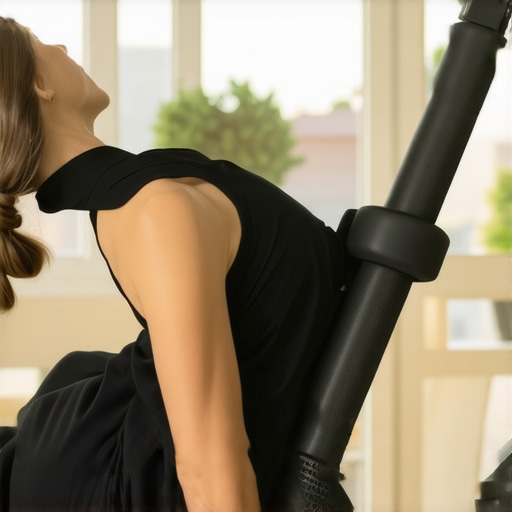
One of the most impactful lessons I learned was that persistent back and neck pain often hide in plain sight—manifesting from overlooked environmental factors rather than just muscular issues. Real progress came when I stopped treating symptoms in isolation and started addressing the root causes embedded in my daily habits and surroundings. Recognizing these subtle influences transformed my recovery journey, revealing that sometimes, the real cure is a simple environment tweak rather than complex interventions. This insight is something I wish I had embraced from the start, as it can drastically shorten your path to relief.
Secrets Top Therapists Keep Close to Their Chest
- The power of consistency: Small, daily adjustments, like regularly layering supportive padding or maintaining ergonomic setups, compound over time, leading to profound relief. I’ve found that sticking to these routines yields results beyond what sporadic care can achieve.
- Beyond exercises: environmental mastery: Therapy isn’t just about stretching or strengthening; it’s about creating a supportive ecosystem. Swapping out hard flooring for cushioned mats or repositioning your workspace can prevent setbacks and facilitate healing.
- Listening to your body’s whispers: Pain isn’t the enemy—it’s a message. Learning to interpret these signals in relation to your environment provided me with personalized clues that guided effective adjustments, rather than unnecessary treatments.
- Embracing technology wisely: Tools like posture apps and smart sensors have revolutionized self-care, making it easier to maintain proper alignment effortlessly. My trusted gadgets have become silent partners in my ongoing back health.
My Personal Arsenal of Back and Neck Allies
- TriggerPoint GRID Foam Roller: Its structured surface mimics expert massage techniques, helping me release deep muscle adhesions and maintain flexibility. It’s a game-changer for self-managed care.
- Teeter NE12 Cervical Pillow: Gently stretching my cervical spine overnight, it alleviates nerve compression and supports natural alignment, transforming my sleep quality.
- Posture correction apps: Tools like [this resource](https://bodyrenewtherapy.com/unlocking-mobility-expert-tips-on-managing-back-pain-in-2025) offer real-time feedback, making consistent posture improvement accessible and effortless.
- Ergonomic work setup: Investing in an adjustable chair and sit-stand desk helps me break the cycle of stiffness, while setting alarms ensures I shift positions, keeping discomfort at bay.
Your Next Step Toward Lasting Relief Awaits
Understanding that back and neck health hinges on a blend of strategic environment tweaks, mindful movement, and consistent care empowers you to take control. Small, deliberate changes today can forge a lifetime of comfort and mobility, making pain a thing of the past. Remember, your journey is uniquely yours, and embracing these personalized insights can make all the difference. Don’t wait—start transforming your space and habits now to unlock the vibrant, pain-free life you deserve.
What small environment change are you planning to implement today to improve your back or neck health? Share your thoughts below—I’d love to hear your plans!
}#END#}#}#}#}#}#}#}#}#}#}#}#}#}#}#}#}#}#}#}#}#}#}#}#}#}#}#}#}#}#}#}#}#}#}#}#}#}#}#}#}#}#}#}#}#}#}#}#}#}#}#}#}#}#}#}#}#}#}#}#}#}#}#}#}#}#}#}#}#}#}#}#}#}#}#}#}#}#}#}#}#}#}#}#}#}#}#}#}#}#}#}#}#}#}#}#}#}#}#}#}#}#}#}#}#}#}#}#}#}#}#}#}#}#}#}#}#}#}#}#}#}#}#}#}#}#}#}#}#}#}#}#}#}#}#}#}#}#}#}#}#}#}#}#}#}#}#}#}#}#}#}#}#}#}#}#}#}#}#}#}#}#}#}#}#}#}#}#}#}#}#}#}#}#}#}#}#}#}#}#}#}#}#}#}#}#}#}#}#}#}#}#}#}#}#}#}#}#}#}#}#}#}#}#}#}#}#}#}#}#}#}#}#}#}#}#}#}#}#}#}#}#}#}#}#}#}#}#}#}#}#}#}#}#}#}#}#}#}#}#}#}#}#}#}#}#}#}#}#}#}#}#}#}#}#}#}#}#}#}#}#}#}#}#}#}#}#}#}#}#}#}#}#}#}#}#}#}#}#}#}#}#}#}#}#}#}#}#}#}#}#}#}#}#}#}#}#}#}#}#}#}#}#}#}#}#}#}#}#}#}#}#}#}#}#}#}#}#}#}#}#}#}#}#}#}#}#}#}#}#}#}#}#}#}#}#}#}#}#}#}#}#}#}#}#}#}#}#}#}#}#}#}#}#}#}#}#}#}#}#}#}#}#}#}#}#}#}#}#}#}#}#}#}#}#}#}#}#}#}#}#}#}#}#}#}#}#}#}#}#}#}#}#}#}#}#}#}#}#}#}#}#}#}#}#}#}#}#}#}#}#}#}#}#}#}#}#}#}#}#}#}#}#}#}#}#}#}#}#}#}#}#}#}#}#}#}#}#}#}#}#}#}#}#}#}#}#}#}#}#}#}#}#}#}#}#}#}#}#}#}#}#}#}#}#}#}#}#}#}#}#}#}#}#}#}#}#}#}#}#}#}#}#}#}#}#}#}#}#}#}#}#}#}#}#}#}#}#}#}#}#}#}#}#}#}#}#}#}#}#}#}#}#}#}#}#}#}#}#}#}#}#}#}#}#}#}#}#}#}#}#}#}#}#}#}#}#}#}#}#}#}#}#}#}#}#}#}#}#}#}#}#}#}#}#}#}#}#}#}#}#}#}#}#}#}#}#}#}#}#}#}#}#}#}#}#}#}#}#}#}#}#}#}#}#}#}#}#}#}#}#}#}#}#}#}#}#}#}#}#}#}#}#}#}#}#}#}#}#}#}#}#}#}#}#}#}#}#}#}#}#}#}#}#}#}#}#}#}#}#}#}#}#}#}#}#}#}#}#}#}#}#}#}#}#}#}#}#}#}#}#}#}#}#}#}#}#}#}#}#}#}#}#}#}#}#}#}#}#}#}#}#}#}#}#}#}#}#}#}#}#}#}#}#}#}#}#}#}#}#}#}#}#}#}#}#}#}#}#}#}#}#}#}#}#}#}#}#}#}#}#}#}#}#}#}#}#}#}#}#}#}#}#}#}#}#}#}#}#}#}#}#}#}#}#}#}#}#}#}#}#}#}#}#}#}#}#}#}#}#}#}#}#}#}#}#}#}#}#}#}#}#}#}#}#}#}#}#}#}#}#}#}#}#}#}#}#}#}#}#}#}#}#}#}#}#}#}#}#}#}#}#}#}#}#}#}#}#}#}#}#}#}#}#}#}#}#}#}#}#}#}#}#}#}#}#}#}#}#}#}#}#}#}#}#}#}#}#}#}#}#}#}#}#}#}#}#}#}#}#}#}#}#}#}#}#}#}#}#}#}#}#}#}#}#}#}#}#}#}#}#}#}#}#}#}#}#}#}#}#}#}#}#}#}#}#}#}#}#}#}#}#}#}#}#}#}#}#}#}#}#}#}#}#}#}#}#}#}#}#}#}#}#}#}#}#}#}#}#}#}#}#}#}#}#}#}#}#}#}#}#}#}#}#}#}#}#}#}#}#}#}#}#}#}#}#}#}#}#}#}#}#}#}#}#}#}#}#}#}#}#}#}#}#}#}#}#}#}#}#}#}#}#}#}#}#}#}#}#}#}#}#}#}#}#}#}#}#}#}#}#}#}#}#}#}#}#}#}#}#}#}#}#}#}#}#}#}#}#}#}#}#}#}#}#}#}#}#}#}#}#}#}#}#}#}#}#}#}#}#}#}#}#}#}#}#}#}#}#}#}#}#}#}#}#}#}#}#}#}#}#}#}#}#}#}#}#}#}#}#}#}#}#}#}#}#}#}#}#}#}#}#}#}#}#}#}#}#}#}#}#}#}#}#}#}#}#}#}#}#}#}#}#}#}#}#}#}#}#}#}#}#}#}#}#}#}#}#}#}#}#}#}#}#}#}#}#}#}#}#}#}#}#}#}#}#}#}#}#}#}#}#}#}#}#}#}#}#}#}#}#}#}#}#}#}#}#}#}#}#}#}#}#}#}#}#}#}#}#}#}#}#}#}#}#}#}#}#}#}#}#}#}#}#}#}#}#}#}#}#}#}#}#}#}#}#}#}#}#}#}#}#}#}#}#}#}#}#}#}#}#}#}#}#}#}#}#}#}#}#}#}#}#}#}#}#}#}#}#}#}#}#}#}#}#}#}#}#}#}#}#}#}#}#}#}#}#}#}#}#}#}#}#}#}#}#}#}#}#}#}#}#}#}#}#}#}#}#}#}#}#}#}#}#}#}#}#}#}#}#}#}#}#}#}#}#}#}#}#}#}#}#}#}#}#}#}#}#}#}#}#}#}#}#}#}#}#}#}#}#}#}#}#}#}#}#}#}#}#}#}#}#}#}#}#}#}#}#}#}#}#}#}#}#}#}#}#}#}#}#}#}#}#}#}#}#}#}#}#}#}#}#}#}#}#}#}#}#}#}#}#}#}#}#}#}#}#}#}#}#}#}#}#}#}#}#}#}#}#}#}#}#}#}#}#}#}#}#}#}#}#}#}#}#}#}#}#}#}#}#}#}#}#}#}#}#}#}#}#}#}#}#}#}#}#}#}#}#}#}#}#}#}#}#}#}#}#}#}#}#}#}#}#}#}#}#}#}#}#}#}#}#}#}#}#}#}#}#}#}#}#}#}#}#}#}#}#}#}#}#}#}#}#}#}#}#}#}#}#}#}#}#}#}#}#}#}#}#}#}#}#}#}#}#}#}#}#}#}#}#}#}#}#}#}#}#}#}#}#}#}#}#}#}#}#}#}#}#}#}#}#}#}#}#}#}#}#}#}#}#}#}#}#}#}#}#}#}#}#}#}#}#}#}#}#}#}#}#}#}#}#}#}#}#}#}#}#}#}#}#}#}#}#}#}#}#}#}#}#}#}#}#}#}#}#}#}#}#}#}#}#}#}#}#}#}#}#}#}#}#}#}#}#}#}#}#}#}#}#}#}#}#}#}#}#}#}#}#}#}#}#}#}#}#}#}#}#}#}#}#}#}#}#}#}#}#}#}#}#}#}#}#}#}#}#}#}#}#}#}#}#}#}#}#}#}#}#}#}#}#}#}#}#}#}#}#}#}#}#}#}#}#}#}#}#}#}#}#}#}#}#}#}#}#}#}#}#}#}#}#}#}#}#}#}#}#}#}#}#}#}#}#}#}#}#}#}#}#}#}#}#}#}#}#}#}#}#}#}#}#}#}#}#}#}#}#}#}#}#}#}#}#}#}#}#}#}#}#}#}#}#}#}#}#}#}#}#}#}#}#}#}#}#}#}#}#}#}#}#}#}#}#}#}#}#}#}#}#}#}#}#}#}#}#}#}#}#}#}#}#}#}#}#}#}#}#}#}#}#}#}#}#}#}#}#}#}#}#}#}#}#}#}#}#}#}#}#}#}#}#}#}#}#}#}#}#}#}#}#}#}#}#}#}#}#}#}#}#}#}#}#}#}#}#}#}#}#}#}#}#}#}#}#}#}#}#}#}#}#}#}#}#}#}#}#}#}#}#}#}#}#}#}#}#}#}#}#}#}#}#}#}#}#}#}#}#}#}#}#}#}#}#}#}#}#}#}#}#}#}#}#}#}#}#}#}#}#}#}#}#}#}#}#}#}#}#}#}#}#}#}#}#}#}#}#}#}#}#}#}#}#}#}#}#}#}#}#}#}#}#}#}#}#}#}#}#}#}#}#}#}#}#}#}#}#}#}#}#}#}#}#}#}#}#}#}#}#}#}#}#}#}#}#}#}#}#}#}#}#}#}#}#}#}#}#}#}#}#}#}#}#}#}#}#}#}#}#}#}#}#}#}#}#}#}#}#}#}#}#}#}#}#}#}#}#}#}#}#}#}#}#}#}#}#}#}#}#}#}#}#}#}#}#}#}#}#}#}#}#}#}#}#}#}#}#}#}#}#}#}#}#}#}#}#}#}#}#}#}#}#}#}#}#}#}#}#}#}#}#}#}#}#}#}#}#}#}#}#}#}#}#}#}#}#}#}#}#}#}#}#}#}#}#}#}#}#}#}#}#}#}#}#}#}#}#}#}#}#}#}#}#}#}#}#}#}#}#}#}#}#}#}#}#}#}#}#}#}#}#}#}#}#}#}#}#}#}#}#}#}#}#}#}#}#}#}#}#}#}#}#}#}#}#}#}#}#}#}#}#}#}#}#}#}#}#}#}#}#}#}#}#}#}#}#}#}#}#}#}#}#}#}#}#}#}#}#}#}#}#}#}#}#}#}#}#}#}#}#}#}#}#}#}#}#}#}#}#}#}#}#}#}#}#}#}#}#}#}#}#}#}#}#}#}#}#}#}#}#}#}#}#}#}#}#}#}#}#}#}#}#}#}#}#}#}#}#}#}#}#}#}#}#}#}#}#}#}#}#}#}#}#}#}#}#}#}#}#}#}#}#}#}#}#}#}#}#}#}#}#}#}#}#}#}#}#}#}#}#}#}#}#}#}#}#}#}#}#}#}#}#}#}#}#}#}#}#}#}#}#}#}#}#}#}#}#}#}#}#}#}#}#}#}#}#}#}#}#}#}#}#}#}#}#}#}#}#}#}#}#}#}#}#}#}#}#}#}#}#}#}#}#}#}#}#}#}#}#}#}#}#}#}#}#}#}#}#}#}#}#}#}#}#}#}#}#}#}#}#}#}#}#}#}#}#}#}#}#}#}#}#}#}#}#}#}#}#}#}#}#}#}#}#}#}#}#}#}#}#}#}#}#}#}#}#}#}#}#}#}#}#}#}#}#}#}#}#}#}#}#}#}#}#}#}#}#}#}#}#}#}#}#}#}#}#}#}#}#}#}#}#}#}#}#}#}#}#}#}#}#}#}#}#}#}#}#}#}#}#}#}#}#}#}#}#}#}#}#}#}#}#}#}#}#}#}#}#}#}#}#}#}#}#}#}#}#}#}#}#}#}#}#}#}#}#}#}#}#}#}#}#}#}#}#}#}#}#}#}#}#}#}#}#}#}#}#}#}#}#}#}#}#}#}#}#}#}#}#}#}#}#}#}#}#}#}#}#}#}#}#}#}#}#}#}#}#}#}#}#}#}#}#}#}#}#}#}#}#}#}#}#}#}#}#}#}#}#}#}#}#}#}#}#}#}#}#}#}#}#}#}#}#}#}#}#}#}#}#}#}#}#}#}#}#}#}#}#}#}#}#}#}#}#}#}#}#}#}#}#}#}#}#}#}#}#}#}#}#}#}#}#}#}#}#}#}#}#}#}#}#}#}#}#}#}#}#}#}#}#}#}#}#}#}#}#}#}#}#}#}#}#}#}#}#}#}#}#}#}#}#}#}#}#}#}#}#}#}#}#}#}#}#}#}#}#}#}#}#}#}#}#}#}#}#}#}#}#}#}#}#}#}#}#}#}#}#}#}#}#}#}#}#}#}#}#}#}#}#}#}#}#}#}#}#}#}#}#}#}#}#}#}#}#}#}#}#}#}#}#}#}#}#}#}#}#}#}#}#}#}#}#}#}#}#}#}#}#}#}#}#}#}#}#}#}#}#}#}#}#}#}#}#}#}#}#}#}#}#}#}#}#}#}#}#}#}#}#}#}#}#}#}#}#}#}#}#}#}#}#}#}#}#}#}#}#}#}#}#}#}#}#}#}#}#}#}#}#}#}#}#}#}#}#}#}#}#}#}#}#}#}#}#}#}#}#}#}#}#}#}#}#}#}#}#}#}#}#}#}#}#}#}#}#}#}#}#}#}#}#}#}#}#}#}#}#}#}#}#}#}#}#}#}#}#}#}#}#}#}#}#}#}#}#}#}#}#}#}#}#}#}#}#}#}#}#}#}#}#}#}#}#}#}#}#}#}#}#}#}#}#}#}#}#}#}#}#}#}#}#}#}#}#}#}#}#}#}#}#}#}#}#}#}#}#}#}#}#}#}#}#}#}#}#}#}#}#}#}#}#}#}#}#}#}#}#}#}#}#}#}#}#}#}#}#}#}#}#}#}#}#}#}#}#}#}#}#}#}#}#}#}#}#}#}#}#}#}#}#}#}#}#}#}#}#}#}#}#}#}#}#}#}#}#}#}#}#}#}#}#}#}#}#}#}#}#}#}#}#}#}#}#}#}#}#}#}#}#}#}#}#}#}#}#}#}#}#}#}#}#}#}#}#}#}#}#}#}#}#}#}#}#}#}#}#}#}#}#}#}#}#}#}#}#}#}#}#}#}#}#}#}#}#}#}#}#}#}#}#}#}#}#}#}#}#}#}#}#}#}#}#}#}#}#}#}#}#}#}#}#}#}#}#}#}#}#}#}#}#}#}#}#}#}#}#}#}#}#}#}#}#}#}#}#}#}#}#}#}#}#}#}#}#}#}#}#}#}#}#}#}#}#}#}#}#}#}#}#}#}#}#}#}#}#}#}#}#}#}#}#}#}#}#}#}#}#}#}#}#}#}#}#}#}#}#}#}#}#}#}#}#}#}#}#}#}#}#}#}#}#}#}#}#}#}#}#}#}#}#}#}#}#}#}#}#}#}#}#}#}#}#}#}#}#}#}#}#}#}#}#}#}#}#}#}#}#}#}#}#}#}#}#}#}#}#}#}#}#}#}#}#}#}#}#}#}#}#}#}#}#}#}#}#}#}#}#}#}#}#}#}#}#}#}#}#}#}#}#}#}#}#}#}#}#}#}#}#}#}#}#}#}#}#}#}#}#}#}#}#}#}#}#}#}#}#}#}#}#}#}#}#}#}#}#}#}#}#}#}#}#}#}#}#}#}#}#}#}#}#}#}#}#}#}#}#}#}#}#}#}#}#}#}#}#}#}#}#}#}#}#}#}#}#}#}#}#}#}#}#}#}#}#}#}#}#}#}#}#}#}#}#}#}#}#}#}#}#}#}#}#}#}#}#}#}#}#}#}#}#}#}#}#}#}#}#}#}#}#}#}#}#}#}#}#}#}#}#}#}#}#}#}#}#}#}#}#}#}#}#}#}#}#}#}#}#}#}#}#}#}#}#}#}#}#}#}#}#}#}#}#}#}#}#}#}#}#}#}#}#}#}#}#}#}#}#}#}#}#}#}#}#}#}#}#}#}#}#}#}#}#}#}#}#}#}#}#}#}#}#}#}#}#}#}#}#}#}#}#}#}#}#}#}#}#}#}#}#}#}#}#}#}#}#}#}#}#}#}#}#}#}#}#}#}#}#}#}#}#}#}#}#}#}#}#}#}#}#}#}#}#}#}#}#}#}#}#}#}#}#}#}#}#}#}#}#}#}#}#}