
Why Your Office Chair Armrests Are Giving You Neck Knots
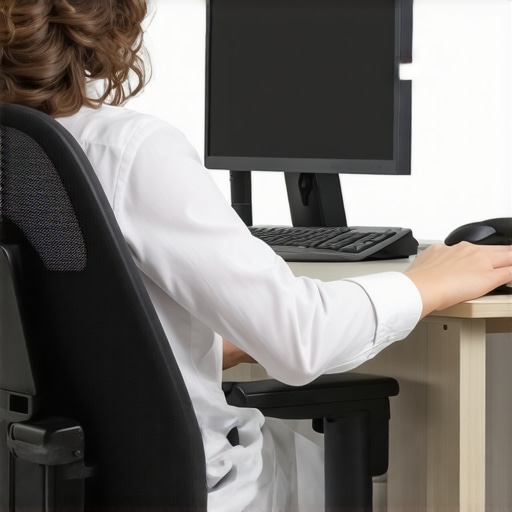
Ever had that sudden, sharp twinge in your neck after a long day at your desk, only to realize that your office chair might be part of the problem? I remember the first time it happened to me—mid-afternoon, neck muscles tightening like a vice, frustration mounting. It was a lightbulb moment when I finally connected the dots: my chair’s armrests were subtly pushing into my shoulders and neck, creating a cascade of discomfort that I thought was just part of aging or bad luck.
The Hidden Culprit: How Office Chair Armrests Can Wreak Havoc on Your Neck
Let me be honest—most of us don’t give a second thought to our office furniture. We sit, type away, lifelessly scrolling through emails, until one day, pain strikes. That nagging discomfort in the neck or the knots that seem to stubbornly refuse to unwind? It can often be traced back to the way our office chair supports us—or, more accurately, fails to support us properly. Your armrests, if positioned incorrectly or made of unsuitable material, might be silently contributing to your discomfort.
Over my years of trying to figure out this puzzle, I learned that many ergonomic experts agree: poorly adjusted or incorrectly designed armrests can cause shoulder elevation, leading to tension in the neck muscles. And if you’re like I was, slowly developing a bad habit of leaning or tensing up, it can turn into chronic pain. Interestingly, studies show that prolonged improper support can lead to changes in muscle function and posture, increasing overall discomfort (see this insightful article).
Here’s the kicker: early on, I made the mistake of ignoring this small detail—thinking my bad posture was solely a result of sitting too long or stress. But the real breakthrough came when I started paying attention to my chair’s armrest height and padding, which immediately made a difference. And trust me, if you haven’t checked your armrest setup recently, you’re probably missing a simple fix that could save your neck.
Is This Really a Big Deal, or Just a Slight Discomfort?
Many dismiss neck knots and shoulder tension as minor annoyances, but I’ve seen firsthand how they can snowball into serious issues—migraines, limited mobility, and even chronic pain that affects your daily life. I used to believe that if I just stretched enough, I’d be fine. Turns out, my mistake was neglecting the root cause: poor ergonomic setup, especially the support (or lack thereof) from my armrests.
Now, I encourage you to ask yourself—have you been ignoring the subtle signs that your chair configuration might be contributing to your discomfort? If yes, don’t worry. You’re not alone, and the good news is, there’s a straightforward path to relief, which we’ll explore together in the next sections. But before we jump into those practical steps, let’s consider what skeptics often say—”Are office armrests really that impactful?”
Adjust Your Armrests for Proper Support
Begin by setting your chair’s armrests at elbow height, ensuring they support your arms without pushing your shoulders up. I once spent an afternoon adjusting my armrests, and the difference in neck tension was immediate—I felt my shoulders relax, and the knots started loosening.
Check for Excessive Padding or Hard Edges
If your armrests are too soft or have sharp edges, they can cause uneven pressure, leading to muscle strain. Swap out or add cushions to make support more uniform and comfortable. I used a simple foam pad, which instantly prevented my shoulders from hunching, easing my neck pain.
Set Up Your Chair Height Correctly
Ensure your feet are flat on the ground, knees at a 90-degree angle, and thighs parallel to the floor. This position prevents your pelvis from tilting forward or back, which can ripple up to your neck. Once I lowered my chair slightly, I noticed my upper back and neck muscles no longer tensed as much during long work sessions.
Use a Footrest if Necessary
If adjusting the chair height alone isn’t enough, employ a footrest to maintain proper alignment. This small change helped me maintain a healthy lumbar curve, reducing strain along my spine and neck.
Optimize Monitor and Desk Placement
Your monitor should be at eye level, about 20 inches away, to prevent neck tilting. I moved my monitor onto a stand, which eliminated the habit of looking down at my keyboard, a common cause of cervical strain. This simple step made the first noticeable difference in my neck comfort.
Practice the 10-Second Posture Check
Every hour, take a moment to evaluate your seated posture—shoulders relaxed, back supported, head aligned with your spine. I set timers for this check; over time, it became second nature, and I experienced fewer episodes of neck and shoulder knots.
Manage Armrest Tension
If your armrests cause tension, consider using adjustable models that can be moved closer or farther away. I found that slight adjustments eased shoulder elevation, decreasing strain on my neck. Regularly fine-tuning these settings helped prevent the gradual build-up of discomfort.
Incorporate Active Breaks
Once your ergonomic setup is optimized, introduce short, active breaks—stretch your neck, shoulders, and back every 30 minutes. I do a quick neck roll and shoulder shrug; these movements prevent muscles from seizing up, boosting circulation and reducing pain.
By implementing these concrete adjustments, many find relief from neck and back discomfort caused by office furniture misalignment. Remember, small, consistent changes—like adjusting armrest height or monitor position—can make a significant difference in your long-term comfort, helping you maintain mobility and reduce chronic pain risks. For more detailed strategies on managing back pain, check out simple exercises that make a difference, and for sciatic relief techniques, visit proven approaches to ending discomfort.Many assume that addressing the pain solely with surface-level remedies or quick fixes is enough, but let’s dig deeper. A common misconception is that sciatica, neck pain, or back discomfort are isolated issues, when in reality, they often stem from underlying ergonomic and postural nuances many overlook. For instance, many believe stretching alone can resolve these pains; however, in my experience, neglecting to assess and correct biomechanical imbalances—like subtle pelvic tilts or foot positioning—can make recovery elusive. Studies such as the one from the National Institute of Neurological Disorders and Stroke emphasize that persistent pain frequently involves complex neuromuscular factors, not just simple muscle tightness. An advanced mistake many make is focusing solely on symptom relief rather than root causes. For example, applying heat or taking OTC analgesics may temporarily soothe discomfort, but without addressing core issues like poor spinal alignment or nerve compression, relief is fleeting. A trap I see often is misinterpreting pain signals—viewing them only as isolated symptoms rather than warning signs of deeper dysfunctions. For example, a dull ache near the sciatic nerve could be linked to hip flexor tightness or gait abnormalities that, if left uncorrected, may worsen over time. To truly benefit, it’s crucial to evaluate movement patterns using detailed assessments, such as observing gait or testing for muscle imbalances, which can reveal cascade effects leading to pain. I advise practicing a comprehensive approach: revisiting foundational principles like proper ergonomic setup, integrating targeted mobility exercises, and understanding the neuromuscular pathways involved. To support this, exploring expert insights such as those on restoring mobility and correcting posture can transform your recovery journey. Remember, ignoring these nuanced details could be the difference between ongoing discomfort and lasting relief. Have you ever fallen into this trap? Let me know in the comments.
Managing chronic pain conditions like sciatica, neck pain, or back discomfort requires more than just sporadic stretches or quick fixes. It demands a deliberate approach involving reliable tools, consistent maintenance routines, and a keen eye on long-term results. One of my favorite tools is a high-quality foam roller. I recommend the density-appropriate foam roller because it helps release deep tissue tension without risking nerve irritation. Using it daily for five minutes targeting the hips, hamstrings, and lower back has significantly improved my mobility and reduced flare-ups.
Another game-changer is a handheld massage therapy ball, like the Tennis Ball. I personally keep one at my desk to perform quick trigger point releases on tight muscles. It’s portable, affordable, and highly effective for alleviating stubborn knots, especially in the piriformis or shoulder blades. Integrating this into your routine can make a big difference in preventing pain from creeping back.
Tech-wise, I swear by posture-tracking apps such as Back Pain Breakthroughs or ergonomic software that encourages mindful sitting. These applications remind me to adjust my posture periodically and provide insights into my sitting habits, helping me develop healthier patterns over time. Consistency is key—setting alarms or using app notifications helps embed these habits into daily life.
Looking ahead, I predict the evolution of wearable devices will further personalize recovery. Imagine smart clothing embedded with sensors that monitor posture and muscle tension in real-time, giving instant feedback to correct misalignments before pain manifests. This proactive approach could revolutionize chronic pain management, shifting from reactive treatment to preventative care.
For those committed to maintaining their functionality, I suggest starting with one practical step today: incorporate a 20-minute mobility session into your mornings. Use tools like a foam roller or massage ball during this time to prepare your tissues for the day ahead. This habit can significantly mitigate the risk of setbacks and ensure your body remains resilient over the long haul.
How do I maintain my progress over time?
Consistency and mindful adjustments are crucial. Regularly review your ergonomic setup—adjust your chair height, monitor positioning, and armrest support as needed. Schedule periodic mobility assessments, which could involve a quick gait or flexibility check, either alone or with a professional. Keep a pain diary to track triggers and improvements, facilitating tailored interventions. And remember, investing in quality tools—like ergonomic chairs, supportive footwear, or even posture-correcting braces—can sustain your newfound mobility and prevent regressions.
Revisit this expert guide to lasting mobility for comprehensive strategies to stay ahead of pain. By integrating these tools and habits into your daily routine, you’ll set yourself up for long-term success, keeping your body healthy, functional, and pain-free.
Don’t wait—try incorporating a simple tool today, like a trigger point massage ball, and notice how your muscles respond. Small, sustained efforts make a powerful difference over time.

The Hardest Lesson I Learned About Chronic Pain
One of my most profound insights was realizing that quick fixes and superficial solutions only offered temporary relief. True healing required patience and addressing the root causes, such as ergonomic setup and muscle imbalances. This shift in mindset transformed my approach and led to lasting comfort.
3 Myths About Mobility That Held Me Back
I used to believe that stretching endlessly was the key to flexibility. However, I discovered that targeted mobility exercises and proper posture adjustments provided more meaningful progress. Dispelling these myths opened the door to more effective strategies for pain relief.
What Experts Won’t Tell You About Long-Term Relief
Many professionals focus solely on symptom management, but I learned that sustainable results come from a comprehensive approach—combining ergonomic tweaks, strength training, and mindful movement. This holistic perspective has been crucial in maintaining my progress and avoiding setbacks.