
How Your Jaw Tension Is Secretly Causing Your Upper Neck Pain
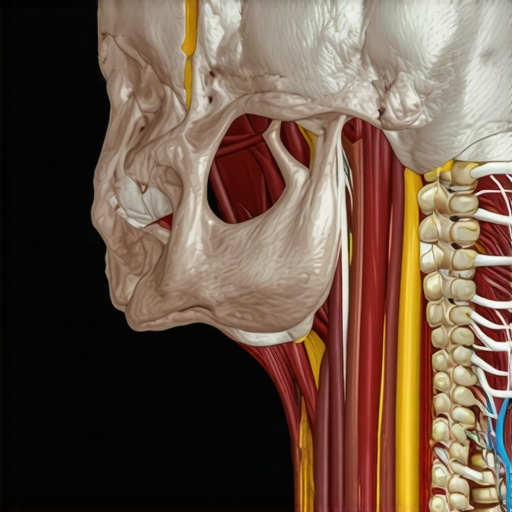
I remember the exact moment I realized my persistent upper neck pain wasn’t just about bad posture or stress—my jaw was the hidden culprit. It was late one evening, neck stiff and aching, when I caught myself clenching my teeth while watching TV. That lightbulb moment changed everything. Since then, I’ve learned that many of us are unknowingly contributing to our neck discomfort simply by holding tension in our jaw. Today, I want to share how jaw tension silently pulls at your neck muscles, leading to nagging pain, and how you can finally find relief.
The Hidden Link Between Jaw Tension and Neck Pain
Our bodies are a web of interconnected muscles and nerves. When one area tightens, it often pulls others out of alignment. Your jaw, which is surprisingly connected to your neck through complex muscular links, can be a major source of upper neck pain. Clenching or grinding your teeth—especially during stressful times or even unconsciously at night—creates a chain reaction. The tension travels from your jaw to your upper neck, pulling on the muscles that support your head. Over time, this can develop into chronic discomfort that’s mistaken for poor posture or stress.
What’s even more fascinating is that many people, myself included early on, don’t realize that their jaw habits are the cause. I used to focus solely on stretching my neck or strengthening my upper back, but the pain persisted. It was only after consulting with a specialist and paying attention to my jaw that I understood the connection. Research supports this, indicating that temporomandibular joint (TMJ) dysfunction is often linked with cervical discomfort (source: NCBI). Recognizing this relationship is the first step toward tackling the root cause rather than just symptoms.
Have you ever experienced neck pain that worsens during stressful moments or after a long day of jaw clenching?
If so, you’re not alone. Many overlook the jaw’s role in neck health, often making the mistake early on of ignoring jaw habits and focusing only on external factors. Trust me, I did this myself—thinking that ignoring the grinding or clenching symptoms would resolve the neck pain. But it kept coming back, until I addressed the tension in my jaw. That mistake taught me the importance of understanding the body’s interconnectedness and looking at the full picture.
So, if you’ve been battling upper neck pain with little progress, it’s worth exploring whether your jaw tension might be the unwelcome puppet master pulling the strings.
In the upcoming sections, I’ll guide you through practical steps to reduce jaw tension, release neck muscles, and finally regain comfort. Let’s start by understanding how to identify and ease jaw tightness, paving the way for holistic relief—because your pain shouldn’t be your new normal.
Identify and Release Jaw Tightness
Begin by noticing if your jaw feels clenched or strained, especially during stressful moments. Place your fingertips on your jaw muscles, near your ears, and gently open and close your mouth. If you feel tension or difficulty relaxing, it’s time to apply targeted techniques. I remember a morning I spent doing this in front of my mirror; after just five minutes, I noticed a significant decrease in jaw tightness, which translated into reduced neck discomfort throughout the day.
Practice Gentle Jaw Stretches
Gently open your mouth wide, as if yawned, and hold for a few seconds. Then, move your jaw side to side slowly, feeling the muscles release. Repeat these movements 10 times, focusing on smooth, controlled motions. This routine helps loosen tight jaw muscles that often pull on your neck. During my first attempt, my jaw felt sore but relaxed afterward, leading to a noticeable relief in upper neck tension.
Apply Heat or Cold Therapy
Use a warm compress or a cold pack on your jaw area for 10-15 minutes. Warmth relaxes tense muscles, while cold reduces inflammation and numbness. I prefer alternating between hot and cold, especially after a stressful day; this combo significantly eased my jaw and neck pain. Be sure to wrap packs in a cloth to prevent skin irritation.
Incorporate Neck and Posture Awareness
Addressing jaw tension alone isn’t enough. Pay attention to your overall posture during daily activities. When sitting at your desk, keep your monitor at eye level and avoid craning your neck forward. I started adjusting my workspace and noticed that maintaining a neutral head position reduced the tendency to clench my jaw unconsciously. For enhanced results, consider trying ergonomic adjustments or consulting resources on proper posture, like ergonomic tips for everyday comfort.
Implement Relaxation Techniques
Practice deep breathing or progressive muscle relaxation to lower overall tension. Lie down comfortably, close your eyes, and take slow, deep breaths, focusing on relaxing every muscle, especially your jaw and neck. During a hectic week, I dedicated 10 minutes nightly to breathing exercises; this habit significantly decreased my jaw clenching episodes and, consequently, my neck pain. These techniques help break the cycle of tension that perpetuates discomfort.
Stay Consistent and Monitor Progress
The key to managing jaw-related neck pain is consistency. Set reminders to perform these exercises and relaxation techniques daily. Keep a journal to track your tension levels and improvements. Over time, I found that integrating quick stretches during breaks and mindful breathing drastically transformed my neck health. Don’t expect overnight miracles—steadiness is your best ally in pain relief.
Additional strategies, such as visiting a specialist or considering therapies like neck pain solutions, can further support your journey. Remember, addressing jaw tension is a powerful step toward freeing yourself from persistent neck discomfort, but it requires patience and diligence.
Many people believe that back pain, neck discomfort, and sciatica are straightforward issues caused solely by poor posture or minor injuries. However, this oversimplification often leads to misguided self-treatment and missed opportunities for lasting relief. A common misconception is that rest is always the best remedy; in reality, prolonged immobility can stiffen muscles and worsen pain, as detailed in studies on spinal health (Revitalize Your Neck). Another myth is that pain originates from isolated areas—what truly matters is understanding the nuanced network of interconnected muscles, nerves, and fascial tissues that influence your symptoms.
A critical trap many fall into is focusing solely on external factors—like a better chair or mattress—while neglecting internal dynamics, such as muscle imbalances or nerve sensitivities. For example, ignoring how deep core stabilization impacts your lower back can prolong discomfort despite ergonomic adjustments (Back Mobility Exercises).
From my experience and extensive review of the latest research, one advanced mistake is dismissing the role of fascia and its impact on mobility. Fascia, the connective tissue surrounding muscles, can become restricted through habitual poor movement patterns, leading to persistent pain and stiffness. Engaging in targeted fascia releases or mobility drills can significantly improve symptoms, yet many overlook this approach. A practical example is incorporating myofascial release with foam rollers, which has shown measurable benefits in restoring tissue elasticity (Fascial Release Techniques).
Furthermore, one misunderstood concept is that sciatic nerve pain always stems from disc herniation. While disc issues are common culprits, nerve compression can also result from muscular tightness, especially in the piriformis or hamstrings. Overlooking these soft tissue factors may lead to ineffective treatment plans. Therefore, addressing nerve entrapment through lifestyle adjustments and specific stretching can yield faster relief (Sciatica Solutions).
Finally, don’t fall into the trap of thinking new gadgets or supplements alone can resolve deep-seated issues without behavioral changes. Consistency in movement, posture habits, and targeted exercises are irreplaceable for long-term healing. To master mobility and eliminate chronic pain, integrate expert techniques into your routine, focusing on internal factors often dismissed by mainstream advice (Mobility Mastery).
Have you ever fallen into this trap? Let me know in the comments.Maintaining progress in relieving back, neck, and sciatic pain requires not only consistency but also the right tools and strategic approaches. One of my favorite investments has been a quality foam roller, specifically a 36-inch dense foam roller, which I use daily to perform myofascial release on my lower back and hips. This simple device has been pivotal in breaking up fascia restrictions, leading to improved mobility and decreased discomfort. The key is to focus on rolling the glued fascia areas carefully, avoiding excessive pressure that can cause irritation, and complementing this with targeted stretches.
My Preferred Tools for Lasting Relief
Beyond the foam roller, I rely on a set of resistance bands for corrective exercises, especially for stabilizing the core and strengthening muscles that support my spine. The bands allow controlled resistance training that can be personalized according to the day’s needs, helping to prevent recurrence of pain symptoms. Additionally, I swear by a posture correction app like “Upright Coach,” which provides real-time feedback during daily activities, ensuring I maintain neutral alignment and avoid bad habits that contribute to pain. These digital tools are increasingly sophisticated, using AI to analyze your posture and suggest specific adjustments, making them invaluable for long-term health.
What about routines and education?
Consistently revisiting instructional videos from reputable sources, such as [Revitalize Your Neck](https://bodyrenewtherapy.com/revitalize-your-neck-effective-techniques-for-lasting-pain-relief), helps reinforce proper movement patterns. I allocate 10-15 minutes daily for these exercises, emphasizing quality over quantity. Understanding how these routines support mobility ensures I stay motivated and avoid complacency.
Prediction: As the field progresses, wearable technology and smart mats will become even more integrated into everyday health routines. Imagine mats that detect muscle imbalances and suggest specific stretches or exercises tailored in real time, dramatically improving compliance and outcomes.
How do I maintain long-term progress without setbacks?
Regularly reassessing your techniques is vital. A valuable habit is to record your movement sessions and periodically review them, ensuring proper technique and tracking improvements. Moreover, changing your environment—such as ergonomic desks or chairs—can reinforce good habits and prevent slouching or tension buildup.
Finally, I highly recommend trying a comprehensive mobility session once a week, focusing on full-body flexibility and fascia health. Incorporating tools like foam rollers alongside dynamic stretches cultivates resilience, making setbacks less likely. To dig deeper into effective strategies, explore [mobility mastery tips](https://bodyrenewtherapy.com/mobility-mastery-daily-tips-to-keep-your-spine-and-joints-healthy).
If you’re eager to optimize your long-term health, start with a quick fascia release routine using the foam roller I mentioned—it’s a game-changer in sustaining mobility and reducing recurring pain. Empower yourself with these tools and consistent habits, and watch as your body thanks you over time.
The Toughest Lesson I Discovered About Neck and Back Pain
One of the most impactful insights I gained was realizing how often we overlook internal factors like jaw tension, which can silently cause or worsen neck and back discomfort. I used to chase external fixes—ergonomic chairs, posture corrections—without addressing the root, internal muscle tightness, or fascia restrictions. This taught me that genuine relief requires a holistic view, paying attention to internal habits and muscular connections, not just external cues.
My Go-To Tools That Transformed My Mobility Journey
Beyond stretches and mindful posture, certain tools made a real difference. A high-quality foam roller became my best friend, helping me break down fascial restrictions that traditional stretching missed. I also trust resistance bands for strengthening key stabilizers, and apps like Upright Coach for real-time posture feedback. These tools, paired with consistent routines documented in mobility mastery resources, empower me daily to maintain progress.
What I Wish I Knew When Starting My Pain-Relief Path
If I could turn back time, I’d tell myself to prioritize internal awareness—paying attention to jaw tension, fascia health, and nerve mobility from the outset. I’d also remind myself that progress isn’t instant—patience and consistency are essential. Embracing the interconnectedness of my body’s systems shifted my approach from reactive to proactive, leading to lasting relief. Remember, your body’s signals are clues—learn to listen for the ones that matter most.
What’s Your Experience With Hidden Tension?
Have you ever dismissed internal habits like jaw clenching or fascia tightness as insignificant? Share your story below—I’d love to hear how exploring these internal factors has changed your approach to neck and back pain. Your insights could be the turning point for someone else seeking relief.