
Why Stretching Your Piriformis Could Be Making Your Sciatica Flare
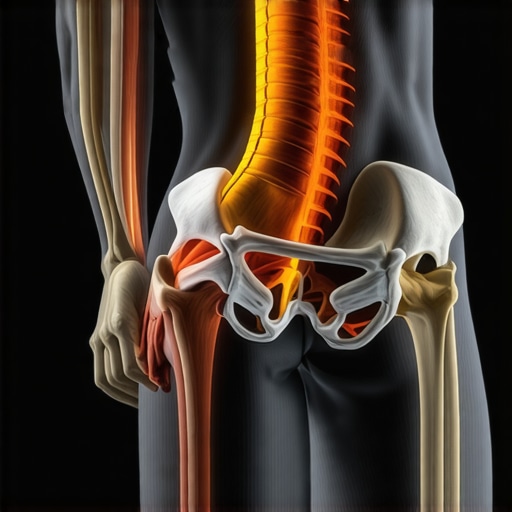
It was a morning like any other, except this time, my usual stretching routine left me feeling worse. I had been diligently targeting my piriformis, thinking that loosening up this tiny muscle would banish my sciatic pain once and for all. Instead, I ended up groaning louder than before, clutching my hip in frustration. That lightbulb moment? Realizing that my well-intentioned stretches might be aggravating my sciatica, not easing it.
How I Learned That Not All Stretching Is Beneficial
From that day, I started questioning the common advice to stretch the piriformis whenever sciatic pain flared. I discovered that, contrary to popular belief, overstretching or improper stretching of this muscle could actually increase pressure on the sciatic nerve, worsening discomfort. As I dug deeper—relying on reputable sources and personal trial and error—I found that many people, including myself, make this very mistake: thinking more stretching equals more relief.
What made the difference was understanding the importance of targeted, smart mobility techniques rather than generic stretching routines. This realization opened the door to approaches that address the root causes of sciatic pain without risking further irritation. If you’re nodding along, wondering if you might be doing the same, keep reading. I promise to share the insights and practical strategies that turned things around for me—and can do the same for you.
Is Piriformis Stretching Actually Worth the Hype?
Early in my journey, I made the mistake of blindly following advice from well-meaning friends and the internet, attempting to stretch my piriformis every time the pain struck. I didn’t realize that adherence to a one-size-fits-all approach could backfire, especially when the muscle is already tight or inflamed. This misstep underscored the importance of personalized movement and proper assessment, something I wish I had prioritized from the start.
Research supports this caution—an article in The Journal of Bodywork and Movement Therapies points out that incorrect stretching can exacerbate some muscular or nerve issues, delaying recovery. So, if you’ve faced similar frustrations or even setbacks, know that you’re not alone. The key is learning which techniques genuinely help, and when to avoid aggravating your condition.
In the next section, I’ll guide you through the essential shifts in your approach—focusing on safe, effective strategies to manage your sciatica without risking additional pain or injury. Ready to regain control of your mobility? Let’s dive in.
And if you’ve ever felt overwhelmed by conflicting advice, I encourage you to explore detailed techniques that prioritize your unique situation. You can find some helpful tips and expert insights on revitalizing your neck and back health, which ties directly into how the piriformis and sciatic areas connect. Remember, small adjustments can lead to big improvements.
Start with Gentle Pelvic Tilts to Reset Your Alignment
During a particularly stubborn flare-up, I lay on my back and gently rocked my pelvis by tilting my hips upward and then flattening my lower back to the floor. This simple move, called pelvic tilts, helped reduce nerve compression and eased my pain. To perform this, lie on your back with knees bent, tighten your abdominal muscles, and press your lower back into the floor while tilting your pelvis up. Hold for a few seconds, then release. Repeat 10-15 times. This technique is crucial because it retrains your pelvic and lumbar position, directly affecting sciatic nerve pressure. For more detailed guidance, check out expert tips on managing back pain.
Solve Tightness with Targeted Hip Openers
Perform the Butterfly Stretch Correctly
Instead of generic stretching, I focus on controlled hip openers like the butterfly stretch. Sit on the ground, bring soles of your feet together, and gently press your knees downward while maintaining an upright spine. I often hold this for 30 seconds, gradually increasing as I loosen up. I found that a common mistake is leaning forward aggressively—this can aggravate the sciatic nerve. Keep your back straight and hinge at your hips. This stretch targets the piriformis and external rotators, which, when tight, contribute to sciatic tension. Remember, consistency matters, and avoid overstretching, which can backfire.
Implement Specific Strengthening Exercises
Building your core stability made a surprising difference. I included simple bridges: lie on your back with knees bent and feet flat, then lift your hips by engaging your glutes and core. Hold for five seconds, then lower slowly. I started doing three sets of 10 daily. Strengthening the glutes and supporting muscles reduces the load on your sciatic nerve. To deepen the effect, incorporate bird-dogs—on all fours, extend opposite arm and leg simultaneously—maintaining a neutral spine. These moves stabilize your pelvis and spine, preventing problematic movements that worsen nerve pinching. For a full routine, visit back-friendly exercises.
Practice Safe Movements During Daily Activities
I learned to be mindful of my posture during everyday tasks. For instance, when bending to pick up objects, I hinge at the hips instead of rounding my back. I remember a morning when I tried to lift a heavy box without proper form—the resulting pain taught me to engage my core and keep movements controlled. Use your hips and legs to lift, not your back. This reduces strain on your lumbar spine and sciatic nerve. Incorporate ergonomic adjustments at work and home, like using a chair that supports your lower back and ensuring your computer screen is eye level. Small changes can prevent flare-ups and promote mobility over time. For more ergonomic tips, see ergonomic improvements.
Apply Pressure Release Techniques
Muscle knots and tension in the glutes and hips can perpetuate nerve compression. I found that using a tennis ball against my gluteal muscles helped release tight spots. Lie on your side or sit against a wall, placing the ball under tight areas, then gently apply pressure and roll over the spot for 30 seconds. Be cautious not to cause pain, just discomfort. This technique, known as self-myofascial release, improves blood flow and reduces nerve entrapment. Integrating these quick sessions into your routine can significantly lighten your discomfort. For specific guidance, check how to use a tennis ball effectively.
Maintain Consistency for Lasting Relief
One mistake I made initially was expecting immediate results. Instead, I committed to daily practice of these techniques, even on days when pain subsided. Over weeks, I noticed increased flexibility, less numbness, and improved movement. Think of your body like a car—you need regular maintenance, not just occasional fixes, to keep it running smoothly. If you want a comprehensive approach, exploring strategies at proven approaches to end discomfort can be a game-changer. Remember, patience and consistency are your best allies in overcoming sciatic pain.Many assume that addressing pain simply involves stretching or strengthening specific muscles, but the truth is far more nuanced. A common myth is that all pain originates from tightness or weakness; however, research from experts like Dr. Stuart McGill shows that pain often stems from how your tissues are loaded rather than their inherent state. For instance, people often stretch their hamstrings to relieve lower back pain, but in some cases, overstretching can destabilize the pelvis, exacerbating discomfort. This oversight can delay recovery or even cause new issues.
Why does correcting posture sometimes worsen symptoms temporarily?
This question confounds many advanced practitioners, but the explanation lies in the concept of neuro-muscular control. When you alter your posture or movement patterns, your nervous system must adapt. During this period, you might feel heightened discomfort—a natural response known as “postural backlash”—which is part of the healing process. A study published in the Journal of Orthopaedic & Sports Physical Therapy highlights that these transient increases in pain can indicate that the nervous system is recalibrating, and persistence leads to long-term gains. So, avoid the trap of quitting therapies prematurely when symptoms flare, as this could hinder progress. Instead, focus on gradual, controlled adjustments complemented by expert guidance. External links like effective techniques for lasting pain relief can offer practical insights on managing this process. Remember, superficial fixes like quick stretches often ignore the underlying neuromuscular complexities that sustain pain. I encourage you to examine your habits critically and seek personalized solutions rather than generic advice. Have you ever fallen into this trap? Let me know in the comments, and explore how professional guidance can unlock your mobility potential.
Keep It Working with Reliable Tools and Strategies
Maintaining your progress in managing neck pain, back discomfort, or sciatica requires more than just sporadic exercises. Investing in the right tools and establishing consistent routines can make the difference between short-term relief and long-lasting mobility. I personally rely on a few key pieces of equipment and software that streamline my daily maintenance regimen and help me catch issues early. Over time, I’ve learned that these tools not only save me time but also ensure my approach stays targeted and effective.
One cornerstone in my toolbox is a high-quality foam roller. A dense, 36-inch foam roller like the TriggerPoint GRID helps me perform myofascial release, loosening tight muscles in my hips, glutes, and lower back. I use it daily after workouts or long periods of sitting, and its durability means I can apply consistent pressure without worry. Regular use enhances blood flow and prevents knots from forming, which can impinge nerves and perpetuate pain.
Complementing my foam roller are resistance bands with handles, such as those from Bodylastics. These versatile bands assist in gentle strengthening exercises, especially for stabilizing the core and hips. I’ve integrated banded side steps and hip abduction routines into my routine to enhance muscle endurance and support spinal alignment. Their portability means I can perform these exercises anywhere, whether at home or during travel, ensuring consistency no matter my schedule.
In addition, I depend on a posture monitoring app like Rehab My Patient to track my posture throughout the day. This AI-driven software provides gentle reminders when I slouch or lean into bad positions during work or daily activities. Proper posture is foundational for long-term relief, and these digital nudges help me develop awareness, preventing habits that cause strain over months or years.
Predicting future trends, I believe we’ll see a rise in smart wearables — such as smart belts or posture-tracking devices embedded in clothing — that can give real-time feedback and even suggest corrective movements instantly. Brands like UprightTech are pioneering this space, making posture correction seamlessly integrated into our daily tech ecosystem. Incorporating such innovations could be a game-changer for those committed to long-term mobility maintenance.
How Can You Sustain Your Improvements Over Time?
Staying consistent is key, but so is adapting your tools to your evolving needs. Regularly review your equipment, replace worn-out items like foam rollers, and update your routines as your mobility improves or changes. Also, consider consulting with professionals who understand biomechanics — like physical therapists — to personalize your home tools and techniques further. A detailed understanding of how your body responds can help you optimize your routine, preventing setbacks. For instance, exploring expert tips on managing back pain for 2025 can offer insights into emerging practices and equipment that can keep your progress on track.
If you’re ready to take your maintenance to the next level, I recommend trying the advanced pressure release technique with a tennis ball. Pressing specific trigger points in your hips and glutes daily can prevent knots from forming and help identify early signs of strain before they develop into full-blown pain. Remember, consistent care is your best investment in lasting mobility, so pick the tools that fit your lifestyle and commit to using them regularly. For personalized guidance, don’t hesitate to reach out.
Throughout this journey, I’ve learned that true mobility and relief stem from understanding your body’s unique signals and embracing tailored strategies. The biggest revelation? Recognizing that quick fixes often mask deeper issues. Instead, persistent, mindful adjustments—like focusing on proper posture, targeted strengthening, and consistent self-care—are what really restore your movement and reduce pain. Embracing this holistic perspective transformed my approach, and I hope it encourages you to see your recovery as an ongoing, empowering process rather than a quick sprint. Remember, every small step adds up to lasting change. Trust your intuition, stay patient, and commit to honoring your body’s needs—they’re guiding you toward lasting relief and renewed vitality.