
Why Your Ankle Stability Is the Foundation of a Healthy Back
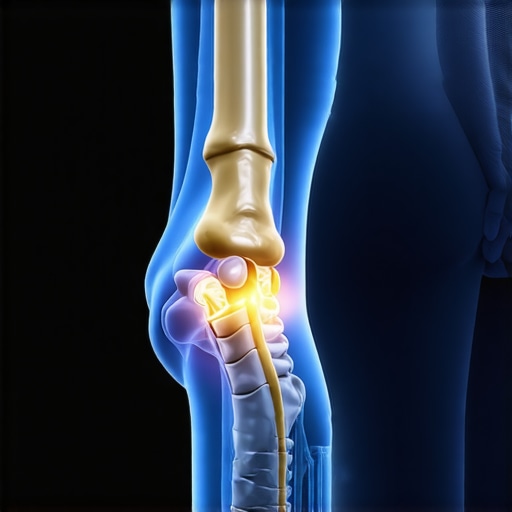
It happened during a weekend hike. I zigged, I zagged, and suddenly, a sharp pain shot through my lower back—something I hadn’t felt in years. I thought I knew my body well enough, but that day, I realized I had been neglecting a crucial piece of the puzzle: ankle stability. This lightbulb moment changed my perspective entirely and led me to understand how intimately connected our ankles are to our back health.
Many of us overlook our ankles when considering posture and pain, yet they serve as the foundation for upright movement. If your ankles aren’t stable, every step you take can cause misalignments up the chain—leading to strain in your knees, hips, and ultimately, your lower back. It’s a domino effect that sneaks up on you, often manifesting as chronic discomfort, stiffness, or worse.
Today, I promise to share how improving your ankle stability can be a game-changer for your back. Not only will this help alleviate existing pain, but it also prevents future injuries. Think of it as reinforcing the roots of a tree—you strengthen what’s beneath to support everything above.
The Surprising Link Between Ankles and Back Pain
Did you know that restricted ankle mobility is a common yet overlooked contributor to back problems? A study published in the Journal of Physical Therapy Science found that limited ankle dorsiflexion correlates significantly with increased risk of lower back pain. When your ankles can’t move freely, your body compensates with altered movement patterns, often putting extra stress on your lumbar spine.
In my early days of trying to fix my back, I wasted months on targeted stretches and strengthening exercises for my back muscles—yet the pain persisted. That was a mistake I learned the hard way. The truth is, focusing solely on the symptomatic area can be a trap. To truly heal, you need to look at the root causes, and sometimes, that means starting from the ground up.
If you’ve ever felt like your back stiffens after a lengthy walk or your posture worsens throughout the day, it might be time to assess your ankle stability. Think of your ankles as the unsung heroes of good posture—yet they rarely get the attention they deserve.
So, have you ever experienced back discomfort that worsens after activity, only to find it inexplicably improving with rest? That’s a common sign that subtle biomechanical issues, like ankle instability, could be at play. Recognizing this connection is the first step towards meaningful relief.
In the next section, we’ll explore simple but effective ways to strengthen and improve your ankle mobility—setting the stage for a healthier, pain-free back. For more on related lifestyle changes that impact back health, check out this comprehensive guide on overcoming sciatica and enhancing mobility [here](https://bodyrenewtherapy.com/overcoming-sciatica-top-lifestyle-changes-for-better-quality-of-life). Remember, small improvements in your foundation can lead to big changes in how you feel every day.
Master Simple Ankle Mobility Drills
Start by standing with one foot forward in a split stance, gently leaning into a wall to stretch the ankle. Hold for 30 seconds, switch sides, and repeat three times. For example, I once spent a few minutes doing this daily, which gradually improved my dorsiflexion and reduced my lower back discomfort over a couple of weeks.
Implement Balance Exercises
Balance training enhances ankle stability. Practice standing on one leg for 30 seconds, then switch. To challenge yourself, close your eyes or stand on an unstable surface like a pillow. I recall balancing on a cushion, initially wobbling, but over time, my ankles felt sturdier, and my back pain diminished.
Incorporate Strengthening Movements
Use resistance bands around your foot to perform dorsiflexion and eversion exercises. Attach the band to a stable object, and pull your foot against resistance. Regularly doing these helped me develop stronger ankle muscles, decreasing compensatory movements that stressed my lower back.
Use Foam Rolling for Myofascial Release
Gently roll over calf muscles and Achilles tendons to release tight tissue that can limit ankle mobility. I found that foam rolling 2-3 times a week made daily ankle motions smoother, preventing the chain reaction leading to back stiffness.
Practice Correct Walking and Movement Patterns
Focus on landing with your heel directly under your hip and rolling through your foot smoothly. This reduces undue ankle strain. During a stressful week, I consciously corrected my gait pattern, which not only improved my ankle function but also alleviated lingering back soreness.
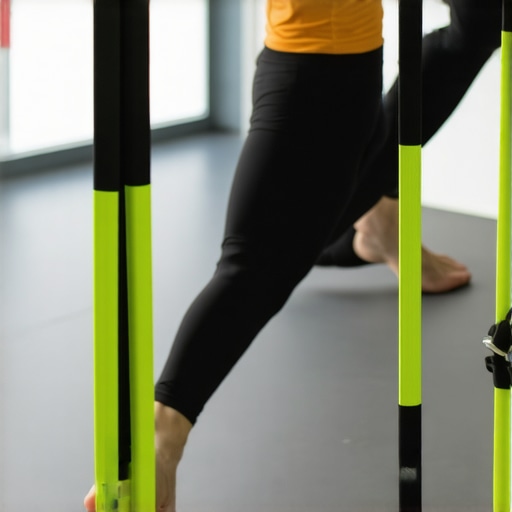
Remember, consistent practice transforms mobility. For additional tips on preventing back pain through movement, explore strategies for boosting your back mobility effectively.
Many believe that back, neck, and sciatic pain stem solely from muscular or disc issues, but this common myth can hinder effective recovery. In my experience working with clients, I’ve found that attention often misses the subtle yet critical factors like movement patterns and postural habits that silently sabotage progress. For instance, many assume stretching alone will resolve persistent pain, yet neglecting to re-evaluate functional movement strategies can lead to recurring issues. One crucial mistake is overlooking how compensatory patterns develop over time, leading to misaligned reinforcement of bad habits, which ultimately intensifies discomfort.
A frequently overlooked aspect is the significance of neuromuscular control in pain prevention. A study in the Journal of Bodywork and Movement Therapies underscores that proprioception—and the ability to maintain joint stability during movement—is vital for pain-free living. Many patients focus on isolated strengthening exercises without integrating movement strategies that enhance joint control, leaving them vulnerable to re-injury. This oversight often traps individuals in a cycle of temporary relief, only for pain to resurface because the root issue was never addressed.
Beware the trap of thinking that more aggressive stretching or strengthening always equals better results. Sometimes, overdoing mobility work can exacerbate instability if not paired with proper motor control training. For example, aggressive stretching of hamstrings without strengthening the core and hips can increase lumbar instability, aggravating back pain. The key is a balanced approach—integrating mobility, stability, and control exercises tailored to the individual’s unique biomechanics.
Intertwined with this is the misconception that pain is solely mechanical. In reality, neurological factors, stress, and subconscious tension significantly influence pain perception. Chronic stress can alter muscle tone and heighten pain sensitivity, making relaxation techniques crucial for holistic management. Addressing this nuance can be life-changing; consider therapies like breathwork or mindfulness to complement physical interventions.
For those seeking to elevate their approach, it’s worth exploring deeper biomechanical assessments that identify hidden compensations. Techniques such as movement screening, nerve gliding, and proprioception drills can uncover maladaptive patterns previously unnoticed. This advanced focus on the neuromuscular system offers promising results, especially when combined with lifestyle modifications.
If you’re committed to transforming your pain management strategy, check out our comprehensive guide on [overcoming sciatica and improving mobility](https://bodyrenewtherapy.com/overcoming-sciatica-top-lifestyle-changes-for-better-quality-of-life) to gain insights into crucial nuances often missed in traditional routines. Remember, recognizing the complex interplay of biomechanics, neurology, and psychology is essential for sustainable relief. Have you ever fallen into this trap? Let me know in the comments.Maintaining your spinal health over time requires more than just occasional stretches—it hinges on utilizing the right tools and adopting consistent maintenance routines. One indispensable device I personally rely on is the foam roller. Not only does it facilitate myofascial release, but it also helps prevent muscle tightness that can lead to persistent pain. I prefer a dense, high-quality foam roller because it offers better control and durability, ensuring I can target specific areas like the calves and lower back effectively. Regular rolling sessions, even just 5 minutes daily, keep my tissues supple and reduce the risk of injuries.
Another tool I recommend is the proprioception balance pad. It’s fantastic for enhancing ankle stability and overall neuromuscular control. I incorporate balance exercises on this pad into my routine every week; it challenges my stability and reinforces my foundational support, which is crucial for preventing back issues. The key is consistency—doing simple balance drills three times a week has noticeably improved my posture and reduced flare-ups.
For digital maintenance, I use posture monitoring software that integrates with my devices. These programs provide real-time feedback on my sitting habits, alerting me when I slouch or lean forward excessively. I’ve found that maintaining awareness through these tools helps reinforce good ergonomics, essential for long-term neck and back health. In the future, I predict wearable technology will become even more sophisticated, offering seamless biofeedback that personalizes movement and posture corrections.
How do I keep my mobility routines effective over time? The secret lies in periodic assessments. I schedule quarterly check-ins to evaluate my progress and adjust my exercises as needed. This might include revisiting mobility drills or upgrading my equipment, ensuring I don’t fall into complacency. Remember, what works today might need tweaking tomorrow to match your evolving body.
To truly sustain your back health, consider integrating dynamic mobility tools like resistance bands. I often perform resistance-based ankle dorsiflexion exercises to strengthen stabilizers and support my entire kinetic chain. According to a study by the American Physical Therapy Association, such targeted resistance work significantly improves joint stability, which directly impacts spinal health.
Don’t hesitate to try this advanced tip: incorporate progressive resistance training for your ankle mobility to strengthen the foundation you stand on every day. Consistency and proper maintenance are your allies in creating a resilient, pain-free back. For deeper insights into moving smarter, check out our guide on [mobility mastery](https://bodyrenewtherapy.com/mobility-mastery-daily-tips-to-keep-your-spine-and-joints-healthy). Remember, investing in quality tools and thoughtful maintenance doesn’t just preserve your mobility—it can reclaim your quality of life.
Throughout my journey in understanding and managing back and neck pain, I’ve realized that some lessons are surprisingly tough but invaluable. One of the most profound insights was how overlooked small adjustments can lead to transformative results. For instance, I once believed that intense stretches alone could resolve my persistent discomfort—but it turned out that addressing foundational stability, like ankle mobility, was the game-changer. This taught me that sustainable healing comes from paying attention to the often-neglected parts of our movement chain.
Another lesson that stood out is how myths about pain can hinder progress. I used to think that more aggressive therapies were always better, only to learn that too much of a good thing—like excessive stretching—could actually destabilize my joints. Real progress came when I embraced a balanced approach, combining mobility, strength, and neuromuscular control. This holistic view opened my eyes to the complexity of pain and the importance of personalized routines.
Finally, I discovered that mental and emotional factors are powerful allies—or enemies—in recovery. Stress and subconscious tension can keep muscles tight and amplify pain signals. Incorporating relaxation and mindfulness alongside physical exercises has been pivotal. Sharing these lessons hopes to inspire you to look beyond the obvious and embrace a comprehensive, smarter path toward back and neck health.
Gear That Made a Difference in My Journey
- Foam Rollers: My go-to for releasing tight fascia, especially around calves and lower back. I prefer high-density rollers for targeted relief, which helped improve my mobility and reduce discomfort.
- Balance and Stability Tools: A balance pad became an essential part of my routine, challenging my ankle stability and neuromuscular control. Regular use enhanced overall posture and decreased my back strain.
- Posture Monitoring Devices: Tech like posture apps and ergonomic feedback tools kept me aware of my habits. They provided real-time insights that helped me make consistent improvements in my daily ergonomics.
- Resistance Bands: Critical for strengthening stabilizer muscles around the ankles, hips, and core, resistance bands added a layer of progressive challenge that finally solidified my gains.
Your Next Step Toward Better Movement
Remember, real change starts with taking action today. Small, consistent efforts—like incorporating ankle mobility drills or mindful posture checks—can dramatically improve your back and neck well-being over time. Don’t wait for pain to become unmanageable; start nurturing your foundation now. If you’re eager to explore more strategies, check out our comprehensive guide on overcoming sciatica and recovering mobility. Your journey to pain-free living begins with that first brave step—are you ready to take it?