
The Bruegger’s Relief Pose for Better Breathing and Less Pain

Have you ever been caught in a moment where your neck stiffness or back pain just wouldn’t let go? Maybe it was during a busy day at work, after a long drive, or even while trying to relax at home. I remember those frustrating mornings when I woke up with that familiar tightness, feeling like I was fighting my own body just to get moving. It’s a terrible feeling that sneaks up on you—disrupting your day and stealing your energy.
Why I Started Searching for Better Breath and Less Pain
One day, after another sleepless night filled with neck discomfort and shallow breathing, I realized I needed a change. My usual stretches weren’t cutting it anymore, and I was tired of relying on painkillers or expensive therapies that only offered temporary relief. I knew I had to find a natural, sustainable way to improve my breathing and reduce pain. That’s when I stumbled upon the Bruegger’s Relief Pose—and it truly changed my daily experience.
Will This Pose Really Make a Difference? My Early Mistake
I admit, at first, I was skeptical. I had made the mistake of simply doing the pose without understanding why it worked or how to do it correctly. I rushed into it, thinking it was just another stretch. But I soon realized that proper form and consistency were key. I learned that this simple technique could open up my chest, relax my neck muscles, and improve my breathing—drastically reducing my pain levels. Trust me, a small change in how I approached it made all the difference.
Now, I want to share this discovery with you, especially if you’re tired of the cycle of tension, restricted breathing, and discomfort. In the following sections, I’ll guide you through the benefits of this pose and how to incorporate it into your daily routine for long-lasting relief. If you’ve been suffering from chronic neck or back pain, or simply want to breathe more freely, stay with me—you might just find your new favorite movement for better health.
Wake Up and Reset Your Posture First Thing
Start your day with a simple posture check. Stand in front of a mirror, and gently tilt your chin down slightly to avoid forward head posture, which is like carrying a weight on your neck daily. Imagine balancing a book on your head; this visual cue helps cultivate upright alignment. Applying this habit consistently can prevent tension buildup throughout the day.
Incorporate Targeted Breathing Exercises
Practicing deep diaphragmatic breathing expands your chest and relaxes tight neck muscles. Lie down or sit comfortably, place one hand on your belly, and inhale deeply through your nose, feeling your abdomen rise. Exhale slowly through your mouth, releasing tension. This technique promotes oxygen flow, reducing muscle spasms linked to poor posture or stress.
Use Gentle Self-Myofascial Release Techniques
Employ a tennis ball or foam roller on tender areas like the upper trapezius or pelvic muscles. For instance, place the tennis ball between your shoulder blade and the wall, then gently roll over tight spots. This releases fascia adhesions, improving mobility. Regular self-massage prevents knots that perpetuate pain patterns and restores muscle balance.
Example of Applying Self-Myofascial Release
I once used a tennis ball on my upper back after a long day at the computer. Initially, it was uncomfortable—like pressing into a knot of wire. But after a few minutes, the tightness started to ease, and my shoulders felt lighter. Consistent use derailed my chronic tension, allowing freer movement and less pain.
Practice Dynamic Neck and Spine Stretches
Implement controlled, gentle movements to mobilize your neck and spine. For example, slowly turn your head side to side, as if saying ‘no,’ keeping movements smooth. Incorporate the ‘Cat-Cow’ stretch for your spine by on all fours, arching and rounding your back. These exercises increase circulation, improve flexibility, and prevent stiffness from prolonged sitting.
Optimize Your Work Environment
Ensure your workspace promotes good posture. Adjust your monitor so the top is at eye level, reducing downward or upward neck strain. Use an ergonomic chair that supports your pelvis and lumbar curve. When working, take short breaks every 30 minutes to stretch and change position. Small adjustments here can prevent repetitive strain injuries over time.
Strategic Strengthening for Long-Term Relief
Focus on strengthening your core and back muscles. Exercises like bird-dogs or planks engage deep stabilizers that support proper posture and reduce load on neck and spine. I tried incorporating a 5-minute morning core routine, which over weeks strengthened my posture, diminishing my chronic discomfort significantly.
Recognize When Professional Help Is Necessary
If persistent pain or nerve symptoms like tingling or numbness occur, consult specialists. Proper diagnosis can reveal underlying issues—like herniated discs or nerve impingements—that require targeted interventions. Don’t wait to seek advice if your self-care routines don’t yield lasting relief.
Integrating these steps into your daily routine can profoundly impact neck and back health, shifting from reactive pain management to proactive mobility maintenance. For more tailored solutions, consider exploring techniques outlined at this resource or reaching out for professional guidance through their contact page.
 Many believe that stretching more intensely or frequently is the key to solving chronic neck, back, or sciatic pain. However, this common misconception overlooks critical nuances. For example, it’s a frequent trap to focus solely on flexibility, assuming that tighter muscles are always the root cause. In reality, mobility issues often stem from neural factors, like nerve impingements or myofascial restrictions, which require targeted neurodynamics or fascia release techniques. Overstretching these areas can even exacerbate pain, leading to the myth that all pain is due to muscle tightness. Experts like Dr. Stuart McGill emphasize that proper movement patterns and neural mobilizations are essential for long-term relief, rather than just increasing stretch duration or intensity.
Beware of the “more is better” mentality; sometimes, pushing a joint beyond its safe range without understanding underlying mechanics worsens the problem. This is especially true with sciatic nerve issues, where nerve gliding techniques or specific physical therapy interventions work better than generic stretching routines. For advanced relief, consider integrating strategies discussed at this page on posture and back pain or exploring neurodynamic exercises. Remember, addressing the root cause involves not just mobilizing tissues but re-establishing neural and fascial health.
Are Mobility Restrictions Neural or Structural? Here’s How to Tell
Many practitioners overlook the difference between structural limitations, like joint degeneration, and neural restrictions caused by nerve tension or inflammation. Neural restrictions often present as shooting or burning sensations, and they tend to change with movement or position. Structural issues, on the other hand, are often static and worsen with activity or over time. A detailed assessment involves specific tests, such as nerve tension tests, which can be learned through guided professional evaluation. Recognizing this distinction prevents ineffective treatments and guides you toward more precise interventions like nerve glides for sciatic symptoms or fascia mobilization for chronic stiffness. This approach is supported by research from the Journal of Orthopaedic & Sports Physical Therapy, highlighting neural mobilization as a vital component in managing persistent pain conditions.
Have you ever fallen into this trap? Let me know in the comments. Incorporate nuanced understanding and targeted techniques into your routine, and you might find that relief is closer than you think.
Maintaining mobility and managing pain over the long term requires more than just sporadic exercises; it involves using the right tools and strategies consistently. Personally, I rely on a combination of targeted equipment and proven methods to keep my neck, back, and sciatic relief sustainable. One essential item I swear by is a high-density foam roller. Unlike softer rollers, a dense foam roller allows me to effectively target tight fascia and muscle adhesions, especially around my lumbar and pelvic regions. I focus on rolling slowly over trouble spots for about 2-3 minutes, which helps prevent knots from forming and maintains flexibility.
In addition to physical tools, I incorporate specific software routines that remind me to stretch and correct posture during long work sessions. For example, using posture-crompting apps that provide real-time feedback ensures I stay alert to alignment issues, especially when working at a desk for hours. These digital tools serve as proactive maintenance, preventing minor misalignments from turning into chronic issues.
My daily routine also benefits from investing in ergonomic accessories. An adjustable standing desk allows me to alternate between sitting and standing, reducing the load on my neck and lower back. I also use a supportive lumbar cushion and an ergonomic keyboard, which together promote healthier posture habitually. This approach aligns with what experts recommend in ergonomic strategies for everyday comfort, emphasizing preventative care as the foundation of long-term mobility.
In the future, I predict a growing integration of wearable technology that continuously monitors biomechanical metrics. Imagine smart garments or sensors that alert you when your posture deviates or muscles tense beyond normal levels, enabling instant corrections—making maintenance almost effortless. Embracing these innovations today can significantly extend the benefits of your mobility routines.
How do I keep my progress sustainable over the years?
The key lies in consistency and early intervention. Regularly scheduled self-assessments, like the simple 10-second check I perform during daily activities, help me catch deviations before they develop into pain. Incorporating lightweight tools, such as a massage ball or resistance bands, into my weekly regimen grants me flexibility and strength, reinforcing long-term resilience. These proactive maintenance tools not only save me from future discomfort but also ensure that my mobility gains are enduring.
For those ready to dive deeper, consider exploring advanced techniques like fascia mobilization or nerve gliding exercises, as detailed at this resource. And if you’re serious about personalized support or need expert advice on integrating these tools into your routine, reach out through their contact page.
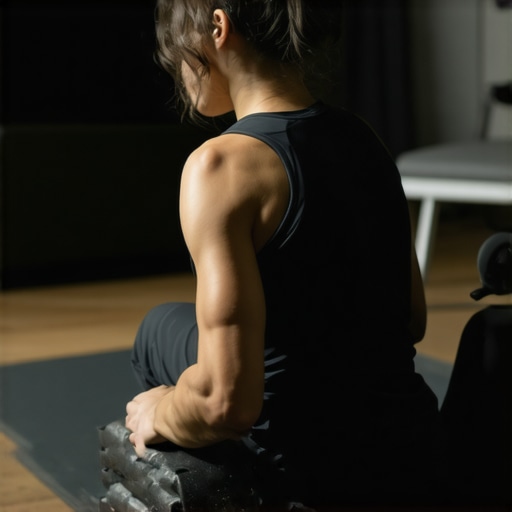
Visualize proper foam rolling technique targeting the lumbar fascia, demonstrating effective self-maintenance for long-term relief.
Throughout this healing process, I uncovered that true mobility isn’t just about stretching or strengthening—it’s about understanding your body’s unique signals and addressing the root causes with intentional care. One profound lesson was realizing that pushing through pain, even with good intentions, can sometimes reinforce harmful patterns instead of fixing them. Patience and awareness became my trusted allies, reminding me that sustainable progress requires gentle persistence and listening deeply to my body’s responses.
Another insight I gained was that consistency outperforms intensity. Incorporating small, manageable habits—like daily posture checks or brief fascia releases—created a ripple effect, gradually restoring my mobility and reducing discomfort. It’s a reminder that even when progress feels slow, your committed efforts compound over time, leading to genuine change.
Lastly, I learned the importance of empowering myself with knowledge. Understanding the science behind neural restrictions versus structural issues transformed my approach from trial-and-error to strategic action. Sharing this awareness can save you from unnecessary setbacks and guide you toward effective, personalized interventions that truly make a difference.