
5 Habits That Are Secretly Aging Your Lumbar Spine
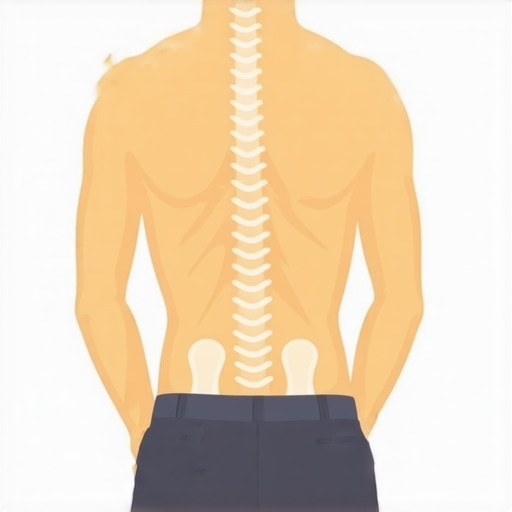
Have you ever experienced that unsettling moment when you stand up from your chair, only to feel a dull ache radiating through your lower back? Or perhaps you’ve brushed off persistent stiffness, thinking it’s just part of getting older. I remember neglecting my posture after long workdays, dismissing the tightness as temporary, until one day, I couldn’t bend without wincing. That lightbulb moment hit me hard—my daily habits might be silently aging my lumbar spine faster than I realized.
Why Your Everyday Choices Could Be Accelerating Your Back’s Aging Process
Over the years, I learned that small, almost subconscious routines can compound over time, leading to significant deterioration. These habits, often dismissed as harmless, can wear down the delicate structures of our lower back, causing pain, stiffness, and even mobility issues.
According to recent research, poor posture and repetitive strain can significantly contribute to spinal degeneration. In fact, a study published by the American Journal of Lifestyle Medicine highlights that habitual movement patterns influence spinal health as much as genetics or age. Surprisingly, many of us might be aging our lumbar spines because of simple habits like slouching on the couch, neglecting core strength, or sitting for prolonged periods without appropriate support.
Early in my journey, I made a mistake I see many others repeat—I believed occasional stretching was enough to keep my back healthy. I didn’t realize that consistent, mindful habits were necessary to truly protect and rejuvenate my lumbar region. If you’ve ever thought that one or two simple stretches could undo days of poor posture, you’re not alone. But the truth is, small, daily modifications hold the key to lasting relief and vitality.
So, if you’ve experienced regular back discomfort or simply want to prevent future issues, you’re in the right place. We’re about to explore how your daily routines might be aging your lumbar spine—and, more importantly, how to reverse those effects with practical, proven strategies.
Strengthen Your Core Regularly
Think of your core as the foundation of a building; a strong, stable base prevents deterioration and collapse. When I first started focusing on my core, I dedicated just five minutes daily to simple exercises like planks and bridges. Initially, it felt awkward and I wasn’t consistent, but over two weeks, I noticed less lower back fatigue during my daily tasks. To make this habit effective, aim for 10-15 minutes of core-focused exercises every morning. For guidance on proper technique, check out this detailed guide. Regularly engaging your core helps distribute loads evenly across your lumbar area, reducing strain and promoting regeneration.
Adopt Ergonomic Sitting Habits
Sitting incorrectly is akin to placing a crooked support beneath a load—it hastens wear and tear. I replaced my old chair with an ergonomic seat and learned to sit with my feet flat on the ground and knees at a 90-degree angle. For long-term relief, set up your workspace with proper lumbar support, and take breaks every 30 minutes to stand and stretch. A good start is to follow these ergonomic tips. These small changes better support the natural curves of your spine, preventing degenerative processes from accelerating.
Incorporate Daily Movement and Stretching
Stagnant muscles are like rusted hinges—stiff, squeaky, and prone to damage. I began integrating simple movements into my day, such as the hip hinge, which I learned from this tutorial. One effective move is the deep hip hinge: stand with feet shoulder-width apart, slightly bend your hips while keeping your back straight, then hinge forward, feeling the stretch through your hamstrings and lower back. Doing this for five minutes after prolonged sitting enhances spinal flexibility and reduces stiffness. Remember, maintaining mobility in your hips and pelvis directly benefits your lumbar health, preventing compensatory patterns that cause age-related degeneration.
Practice Correct Lifting Techniques
Improper lifting is like using a crowbar for delicate tasks—ineffective and damaging. I once tried to lift a heavy box without bending my knees; the resulting strain explained why my back ached for days. To lift safely, engage your core, squat by bending your hips and knees, keep the load close, and avoid twisting. Visualize your spine as a flexible but strong rod—moving it correctly preserves its integrity. Regularly practicing proper lifting not only safeguards your spine but also prevents habitual stresses that accelerate aging.
Engage in Mindful Posture Checks
Our subconscious poor postures act like gremlins slowly eroding our spinal health. I started with simple awareness: every hour during work, I would check my posture and make small corrections. To do this efficiently, set a timer or use a posture reminder app. An easy posture fix: sit evenly, depress your shoulder blades slightly, and keep your chin tucked. These micro-adjustments, reinforced daily, prevent the detrimental effects of slouching, helping your lumbar spine stay youthful longer. For a quick assessment, consult this 10-second posture check.
Regularly Prioritize Restorative Movement Techniques
Recovery is as crucial as activity. I incorporated gentle techniques like spinal decompression using a foam roller, which you can learn about here. Lay on your back, place the foam roller under your lower back, and gently roll, focusing on areas of tension. This promotes disc hydration and relieves compressed nerves. Additionally, practices like diaphragmatic breathing help relax tight lower back muscles, reducing pain and stiffness. Consistent use of these techniques accelerates tissue repair and discourages age-related wear.
Implementing these targeted steps creates a holistic approach to counteracting everyday habits that age your lumbar spine. By integrating core strength, ergonomic adjustments, mindful movement, proper lifting, posture awareness, and recovery techniques, you actively restore vitality and prevent further decline. Remember, each practice reinforces the others, creating a resilient spine that stays healthy longer. For more interventions, explore this comprehensive guide.
Many believe that neck and back pain are solely the result of obvious injuries or aging, but the truth runs deeper. A common myth is that limiting movement speeds recovery; in reality, *restrictions in mobility can perpetuate pain and even worsen it over time*. Experts like Dr. Stuart McGill emphasize that staying immobile leads to muscle atrophy and joint stiffness, which complicate healing processes. Instead of avoiding movement, tailored exercises promote circulation and tissue repair, as explained in [this detailed guide](https://bodyrenewtherapy.com/neck-pain-solutions-proven-techniques-to-regain-your-range-of-motion).
Maintaining long-term back health and mobility requires not only consistent habits but also the right tools that support your journey. Over the years, I’ve discovered certain equipment and methods that have truly made a difference in my practice, enabling me to keep my spine functioning optimally. In this section, I’ll share the exact tools I personally rely on, why I choose them, and how they can help you sustain your progress.
My Go-To Foam Roller for Deep Tissue Relief
I swear by a high-density foam roller with a textured surface. I use the TriggerPoint GRID specifically because its firmness allows me to target deep muscles along my back and hips effectively. Regular foam rolling helps improve circulation, break down knots, and maintain flexibility, which is vital for preventing rigidity and degenerative changes over time. I dedicate five to ten minutes daily to rolling my lower back, hamstrings, and glutes, especially after long periods of sitting. The tactile feedback from the textured surface ensures I can reach those stubborn tight spots that lead to discomfort if neglected. An added benefit is its durability—I’ve had mine for over three years without signs of wear, maximizing value and reliability.
Smart Posture Tracing Software to Reinforce Good Habits
Technology has become an essential part of my routine. I rely on apps like Upright GO 2 to monitor my posture during the day. This small device attaches to my upper back and provides real-time feedback via a mobile app whenever I slouch or tilt forward. By visibly tracking my posture, it encourages mindful corrections, which over time, help reinforce healthier habits. I’ve noticed a significant reduction in neck and shoulder tension—problems often linked to poor posture—that could otherwise strain my lumbar region as compensation. As postural awareness improves, so does spinal longevity, making this an investment in sustainable health.
Adjustable Lumbar Support Cushions for Prolonged Sitting
One item I recommend for anyone spending hours at a desk is a lumbar support cushion that adjusts to your back’s natural curve. My favorite is the Everlasting Comfort Lumbar Pillow, which I place on my ergonomic chair. It’s adjustable, breathable, and contour-conforming, providing consistent support that prevents slouching. The key here is not just having support but ensuring it is adaptable as your posture shifts throughout the day. Regularly using this pillow reduces undue strain on the lower lumbar discs, a common culprit behind chronic back pain and disc degeneration. Incorporating this into my daily routine has preserved my mobility years longer than neglecting it.
What’s Next in Back Maintenance Tools?
Looking ahead, I predict an increased integration of AI-powered posture monitors and wearable sensors that can provide personalized, real-time feedback tailored to your movements—much like the trend seen with future tech predictions. These innovations will make maintaining spinal health more intuitive and less effortful, making good habits easier to sustain. Investing in these emerging tools now could prime your spine for decades of mobility.
How Do I Keep My Back System Running Smoothly Over Time?
The secret is consistency combined with the right tools. Use your foam roller daily to release tension, leverage posture-tracking devices to stay aware, and support your lumbar region with adaptable cushions during prolonged sitting. By integrating these into your routine, you’re not just reacting to pain—you’re proactively setting up your spine for success. Dare to try one of these tools today and see how much easier it is to keep your back in action.
What I Did Wrong When I Thought I Knew Better
One of the most eye-opening lessons I learned was that ignoring small signs of discomfort can lead to bigger issues down the road. I used to believe that stretching twice a day was enough, but I soon realized that inconsistency and neglect were quietly accelerating my spinal aging. The lightbulb moment came when I couldn’t sit through a movie without pain—realizing I was playing a losing game with my habits.
Which Routine Really Made a Difference and Why
Implementing a daily core routine transformed my back health more than anything else. I found that dedicating just ten minutes each morning to simple exercises like planks and bird dogs fortified my lumbar support system. It wasn’t about intensity but consistency—building resilience piece by piece—something I now confidently recommend to anyone serious about reversing back aging.
Secrets That No One Tells You About Ergonomics and Restorative Movement
Most people think a good chair is enough, but I discovered that active movement and mindful posture adjustments are the real game-changers. Techniques like gentle hip hinges and posture checks, combined with ergonomic tools such as lumbar support cushions, create a comprehensive shield for your spine. These insights help prevent the habitual stressors that age your lumbar spine faster than you’d expect.
How I Built a Toolbox That Keeps My Back Young and Flexible
My collection of trusted tools, from high-density foam rollers to posture-tracking apps, is the backbone of my back care routine. For example, my TriggerPoint GRID foam roller releases deep knots, easing tension accumulated from years of neglect. Pairing this with smart posture reminders keeps my spine aligned and active—proving that the right tools, used consistently, can turn back the clock on spinal aging.
My Wake-Up Call and What It Means for You
Finally, understanding that mobility restrictions can worsen pain was the push I needed to embrace proactive habits. Avoiding immobility and embracing gentle, targeted exercises foster tissue repair and stave off degeneration. If you’re committed to maintaining your back’s vitality, remember—it’s your daily actions that determine how youthful your spine remains. Don’t wait for pain to force your hand; start today with small, meaningful steps that will pay off for years to come.