
How to Adjust Your Bike to End Saddle-Related Back Pain
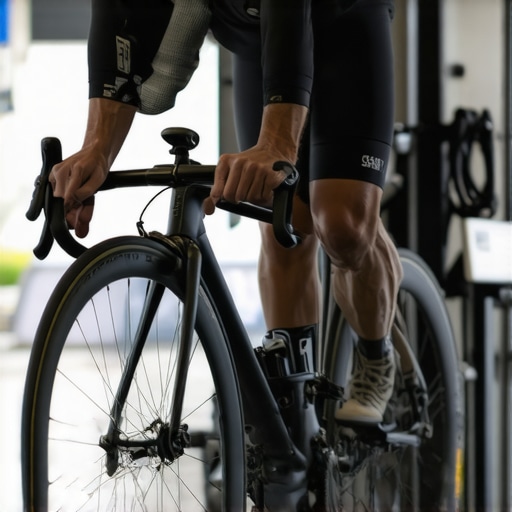
I remember the first time I finished a long ride and was hit with that dull, nagging backache. It was such a familiar sensation—one I’d tried to ignore for years. But after a particularly grueling weekend adventure, I finally had that lightbulb moment: my bike setup was silently sabotaging my spine. If you’ve ever experienced this, you’re not alone. Many cyclists accept saddle discomfort and back pain as part of the ride, not realizing that a few simple adjustments could bring lasting relief.
Why Your Bike Position Could Be Causing Back Pain
In my early days of cycling, I believed that increasing mileage or pushing through discomfort was normal. That was a mistake. I didn’t realize that even minor misalignments in saddle height, fore-aft position, or handlebar reach could put undue strain on my lower back. According to a study published in the Journal of Sports Sciences, improper bike fit is one of the leading causes of saddle-related back pain among cyclists (source: Understanding the link between poor posture and chronic back pain).
One early mistake I made was using a cookie-cutter bike setup, ignoring my unique body mechanics. What works for one rider might not work for another. That realization prompted me to learn how small tweaks could make a huge difference in comfort and health.
So, if you’re tired of ending your rides with a stiff, aching back, stick around. We’re going to explore practical, tested adjustments to your bike that can help you ride pain-free. Once you get your setup right, you’ll notice improvements not just in comfort but also in your overall riding performance. Ready to transform your cycling experience? Let’s dive into the steps that will set you on the path to a pain-free ride.
Set Your Saddle Height Correctly
Start by ensuring your saddle height allows a slight bend in your knee when, at the bottom of the pedal stroke, your leg is almost fully extended but not locked. I once spent an entire ride with a too-low saddle, which strained my lower back and made climbing hills exhausting. Raising the saddle gradually and testing the comfort can make a significant difference.
Fine-Tune the Fore-Aft Position
Position the saddle so that when your pedals are at the 3 o’clock position, your forward knee is over the pedal axle. This alignment distributes your weight evenly, reducing pressure on your hips and lower back. For me, shifting my saddle just a few millimeters forward relieved persistent sciatica-like discomfort I thought was inevitable.
Adjust Handlebar Reach
The handlebars should be within comfortable reach, allowing a slight bend in your elbows without hunching your shoulders. Imagine your arms as the connecting bridge—too long or too short creates tension, much like a poorly tensioned suspension bridge. I used a mirror to observe my posture and adjusted the bike until I resembled a relaxed yet engaged rider, helping to eliminate neck tension.
Check Your Drop and Tilt
Ensure that the saddle is level and that the handlebars aren’t excessively tilted up or down. A tilted saddle can cause you to slide forward or back, affecting spinal alignment. I recall tilting my handlebar slightly downward to achieve a more upright posture, which notably decreased cervical and upper back strain. For detailed guidance, visit this resource.
Incorporate Mobility Drills Before Rides
Before hopping on, do quick mobility exercises like hip openers and back stretches. These prepare your joints and muscles, making your adjustments more effective and reducing injury risk. The first time I added a five-minute hips routine, I noticed diminished lower back stiffness post-ride. For mobility tips, see this article.
Use Visual Aids for Verification
Set up a mirror or record yourself riding to observe your posture. Aim for a neutral spine, relaxed shoulders, and a steady head position. I used my phone to film and caught myself leaning too far forward occasionally, which I corrected by adjusting my handlebar height. Visual feedback proves invaluable in achieving optimal ergonomics, preventing ongoing pain.
Iterate and Adjust
Bike fit isn’t a one-and-done. After each ride, note discomfort or tension, then fine-tune your setup accordingly. Small tweaks—sometimes just a millimeter—can significantly alleviate back and neck strain. Trials and errors in my process led me to a personalized setup that kept me comfortable on long rides, helping avoid the treadmill of persistent pain. Remember, for persistent neck or back issues, consult this resource.
Many people assume that stretching and mobility exercises are a cure-all for neck, back, and sciatica pain, but often miss the subtler issues at play. The truth is, comprehensive understanding of these pains requires digging beneath the surface. A common misconception is that static stretching alone can resolve chronic issues. While stretching is beneficial, over-reliance on it without addressing underlying posture and movement patterns can lead to frustration and persistent discomfort. According to a study published in the Journal of Bodywork and Movement Therapies, targeted mobility work that considers joint sequencing and muscle balance yields significantly better long-term results than generic stretching routines (source).
Invest in Precise Tools for Lasting Results
Maintaining your spinal health extends beyond initial adjustments; it requires reliable tools that support consistent progress. I personally rely on a high-quality foam roller because it not only helps release deep muscle tension but also enhances my mobility routines. Unlike cheaper variants, my favorite foam roller has a textured surface that simulates a massage, allowing me to target tight fascia around my hips and lower back effectively. Regular use has noticeably reduced my occurrence of sciatica flare-ups, showcasing its value in long-term maintenance.
Embrace Technology for Better Posture Tracking
Modern posture correction apps, such as Upright or Lumo Lift, provide immediate feedback on your alignment during daily activities. I integrated a smart posture device into my routine, which vibrates gently whenever I slouch at my desk. This real-time cue helped me develop subconscious habits for maintaining proper alignment, crucial for preventing neck and back strain. Over time, this device has significantly improved my posture awareness, leading to fewer discomfort episodes.
Prioritize Mobility Supplements and Specific Exercises
Supplements like magnesium or collagen can support tissue repair and joint health, but they work best when combined with targeted mobility exercises. I recommend incorporating daily routines such as hip openers or thoracic rotations, which I learned from expert physiotherapists. For example, the
Embarking on this journey taught me that the secret to pain-free cycling isn’t just in the miles you ride but in the mindfulness of your setup and habits. The lessons I’ve uncovered go beyond generic advice, revealing nuanced insights that transform the way I approach every ride.
The Hardest Lesson I Learned About Mobility and Back Pain
I once believed that stretching was the magic bullet for all aches, but I discovered that static routines can fall short if they don’t address underlying postural imbalances. Deep mobility work, especially around my hips and thoracic spine, proved critical in preventing recurring discomfort.
3 Myths About Bicycle Fit That Held Me Back
I used to think that a perfectly level saddle meant optimal comfort, yet I found that slight tilts and fore-aft adjustments tailored to my body made the biggest difference. Additionally, the myth that handlebar height should always be as low as possible actually increased my neck strain—small adjustments revealed a much healthier posture.
What Experts Won’t Tell You About Long-Term Comfort
Many overlook the importance of consistent mobility routines and the right tools. Incorporating a foam roller for my hips and lumbar muscles and leveraging posture apps has been a game-changer, making habit-forming easier and more effective in maintaining health over time.
My Essential Gear for Sustainable Cycling Health
Investing in quality tools like a textured foam roller and reputable posture tracking apps has empowered me to take control of my comfort. These resources, complemented by targeted exercises, have become my allies in riding without pain.
It’s Your Turn to Transform Your Ride
Remember, personalized adjustments and mindful mobility are the heartbeats of a pain-free cycling experience. Your journey begins now—embrace small tweaks, stay curious, and listen to your body to unlock the full joy of riding.
Have you ever found a simple adjustment that made a big difference in your cycling comfort? Share your experience below—I’d love to hear what worked for you!
,