
The Connection Between Dehydration and Spinal Disc Pain
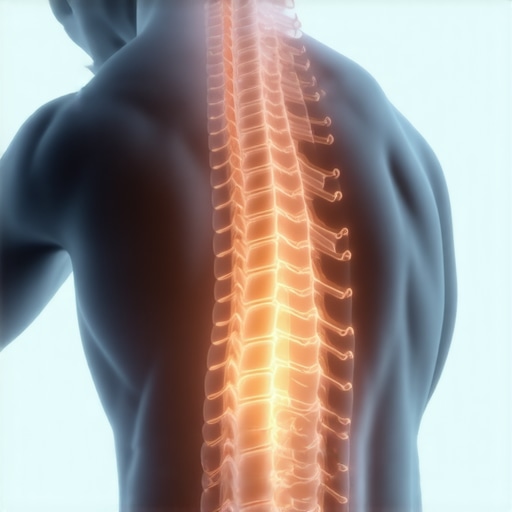
I remember the moment vividly—struggling to get out of bed, my lower back aching like I had been shot. After trying every stretch and gadget on the market, I hit a wall. That’s when I had a lightbulb moment: dehydration might be secretly sabotaging my spine health. It seemed so simple, yet I had overlooked it entirely. Today, I want to share how something as basic as drinking enough water transformed my back pain and how it can do the same for you.
The Hidden Link Between Hydration and Spinal Disc Health
Our spinal discs are like jelly cushions between the bones of our spine. They rely heavily on proper hydration to maintain their structure and function. When dehydrated, these discs become less elastic, more prone to wear-and-tear, and more likely to cause pain. Interestingly, studies have shown that dehydration can lead to increased disc degeneration, which accelerates back discomfort over time (source).
Early in my own journey, I ignored this connection. I thought pain was just part of aging or a bad posture. One day, after a particularly sore week, I doubled down on my water intake, and the difference was staggering. The pain lessened, my mobility improved, and I felt more energetic. The culprit? Dehydration was subtly weakening my spinal discs, making them less resilient.
This realization made me more conscious about my daily habits. Drinking water isn’t a cure-all, but it’s a crucial foundation. Without adequate hydration, even the best exercises and stretches won’t fully support your spine’s health. So, if you’re nodding along, wondering if dehydration could be impacting your back, you’re not alone. Many people overlook how simple hydration is, yet it’s often the missing piece of their pain management puzzle.
Now, I want to guide you through understanding what dehydration does to your spine and how you can optimize your hydration habits for lasting relief. But first, let me address a common skepticism.
Does Drinking More Water Really Help My Back Pain?
I admit, I was skeptical too at first. It seemed too straightforward. Early on, I made the mistake of thinking I just needed to stretch more or see a chiropractor, but neglecting hydration left my efforts half-hearted. If you’re like I was, questioning whether this tiny change can make a difference, consider this: your spinal discs are mostly water, and dehydration weakens them. Prioritizing water intake is a small step with a big impact because it targets the root of the problem. Want to learn practical ways to stay hydrated and support your spine? Visit our ergonomic tips page for easy tricks to boost your everyday comfort.
Start Your Day with a Hydration Routine
When I first decided to double my water intake, I set a simple goal: drink a glass of water immediately upon waking. I used a large, visible bottle to track progress. During the first week, I found myself sluggish and remembering to hydrate only sporadically, leading to inconsistent results. Then, I adopted a system: placing a glass of water on my nightstand and setting a reminder on my phone. This micro-adjustment ensured I started the day with hydration, which significantly reduced morning stiffness.
Set Clear Hydration Goals and Reminders
Understanding how much water you need is vital. A common guideline is half your body weight in ounces daily. I used an app to track my intake, setting alarms every few hours. This method kept hydration top-of-mind, preventing dehydration during busy days. For example, on days I missed a reminder, I noticed increased tension in my neck and shoulders, illustrating how dehydration can cause muscle tightness that affects spinal posture.
Incorporate Water-Rich Foods into Your Diet
Adding fruits like watermelon and oranges or vegetables like cucumber can boost hydration without drinking more water. I included a salad with cucumbers and tomatoes for lunch, especially on hectic days. This practice helped me maintain hydration levels and improved my spinal comfort by supporting disc hydration from the inside out.
Limit Diuretics and Stimulants
Consuming excessive caffeine or alcohol can lead to dehydration. I experimented with reducing coffee to one cup in the morning and replacing afternoon caffeinated drinks with herbal teas. After a few days, I felt my back and neck muscles relax more, reducing pain and improving mobility. Think of it like watering your garden regularly—skipping water causes plants to wilt, just as your discs and muscles suffer from dehydration.
Use Proper Hydration During Exercise
When engaging in physical activities, I made it a point to hydrate before, during, and after. For instance, during my walks, I carried a water bottle and sipped consistently. This preserved disc elasticity and prevented muscle spasms that can trigger sciatic pain or stiff necks. Remember, just like a car engine needs oil, your spine needs water to run smoothly during physical exertion.
Stay Consistent Even When You Feel Fine
One of my biggest mistakes was neglecting hydration when I was pain-free. I learned that maintaining a routine prevents flare-ups. Use visual cues such as a hydration chart or sticky notes on your workspace. Over time, this consistency became second nature—my spine responded with improved flexibility and less discomfort during daily movements.
Reach Out for Personalized Guidance
If you’re unsure about your hydration needs or experiencing persistent back pain, consult a professional. Personalized advice can assess your specific situation and recommend tailored hydration strategies. Visit our contact page to find expert support and ensure your approach aligns with your mobility goals.
Myth: Rest and Immobilization Are the Best Cure
Contrary to popular belief, prolonged rest often worsens back pain and hinders mobility. Immobility leads to muscle weakening and joint stiffness, further prolonging recovery. Experts emphasize staying active within comfortable limits to promote healing (source). Over-reliance on bed rest can trap you in a cycle of pain and stiffness, so moving carefully is key to progress.
The Oops Moment: Ignoring The Role of Movement Quality
Many focus solely on strengthening muscles or stretching, but neglect the importance of proper movement patterns. Poor posture or improper technique during exercises can exacerbate issues. For instance, overtaking conventional stretches without addressing underlying movement habits can lead to strain, especially in the neck and lower back. A nuanced approach involves assessing how you move in daily activities and correcting these habits. For tailored help, consider consulting a professional who specializes in functional movement (more here).
Advanced Mistake: Treating Symptoms Without Addressing Root Causes
It’s common to treat only the symptoms—like taking painkillers or doing generic stretches—yet this often ignores underlying issues such as pelvic misalignment, muscular imbalances, or nerve impingements. For example, chronic sciatica often stems from misaligned hips or poor core stability, not just nerve compression. A comprehensive assessment can reveal these hidden factors, leading to more effective, lasting relief. Discover expert strategies for lasting comfort at our site.
Are You Falling For This Trap When Managing Neck Pain?
Another common misconception is that neck pain is solely caused by cervical spine issues. While those are significant, often poor ergonomics and unbalanced muscle use contribute heavily. Sitting in a forward-head posture for extended periods weakens neck and upper back muscles, intensifying discomfort. Regularly reviewing your workspace setup and practicing targeted relaxation techniques can prevent chronic issues. Learn more about innovative strategies for neck pain relief.
Remember, understanding these nuances—and avoiding common pitfalls—can dramatically improve your back health and mobility. It’s not just about quick fixes but adopting a comprehensive, movement-focused approach. Want personalized guidance? Reach out through our contact page and start your journey towards lasting relief today.
Maintaining your spinal health over the long term requires more than just exercises and good habits; it involves using the right tools and establishing a routine for ongoing care. One of my favorite investments has been a high-quality foam roller, specifically the TriggerPoint GRID foam roller. I personally use it daily to release muscle tightness and fascia restrictions that often contribute to sciatica and neck pain. Its textured surface allows me to target deep muscular knots in my hips, glutes, and upper back, preventing the reemergence of discomfort. For persistent issues, I integrate the Rolfing grid stick, which enables precise myofascial release, especially around my lumbar and cervical regions, ensuring my mobility stays optimal.
What I Genuinely Wish I Knew About Spinal Longevity
One of my biggest revelations was realizing that posture is just the tip of the iceberg—hidden muscular imbalances and subtle movement flaws matter just as much. I spent years focusing solely on exercises but neglecting how I moved daily, which often sabotaged my progress. Mentally, I used to compartmentalize pain as inevitable, but understanding that small habits—like how I sat or carried groceries—could cause or relieve discomfort changed everything. Also, I learned that consistent check-ins on my body’s signals were crucial; ignoring early tension led to flare-ups I couldn’t control. Lastly, I discovered that tools, like my foam roller, weren’t just accessories—they were essential allies in maintaining ongoing mobility and preventing setbacks.