
The Impact of High Heels on Your Pelvic Floor and Spine

I remember the moment perfectly. Standing in front of my mirror after a long night out, I realized my back felt like it had been run over by a truck. That burning ache, the stiffness lingering into the next day—it was more than just tired muscles. It was my body’s way of whispering, or rather shouting, that something was seriously off. And the culprit? Those towering high heels I loved so much, thinking they made me feel glamorous and confident.
Why High Heels Might Be Wreaking Havoc on Your Body
For years, I brushed off my discomfort, convincing myself that a few hours in those fancy shoes was worth it. But then, I started noticing a pattern—persistent lower back pain, sciatica episodes, and even issues with my pelvic floor. It was frustrating and confusing, especially because I believed fashion shouldn’t come at the expense of health. The truth is, high heels change our posture dramatically. They shift your weight forward, forcing your pelvis into an unnatural tilt, which can strain the lumbar spine and weaken pelvic floor muscles over time.
What made it even clearer was my mistake early on—I ignored the signs. I thought my back pain was just part of aging or exhaustion. But in reality, those stylish shoes were subtly but surely compromising my spinal integrity and pelvic stability. Recognizing this was a lightbulb moment. If you’re noticing similar issues—tight hips, back discomfort, or difficulty staying upright—your footwear choices might be a significant factor. And contrary to popular belief, small changes can lead to big improvements.
Is Wearing High Heels Actually Worth the Hype?
Many women, myself included, love the elegance and confidence that high heels give. But I learned the hard way that fashion shouldn’t compromise health. The risks are real—studies show that high heels can cause shifts in pelvic alignment and increase pressure on the lower back, leading to chronic issues if worn regularly (source: Body Renew Therapy). My early mistake was dismissing the pain as trivial. I didn’t realize that those few hours of beauty could set the stage for long-term discomfort.
Thankfully, I found solutions that made a real difference. In the upcoming sections, I’ll share practical steps—based on personal experience—to help you reclaim your comfort without sacrificing style. Whether it’s redefining your shoe choices or strengthening your core muscles, these tips are designed to keep your back and pelvis happy and healthy. Ready to change the way you walk and stand? Let’s get started.
.
Strengthen Your Core to Support Proper Alignment
Building a strong core is crucial because it acts like a natural corset, stabilizing your spine and pelvis. I started incorporating daily plank variations—holding the position for 20-30 seconds—and noticed less back strain over a week. Focus on engaging your deep abdominal muscles, not just superficial abs, by gently drawing your navel inward during exercises. This approach supports your lumbar spine, reducing the risk of pain and improving posture in everyday activities.
Improve Mobility Through Targeted Stretching
Open Your Hip Flexors
Tight hip flexors pull your pelvis into an anterior tilt, aggravating back discomfort. I dedicate five minutes daily to stretches like the kneeling hip flexor stretch, which I find particularly effective after long periods of sitting or wearing heels. Remember to activate your core as you stretch to enhance the release and prevent overcompensation elsewhere.
Release Gluteal and Piriformis Tension
Using a tennis ball on deep glute muscles helped alleviate sciatic irritation. I placed the ball beneath my glute, rolling slowly over tense spots for 1-2 minutes per side. This method eases the tightness that often results from compensating for poor posture caused by heels. Consistent self-massage promotes better mobility and reduces nerve impingement risks.
Adjust Daily Posture During Activities
Pay attention to your sitting and standing habits. My simple practice involved checking my shoulder alignment and ensuring my pelvis was in a neutral position. For example, I adjusted my car seat to support my lower back, which I learned through ergonomic tips. A neutral pelvis prevents excessive lumbar extension or flexion, which could exacerbate pain.
Incorporate Movement Breaks Throughout the Day
Sedentary habits amplify the impact of high heels. I set reminders to stand, stretch, and walk every 30 minutes. This routine re-engages spinal support muscles and prevents stiffness. Simple exercises like hip circles or gentle spinal twists can make a significant difference. Maintaining mobility reduces the likelihood of chronic pain developing from prolonged poor posture.
Choose Footwear Strategically
If you must wear heels, opt for ones with a wide base, lower height, and cushioned support. I switched to stylish flats for daily errands and reserved heels for special occasions. Using insoles designed for arch support can also distribute pressure more evenly across your foot, alleviating strain on your back and pelvis. Remember, your footwear influences your entire posture chain.
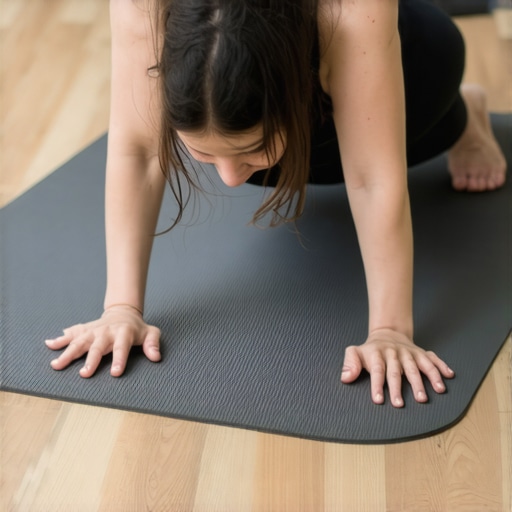
Implementing these techniques requires consistency. My experience taught me that small, deliberate adjustments—like daily stretching sessions and mindful posture checks—can cumulatively lead to lasting relief. Reframing how you treat your body during routine activities helps prevent the escalation of pain and maintains mobility in the long run. For a comprehensive approach, consider exploring additional resources like lifestyle changes or targeted mobility tips.Many believe that simply stretching or strengthening your muscles is enough to resolve complex issues like sciatica or chronic back pain. However, this oversimplification often leads to ineffective treatments or temporary relief, rather than long-term solutions. A common misconception is that pain always originates from localized tissue damage, but in reality, neural inflammation or nerve impingement can play a significant role, altering how we should approach recovery. Recognizing these nuances is crucial because ignoring the underlying neural factors may result in persistent symptoms despite consistent exercise routines. For example, studies show that nerve gliding techniques can be more effective than traditional stretches in alleviating sciatic discomfort (source: Body Renew Therapy).
Another trap many fall into involves mistaken beliefs about mobility exercises as a one-size-fits-all remedy. While improving joint range of motion is valuable, overdoing certain movements without understanding anatomical nuances can exacerbate issues. For instance, aggressive hip flexor stretching in someone with pelvic instability might worsen the imbalance, leading to more pain. Instead, targeted mobility work that considers individual biomechanics yields better results.
Advanced practitioners know that pain quality and response to movement can reveal the true pathology. For example, sharp, shooting pains that worsen with specific movements could indicate nerve involvement requiring different management strategies than dull, achy discomfort. This distinction guides more precise interventions, such as nerve gliding or addressing pelvic asymmetry.
Beware of the trap of underestimating the importance of neural health in managing back and neck pain. Sometimes, decompression techniques or addressing subtle postural imbalances can unlock significant relief. Ignoring these factors hampers progress and prolongs suffering.
So, what’s the hidden nuance many overlook? It’s the interconnectedness of neural, muscular, and structural components—focusing solely on muscles neglects the nervous system’s role in pain and mobility. To deepen your understanding, review expert insights and innovative approaches at this resource.
Have you ever fallen into this trap? Let me know in the comments.
Keeping your body in top shape, especially your spine, requires more than just exercise; it demands the right tools and consistent maintenance strategies. Over time, I’ve discovered that investing in quality equipment and adopting specific routines can significantly enhance your mobility and prevent setbacks from issues like sciatica or neck pain.
Invest in a High-Quality Foam Roller and Massage Balls
My go-to for self-myofascial release is a dense foam roller paired with sturdy tennis or lacrosse balls. The foam roller helps break up fascial adhesions along the back and hips—key areas often neglected. I use it daily to maintain flexibility and release muscle tension after long periods of sitting or prolonged activity. The tennis ball, on the other hand, targets deep gluteal and piriformis muscles, alleviating sciatic nerve irritation. According to research, consistent self-massage with these tools can reduce pain and improve mobility, especially when combined with targeted stretching (source: Body Renew Therapy). Make it a habit to roll out at least 5 minutes daily for sustained results.
Use Biofeedback Devices to Reinforce Good Posture
Technology has advanced to include wearable biofeedback devices that alert you when your posture deviates from optimal alignment. I rely on a discreet sensor that vibrates gently when I slouch or tilt forward—common culprits in neck and back pain. These devices serve as real-time coaches, helping me develop awareness and rebuild healthy movement patterns over time. As posture directly influences neural and musculoskeletal health, incorporating these tools into daily routines can prevent chronic pain and maintain spinal integrity (see this resource for related strategies). Try adding a posture reminder device into your workflow, especially during work or long drives.
Invest in Ergonomic Workstations and Supportive Furniture
An ergonomic workspace isn’t just a luxury—it’s a necessity if you’re serious about long-term back health. I upgraded my chair to one with adjustable lumbar support and height, which helped maintain proper pelvic alignment. I also use an anti-fatigue mat during standing work and an adjustable sit-stand desk to shift positions throughout the day. These tools help prevent static postures that exacerbate pain or stiffness. According to ergonomic experts, regular movement combined with supportive furniture promotes spinal decompression and reduces neural impingement (source: Body Renew Therapy). Implementing this setup has made a notable difference in my daily comfort and mobility resilience.
Why Do I Need a Regular Maintenance Routine?
Tools alone won’t carry you to health; they must be used consistently as part of a comprehensive maintenance routine. I dedicate 10 minutes each morning to foam rolling, stretching, and posture checks, which set the tone for a pain-free day. Over months, this routine has helped me regain lost mobility, reduce episodes of sciatic flare-ups, and maintain better overall posture. In the future, I predict that integrating biofeedback and smart ergonomic devices will become standard, empowering users with personalized insights and immediate corrections to sustain mobility long-term.
Ready to upgrade your maintenance game? Start by incorporating a foam roller and massage ball into your evening routine—simple, affordable, and effective. Remember, consistency is key. The small daily investment in these tools can prevent the progression of issues and support your journey toward lasting back health.
For a deeper dive into strategies that keep your spine and joints healthy, explore our mobility tips. And if you’re interested in advanced tech solutions, consider trying a posture sensor like those discussed in recent studies confirming their benefits in long-term posture correction and pain reduction. Don’t wait—start today and take control of your mobility!
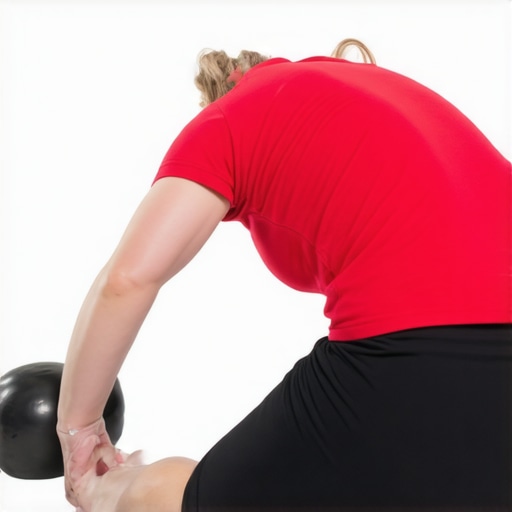
Modern ergonomic accessories and biofeedback tools are revolutionizing how we maintain spinal health, making it easier than ever to stay pain-free and mobile over the long term.
What I Wish I Knew When I Started My Journey
The hardest lesson I learned was that true progress in mobility isn’t just about stretching or strengthening—it’s about listening to your body’s subtle signals. Ignoring persistent discomfort taught me to pay attention to small changes; often, they’re the first signs of underlying issues that, if addressed early, can prevent chronic pain.
Another insight was the myth that posture correction is solely about ‘standing up straight.’ In reality, understanding the nuanced ways my pelvis and spinal alignments interact made a dramatic difference. Recognizing that realignment requires both mindful movement and consistent habits unlocked long-term relief.
Lastly, I underestimated the power of daily routines and tools. Small investments—like quality foam rollers or ergonomic accessories—accumulated into significant improvements. These lessons remind us that patience, awareness, and proactive care are irreplaceable in achieving lasting mobility.
My Top Resources for Sustaining Spine and Neck Health
One of the most impactful tools I found is Mobility Mastery, which offers practical daily tips that seamlessly integrate into busy schedules. It’s trusted because it combines evidence-based techniques with real-world applicability.
For understanding nerve and neural factors, “Unlocking Sciatica Relief” provided me insights into neural involvement that traditional stretches overlooked. It’s a game-changer for those with lingering shooting pains.
If gadgetry is your thing, wearable posture sensors from Body Renew Therapy help train your brain to maintain healthy habits, making long-term posture correction achievable and measurable.
Finally, always explore the latest ergonomic solutions—like adjustable desks and supportive chairs—to create a workspace that champions your back health. Together, these resources form a comprehensive approach that’s as effective as it is sustainable.
Your Next Step Toward Freedom of Movement
Embracing this journey means more than just temporary relief; it’s about reclaiming confidence in your body every day. Small daily actions—consistent stretching, mindful posture, and strategic tool use—build the foundation for a healthier spine and neck. Remember, every step forward is a victory in your ongoing story of mobility.
Now, I’d love to hear: Have you ever tried incorporating a new routine or tool that transformed your back or neck pain experience? Let me know below—your story could inspire someone else to take that first courageous step!