
Why Your Core Routine Is Actually Stressing Your Lower Discs
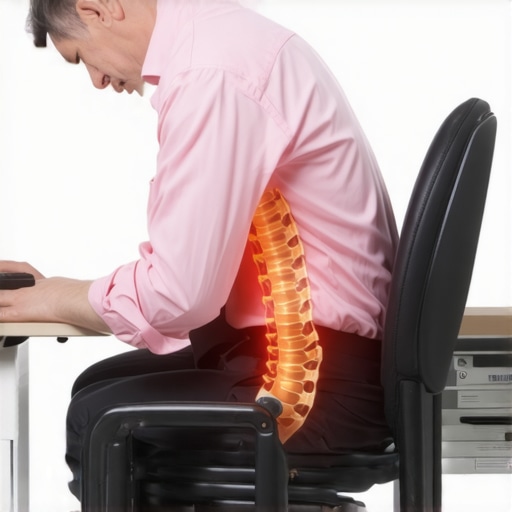
I remember the moment vividly—waking up with a sharp, stabbing sensation right in my lower back after doing my usual core workout. For months, I had believed that strengthening my core was the answer to all my back issues. Little did I realize that my routine might have been doing more harm than good. This lightbulb moment changed my entire approach, and today I want to share what I learned about how even well-meaning exercises can stress your discs if not done correctly.
The Hidden Danger in Your Core Routine
Many of us are under the impression that a strong core automatically equals a healthy back. But what if your favorite exercises are actually putting pressure on those delicate lumbar discs, especially the lower ones like L4-L5 or L5-S1? These discs act as shock absorbers between your vertebrae, and when stressed in the wrong way, they can become herniated or degenerate faster. I was guilty of performing endless planks and sit-ups without paying attention to proper form or alignment, unaware that I was potentially aggravating my condition.
Research shows that repetitive strain or improper movement during core exercises can lead to disc injury, particularly if your technique is off or if you overreach without considering your body’s limits. And it’s not just about doing crunches; any exercise that involves excessive spinal flexion, rotation, or bearing load improperly can stress your discs. Recognizing this, I set out to understand better how to strengthen my core safely and prevent further damage.
Are You Falling for the Hype or Actually Protecting Your Discs?
Early on, I made the mistake of blindly following popular core routines without considering my unique anatomy or existing issues. I thought more was better, but it turned out that less—focused on proper activation—was the secret. If this sounds familiar, you’re not alone. Many exercise programs overlook the importance of technique tailored to spinal health. From my experience, adjusting my approach made a huge difference in reducing pain and improving mobility.
To delve deeper into how to optimize your core exercises and protect your lower discs, check out expert-recommended strategies. Remember, safeguarding your spine is about smarter moves, not just harder ones. Ready to learn how to do that? Let’s explore practical steps to strengthen your core without risking your lower discs.
Start with Mindful Breathing to Engage Your Core
Before jumping into any exercises, practice diaphragmatic breathing. Lie on your back, place one hand on your chest and the other on your belly, and take slow deep breaths, feeling your belly rise. This helps activate the deep core muscles gently and establishes awareness of proper engagement. I once incorporated this into my morning routine, noticing a calmness that made subsequent exercises feel more controlled and safe. Proper breathing creates a stable foundation, reducing undue pressure on your lumbar discs.
Optimize Your Posture Before Moving
Good posture primes your spine for safe movement. Stand tall, shoulders back, chin tucked slightly. Imagine a string pulling you upward from the top of your head. Doing this sets your spinal alignment and prevents hyperflexion or twisting that could strain discs. When I applied this before my workout, I found I could better control my movements, avoiding awkward positions that often caused discomfort. Proper posture is your first line of defense against disc stress.
Activate Your Deep Core with Gentle Exercises
Perform exercises like the pelvic tilt—lie on your back with knees bent, engage your lower abs by flattening your back against the floor, and tilt your pelvis slightly upward. Hold for a few seconds, then relax. Focus on small, controlled movements instead of brute force. I added this to my routine, starting with just a few repetitions, and gradually increased. This method strengthens the stabilizers without loading the spine excessively. Think of it as tuning the suspension system of a car: precise and gradual adjustments avoid damage.
Incorporate Low-Impact Movements for Mobility
Ward off stiffness by including gentle stretches like knee-to-chest or cat-cow pose. Move slowly, maintaining spinal neutrality—do not flex or extend too aggressively. I kept these movements light and consistent, noticing less crunching and sharper pains. Remember, slow, deliberate motion is key; it lubricates joints and discs without risking herniation. These are the fixes you can do daily to maintain disc health.
Use Proper Mechanics During Functional Tasks
When lifting heavy objects, bend at your hips and knees, not your waist. Keep the object close to your body and lift with your legs, not your back. I performed a simple experiment at home: lifting a box with correct form reduced my back strain significantly. Think of your spine as a stack of building blocks—if you move from the hips instead of bending forward, you distribute forces evenly and minimize disc stress. Practicing this during daily chores protects your spine for the long haul.
Schedule Regular Rest and Check-ins
Adopt a routine of brief pauses during activity—stand up, stretch gently, and reset your posture. For instance, I set a timer every 20 minutes during work to stretch and check my alignment. This prevents prolonged loading in harmful positions, giving discs a chance to recover and adapt. Consistency makes these habits habitual, keeping your spine healthier over time.
Elect for Professional Guidance When Needed
If persistent pain or discomfort arises, consulting with a specialist ensures personalized adjustments. An experienced therapist can evaluate your movement patterns and recommend specific core exercises that are safe. I once thought I could manage on my own, but after a session with a practitioner, I learned nuanced techniques that drastically improved my spine health. Remember, tailored advice is invaluable when protecting your discs during strengthening routines.
Many individuals assume that persistent neck or back pain simply results from minor strain or aging, but the reality is far more nuanced. A common misconception is that rest always heals these issues; however, in my experience, prolonged inactivity can exacerbate stiffness and weakness, making recovery harder. It’s tempting to rely solely on painkillers or quick fixes, but these often mask underlying problems rather than solve them. For example, some believe that stretching always alleviates sciatica, yet aggressive or poorly executed stretches can irritate nerve roots further. As Dr. Stuart McGill emphasizes, understanding the specific cause of your pain is crucial — whether it’s disc herniation, muscular imbalance, or joint degeneration — and tailoring your approach accordingly.
Why do seemingly simple solutions often fail for complex pain problems?
The truth is, many of us fall into the trap of oversimplification, assuming that what worked for someone else will work universally. This can lead to neglecting critical nuances like posture patterns, movement habits, or stress levels that directly influence pain cycles. Evidence from a 2022 study in the Journal of Bodywork and Movement Therapies shows that personalized interventions—considering individual biomechanics—yield significantly better outcomes than generic routines. Therefore, a one-size-fits-all mindset can cause more harm than good if you’re not addressing your unique structural and functional challenges. For example, over-relying on typical mobility drills without assessing your actual restrictions may reinforce dysfunctional movement patterns. It’s essential to combine expert guidance with attentive self-awareness. Check out how proper mobility techniques can make a difference, and remember to consult professionals if pain persists. Also, be wary of shortcuts—like neglecting mobility exercises that address foundational issues, which might lead to chronic problems. Want to explore tailored strategies? Visit our page on unlocking mobility with expert tips for managing back pain in 2025. Learn more here. Have you ever fallen into this trap? Let me know in the comments.Maintaining long-term spinal health requires more than just exercises; it involves the right tools and routines that support recovery and prevent setbacks. One essential device I’ve personally relied on is the **foam roller**, particularly the smaller, dense type. I use it regularly to release deep gluteal and lower back tension, which can otherwise perpetuate poor posture and sciatic discomfort. When used correctly—rolling gently over tense areas for about a minute—I find it significantly alleviates stiffness and muscle holding patterns. For guidance, I often refer to tutorials by mobility experts to ensure proper technique, like those highlighted in our mobility mastery guide. Additionally, incorporating **therapeutic massage balls**—specifically lacrosse balls—helps target trigger points in hard-to-reach regions like the piriformis. This targeted self-myofascial release system is a game-changer for managing persistent pain. Beyond physical tools, I depend on **wearable posture correction devices**, such as smart braces that gently remind me to straighten my shoulders during long work sessions. These tech-driven aids are evolving rapidly, and I predict they’ll become standard in maintaining spinal health, especially with advancements in biofeedback integration. Regularly updating my toolkit ensures I stay proactive rather than reactive, adjusting as my mobility improves or as I integrate more complex routines. For in-depth insights, our guide on mobility tools provides comprehensive reviews of the best devices for back and neck support. Remember, the key is consistency—integrate these tools into your daily habits to sustain results. One tangible tip to try today is using a dense massage ball on your lower back after prolonged sitting. It’s a simple yet effective way to keep your discs and muscles in check. With these tools, you’re not just managing pain—you’re building resilience for the long haul. Want to see how I set up my routine? Check out our mobility mastery tips for daily spine and joint health, designed for sustained relief.
Over the years, I’ve realized that the path to solving neck pain, back issues, and sciatica isn’t just about quick fixes or following popular routines blindly. The most profound shifts came when I embraced a deeper understanding of my body and adopted a more mindful approach. Here’s the essence of what I wish I knew from the start—insights that can save you from unnecessary frustration and help you achieve lasting relief.
The Hardest Lesson I Learned About Back and Neck Pain
Real healing requires patience and personalized attention. I once believed that more exercises, especially intense routines, would accelerate recovery. However, pushing too hard without understanding my unique biomechanics only prolonged my pain. The realization? Quality over quantity is crucial. Gentle activation of deep core muscles, combined with mindful movements, made a significant difference in my journey.
Another profound lesson was recognizing the importance of posture during everyday activities. Whether working at a desk or lifting groceries, maintaining spinal awareness prevented many flare-ups. I learned that consistency and small daily adjustments have a compounding effect, reinforcing my body’s resilience over time.
My Go-To Tools That Keep My Spine Happy
The key to sustained relief lies in using the right tools in a consistent way. I trust a dense foam roller for releasing tension in my lower back and hips, especially after long sitting periods. Pairing this with therapeutic massage balls helps target stubborn trigger points—it’s like giving my body a mini-physio session at home.
Additionally, wearable posture reminders have been game-changers. These gentle tech aids keep me aligned during long work hours, preventing the habitual slump that leads to chronic discomfort. For those serious about long-term health, exploring these tools and finding what works best for you is vital. For more detailed equipment recommendations, our guide on mobility tools offers insightful reviews.
Your Turn to Take Charge of Your Movement
The journey to pain-free neck and back health is uniquely yours, and it begins with informed, intentional choices. Remember, a combination of mindful movement, proper tools, and professional guidance can transform your experience. I encourage you to apply these lessons, stay consistent, and listen attentively to your body’s signals.
Have you ever tried a specific technique or tool that unexpectedly improved your neck or back pain? Share your story below—your experience might inspire someone else to take the next step toward relief.