
The Specific Hip Opener Every Office Worker Needs Daily
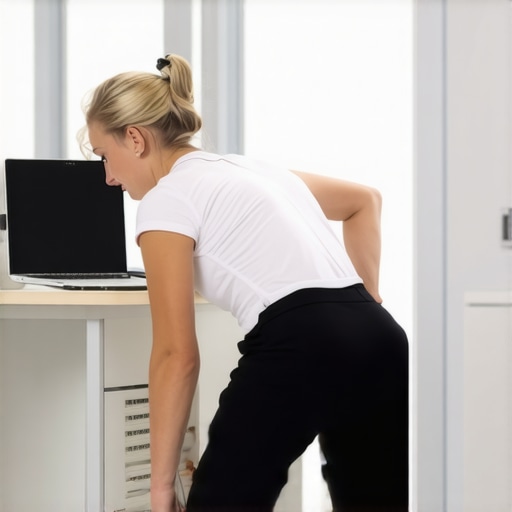
Ever felt that nagging ache in your hips after a long day at the desk, or worse, that sharp twinge when you suddenly stand up? I used to dismiss it as just part of getting older or a necessary evil of sitting too long. But one day, I hit my breaking point—not from pain, but frustration. I knew I wasn’t alone; countless office workers suffer silently, not knowing that a simple movement could change everything.
Today, I want to introduce you to a hip opener so effective and easy that it became my daily ritual. This isn’t just another stretch; it’s a game-changer for anyone glued to their chair, battling stiffness, or looking to prevent chronic discomfort from creeping in. And trust me, I’ve tried almost every remedy out there—nothing sticks quite like this.
Why Your Hip Mobility Might Be the Missing Piece in Your Office Routine
In my early days of neglecting my hips, I thought back pain and tightness were just inevitable side effects of the job. It wasn’t until I delved into anatomy and movement science that I realized how crucial hip mobility is—not just for movement, but for overall back health and posture. Research shows that tight hips can lead to compensatory movements in your lower back, which often cause pain and discomfort (source: [unlocking-mobility](https://bodyrenewtherapy.com/unlocking-mobility)).
The problem is, most of us spend hours sitting in the same position. Our hips become like rusty hinges—stiff, resistant, and uncooperative. But the good news? There’s a specific hip opener I started doing daily that helped me unlock this tension. It’s simple but powerful, and I promise, its effects go way beyond just feeling better.
Have you ever experienced this kind of stiffness or pain and wondered if there’s an easy fix? Well, you’re not alone. I used to make a mistake early on—ignoring my hips altogether—and it only worsened my discomfort over time. Avoiding this movement or doing it incorrectly can be counterproductive. That’s why I’ll guide you through the proper technique in the next section.
Stay tuned, because once you implement this move, you’ll start noticing a significant difference in your mobility, posture, and overall comfort during those endless work hours.
Get Into Position with Precision
Start by kneeling on a cushioned surface, then extend your right leg forward so your foot is flat on the floor, aligning your knee above your ankle. Place your hands on your hips and keep your torso upright. This foundational setup ensures proper engagement of your hip muscles and prevents strain. I once tried rushing through this step and ended up with a cramp; slowing down and aligning correctly made all the difference.
Engage and Deepen the Stretch
Gently shift your hips forward while keeping your back straight to feel the stretch in your hip flexors and quadriceps. Hold this position for 30 seconds, breathing deeply. If you feel discomfort or pinching, back off slightly. It’s like tightening a screw—you want just enough tension to loosen the joint, not cause pain. Consistently practicing this move has helped me reduce stiffness after long hours at my desk.
Introduce Gentle Movement for Mobility
While maintaining the stretch, gently tilt your pelvis forward and backward to enhance mobilization. This micro-movement helps break up adhesions and improves joint fluidity. I remember one hectic morning, I was skeptical about adding movement, but I was surprised to find that a few gentle shifts dramatically increased my hip comfort during the day. Repeat this a few times, staying within a pain-free zone.
Maintain Alignment and Avoid Common Errors
Ensure your hips stay level throughout the stretch; avoid leaning to one side. Use a mirror or ask a colleague to check. improper alignment can reinforce tightness and lead to asymmetries, which may cause compensation elsewhere in your back or knees. I initially overlooked this detail, leading to ineffective stretches; paying attention to symmetry doubled my progress.
Incorporate Breathwork to Enhance Effectiveness
Sync your breathing with your movements—inhale as you prepare, and exhale slowly as you deepen the stretch. This deliberate breathing promotes relaxation and increases blood flow to your muscles. Remember, our bodies respond best when we breathe consciously; it’s like giving your muscles a gentle massage from the inside. Deep, controlled breaths during my routine helped me stay relaxed and extend my stretches comfortably.
Progressively Increase Intensity and Duration
As your hips loosen over days, gradually extend the hold time and deepen the stretch slightly. Don’t force; listen to your body. Use a timer or app to track progress. I found that pushing a little each day, rather than forcing all at once, yielded sustained improvements. Consistency is key—making this a daily habit ensures lasting benefits.
Integrate into Daily Routine with Consistency
Set a reminder to perform this hip opener during your work breaks or morning routine. Pair it with other mobility exercises for comprehensive relief. If performed regularly, this move can significantly reduce stiffness and prevent chronic discomfort. I noticed a real change after two weeks of daily practice, with hips feeling more mobile and less achy during long sitting periods. For more ideas, visit this resource for back mobility tips.
Many believe that back pain, neck discomfort, and sciatic issues are simply the result of aging or poor posture. However, as I’ve explored in my practice, there’s a deeper, often overlooked layer—an intricate web of muscular, neural, and biomechanical factors that most people ignore. One common myth is that stretching alone can fix these issues. While flexibility is important, over-reliance on passive stretching without addressing muscle imbalances or movement patterns can actually worsen pain or lead to compensation injuries.
Think about it: if your hip flexors are tight but your glutes are weak, stretching the hip flexors may provide temporary relief, but you’re missing the bigger picture. You might be reinforcing faulty movement patterns that perpetuate discomfort. This is akin to trying to fix a leaky pipe without addressing the underlying pressure issues—ineffective and short-lived.
**The ‘Oops’ Trap**: A frequent mistake I see is when people focus solely on localized pain areas, ignoring whole-body alignment. For example, addressing the lower back pain physically but neglecting how your neck posture or ankle mobility influences spine health. This narrow focus can trap you into a cycle where pain persists despite numerous efforts.
**Advanced Tip**: Incorporate comprehensive assessments that look at mobility across multiple joints. For instance, ankle stiffness can impair proper hip movement, leading to compensations that strain your back or neck. By paying attention to these interconnected systems, as discussed in my article on [enhancing back mobility](https://bodyrenewtherapy.com/enhance-your-back-mobility-ergonomic-tips-for-everyday-comfort), you can tackle pain more effectively.
**Why Many Fall for Quick Fixes**
Many are tempted by rapid relief methods like foam rolling or passive heat, but these often address symptoms rather than root causes. An experienced approach involves retraining movement patterns, strengthening weak muscles, and restoring full joint mobility. For example, improving your hip external rotation can significantly reduce sciatic nerve irritation, as detailed in my resource on [sciatica relief](https://bodyrenewtherapy.com/conquering-sciatica-proven-approaches-to-end-discomfort-now).
What’s the Role of Neural Tension in Chronic Pain?
Neural tension, or nerve mobility restrictions, plays a substantial part in persistent back, neck, and sciatic pain. Fascinatingly, nerve gliding exercises can unlock these restrictions, providing long-term relief. Recent studies, like those published in the Journal of Orthopaedic & Sports Physical Therapy, support the idea that nerve mobility impacts pain levels and functional capacity. If you’re only focusing on muscles without considering neural factors, you’re missing a crucial piece of the puzzle.
Remember, pain science has advanced beyond simple symptom removal—it’s about optimizing your entire movement system. Don’t fall into the trap of isolated fixes; instead, aim for comprehensive, nuanced strategies that consider biomechanics, neural pathways, and muscular balance. Want to learn more? Check my recommended [mobility mastery](https://bodyrenewtherapy.com/mobility-mastery-daily-tips-to-keep-your-spine-and-joints-healthy) for deeper insights. Have you ever fallen into this trap? Let me know in the comments.Maintaining long-term back, neck, or sciatic health calls for a combination of proven tools and consistent habits. Personally, I rely on a few key pieces of equipment and methods to sustain mobility and prevent setbacks. First, a high-quality foam roller has become my go-to for daily myofascial release. I prefer a firm, textured roller because it effectively targets tight muscles like your piriformis or quadriceps, which are often culprits in sciatic pain. When used correctly—rolling slowly and pausing on tender spots—it can release persistent tension that passive stretching alone can’t address. For detailed guidance, check out my article on how to properly utilize a foam roller.Throughout my journey exploring back pain, neck pain, sciatica, and mobility, I uncovered some truths that challenged everything I once believed. First, I realized that quick fixes—like foam rolling or passive heat—only offer temporary relief and can sometimes mask underlying issues. True progress came when I committed to understanding my body’s movement patterns and addressing muscle imbalances holistically.
Second, I learned that patience trumps intensity. It wasn’t about pushing myself to the limit but instead gently advancing my mobility routines over time. Small, consistent steps built a foundation that prevented setbacks and fostered genuine healing.
Lastly, I discovered the profound impact of neural tension on persistent discomfort. Nerve mobility exercises, often overlooked, unlocked a new level of relief I hadn’t experienced with traditional stretching alone. My advice? Never underestimate the power of comprehensive, science-backed approaches to long-term mobility and pain-free living.
Curious about ways to refine your own movement habits? Check out Mobility Mastery for expert tips that can truly transform your health.