
How to Set Up Your Laptop in a Coffee Shop to Avoid Neck Strain

I remember that moment vividly. I was seated in my favorite coffee shop, laptop open, ready to crush my to-do list. But suddenly, a sharp pain shot through my neck, making me realize I’d been hunching over my screen for hours. It’s like a lightbulb went off—my posture was sabotaging my productivity. Ever experienced that frustrating twinge after a long coffee-shop session? If so, you’re not alone. Many of us love working remotely from cozy cafes, but without proper setup, we risk neck pain that can turn into a chronic issue. Today, I want to share my journey from constant discomfort to a setup that keeps my neck happy and healthy. In this post, we’ll dive into simple, proven methods to arrange your laptop workspace in any coffee shop so that you avoid that painful slump and keep your posture in check. Ready to work smarter—and more comfortably? Let’s start by understanding why your current setup might be doing more harm than good.
Prevent Neck Pain: Your Coffee Shop Work Style Needs a Makeover
Is It Really Worth the Fuss? The Skeptic’s Warning
At first, I shrugged off the pain as part of the workday. But ignoring it only made things worse. One early mistake I made was neglecting the importance of ergonomic positioning when working on the go. I assumed that just having my laptop at arm’s length was enough, but I was fooling myself. Studies show that poor posture while working can increase neck strain and lead to chronic discomfort (source: Body Renew Therapy). It’s not just about comfort—it’s about protecting your health and maintaining productivity. If you’ve ever doubted whether setting up your workspace properly matters, ask yourself: how much is neck pain costing you in missed days or hours of focus? That’s the real value of this knowledge, and I’ll walk you through simple changes that made a dramatic difference for me. Let’s face it—knowing what to do isn’t enough if we don’t put it into action. So, are you ready to discover the secrets behind a pain-free coffee shop experience? We’re about to make that a reality.
Adjust Your Screen and Workspace Height
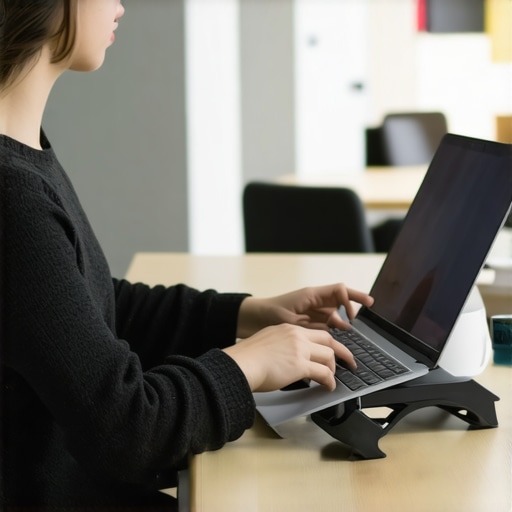
Start by setting your laptop screen at eye level so you aren’t constantly looking down or up. Use a portable stand or stack some books underneath your laptop until your eyes are level with the top of the screen. I remember the first time I did this; my neck instantly felt less strained after just a few minutes. Keep your keyboard and mouse close so your shoulders stay relaxed, avoiding the tendency to reach forward. Think of it like tuning a musical instrument—each part needs to be precisely adjusted for harmony.
Embrace Proper Sitting Posture
Physically anchor your sit bones to the chair and sit upright with your shoulders back. Imagine a string pulling your head upward, elongating your neck. Use lumbar support if available, or roll a small towel and place it at your lower back. During a messy work session in a coffee shop, I once forgot to straighten my back and ended up with a stiff neck—the difference was night and day after correcting my posture. This approach prevents your spine from collapsing into a slouch, much like a tent pole holding up a tent.
Incorporate Micro-Movement Breaks
Every 30 minutes, stand up and perform gentle neck and shoulder stretches. Rotate your neck slowly side to side, and lift your shoulders towards your ears then release. This acts as a reset button, much like pressing the refresh key on your computer. Using this technique, I was able to reduce tense muscles accumulated from prolonged sitting, preventing discomfort from turning into chronic pain. Think of your body as a car—regular maintenance keeps everything running smoothly.
Strengthen Your Neck and Back Muscles
Engage in quick strengthening exercises when possible, like chin tucks and scapular squeezes. For example, I dedicated five minutes to these exercises before my coffee shop work sessions; over time, my muscles became more resilient, reducing fatigue and pain. These movements act like armor, protecting your spine from daily stressors. Consistent practice ensures better support during long periods of sitting and working.
Optimize Your Breathing and Relaxation
Take deep, diaphragmatic breaths to relax tense neck muscles. Place one hand on your belly and the other on your chest, inhaling slowly through your nose, expanding your belly. This practice reduces overall muscle tension, much like releasing built-up pressure in a plumbing system. I personally felt a significant decrease in neck stiffness after just a few breathing exercises, especially during stressful work days. Relaxed muscles are less prone to pain and strain.
Utilize Portable Ergonomic Tools
Consider bringing a compact keyboard and mouse so you can set up a more ergonomic workstation. Use a small footstool to elevate your feet if your chair doesn’t allow your knees to be at a 90-degree angle. During one particularly long coffee shop session, I used a portable footrest, and the change alleviated lower back pressure. Think of these tools as your mobility allies, making your setup adaptable and comfortable regardless of the environment.
Plan Your Work Sessions with Mobility in Mind
Schedule regular rotations—every 20-30 minutes, change your position or do a quick movement. Set a timer if needed, like a reminder to shift gears. I experimented with this approach during a prolonged work spree; it kept my muscles engaged and prevented stiffening. Picture your body as a machine that works best with periodic refueling and maintenance—small adjustments can lead to long-term health benefits.
 Many people assume that stretches and simple exercises are enough to solve complex issues like back pain, sciatica, or neck discomfort. However, this mindset often overlooks critical nuances that determine true recovery. For instance, the common myth that “more stretching always leads to better mobility” can be misleading. Sometimes, excessive stretching can actually destabilize the joints and muscles, especially if done without proper guidance or understanding of your unique biomechanics. It’s essential to recognize that mobility isn’t just about flexibility — it involves a balance of strength, control, and stability. According to recent research published in the Journal of Bodywork and Movement Therapies, overemphasis on flexibility without strengthening can increase injury risk and slow recovery—so focus on integrated approaches instead. You might also be unknowingly falling into traps like ignoring underlying issues such as pelvic misalignment or poor movement patterns that perpetuate pain cycles. Addressing these requires a nuanced, individualized plan rather than generic advice.
### Why Is Your Approach to Back Health Sometimes Doing More Harm Than Good?
A common mistake is to assume that pain indicates a need for more activity, leading many to push through discomfort. Contrarily, expert guidance suggests that recognizing the difference between pain and injury signals is crucial. Pushing beyond your limits without understanding your body’s feedback loop can aggravate the problem, especially if you have underlying issues like herniated discs or nerve impingements. Engaging in targeted mobilization exercises—like those described in [how to improve back mobility](https://bodyrenewtherapy.com/boost-your-back-mobility-simple-exercises-that-make-a-difference)—can help recalibrate your system safely. Also, beware of relying solely on passive treatments like rest or compression without addressing core stability and movement quality, which are integral to long-term relief.
### How to Identify and Avoid the Perils of One-Size-Fits-All Solutions
Many practitioners promote generic routines—yet what works for one person might not suit another. For example, focusing only on stretching tight hamstrings may not resolve sciatic symptoms if the root cause lies in pelvic tilt or hip function. Tailoring your approach by understanding your specific movement deficits is where true progress happens. Consider consulting a specialist to perform comprehensive assessments, and explore techniques like nerve glide mobilizations outlined in [uncovering sciatic relief strategies](https://bodyrenewtherapy.com/unlocking-sciatica-relief-expert-strategies-for-lasting-comfort). Remember, pain is a symptom, not the problem itself. The real solution is a holistic view that integrates mobility, stability, and neuromuscular control.
Have you ever fallen into this trap? Let me know in the comments. Reassessing your approach and digging deeper into these nuances can dramatically accelerate your journey toward pain-free living.Maintaining your spine health and mobility is an ongoing journey that benefits greatly from the right tools and consistent habits. One of my favorite investments is a **high-quality ergonomic laptop stand**, like the Roost Laptop Stand, which I personally use to set my screen at perfect eye level whether I’m working at home or in a coffee shop. This simple device helps prevent neck strain by encouraging better posture, a crucial factor in long-term back health. Additionally, I’ve found that a **compact portable lumbar support cushion** makes a significant difference during extended sitting periods. I prefer the KAOET Portable Lumbar Pillow because it fills the gap in my chair’s support, reducing lower back fatigue, especially on hard surfaces. For strengthening and mobility maintenance, I rely on **resistance bands and foam rollers**. Resistance bands are superb for targeted exercises—like my go-to band pull-aparts—that reinforce posture muscles. Foam rolling, on the other hand, helps release tissue tightness; I often spend a few minutes with a TriggerPoint GRID Foam Roller to prevent muscle knots before they become pain sources. Looking ahead, I predict that wearable tech, such as posture-correcting smart devices, will become more advanced, providing real-time feedback and tailored exercises based on your daily habits. To ensure these tools deliver lasting benefits, I recommend setting a regular maintenance schedule that incorporates daily mobility routines and periodic assessments. Over time, these habits and tools will not only help you manage existing discomfort but also build resilience against future issues.
How do I maintain my mobility and prevent setbacks?
Consistently integrating these tools into your routine, combined with mindful movement practices and periodic review of your setup, ensures sustained improvement. If you’re ready to take it a step further, I suggest trying advanced techniques like nerve gliding exercises, which can be easily incorporated using guidance from [this resource](https://bodyrenewtherapy.com/unlocking-sciatica-relief-expert-strategies-for-lasting-comfort). Remember, investing in quality tools and maintaining disciplined routines today pays dividends in your long-term comfort and mobility. Don’t hesitate to reach out via our contact page for personalized recommendations or to clarify how these tools can best serve your specific needs.
Beyond the Basics—My Hidden Lessons in Staying Mobile
One of the toughest lessons I learned was that mere stretching isn’t enough; it’s about harmonizing strength, flexibility, and mindful movement. I used to think that more stretches meant faster relief, but I discovered that balance and control are the real keys. Also, I underestimated the power of regular movement breaks and how small tweaks—like adjusting my chair and screen height—made a substantial difference. Lastly, I realized that understanding my body’s unique signals prevented unnecessary setbacks, emphasizing that personalized routines outperform generic advice every time.
Tools That Became My Game-Changers
Integrating ergonomic tools like the ergonomic laptop stand revolutionized my setup, making long work sessions pain-free. My trusted lumbar support cushion keeps my lower back happy on hard surfaces, while resistance bands now serve as mobility anchors during daily routines. For tissue release, nothing beats a foam roller—it’s my go-to for releasing tightness before it snowballs into pain. These tools, combined with intentional movement, protect me from recurring discomfort, and I believe they’re essential for sustained well-being.
Remember, Your Body Deserves Gentle Care
Taking charge of your neck and back health isn’t a quick fix but an ongoing commitment. I encourage you to experiment with these strategies, adapt tools that serve your needs, and listen closely to your body’s whispers before they turn into shouts. Incorporate these practices into your daily routine, and you’ll likely find yourself moving with more ease and less pain. For personalized guidance tailored to your journey, consider reaching out via our contact page. Your path to pain-free living is uniquely yours—embrace it with confidence and patience.