
How to Tell if Your Leg Pain Is Sciatica or Just Muscle Tightness
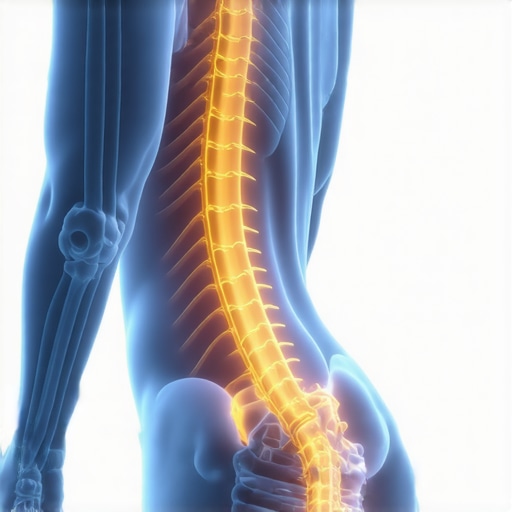
Have you ever woken up with a shooting jolt down your leg that made you freeze mid-step? I remember the moment vividly—one morning, I was rushing to get ready for work when a sudden, sharp pain shot from my lower back down to my foot. It was enough to make me question if I’d pulled a muscle or if something more sinister was at play. For a while, I brushed it off as just tight muscles, but as the episodes became more frequent, I realized I needed to dig deeper. That lightbulb moment set me on a journey to truly understand what’s happening when leg pain strikes, and how to distinguish between minor discomfort and the warning signs of sciatica.
Why Knowing the Difference Will Change How You Approach Your Pain
This distinction isn’t just about semantics. Misidentifying your pain can lead to delays in proper treatment or, worse, aggravate an underlying condition. I learned this the hard way early on, when I ignored persistent leg numbness and kept stretching as if muscle tightness was the culprit. Unfortunately, I made the mistake of assuming all pain was the same—something I now advise everyone to avoid. According to experts, about 90% of sciatic cases could be effectively managed if caught early, emphasizing the importance of understanding your symptoms (source: BodyRenewTherapy).
Have You Ever Faced This Specific Problem?
If you’re nodding along, feeling frustrated by that nagging leg discomfort, you’re not alone. Many people struggle to tell whether they’re dealing with nerve-related pain or simple muscle fatigue. Today, I’ll guide you through some clear signs and practical steps to help you identify what’s really going on, so you can seek appropriate relief—preferably before the pain becomes unbearable or leads to a longer recovery. This isn’t about self-diagnosis but rather empowering you with the knowledge to seek timely professional care and avoid the common pitfalls I once fell into.
So, let’s start by exploring what differentiates sciatic pain from typical muscle tightness and how to recognize the red flags that demand immediate attention.
.
Pinpoint the Source of Your Pain
Begin by assessing whether your discomfort originates from muscles or nerves. Imagine your spine as a highway; muscles are like local roads that can become congested, while nerves are the main thoroughfares, carrying signals to your extremities. To test this, try gentle movements: if stretching or moving relieves pain, it’s likely muscular. However, if the pain worsens or radiates down your leg, you might be dealing with nerve compression. A personal experience I recall involved applying gentle lumbar twists after noticing sciatic-like symptoms; the relief I felt prompted me to visit a professional for confirmation.
Practice Targeted Movements and Checks
Test Your Flexibility
Lie on your back and raise each leg one at a time, keeping it straight. If this causes shooting pain or numbness, it indicates nerve involvement. This is often called the Straight Leg Raise test. I once tried this after hearing about it from a trusted source, and the sharp discomfort pushed me to seek further evaluation, saving me from worsening damage.
Monitor Symptom Changes
Note whether certain actions alleviate or aggravate your symptoms. Cooling the area with ice can reduce nerve inflammation—if this helps, it’s a sign of nerve irritation. Conversely, heat might relax tense muscles. I used to mistake muscle tightness for nerve pain, but differentiating these helped me choose effective relief methods, like trying the same ice application I read about in a comprehensive guide.
Use Self-Help Techniques to Confirm Your Diagnosis
Implement simple techniques to see how your body responds. For example, perform gentle bridging exercises to engage your glutes; if pain persists or escalates, it may be nerve-related. During my own testing, I found that strengthening my core with controlled planks provided stability without triggering nerve pain, indicating muscular involvement. However, pain during specific stretches signaled nerve sensitivity, guiding me toward professional assessment.
Avoid Common Mistakes
Don’t assume all pain needs immediate medication or vigorous activity. Rest is vital, but prolonged immobilization can worsen stiffness. Instead, focus on gradual movement within pain-free ranges. I once pushed through soreness believing it was muscle fatigue, only to worsen my sciatica. Recognizing when to rest versus when to move was key to my recovery.
Seek Professional Evaluation When Necessary
If your tests indicate nerve involvement or if symptoms persist beyond a few days, consult a healthcare provider. They may recommend imaging like MRI scans or physical therapy tailored for sciatica. My experience involved visiting a therapist after misjudging the severity; receiving targeted therapy helped me regain mobility and reduce pain effectively.
Remember, distinguishing between muscle and nerve pain is critical for effective treatment. By applying these practical steps consistently, you empower yourself to take control of your recovery and avoid unnecessary delays or actions that might worsen your condition. For ongoing relief strategies, consider exploring solutions like quick home remedies for sciatica or scheduling an assessment through professional consultation.
Many people believe that all back pain is caused by strained muscles or minor issues that resolve on their own, but this oversimplification can be dangerous. For example, a prevalent myth is that stopping movement completely will speed up recovery—that’s often false and can lead to prolonged stiffness and weakness. In reality, controlled, gentle movement is essential to prevent your muscles and joints from deteriorating, especially when dealing with conditions like sciatica or neck pain. Experts emphasize that improper assumptions about the severity or cause of pain can delay accurate diagnosis and effective treatment, ultimately worsening outcomes (source: Back Pain Breakthroughs).
A common trap is misattributing nerve-related pain solely to muscle tension. While muscle tightness often contributes, persistent nerve pain might indicate a herniated disc or nerve compression that requires specialized intervention. Ignoring persistent symptoms or attempting unreliable self-diagnosis because of misleading myths can result in chronic issues. For instance, some believe that stretching endlessly will solve sciatic pain; however, excessive or improper stretching without professional guidance can worsen nerve irritation instead of alleviating it.
Considering your specific questions—”How can I tell if my neck pain is nerve involvement or just strained muscles?”—advanced assessments like nerve conduction studies or imaging might be necessary. Targeted techniques, such as those outlined in revitalizing neck strategies, can help differentiate and address the root causes effectively.
Be cautious of the misconception that pain equals damage; pain pathways are complex, and sometimes nerve signals can be heightened without structural injury. This nuance is often missed by laypersons, leading to unnecessary panic or ineffective treatments. Instead, focus on evidence-based approaches and consult qualified professionals if symptoms persist beyond a few days. Advanced techniques are not just for experts—they are vital to prevent the escalation of issues like sciatica or chronic neck pain. For practical steps and expert guidance, explore conquering sciatica approaches or neck pain solutions.Maintaining your back health over time requires more than just occasional stretches; it demands the right tools and consistent methods. One of my go-to gadgets is the **percussive massage gun**. I personally use the Hypervolt because its targeted pulses help release deep muscle tension, especially after intense activity. Regular use of a massage gun helps prevent the buildup of knots that contribute to chronic pain and stiffness, which is crucial for conditions like sciatica or neck strain.
Another must-have in my toolkit is a **quality ergonomic seat cushion**. I’ve found that the Memory Foam Cushion from Everlasting Comfort offers excellent support, aligning my pelvis and reducing pressure on my lumbar discs. This simple addition transforms my posture during long workdays, avoiding the common trap of hunching forward, which can worsen pain over time.
For tracking your progress and reminders, I rely on **movement monitoring apps** like Upright GO. This device sticks to your upper back and vibrates when you slouch, alerting you to correct your posture—an action that pays dividends in the long run. I’ve integrated this into my daily routine, and over months, I noticed a significant reduction in neck and shoulder tension.
Progress in back health is a gradual journey. As the field evolves, I predict we’ll see smarter wearables that analyze biomechanics in real-time, offering personalized feedback and adjustments. These innovations will make maintaining mobility more accessible and more efficient.
How do I keep my back functioning well as time goes on?
To sustain your mobility, establish a daily routine that combines targeted exercises, like those in simple mobility drills, with regular use of supportive tools. Consistency is key; even 5-10 minutes daily can create meaningful change. Incorporate gentle stretches, core engagement, and proper ergonomics—remember, neglecting small habits can lead to long-term setbacks.
For example, I integrate a few deep, diaphragmatic breathing exercises alongside my mobility work. This not only relaxes my nervous system but also improves blood flow to tense muscles, enhancing recovery. You might find that a combination of manual therapy with self-care tools yields the best results.
Finally, don’t underestimate the power of professional guidance. Occasional check-ins with a physical therapist can help fine-tune your routine, ensure your techniques are effective, and prevent costly setbacks. If you haven’t already, I urge you to try the advanced tip of using a **TENS unit** for pain relief. Applying electrical stimulation can reduce nerve pain and muscle spasms, providing relief when used correctly. Always consult a professional for proper placement and settings, but this device has been a game-changer in my sustained back health.
Keeping your back healthy long-term involves embracing these practical tools and approaches. As technology advances, expect even smarter solutions to help you stay mobile and pain-free. To explore effective recovery options tailored for your needs, consider reaching out through professional consultation. Remember, investing in your mobility today pays dividends in your quality of life tomorrow.
Throughout my experience with back pain, sciatica, and neck stiffness, I uncovered valuable insights that go beyond standard advice. These lessons reshaped my approach to recovery and long-term mobility, and I believe they can do the same for you. First, I realized that not all pain signs are immediate emergencies—sometimes, patience and gradual adjustments yield the best results. Second, listening carefully to your body’s subtle cues often prevents minor issues from escalating into chronic problems. Lastly, consistent self-care, combined with professional guidance, creates a resilient foundation for a healthy spine that supports your everyday life.
Less Obvious Lessons That Changed My Perspective on Back and Neck Health
- False reassurance from quick fixes can stall your progress. I learned the hard way that rushing into intense workouts or ignoring discomfort only delayed my healing. Small, deliberate movements and respectful rest were more effective.
- Understanding the nervous system’s role in pain is crucial. Many symptoms stem from nerve irritation rather than muscle strain alone. Deepening my knowledge helped me adopt targeted relief techniques, like gentle nerve glides, which made a real difference.
- Recognizing that posture is a dynamic, adaptable tool opened new possibilities. Regular micro-adjustments throughout the day prevented stiffness and reduced the frequency of flare-ups.
Tools I Depend On for Lasting Relief and Mobility
- My personal favorite is the proven approaches to conquering sciatica. They offer evidence-based strategies that empower you to tackle nerve pain effectively.
- The neck pain solutions guide transformed how I treat chronic tension, providing actionable steps for quick relief and long-term management.
- Monitoring tools like posture apps and flexibility trackers keep me accountable and mindful of my habits—especially during busy days when slipping into poor postures is easy.
- Finally, ongoing professional consultations with therapists specialized in mobility ensure my routine remains effective and safe, adapting to my changing needs over time.
Embrace Your Path to Freedom from Pain
Taking control of your back, neck, and overall mobility is a journey worth embarking on. With informed choices, trusted tools, and a compassionate attitude towards your body, you can achieve lasting comfort and flexibility. Remember, small, consistent steps often lead to profound transformations. Your active pursuit of a healthy spine will not only relieve pain but also enhance your quality of life—so start today and cherish every moment of progress.
What’s your biggest challenge when it comes to maintaining back and neck health? Share your experience below—your story might inspire someone else on their journey!