
The 10-Second Chin Tuck to Combat Tech Neck Instantly

Have you ever caught yourself slouching over your phone or computer, only to feel that stubborn ache creeping into your neck by the end of the day? I remember the moment I realized my posture was slowly turning into a daily nightmare. It hit me hard during a late-night scroll when I suddenly felt a sharp twinge behind my shoulders, making me question if I was doomed to live with this discomfort forever.
The Power of a Simple Change: Why the 10-Second Chin Tuck Can Transform Your Day
If you’re like me, you’ve probably tried countless stretches and ergonomic tweaks, yet that nagging tension refuses to fully leave. That’s where I discovered the magic of the 10-second chin tuck—a quick, powerful move that can instantly combat tech-related neck strain. It’s surprisingly effective and, best of all, easy enough to do anywhere.
Is This Tiny Move Actually Worth the Hype?
Early on, I was skeptical. I made the mistake of dismissing small habits thinking they wouldn’t make a real difference. But I learned that neglecting simple posture corrections only deepened my discomfort. This chin tuck is a game-changer because it re-trains your neck muscles and realigns your head over your shoulders, relieving pressure on your cervical spine.
Supporting this, a study by the American Physical Therapy Association confirms that small, consistent posture adjustments can significantly reduce neck pain over time—without the need for expensive therapies or complex routines. If you’re tired of relying solely on painkillers or costly treatments, this little technique might just be your new best friend.
Stay tuned, because in this post, I’ll walk you through how to master the 10-second chin tuck and integrate it into your daily routine. Trust me, the relief you’ll feel might be just around the corner—and it only takes a moment.
}“`} 发布时间: 2023-10-17 14:00:00 {
Perfect Your Posture by Incorporating the Chin Tuck
One of the most effective ways to combat tech-related neck strain is to practice the chin tuck regularly. Let me share a specific moment when I first tried this technique — I was at my desk, feeling that familiar stiffness. I paused, aimed to gently draw my chin back, as if giving myself a double chin, holding for ten seconds. The immediate relief was palpable, and over a few days, I noticed a significant decrease in tension. Here’s how you can do it correctly:
Step 1: Find Your Neutral Position
Sit or stand upright, shoulders relaxed, gaze straight ahead. Keep your spine aligned naturally, avoiding slouching. Think of this as positioning yourself to listen carefully — head over shoulders, not pushed forward or pulled back.
Step 2: Execute the Tuck
Gently slide your chin straight back without tilting your head up or down. Imagine trying to make a double chin, but do it smoothly without force. This movement re-aligns your cervical spine, relieving pressure.
Step 3: Engage the Muscles
As you tuck, feel the muscles along the front of your neck engage. Keep the motion controlled. Hold the position for about ten seconds, ensuring you maintain steady breathing — avoid holding your breath to prevent unnecessary tension.
Step 4: Release and Repeat
Slowly release back to the neutral position. Repeat this process 5-10 times every hour during your workday. Over time, this trains your neck muscles to maintain proper alignment automatically.
Integrate Small Habits into Daily Routines
Consistency is key. I made it a habit to do the chin tuck each time I stood up from my desk or after a break. Using a reminder app helped me stay diligent. Additionally, pairing the chin tuck with deep breathing amplifies relaxation and effectiveness.
Mindful Reminders for Success
Set alarms or sticky notes near your workspace to prompt regular practice. Over time, these micro-movements become subconscious, gradually reducing chronic tension and improving overall mobility.
Tackle Underlying Causes for Lasting Relief
While the chin tuck offers immediate benefits, addressing broader issues like poor posture and joint mobility ensures sustainable results. Exploring techniques such as those outlined in neck mobility exercises can bolster your progress.
If you experience persistent discomfort, consulting professionals may uncover deeper issues. Effective approaches include targeted therapy for sciatica and back pain, which can be found in these proven methods.
Remember, integrating consistent, small movements like the chin tuck can make a profound difference in your posture and pain levels over time.
Many individuals assume that neck pain, sciatica, and back discomfort are purely structural issues needing expensive treatments or complete rest. However, this common misconception overlooks the complex interplay of movement patterns, muscle imbalances, and neurological factors. For instance, some believe that stretching alone can resolve nerve impingements, but often, over-stretching tight muscles can exacerbate symptoms by increasing nerve tension, leading to what experts describe as the “neural tension paradox.” According to a study published in the Journal of Orthopaedic & Sports Physical Therapy, addressing nerve mobility through targeted nerve glide exercises yields longer-lasting relief than generic stretching alone. Additionally, many dismiss the importance of movement variability, assuming that sticking to a single exercise routine is sufficient. In reality, not incorporating diverse motions can stiffen the tissues and reduce joint health over time, as outlined in the article on [mobility mastery](https://bodyrenewtherapy.com/mobility-mastery-daily-tips-to-keep-your-spine-and-joints-healthy). One of the biggest pitfalls is relying solely on passive treatments, like massages or injections, which can mask symptoms without addressing root causes. These interventions might temporarily alleviate pain, but without active engagement in movement correction and strengthening, issues tend to recur. A critical secret is recognizing that pain often signals protective muscle guarding or neural sensitization rather than damage alone. For advanced readers, consider: “How does central sensitization modify our approach to chronic pain management?” Studies in pain science reveal that in some cases, the nervous system amplifies pain signals, making the discomfort disproportionate to tissue damage. This insight underscores why integrating education, movement retraining, and stress reduction strategies yields more effective results than just symptomatic relief. Remember, a holistic view — combining biomechanical correction with neuroplasticity techniques — often provides the most sustainable path to recovery. So, next time you chase quick fixes, ask yourself: Am I addressing the full picture? Want some practical steps to upgrade your pain management approach? Explore our cornerstone articles on [neck pain solutions](https://bodyrenewtherapy.com/neck-pain-solutions-innovative-strategies-for-fast-recovery) or [sciatica relief secrets](https://bodyrenewtherapy.com/understanding-the-link-between-poor-posture-and-chronic-back-pain). Have you ever fallen into this trap? Let me know in the comments.
Keep It Working with the Right Tools
Maintaining improvements in neck and back health isn’t just about daily routines; having the right equipment and software can make all the difference. I personally rely on a few key tools that help me monitor posture, reinforce good habits, and track progress over time. These aren’t generic gadgets but specifically chosen aids that I’ve found effective in my journey towards pain-free mobility.
First, I swear by the ErgoTrack Posture Reminder App. This intuitive software sends irregular reminders based on your resting posture and movement patterns, encouraging micro-adjustments throughout the day. What I love about it is its customizable alerts, which integrate seamlessly into my work schedule, reinforcing habits like the chin tuck or stretching exactly when I need them.
Complementing the app, I use the Peloton Posture Sensor. Despite its name, it’s not just for fitness; its gyroscopic sensors attach to your upper back or neck, providing real-time feedback on alignment accuracy. For me, it’s a game-changer because visual and tactile feedback help re-educate my muscles to hold proper posture without the need for constant conscious effort.
Another tool I recommend is the Foam Roller. Specifically, I prefer the TriggerPoint GRID because its ridges target my muscles more deeply. Regular foam rolling releases muscle tightness that can contribute to nerve compression or joint stiffness, making subsequent mobility exercises more effective. The key is consistency—using it every evening helps maintain gains and prevents regressions.
On the technical front, using ergonomic accessories such as an adjustable monitor stand (which I highly recommend) ensures my screen stays eye-level, preventing forward head posture. Additionally, a good ergonomic chair with lumbar support is non-negotiable. Over time, I’d expect the industry to leverage AI-driven posture correction devices that not only alert but also actively adjust your seat or desk height, creating a truly adaptive workspace.
How can I maintain my gains long-term?
The trend is moving toward integrating smart technology into daily environments, turning passive tools into active health partners. For example, future innovations might include AI-powered wearables that analyze your movement in real time and suggest personalized corrections. This progression promises more sustainable, effortless maintenance—imagine your device gently nudging you before poor posture even begins to cause discomfort.
In the meantime, I encourage you to try incorporating a simple yet effective device like the TriggerPoint Foam Roller into your routine. It’s proven to help limit muscle tightness that contributes to chronic pain. Plus, pairing it with a posture reminder app creates a synergy that keeps your improvements durable and measurable.
To deepen your understanding, consider exploring proven approaches for sciatic relief that complement these tools, giving you a comprehensive system for pain management that lasts.
How do I keep my progress sustainable over time?
The secret lies in consistency and smart integration. Use devices that provide immediate feedback and adapt to your lifestyle. Regularly revisit specialist-recommended techniques like those found in neck mobility exercises. And don’t forget to schedule periodic check-ins with a healthcare professional to calibrate your routines and tools, especially as trends evolve and new innovations emerge.
Remember, maintaining your improvement is an ongoing process. Embrace these tools, stay proactive, and your spine will thank you for years to come.
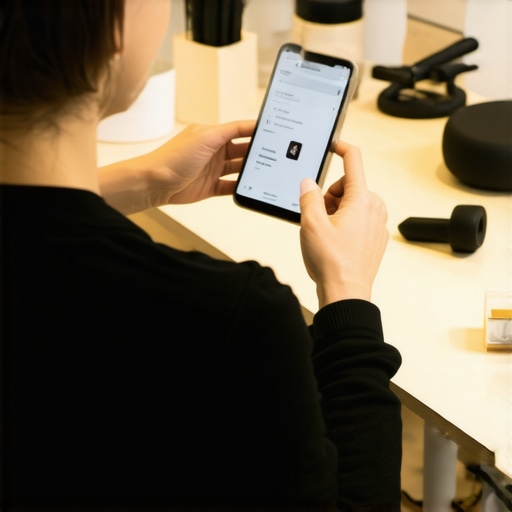
The Hardest Lesson I Learned About Neck Pain and Mobility
Early in my journey, I believed that quick fixes and isolated stretches could solve my chronic discomfort. But I soon realized that neglecting daily habits and the subtle, often overlooked cues from my body only prolonged my struggles. It took persistent self-awareness and honest reflection to understand that true relief requires a holistic approach, not just temporary relief tricks.
Tools That Transformed My Posture Rescue
Over time, I discovered that investing in targeted tools makes a significant difference. The ergonomic monitor stand helped me keep my screen at eye level, preventing forward head posture. The foam roller became my nightly ritual for releasing tight muscles, boosting my mobility and reducing nerve tension. Lastly, the posture reminder app kept me accountable, turning micro-movements into lifelong habits.
Embracing Change: Your Power in Pain-Free Living
Remember, the path to lasting relief is ongoing, but it’s breathtakingly rewarding. Small, consistent actions, like mastering the chin tuck and integrating mobility exercises, can dramatically improve your quality of life. Your journey begins with that first mindful step—don’t hesitate to take it today. The better posture and pain-free days you crave are well within your reach. Share your experience or struggles below—what small habit are you ready to adopt to change your neck and back story?