
3 Simple Moves to Stop That Sharp Pinch in Your Right Hip
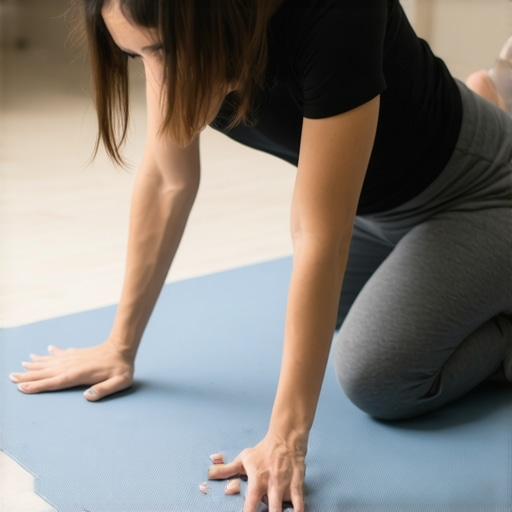
Have you ever been caught mid-move, only to be jolted by that sudden, sharp pinch in your right hip? One moment, you’re walking or bending, and the next, it’s like an electric shock shooting down your leg. I remember the first time I experienced it—surprised and a little frustrated. It sent me scrambling to figure out what was happening, and honestly, it disrupted my whole day. If you’ve faced this discomfort, you’re not alone. That seemingly innocent sharp pain can be a sign that your body needs some immediate care and long-term attention.
Why That Sudden Hip Pinch Needs Your Attention
This kind of pain isn’t just a fleeting annoyance; it often points to underlying issues like muscle imbalances, joint restrictions, or nerve irritation. For me, I used to dismiss it as a simple strain, but over time, it became more persistent. Learning to identify and address the root cause is crucial—not just for comfort but to prevent long-term mobility issues. Did you know that improper movement patterns and poor posture can actually aggravate nerve compression, leading to that intense pinch? According to recent research, nerve-related back issues can worsen without proper intervention, highlighting the importance of targeted strategies (source).
Is This Pain Actually Normal or a Sign of Something More?
Early on, I made the mistake of ignoring the pain, thinking it would go away on its own. Spoiler alert: it didn’t. Instead, I learned that persistent sharp pain could be a sign of nerve irritation or imbalance that, if left unchecked, can lead to chronic issues. Recognizing these signals early and applying simple, effective moves can make all the difference. Let’s explore what you can do to eliminate that pinch and restore your movement without risking further damage.
Are you ready to discover practical steps that can help you find relief and regain your confidence in everyday movements? Let’s dive into the key moves that transformed my experience and could do the same for you.
,
Targeted Hip Mobility Exercises
Start with simple hip openers like the butterfly stretch. Sit upright, bring your feet together, and gently press your knees toward the floor. Hold for 30 seconds, gradually increasing duration. I recall a morning when I committed to this stretch, feeling immediate relief as tension in my hip eased—sending a wave of relaxation through my pelvis. Consistent practice helps loosenMuscle tightness and nerve impingement, reducing those sudden pins and pangs.
Build Strength Through Core Engagement
Your core stabilizes your pelvis and spine, preventing unnatural strain. Lie on your back, knees bent, feet flat. Engage your abdominal muscles and gently press your lower back into the floor. Hold for five seconds, release, and repeat ten times. I once challenged myself to do these every morning during a hectic week; despite messy form at first, I gradually felt my hips less reactive to sudden movements. Strengthening your core creates a sturdy foundation, making movements safer and less prone to pinching.
Practice Proper Movement Mechanics
Think of your body as a well-oiled machine—each part moving in harmony. When bending forward, hinge at the hips rather than the waist, keeping your spine straight. When turning or twisting, engage your legs and hips instead of forcing your torso. During a day I caught myself twisting awkwardly to reach for something, I paused, corrected my movement, and felt a significant decrease in hip discomfort afterward. Correct mechanics distribute forces evenly, protecting nerves and muscles from strain.
Implement Nerve Gliding Techniques
Nerve gliding exercises help free trapped nerves causing sharp pinches. For the sciatic nerve, sit on a chair with your feet flat. Extend one leg straight, dorsiflex the foot, and gently tilt your head away from that leg. Slowly move your ankle up and down while maintaining head tilt, then switch sides. I added this to my daily routine after experiencing nerve tightness during prolonged sitting. These gentle movements increase nerve mobility, preventing it from getting
Many people assume that common back and neck pains are simply the result of aging or minor strains, but in my experience, these beliefs often mask deeper issues. For instance, the widespread idea that “rest” is the best remedy can actually reinforce pain cycles if not combined with targeted movement. Keeping this misconception in mind can lead sufferers into a trap of inactivity, which exacerbates stiffness and weakness over time. To truly improve, understanding that pain often signals a need for mindful mobility, not avoidance, is crucial. Did you know that prolonged bed rest can decrease muscle strength by up to 25%, making recovery slower and more difficult (source)?
What Are the Pitfalls of Relying Solely on Pain Medication for Chronic Issues?
While medication can provide temporary relief, overuse can prevent addressing the root cause of pain. I’ve seen many individuals who rely heavily on NSAIDs or muscle relaxants, only to find their symptoms returning or worsening after the medication wears off. This cycle can dull your body’s natural warning signals and delay essential corrective interventions. Instead, combining manual therapy, proper posture adjustments, and targeted exercises yields more sustainable results. For example, dedicated nerve gliding exercises can help free trapped nerves, avoiding the endless bandaid approach (see how). Moving beyond the myths that quick fixes exist can empower you to take control of your healing journey.
Another common misconception is that posture correction is solely about pulling shoulders back or standing straight. However, true posture stability depends on understanding the nuanced interplay between the skeleton, muscles, and nerves. Often, minor misalignments or imbalances—like a subtle pelvic tilt—can perpetuate chronic discomfort if overlooked. My advice? Focus on awareness and continuous small adjustments rather than quick, superficial fixes. Exploring ergonomic improvements and mobility drills, like those discussed here, can make a profound difference.
Sophisticated Question: How Can Advanced Movement Strategies Prevent Relapse?
For the advanced reader, incorporating movement variability—changing your exercises and daily movements—can significantly enhance resilience against pain deterioration. Scientific studies suggest that variation in movement patterns prevents compensatory overuse, distributing mechanical loads more evenly and reducing nerve impingement risk (see research). This approach encourages your body to adapt and strengthens the subtle stabilizers and neural pathways necessary for long-term health. So, instead of sticking to a rigid routine, explore diverse mobility drills and functional exercises tailored to your unique needs, thereby building a robust foundation that keeps pain at bay.
Have you ever fallen into this trap? Let me know in the comments. Recognizing these misconceptions is the first step toward effective management and lasting relief.
How Do I Maintain Long-Term Back and Neck Mobility?
Maintaining optimal back and neck mobility requires more than just occasional stretches; it involves using the right tools and routines that support your body’s natural movement patterns. One tool I personally swear by is a high-quality foam roller. I use it regularly to release muscle tightness in my thoracic spine and hips, which are often overlooked but critical for overall mobility. A foam roller helps break down adhesions and improve tissue elasticity, making movements smoother and less prone to pain.
In addition to foam rolling, incorporating resistance bands into your routine has been transformative. They provide gentle resistance during strengthening exercises, helping to reinforce proper movement mechanics and stability. For instance, band pull-aparts correct shoulder positioning, which, if neglected, can lead to neck strain and discomfort over time. I also rely on a lacrosse ball for targeted trigger point therapy, especially around the hips and lower back, areas that tend to become stiff with prolonged sitting or inactivity.
When it comes to software or apps, I recommend using a mobility tracking app that reminds you to take micro-movements throughout your day. These gentle prompts serve as regular reminders to perform quick stretches or posture checks, preventing stiffness from creeping in. As research indicates, small, consistent movements are more effective than sporadic intense sessions when it comes to sustaining mobility (source).
Forecasting Future Trends in Mobility Maintenance
The future of maintaining back and neck health points towards smart technology integration. Wearable devices that monitor posture and movement quality are becoming increasingly sophisticated, providing real-time feedback to correct habits before they cause pain. Virtual reality (VR)-based mobility programs are also gaining popularity, making routine exercises engaging and accessible from home. Embracing these innovations can empower you to stay proactive, ensuring your mobility stays intact for years to come.
What Are the Best Tips for Long-Term Mobility Success?
Focus on consistency and variety. Use tools like foam rollers, resistance bands, and trigger point balls regularly, but also vary your exercises to prevent adaptation and plateauing. Incorporate functional movements that mimic daily activities—like reaching, bending, and twisting—to reinforce your body’s ability to handle real-world demands. Remember, the key is to stay engaged and attentive to your body’s signals, adjusting your routine as needed.
To keep progress going, I challenge you to incorporate a weekly mobility session using a foam roller and resistance band. This simple step has helped me maintain flexibility and prevent setbacks. Want to take it further? Explore smart posture devices or mobility apps to keep your progress on track. Consistent, mindful effort today will pay off in long-term pain-free movement tomorrow. For practical guidance on deepening your routine, check out this resource.

Little Wins That Became Game Changers for My Mobility
One of the most profound lessons I learned was that consistency outweighs intensity. Doing small, daily mobility routines helped me avoid flare-ups and build resilience, rather than relying on sporadic intensive workouts. I also discovered that paying close attention to body cues—like subtle tension or discomfort—allowed me to address issues early, preventing them from escalating into sharper, more disruptive pain.
A surprising insight was that sometimes, less is more. Overdoing stretching or strengthening exercises inadvertently caused more nerve irritation. Learning to find the balance between activity and rest, guided by listening to my body’s signals, was essential. Finally, embracing variability in my movements—changing up routines and positions—kept my nervous system healthy and protected me from stagnation that often leads to chronic issues.
Tools and Resources That Elevated My Approach
When it comes to managing back and hip pain, I swear by a curated set of tools. A high-quality foam roller became my go-to for tissue release, especially around my hips and thoracic spine (this resource has practical tips). Resistance bands added a layer of controlled strength training, helping me reinforce optimal movement patterns. Targeted trigger point balls proved invaluable for releasing stubborn knots. Lastly, I rely on mobility tracking apps that remind me to incorporate micro-movements throughout the day, bridging the gap between therapy and daily life, as research supports consistent movement for long-term health.
Hope and Action: Your Next Step in Healing
Understanding these lessons and tools is just the beginning—what truly matters is taking the first step today. You don’t have to overhaul your routine overnight; small, mindful changes add up. By integrating simple mobility exercises, listening carefully to your body’s signals, and utilizing effective tools, you can regain control over your mobility and reduce that troublesome hip pinch. Remember, sustained progress comes from patience, persistence, and a willingness to adapt your habits as you learn what works best for you.
Are you ready to implement these strategies and start feeling the difference? Share your experiences or ask questions below—your journey toward pain-free movement begins with action.
,