
The Sneaky Way Dehydration Makes Your Spinal Discs Prone to Injury
I remember the moment I finally connected the dots—after months of vague back discomfort and inexplicable neck stiffness. It hit me during a particularly stressful week when I was neglecting my usual hydration routine. One evening, I stood up from my desk and felt a sharp twinge in my lower back, like something had snapped unexpectedly. It wasn’t just dehydration fatigue; it was as if my discs were screaming for water.
That was my lightbulb moment: dehydration isn’t just about feeling thirsty or tired—it’s subtly working behind the scenes, making your spinal discs more prone to injury than you might realize.
Why You Should Care About Hydration and Your Spine
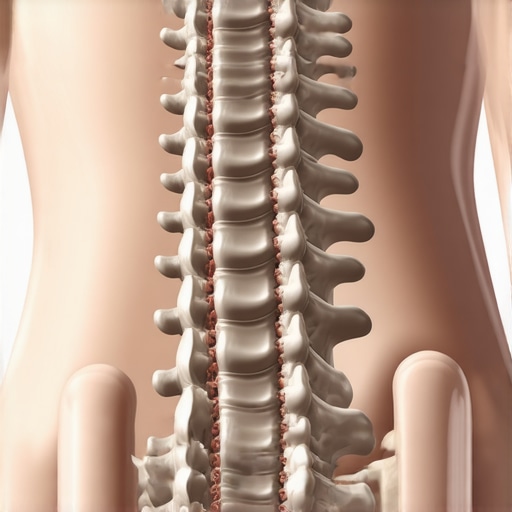
Our spinal discs act like shock absorbers between vertebrae, keeping movements smooth and pain-free. But here’s the kicker—these discs are mostly water, sometimes comprising up to 80% water content. When dehydrated, they lose volume and cushioning ability, increasing the risk of tears and herniations. This sneaky process can silently set us up for pain, nerve compression, and even long-term mobility issues.
Early on, I made a critical mistake—I ignored my water intake during busy days, thinking hydration was only for sports or hot weather. Trust me, that was a rookie error. Small habits like neglecting hydration can have big consequences on spinal health over time. For a deeper understanding, check out [this article on how dehydration impacts spinal discs](https://bodyrenewtherapy.com/connection-between-dehydration-and-spinal-disc-pain).
So, if you’ve been noticing creeping back discomfort, stiffness in your neck, or a sensation of instability, don’t chalk it up to aging just yet. Your hydration habits could be a hidden culprit, quietly weakening your spine’s natural defenses.
Now, let’s dive into how dehydration influences your spinal health and what practical steps you can take to prevent injury before it’s too late.
Prioritize Water Intake Consistently
Start your day with a glass of water as soon as you wake up; it jumpstarts your hydration. Set hourly reminders to drink a full glass—over time, this habit maintains your discs’ water content, preventing them from drying out. I once used a simple timer on my phone, and by the end of the week, I noticed a decrease in morning stiffness and improved mobility. Hydration isn’t just for athletes—it’s essential for preserving spinal cushion health.
Incorporate Mobility-Enhancing Exercises Daily
Engage in brief, targeted exercises that promote spinal flexibility and circulation. For example, a 3-minute thoracic rotation or pelvic tilts can loosen tight muscles and promote blood flow. I added these routines during my lunch break; initially clumsy and awkward, but consistently doing them made a noticeable difference in reducing stiffness and discomfort. Visit this guide for simple moves that can protect your spine from dehydration-related issues.
Optimize Your Posture Throughout the Day
Maintaining proper posture minimizes unnecessary strain on your discs. Use ergonomic furniture and be mindful of how you sit—for instance, avoid slouching or leaning forward excessively. I caught myself slumping at my desk after long hours; to correct this, I adjusted my chair height and used a lumbar roll. Small tweaks like these prevent disc compression and help your hydration efforts last longer by reducing muscle tension, which can dry out discs prematurely. Check ergonomic tips to craft a spine-friendly workspace.
Balance Your Activity and Rest
Refrain from excessive sitting or static positions. Break up long periods of desk work with movement—stand, stretch, or go for a short walk. I adopted the habit of standing during phone calls, which kept my spinal discs hydrated and discouraged stiffness. Remember, spinal discs thrive on movement—like a sponge needs water—so alternating activity and rest preserves their health. Explore mobility mastery tips for more strategies to keep your spine flexible and strong.
Stay Mindful of Your Hydration and Movement Patterns
Combining consistent water consumption with regular, mindful movement creates a synergy that strengthens your spinal health. Keep a hydration journal or use a hydration app to track your intake, ensuring you meet your daily needs. Pair this with movement routines, and you’ll notice improvements in pain and mobility. My approach involved recording my water intake and setting movement alarms—simple steps that translated into less pain and more vitality. Remember, small, consistent actions deliver lasting results for your spine.
Many people assume that persistent neck and back pain are solely caused by strains or aging, but the truth runs deeper. A common misconception is that these pains always originate from obvious injuries or overuse, leading many to focus solely on surface-level treatments. However, my experience and research reveal that underlying dysfunctions often go unnoticed—particularly issues related to movement variability and subtle postural patterns.
For instance, a prevalent myth is that immobilizing the spine with rigid posture or excessive rest helps alleviate pain. Contrarily, evidence from experts such as Stuart McGill emphasizes that controlled, varied movement is crucial for tissue health and resilience. Ignoring this can result in stiffness becoming habitual, making recovery more challenging.
Why do so many advanced practitioners still fall for this trap?Maintaining a healthy, pain-free spine over the long term requires more than just occasional stretches or hydration; it demands the right tools and consistent practices. One of my favorite tools is the **foam roller**, specifically the dense, 6-inch diameter model I use for lumbar and thoracic release. This device helps me target my tight muscles and fascia, releasing accumulated tension that can lead to nerve irritation or dysfunctional movement patterns. Personally, I prefer the TriggerPoint GRID foam roller because of its grid pattern that mimics the human anatomy, allowing deeper massage without the need for a professional massage every week.
Another essential addition is a **Tennis Ball**, which I slide against my wall or place under specific trigger points on my lower back or hips. It’s perfect for breaking up stubborn knots, especially around the piriformis, which often compresses the sciatic nerve. I use it daily after my mobility exercises, often following insights from experts like Dr. Stuart McGill, who emphasize the importance of targeted myofascial release for spinal health. For instance, applying gentle pressure with a tennis ball on tender spots has significantly reduced my sciatic discomfort and improved my mobility.
In terms of software, I rely on **mobility tracking apps** like Otter.ai integrated with my daily movement routines. These apps help me set reminders to walk, stretch, or perform specific mobility drills, ensuring consistency. Tracking my progress via these tools gives me a tangible sense of achievement and helps identify patterns that may cause pain or stiffness, allowing for proactive adjustment.
Looking forward, I predict that technological integration will become even more sophisticated. Wearable devices might soon provide real-time biomechanical feedback, alerting us when we’re deviating from safe movement patterns that could jeopardize spinal health.
How do I maintain mobility and strength over time? A simple yet effective strategy is to combine my foam rolling routine with targeted exercises like those found here. I dedicate ten minutes daily to foam rolling followed by a series of mobility drills, which keep my discs hydrated, my muscles flexible, and my movement fluid.The Unexpected Lessons That Changed My Approach to Back and Neck Pain
One of the most profound realizations I had was how overlooked hydration truly is in maintaining spinal health. I used to dismiss water intake as merely a way to quench thirst, until persistent stiffness and discomfort pushed me to dig deeper. It turned out that dehydration subtly erodes the cushioning discs in our spine, leading to increased vulnerability and pain. This lightbulb moment taught me that consistent, mindful hydration is a powerful tool in preventing long-term issues, not just a quick fix for thirst.
The Risks of Ignoring the Small Habits
I learned that neglecting your hydration routine or sitting with poor posture for extended periods can compound over time, creating a vicious cycle of stiffness and discomfort. Even when I thought I was managing well, my body silently suffered from these small, cumulative stresses. Recognizing these habits early, rather than hoping pain resolves itself, is crucial. I now understand that proactive, daily practices like setting hydration reminders and taking movement breaks have transformed my spinal resilience.
Why Movement Matters More Than Rest
Contrary to common beliefs, immobilizing your spine with excessive rest can do more harm than good. Controlled, varied movement—like gentle mobility drills or simple stretches—stimulates blood flow, keeps discs well-hydrated, and prevents stiffness. My own recovery journey cemented the idea that integrating movement throughout the day fuels spinal health, often with minimal effort. Discovering expert-backed routines and committing to consistent mobility gave me lasting relief and boosted my confidence in managing discomfort.
Sharing the Hidden Wisdom I Wish I Knew
- Ditch the Myths: Rigid postures and complete rest are not the answers; instead, embracing gentle, mindful movement is key.
- Listen to Your Body: Small signals like subtle stiffness or fatigue can warn of underlying dehydration or muscle imbalances, saving you from bigger problems.
- Equip Yourself: Tools like foam rollers and tennis balls, combined with targeted exercises, can be your best allies in maintaining spinal well-being.
- Stay Curious: Prioritize continuous learning—whether through reliable articles or expert consultations—to adapt your habits proactively.
My Essential Tools for a Pain-Free Spine
Over time, I’ve crafted a toolkit that keeps my back and neck healthy. A sturdy foam roller helps release fascia tightness, while a tennis ball pinpoints stubborn knots. Besides these physical aids, I rely on apps to track my hydration and movement routines, reinforcing consistency. These resources have personally empowered me to take control, leading to fewer flare-ups and a vibrant, mobile life. For in-depth guidance, I highly recommend exploring simple exercises that make a difference in spinal mobility.
Take Action and Feel the Difference
Deciding to prioritize hydration and regular movement transformed my experience with back and neck pain. If I can do it, so can you. Small daily adjustments can rebuild your spinal resilience and unlock a new level of comfort and mobility. Remember, your body’s most overlooked remedies are often right at your fingertips—water, simple stretches, and mindful habits. Embrace these changes today and witness the positive shift in your quality of life.
What’s the one small habit you’re willing to start or strengthen to support your spinal health? Share your thoughts below—I’d love to hear your stories and help you stay motivated!
,