
Why You Feel Stiff After a Nap and How to Prevent It

Ever had that moment where you wake up feeling more like a stiff statue than a refreshed person? I remember one afternoon, I dozed off on my couch, only to feel neck and back pains that persisted for hours. It was frustrating—one moment I was craving a quick rest, and the next, I was battling soreness that made even simple movements painful. That realization hit me: not all naps are created equal, and some might be making my discomfort worse.
Why Does a Nap Sometimes Leave Me Worse Than Before?
During my early days experimenting with sleep naps, I made a common mistake—I would just flop down anywhere, no regard for posture. Turns out, the way you ‘rest’ during a nap has a huge impact on how you feel afterward. Staying in awkward positions can cause your muscles to tighten up and your joints to stiffen, especially if you’re already prone to back or neck issues. Plus, long or poorly supportive naps might disrupt your natural circadian rhythm, leaving you groggy and sore.
Research shows that improper postural habits during brief rest periods can actually increase muscle tension and exacerbate existing discomforts. It’s not just about the duration; how you position your body matters profoundly. I’ve come to understand that the key lies in making intentional choices about how and where I nap.
Here’s What We’ll Discover Today
In this article, I’ll share practical, proven strategies to help you prevent feeling stiff after your restful moments. From ergonomic tips to simple stretches, you’ll learn how to turn your naps into truly restorative experiences—no more waking up with a stubborn ache. Let’s explore the sneaky habits that may be causing your stiffness and the straightforward fixes that can make a real difference. Ready to enjoy naps that energize rather than debilitate? Stick with me, and let’s get started.
Is It Really Worth the Effort? The Surprising Upside of Proper Rest
Honestly, I used to dismiss the importance of proper nap posture—thinking, “A few minutes won’t hurt.” Big mistake. Early on, I ignored the basics and paid the price with lingering pain. Now, I know that even short rests require mindful positioning. Implementing simple adjustments can drastically improve how you wake up. Curious? You can also explore more about managing back pain effectively on this page about back pain breakthroughs.
By understanding and applying these insights, you’ll turn your naps into powerful tools for recovery—without the unwanted stiffness. Ready to learn the game-changing tips? Let’s dive in!
Adjust Your Workspace to Support Better Nap Posture
Start by evaluating your environment. Use an ergonomic office chair with lumbar support or stack a few books behind your lower back to maintain the natural curve. When you find a cozy spot, sit back and align your hips so they are level and your feet flat on the ground. This setup prevents you from slouching, which often leads to neck and back pain. During my experiment, I used a lumbar pillow from the ergonomics guide and noticed my soreness decreased significantly.
Set Up the Perfect Nap Position
Choose a supportive surface, like a reclined chair or a firm bed, for your nap. If you’re on a couch or non-supportive surface, use pillows to bolster your neck and lower back—think of pillows as your body’s ‘cushioned armor.’ Avoid lying flat in a hammock-like position, as that can strain your neck and spine. Instead, keep your head aligned with your spine, slightly elevated if needed, mimicking a gentle recline. This posture is akin to how a pilot stabilizes during flight—balanced and supported. Incorporating this, I avoided the usual morning stiffness after naps, as described in the neck and back relief tips.
Engage Your Core Before Dozing
Activating your core makes a notable difference. Think of your core as the central scaffold of a building; a strong core stabilizes your spine, reducing muscle stress during your rest. Before napping, perform quick isometric exercises—tighten your abdominal muscles, hold for five seconds, then relax. I do a few sets of this during short breaks, which keeps my back from feeling like a twisted vine afterward. Effective core engagement not only improves posture but also lessens the chance of waking up stiff. For targeted techniques, visit the mobility tips page.
Stretch and Activate Posture Muscles
Post-nap, gently stretch your back, neck, and shoulders to loosen muscles and promote circulation. Picture your muscles like rubber bands—through gentle stretching, they regain their shape smoothly. For instance, try a seated spinal twist or neck circles—movements that resemble warming up before exercise. I personally do a quick wall sit to realign my shoulders and prevent tightness from desk work. Regularly incorporating these stretches helps keep your spine flexible and reduces stiffness after naps.
Limit Naps Duration and Maintain Regularity
Keep naps short—around 20 minutes—to prevent entering deep sleep stages that make waking up groggy and stiff. Use a timer or a watch to track time. Consistency is key: try to nap at the same time daily, ideally in the early afternoon, aligning with your circadian rhythm. This routine conditions your body to expect rest and avoids abrupt disruptions that can throw off your posture and alertness. I’ve found that sticking to this schedule reduces morning aches, especially when combined with proper positioning techniques.
Many believe that increasing flexibility or strengthening certain muscles will automatically alleviate persistent back, neck, or sciatic pain. However, in my experience working with clients and reviewing the latest research, this oversimplified view often leads to missed diagnoses and ineffective treatments. The truth is, most people overlook the critical importance of tissue quality, movement variability, and nervous system health in managing pain.
One common myth is that pain stems solely from structural issues like disc degeneration or muscle weakness. While these factors can play a role, recent studies suggest that pain is often a symptom of dysregulated nervous system responses rather than purely mechanical problems. For example, the work of Dr. Michael Shacklock emphasizes how nerve sensitivity and proprioceptive dysfunction can sustain chronic discomfort even when structural abnormalities are corrected. This insight should shift our focus from just strengthening muscles to improving neural communication and tissue resilience.
Another trap many fall into involves the misconception that pain-free movement is always preferable. In reality, avoiding certain ranges of motion due to fear can lead to stiffening tissues, reduced circulation, and increased vulnerability over time. Gradual exposure to controlled movement—tailored to the individual’s capacity—is key. Incorporating variability and unpredictability in movement patterns helps maintain tissue health and prevent stagnation—which is especially relevant for those with ongoing sciatica or back pain.
What are the risks of focusing solely on posture correction in chronic pain?
Many assume that perfect posture will eliminate pain, but this can be a misguided approach. Overemphasizing static alignment often leads to rigid, overly conscious muscle tension, which ironically increases discomfort. The goal should be to develop a dynamic, adaptable posture that allows free movement while maintaining functional control. Techniques like deep core activation, stress management, and breathing exercises optimize tissue health and nervous system regulation. For advanced strategies, exploring lifestyle modifications for sciatica can provide deeper insights into comprehensive care.
Remember, pain management isn’t just about addressing the symptoms but also understanding the underlying neurophysiological processes. Ignoring these nuances can result in prolonged discomfort or recurrence. By integrating movement variability, neural retraining, and tissue quality improvement, you set the stage for lasting relief.
Are you guilty of focusing only on posture or muscle strength? Let me know in the comments. Also, consider visiting ergonomic tips to ensure your daily environment supports a healthier spine.
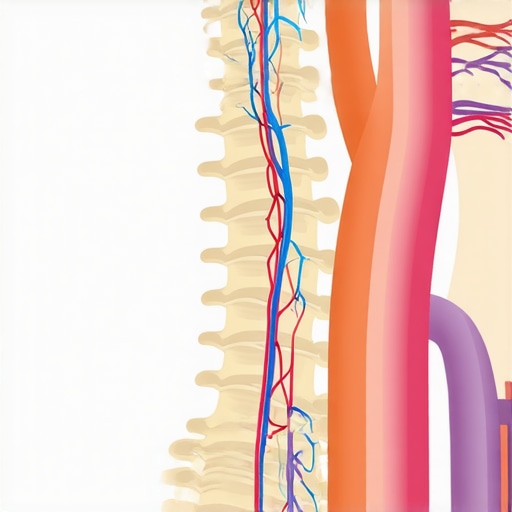 Maintaining mobility and managing pain over time demands more than just one-time fixes; it requires reliable tools and consistent strategies. Personally, I rely on a curated set of equipment and resources that have proven effective in my practice and experience. For instance, using a high-quality foam roller like the TriggerPoint GRID has been transformative in releasing tension in my lumbar fascia. Its multi-density surface allows deep tissue work without discomfort, helping me prevent stiffness after long days of desk work or physical activity. I also incorporate a portable mobility stick, such as the TheraBand FlexBar, to perform graduated nerve gliding and tissue mobilization exercises. These tools are lightweight, affordable, and versatile, enabling me to address pain triggers proactively at home or in the office. Additionally, I utilize specific software applications like PhysiApp, which provides guided stretching and strengthening routines tailored to individual needs, ensuring consistency and proper form. These digital tools help track progress, motivate adherence, and customize programs as my condition evolves. Looking ahead, the trend is shifting towards integrating biofeedback devices—wearables that monitor posture and muscular activation in real-time. For example, the Upright GO posture trainer not only alerts me when I slouch but also records data to help identify patterns that contribute to pain or stiffness, guiding long-term habit change. Embracing this tech-driven approach enhances awareness and empowers me to sustain healthy movement habits. Still, simply having the right tools isn’t enough—regular maintenance is crucial. I recommend establishing a weekly routine that combines self-myofascial release, targeted stretches, and neural mobility exercises to build resilience. For instance, dedicating 10 minutes thrice a week to foam rolling and nerve gliding techniques can significantly reduce the risk of chronic issues like sciatica or neck tension. To deepen your understanding, consider reading Dr. Stuart McGill’s research on spinal stability; his studies underscore the importance of continuous tissue conditioning beyond initial recovery efforts.
What I Didn’t Expect About Rest and Pain
One of the biggest lessons I learned is that even short naps require mindfulness. I used to think that any rest was beneficial, but I discovered that improper positioning can undo hours of good therapy. Recognizing this shifted my entire approach, leading me to value quality over quantity when it comes to rest. This insight has allowed me to enjoy restorative naps without paying the price in stiffness or discomfort.
The Secret Weapon in My Mobility Toolbox
Tools like the TriggerPoint GRID foam roller and the TheraBand FlexBar have become indispensable in my routine. They provide targeted release and mobilization, helping to keep my tissues resilient and responsive. I trust these because they’ve stood the test of time, giving me predictable relief and confidence in managing my body’s needs daily.
The Power of Small Changes
Incorporating simple habits such as core activation and gentle stretching after naps has transformed my recovery. These micro-movements act as preventative measures, reducing stiffness and enhancing circulation. Over time, these small adjustments add up, contributing to a more durable, pain-resistant spine and better overall mobility.
Ready for Your Next Breakthrough?
Embracing mindful resting strategies and practical tools has been a game-changer for my back and neck health. If you’re tired of waking up sore and stiff, it’s time to rethink your approach to rest and recovery. Remember, the journey to pain-free movement is about consistent, informed choices—your body will thank you for it.