
How to Use Heat and Ice Correctly for a Sudden Back Flare-Up
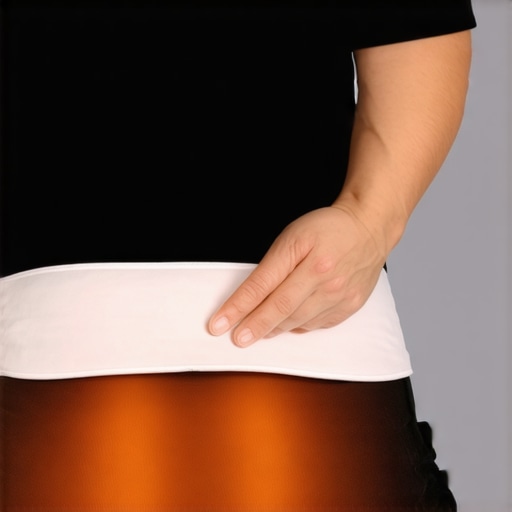
Have you ever felt that icy shock or fiery throb in your back unexpectedly, right when you least expected it? One moment you’re moving along, and the next, it’s as if a lightning bolt struck your spine. I remember the first time I experienced a sudden back flare-up—it hit me during a simple bend to pick up my groceries, and I was immobilized for hours. It was a wake-up call that showed me just how unpredictable back pain can be and how crucial it is to know the right way to use heat and ice treatments on the spot.
Why Knowing How to Use Heat and Ice Matters More Than You Think
Understanding the correct application of heat and ice isn’t just about comfort—it’s about actively influencing your body’s healing process. In my early days of dealing with back pain, I often relied on generic advice: slapping an ice pack or a heating pad without much thought. Little did I know, I was sometimes doing more harm than good. An improper approach can prolong pain or even worsen inflammation. The key is to recognize what your body needs at each stage of a flare-up and to respond accordingly.
Is Prioritizing Heat or Ice Always Necessary? My Biggest Mistake
I used to believe that always applying ice was the best way to reduce swelling and inflammation—and I was wrong. Sometimes, heat is better, especially in the early stages of certain flare-ups. A mistake I made was to consistently reach for ice, thinking it was the all-in-one solution. This misguided habit delayed my recovery until I learned to listen to my body’s signals and adapt accordingly. Want to see how I improved my approach? Check out this resource for more insights.
So, how do you decide what to use when your back suddenly protests? That’s what we’ll uncover next. Stay with me, because mastering this simple technique could mean the difference between days of discomfort and quick relief. Have you ever faced a sudden back flare-up where you weren’t sure whether to grab heat or ice? Drop your experiences in the comments—I’d love to hear your story.
Identify the Stage of Your Back Flare-Up
Before deciding on heat or ice, assess whether your pain feels sharp, swollen, or stiff. Think of your back like a garden: ice is like a cold shower for a freshly damaged plant, reducing inflammation. Heat acts as a gentle sun, loosening tight soil and muscles. I once faced a stubborn sciatic flare after a long day of sitting. I started with ice to tame the swelling, then switched to heat as the stiffness set in. Recognizing these stages helps you use treatments effectively.
Learn When to Apply Ice for Swelling and Acute Pain
Apply ice when your back is swollen, inflamed, or feeling sharp. Use a cold pack wrapped in a thin cloth for no more than 15–20 minutes per session. Repeat every 1–2 hours during the first 48 hours. During one instance, I wrapped a bag of frozen peas in a towel and placed it on my lower back immediately after feeling a sudden sharp pain from bending. The ice reduced swelling, and I avoided further injury. Remember, ice prevents nerve conduction, soothing pain and limiting tissue damage.
Watch Out for Over-Icing
Longer doesn’t mean better. Excessive cooling can cause frostbite or skin damage. Always set a timer and use a barrier between your skin and the ice. During my early missteps, leaving the ice pack on for too long numbed my skin, leading to discomfort. Stick to recommended durations and reapply as needed.
Implement Heat to Relax Tense Muscles and Increase Blood Flow
Use heat when stiffness or muscle tension dominates, usually after the initial inflammation subsides. A moist heat pack or warm towel applied for 15–20 minutes can improve flexibility. I recall a night when my back felt like a frozen board. Applying heat loosened the muscles, making stretching easier. Heat increases circulation, helping nutrients reach damaged tissues and expel waste products.
Choose the Right Heat Source
Opt for moist heat for better penetration—think of it like steam opening pores. Electric heating pads are convenient, but a hot towel or rice sock molds better to your body’s contours. During my recovery, I filled a sock with rice, heated it, and pressed it against my lower back, providing deep warmth that eased persistent tension.
Alternate Heat and Cold Strategically
Switching between ice and heat can accelerate healing. Use ice during active inflammation and switch to heat once swelling decreases. For example, after the initial injury, I began alternating to manage lingering stiffness and residual swelling. Limit each session to 15–20 minutes, allowing your tissues to respond without shocking your system.
Develop a Routine That Fits Your Pain Pattern
Track your flare-ups to understand when to switch treatments. Keep a journal noting pain levels and treatments used. Over time, I noticed that applying ice in the morning minimized stiffness, while heat in the evening helped me relax before bed. Consistency ensures your back receives the right care at the right time.
Be Mindful of Individual Responses
Everyone’s back responds differently—listen to yours. Some prefer cold packs, while others find heat more soothing. If you notice increased pain or numbness, discontinue and consult a healthcare professional. Personal experience teaches that adjusting your approach based on feedback yields the best results.
Integrate Into Your Daily Habits
Incorporate heat and ice routines into your daily activities, like applying heat before stretching or ice after strenuous movement. For instance, I used a heating pad before morning yoga and an ice pack after heavy lifting. Building these routines ensures consistent relief and helps prevent flare-ups from escalating.
 When it comes to back pain and related issues like sciatica or neck discomfort, many believers cling to oversimplified myths that can actually hinder recovery. Contrary to popular belief, not every pain is a sign of a severe structural problem; sometimes, it’s a matter of misunderstood movement patterns or overlooked postural habits. For example, many still assume that rest is always best, but recent studies show that controlled movement can accelerate healing, especially when combined with targeted mobility exercises available at [mobility mastery](https://bodyrenewtherapy.com/mobility-mastery-daily-tips-to-keep-your-spine-and-joints-healthy). One frequent mistake is misinterpreting pain signals—thinking that ‘sharp’ always equals ‘danger,’ which might lead you to avoid necessary movement, prolonging stiffness and discomfort. The nuance lies in recognizing the stages of pain and applying appropriate strategies at each phase. An advanced consideration is understanding how nerve irritation differs from muscular strain, requiring specific techniques like nerve flossing to prevent chronic issues, as discussed in [sciatica relief secrets](https://bodyrenewtherapy.com/sciatica-relief-secrets-how-to-banish-pain-quickly-today). But here’s where many stumble: attempting to fix everything with generic stretches or foam rolling without discerning the root cause. This can lead to more harm than good, especially if joint instability or poor posture is involved, which often requires a tailored approach outlined in [reviewing back mobility](https://bodyrenewtherapy.com/unlocking-mobility-expert-tips-on-managing-back-pain-in-2025). Have you ever fallen into this trap? Let me know in the comments. Recognizing the subtle distinctions—like between nerve pain and muscle soreness—and addressing them correctly can transform your recovery process. For the advanced, examining how poor breathing patterns contribute to back tension unlocks even deeper relief pathways, supported by research in [breathing and low back pain](https://bodyrenewtherapy.com/the-link-between-tight-pecs-and-constant-shoulder-aches). Understanding this heeds the importance of holistic assessment rather than only superficial treatments. Remember, managing back pain isn’t just about targeting symptoms but identifying nuanced factors that often go unnoticed—like subtle joint misalignments or chronic postural habits—that can perpetuate discomfort despite standard therapies. This is why consulting with specialists who evaluate the entire kinetic chain matters, as emphasized in [expert tips on managing back pain](https://bodyrenewtherapy.com/unlocking-mobility-expert-tips-on-managing-back-pain-in-2025). So, next time you experience a flare-up, consider whether you’re addressing the right underlying factors rather than just masking the pain. The depth of understanding could be your ultimate advantage.Maintaining your back’s health over the long haul requires more than just occasional care; it involves integrating effective tools and routines into your daily life. One of my top recommendations is investing in a high-quality foam roller, like the TriggerPoint GRID, which I personally use daily to release muscle tension and promote mobility throughout my spine and hips. Its rigid outer shell combined with a softer interior allows for targeted pressure that penetrates deeply, helping prevent stiffness and poor posture from becoming chronic issues.
Alongside physical tools, employing a reliable posture monitoring app such as Upright GO helps me maintain awareness of my spinal alignment during work hours. This device gently vibrates when I slouch, nudging me to correct myself before discomfort sets in. As technology advances, I predict an uptick in wearable devices that not only alert you but also provide biofeedback to optimize spinal health continuously. Exploring such innovations can be game-changing in our quest for long-lasting mobility.
How do I maintain my back and neck health over time? The answer lies in a combination of strategic tools and consistent habits. For instance, regular use of mobility exercises like those outlined at this resource ensures I stay ahead of stiffness and pain. Additionally, scheduling periodic sessions with a knowledgeable physiotherapist helps me detect and address subtle misalignments before they escalate. Routine stretching routines, such as the 3-minute thoracic mobility drills, are also vital for maintaining flexibility and preventing recurrent flare-ups.
To make these tools truly effective, I recommend setting a weekly routine where you evaluate your mobility status, update your toolkit, and stay informed about emerging technologies. Don’t hesitate to experiment with different modalities—like combining heat therapy with myofascial release—to discover what works best for your unique body. Implementing these strategies has helped me not only manage existing pain but also build resilience, so I can enjoy an active lifestyle without constant fear of setbacks. Consider trying the trigger point foam rolling (like the TriggerPoint GRID) combined with posture reminders from wearable tech to experience a practical, personalized approach to maintaining your back health.

Prompt: Close-up of a person using a TriggerPoint foam roller on their lower back, emphasizing self-myofascial release techniques for back pain relief. Having the right tools at your disposal can vastly improve your ability to sustain mobility and reduce pain. As research in biomechanics indicates, consistent maintenance practices significantly lower the risk of chronic issues and promote overall spinal health. Embracing advanced tools and integrating them into a disciplined routine is a forward-thinking approach—setting yourself up for a future where pain is managed proactively rather than reactively. Try incorporating a foam roller into your daily regime and see the difference yourself. Remember, small, sustained actions lead to long-term results in keeping your back functioning optimally.
The Hard-Earned Truth About Moving Forward With Back Pain
After experiencing countless flare-ups and experimenting with different strategies, I realized that patience and persistence are my greatest allies. The most valuable lesson I learned was that recovery isn’t a straight path; it’s filled with small victories and setbacks that teach us resilience. Embracing this mindset transformed my approach, turning frustration into motivation and confusion into clarity. When I stopped rushing and started listening more intently to my body’s signals, I unlocked a level of healing that no quick fix could offer.
Tools That Made My Back Better—And Why You Should Try Them Too
Through trial and error, I’ve come to rely on specific tools that truly make a difference. A sturdy foam roller like the TriggerPoint GRID helps me release stubborn muscle knots daily, especially after long hours at my desk. Additionally, posture-monitoring devices such as Upright GO serve as gentle reminders to sit and stand correctly, preventing long-term misalignments. These tools, combined with consistent movement routines, create a powerful shield against future flare-ups and keep me active and pain-free.
Taking Action: Your Comeback Starts Today
The journey to back health is personal but always worth pursuing. Each step—be it mastering proper heat and cold application, integrating mobility exercises, or using innovative tech—brings you closer to a stronger, more resilient spine. Remember, no one else can do this for you; your commitment and willingness to learn make all the difference. If you’re ready to reclaim your mobility and live pain-free, start with small, manageable changes today. Your future self will thank you for it.
What small step will you take today to improve your back health? Share your plans or experiences below—I’d love to hear how you’re making progress on your journey.