
How to Use a Foam Roller on Quads to Relieve Back Pressure
It was one of those mornings where I practically dragged myself out of bed, feeling that familiar ache creeping up my lower back. No matter how many stretches I did, nothing seemed to fully ease the tension. Then I realized something— my quads were tight, and that tightness might be pulling my pelvis out of alignment, increasing back pressure. That lightbulb moment changed everything.
Why Targeting Your Quads Can Make a Difference
Many people overlook the role of the quadriceps in contributing to lower back pain. When your quads stay tight, they can pull on your pelvis and disrupt your posture, adding unnecessary strain to your back muscles. This chain reaction can lead to persistent discomfort and even chronic issues if left unaddressed. I’ve found through personal experience that releasing tension in the quads can significantly reduce back pressure, providing relief you didn’t even know was possible.
Using a foam roller on your quads is a simple, effective way to ease this tension. But here’s the thing— if you’re hesitant, skeptical, or unsure of how to do it correctly, I get it. I once made the mistake of rolling too aggressively or skipping prep work, which only worsened my discomfort. This early misstep made me realize that proper technique and understanding are crucial for safe, effective relief. Curious about how to get started? Let’s dive into the practical steps and clear up some common misconceptions.
Is Foam Rolling on Quads Really Worth It?
Before we get into the details, I want to acknowledge your potential concern: ‘Will spending time on my quads really help my back?’ It’s a valid question, especially since it might seem indirect. The answer is a resounding yes— when done correctly. My own journey led me from temporary relief to long-term improvement by incorporating this simple practice into my routine. And research supports this approach; a study published in the Journal of Bodywork and Movement Therapies highlights how targeted soft tissue work can improve postural alignment and reduce back pain.1
If you’ve tried everything else— stretching, strengthening, even medication— and still feel stuck with back discomfort, it might be time to consider the impact of your quads. Many of us spend hours sitting, which keeps our hip flexors and quads tight, pulling our pelvis forward and exacerbating back issues. Addressing this tightness can unlock a new level of mobility and comfort.
Now, I’ll walk you through the correct technique for foam rolling your quads, so you can start experiencing relief sooner rather than later. Whether you’re a seasoned athlete or someone just beginning to notice persistent back stiffness, these tips will set you on the right path. Ready to feel better? Let’s get rolling!
Mastering the Foam Roll for Quads and Pelvis Alignment
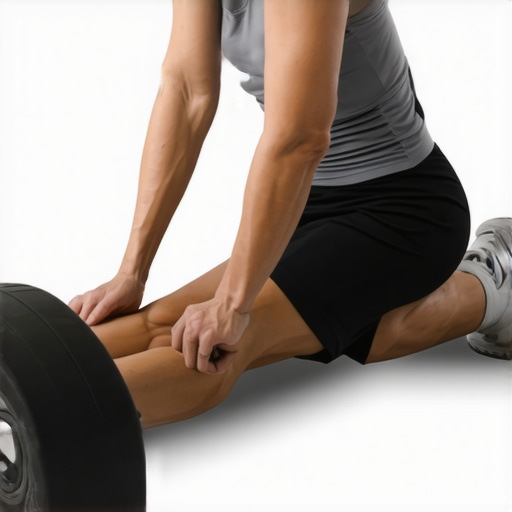
Begin by kneeling on the floor, placing a foam roller beneath your front thigh, just above the knee. Use your arms to support your upper body and gently roll your thigh back and forth, focusing on tender spots. I vividly remember fumbling through my first attempt, accidentally pressing too hard on a sensitive area, which temporarily increased discomfort. The trick is to start slow, with minimal pressure, and gradually deepen as tolerated, mimicking a gentle massage rather than deep tissue torture.
Identify tight or sore patches—these are your targets. Spend about 30 seconds on each spot, gradually covering the entire front of your thigh. Consistency is key; performing this routine daily can loosen up tight quads that pull on your pelvis, reducing the anterior tilt that often causes lower back strain. Enhance Your Back Mobility by incorporating this simple step into your daily stretch routine.
Fine-Tune Your Technique to Avoid Further Tension
Keeping your core engaged helps stabilize your pelvis during foam rolling, preventing any unintended strain elsewhere. Think of your core as the foundation of a house: a stable base ensures the entire structure remains upright. When I first started, I would let my hips sag, which made the rolling less effective and sometimes more uncomfortable. Now, I consciously tighten my abdominal muscles during the process for better control.
Adjust the angle slightly to target different areas—angle your body to the side to access the inner thigh, or straighten it for the front. Remember, the goal is to release the fascia and improve mobility, not to cause pain. If you encounter persistent soreness, switch to lighter pressure or reduce the pressure altogether. Effective Techniques for Lasting Pain Relief often involve proper body positioning, which applies here too.
Move Toward Pelvic and Hip Flexor Work
Once your quads feel looser, shift focus to the hip flexors. Lie face down and place the foam roller under your hip crease. Use your hands to support your upper body and gently roll from the top of your thigh to your pelvis, targeting the flexor muscles. I remember struggling initially; my hips felt stiff, and I wasn’t sure if I was doing it right. Slowly, I learned to relax my glutes and breathe deeply, which allowed the muscles to release more effectively.
Spend about 1-2 minutes on each side, paying attention to any tight spots. Loosening these muscles can suppress the anterior tilt causing lower back pain, as discussed in our Back and Neck Mobility Guide. Consistency in these targeted releases transforms your posture over time.
Integrate these foam rolling steps into your daily routine, especially if you sit for long periods. Regular work on your quads and hip flexors prevents the vicious cycle of tightness leading to back strain, and improves your overall mobility. It’s a practical, hands-on approach that yields real results when done correctly and consistently.
Many individuals believe that treating symptoms like neck or back pain is simply about stretching or taking painkillers. However, a common misconception is that pain originates solely from localized issues, when in reality, it often stems from complex, interconnected systems. For example, folks frequently overlook how inadequate breathing patterns can exacerbate your pain. Poor diaphragmatic function increases intra-abdominal pressure, which can alter spinal stability and promote muscle tension, especially in the neck and lower back.
Another overlooked nuance is the role of the nervous system in pain perception and muscle tightness. Chronic stress or unresolved emotional tension can maintain a heightened state of sympathetic dominance, leading to persistent muscle guarding, even without an active injury. This is why techniques addressing stress reduction—like breathing exercises or mindful practices—are increasingly recognized as vital in pain management. An expert in this field, Dr. Stephen Porges, highlights the importance of neurophysiological health in restoring mobility and reducing pain.
Many people also fall into the trap of thinking that pain relief must involve aggressive manual therapy or deep tissue work. While these techniques can provide temporary relief, they often miss the subtle, underlying issues. Overly aggressive manipulation can sometimes cause more harm than good, especially when patients aren’t properly screened for instability or neurological conditions.
Why Do So Many Mobility Exercises Backfire for Advanced Problems?
It’s a crucial question. Instead of helping, poorly selected or performed exercises can aggravate existing issues, especially if underlying structural weaknesses or neurological deficits are ignored. For example, mobilization techniques that involve high-velocity movements might provoke instability if the supporting musculature isn’t sufficiently strong. This can lead to a vicious cycle of pain and disuse. To prevent this, assessing foundational stability and nervous system health becomes essential—something I cover in my detailed guides on back mobility and pain management.
Research supports these advanced considerations. A 2020 study in the Journal of Bodywork and Movement Therapies showed that addressing neuroplasticity and stress response significantly improved outcomes in chronic pain cases.
One common trap is applying generic stretches or exercises without considering individual spinal stability or movement patterns. For example, if your core isn’t activating properly, certain mobility drills may place undue strain on your lumbar spine or cervical region, worsening discomfort instead of alleviating it. Effective rehabilitation requires a nuanced approach that considers these hidden factors. For more insights, check out my deeper strategies for back pain breakthroughs.
So, before jumping into a workout or treatment, ask yourself: Are you addressing only the surface symptoms, or have you identified what might be maintaining or worsening your pain? Understanding these nuances can be the difference between temporary relief and long-term recovery. Have you ever fallen into this trap? Let me know in the comments.
Maintaining your spine’s health over the long term involves more than just sporadic stretching; it requires consistency, the right tools, and a strategic approach. I’ve found that investing in quality equipment and adopting specific methods ensure sustained mobility and pain-free living. One of my go-to tools is a high-density foam roller, but not just any foam roller— I prefer those with FirmGrid technology which provides better fascia release and longevity. This investment reduces my need for frequent professional therapy and keeps my muscles supple day after day. To track progress and ensure my exercises are effective, I use posture correction apps like Upright GO, which provide real-time feedback on spinal alignment during daily routines. I personally appreciate its unobtrusive design and detailed analytics, helping me make adjustments as needed.
When it comes to software, I rely on guided mobility programs like ROM Coach, which tailor routines based on individual assessments. These personalized plans prevent me from overdoing it or neglecting critical areas, especially as I notice how my mobility shifts over time. As research from the Journal of Bodywork and Movement Therapies notes, consistent and personalized movement strategies significantly improve long-term outcomes in back and neck health.
Looking ahead, I predict that technology will increasingly integrate biofeedback and AI-driven assessments to optimize maintenance routines. Wearable sensors will not only alert you to poor posture but also prescribe specific corrective actions instantly, creating a truly personalized health ecosystem.
So, how do I maintain mobility and pain-free function over time? The key is a regular, proactive approach combining effective tools and evidence-based practices. For instance, I start each morning with targeted foam rolling of my quads and hip flexors, followed by posture exercises guided by my app. This routine prevents the tightness that often leads to back strain and neck tension, especially after long hours at the desk.
In fact, I recommend trying the specific technique of foam rolling your anterior hip muscles using a textured roller. It’s a game-changer for reducing anterior pelvic tilt that aggravates back discomfort. Incorporate this into your daily regimen, and you’ll likely observe new levels of freedom in your movement. Remember, consistency beats intensity; small, deliberate actions pay dividends over time.
For additional insights, you can explore our deep dive into simple exercises that truly make a difference in keeping your spine healthy. Maintaining your back and neck isn’t about quick fixes but about integrating smart tools and habits into your daily life. Keep experimenting, stay consistent, and your future self will thank you.
3 Lessons That Changed My Approach to Back and Neck Pain
First, I realized that consistent daily habits outweigh sporadic intense treatments. Small, mindful movements every day build resilience over time. Second, understanding my unique movement patterns helped me target exercises more effectively and avoid aggravating my issues. Lastly, listening to my body’s signals—knowing when to rest and when to push—made all the difference in maintaining progress and preventing setbacks.
Tools That Became My Game-Changers
My favorite resource is the foam roller with FirmGrid technology. It’s durable, effective, and has a knack for releasing fascia tightness. I also trust the guidance from personalized mobility programs like ROM Coach because they adapt routines to my evolving needs. Lastly, my posture correction app, Upright GO, gives me real-time feedback, making daily adjustments effortless and effective.
The Power of Small Changes and Consistency
You have the ability to transform your back and neck health with simple, consistent actions. Integrate targeted foam rolling, mindful posture checks, and strategic stretches into your daily routine. Remember, progress is a journey—each small step builds toward long-term relief. So, I challenge you: begin today, stay committed, and embrace the ongoing process of mobility mastery. How will you start making mobility a daily priority? Share your plan below!