
The Daily Foot Massage Habit That Relaxes Your Entire Back
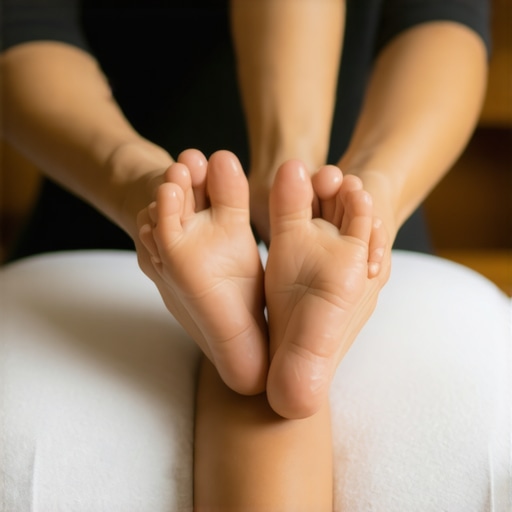
It was just another crowded morning when I caught myself grimacing at the mirror, trying to stretch my aching back after another restless night. Suddenly, I realized I’d been neglecting a surprisingly simple secret—yet incredibly effective—to ease my back pain every day. That lightbulb moment changed everything. I started incorporating a daily foot massage routine, and within days, my back felt lighter, more flexible, and surprisingly relaxed. That’s when I knew I had stumbled upon something worth sharing.
The Little Habit That Makes a Big Difference for Back Relief
Many of us suffer from back tension that seems to drain our energy and limit mobility. I used to believe that only deep stretches or professional massages could help, but I learned that the key might be right at my feet. Yes, a simple daily foot massage can activate pressure points connected to your entire back, promoting relaxation and reducing stiffness. This isn’t just a placebo—research shows that touching specific areas on your feet can influence nerve signals and muscle tension throughout your body (source). It’s like giving your spine a gentle reset, one foot at a time.
Why You Should Start Today
If you’re tired of waking up stiff or feeling that dull ache after a long day, I promise this quick routine is worth trying. It’s affordable, requires no equipment, and you can do it while catching up on your favorite show or even during a quick break at work. Over time, this small daily habit can contribute to better posture, improved circulation, and a noticeable reduction in back discomfort. The best part? You’ll feel the benefits almost immediately, and they keep building as you stay consistent.
Is Foot Massage Actually Worth the Hype?
Let’s be honest. I was skeptical at first. I thought, “How could just touching my feet possibly help my back?” I made the mistake of dismissing this technique because it sounded too simple. But I soon realized that dismissing small, natural methods often leads to missing out on relief. My early mistake was overcomplicating my pain management, neglecting the powerful connection between my feet and back. And I’ve seen firsthand how this tiny shift made a huge difference in my daily comfort. If you’re curious, explore how this approach compares to other back relief strategies in our comprehensive guide to back pain breakthroughs here.
Locate the Right Pressure Points on Your Feet
Start by sitting comfortably, placing your foot on a stable surface. Use your thumb to gently press the arch, heel, and ball of your foot, areas linked to muscles and nerves in your back. Imagine your foot as a map, with each zone corresponding to different parts of your body. In my own experience, I initially massaged randomly, but over time, focusing on specific spots yielded more relief, especially around the heel and arch, where I found tender points that mirrored my back discomfort.
Employ Proper Technique for Maximum Relief
Apply firm, steady pressure with your thumb or a massage ball, and make small circular motions over the identified points. Don’t press too hard; the goal is to stimulate nerve endings without causing pain. Think of it like waking up your body’s communication system — gentle but deliberate touches send signals that help relax tense muscles in your back. During my session, I used a tennis ball, rolling it under my foot, which was a mess at first—longer sessions left me feeling more relaxed, and I learned to listen to my body’s responses.
Integrate Gentle Stretches After Massage
Once you’ve massaged your feet, follow up with light stretches targeting your back and hips. Simple moves like knee-to-chest stretches or gentle twists can further release tension. Picture your spine as a flexible bridge—the massage relaxes the supports, and stretching helps maintain the balance. My attempt to do a quick stretch afterward was initially awkward, but over time, I noticed that my back felt less stiff for hours afterward, especially when I focused on slow, mindful movements.
Consistency is Key for Long-Term Benefits
Make foot massage a daily routine, ideally in the morning or before bed. Over weeks, this simple ritual can improve circulation, reduce nerve tension, and promote better posture. Think of it as tuning a musical instrument—you need regular adjustments to stay in harmony. I started with just five minutes a day, and gradually increased as I noticed improvements. The process was straightforward, making it easy to commit, and the benefits compounded with patience.
Combine with Lifestyle Changes for Optimal Results
Complement your foot massage with ergonomic adjustments at work and regular movement. Proper sitting postures, for example, can minimize back strain. Visit our page on simple exercises to enhance back mobility to find out more. Incorporating these habits creates a comprehensive approach that addresses the root causes of back pain, ensuring that your efforts in foot massage translate into lasting relief.
 Many people believe that persistent back or neck pain stems purely from structural issues like disc degeneration or muscle strains, but the reality is often more nuanced. A common misconception is that pain always signals damage; however, pain can persist even after healing, due to nerve sensitization and central nervous system changes, as highlighted by Dr. Lorimer Moseley, a leading pain scientist. This means that addressing only the structural aspect without considering neurological and psychological factors may lead to temporary relief at best. An advanced mistake many make is overlooking the importance of movement variability; sticking to the same exercises or movements can reinforce faulty patterns and stagnate progress, as discussed in recent research on pain neuroscience education. When it comes to sciatica, some assume it always requires aggressive interventions like injections or surgery, yet studies show that conservative strategies—such as targeted nerve flossing and lifestyle adjustments—can offer lasting relief, as outlined in our guide to sciatica resolution. Be cautious of falling into the trap of misdiagnosis, especially when symptoms overlap with other issues like hip impingement or degenerative conditions; consulting with a specialist who considers the broader picture is crucial.
Are there subtle signs that indicate a hidden nerve sensitization rather than a structural injury?
Recognizing signs like pain that worsens with psychological stress, improves with gentle movement, or radiates unpredictably might point to nervous system involvement rather than just mechanical problems. External evidence supports this approach; a study published in the Journal of Pain emphasizes the significance of neuroplasticity in chronic pain management, urging practitioners to incorporate education and neurologically informed therapies. By understanding these deeper nuances, you can avoid common pitfalls and adopt a holistic strategy tailored to your body’s complex responses. For more insights on effective pain management, explore our comprehensive resources on back and neck health, including back pain breakthroughs and neck pain solutions. Have you ever fallen into this trap? Let me know in the comments.Maintaining your back, neck, and overall mobility over time calls for more than just sporadic stretches or quick fixes. Investing in the right tools and establishing consistent routines can make a significant difference. One of my favorite pieces of equipment is a quality foam roller, particularly for targeting the thoracic spine and releasing muscle tension that often contributes to long-term discomfort. I personally prefer a firm, textured foam roller, which I use daily to facilitate my mobility exercises. Unlike softer options, this type provides the stability needed for deep tissue work, helping to improve posture and reduce pain episodes. Additionally, I incorporate resistance bands for gentle, controlled mobility drills, especially around the hips and shoulders. These are invaluable for maintaining joint range of motion, especially as I age or after periods of inactivity. For software, I rely on specialized mobility tracking apps that remind me to move every 20 minutes during work, ensuring I avoid the pitfalls of prolonged static postures. These apps also help log progress, motivating me to stay consistent. In the future, I predict wearable devices with real-time biofeedback will become more prevalent, guiding us to perfect movement patterns at home or in the clinic. This tech evolution promises a more personalized approach to back health, emphasizing prevention rather than reactive treatment. So, I urge you to try using a textured foam roller tonight—focusing on your thoracic region—to experience immediate relief and enhance your long-term flexibility. Incorporate resistance bands into your daily routine to prevent stiffness, and explore mobility apps to stay accountable.Throughout my journey with back pain and mobility challenges, I learned that some of the most powerful lessons come from embracing small, mindful habits and questioning long-held beliefs. One of the hardest lessons I discovered was how quick fixes often mask symptoms without addressing root causes — leading to cycles of temporary relief and frustration. Recognizing the importance of consistent, personalized routines transformed my approach, reminding me that our bodies thrive on gentle, sustained attention rather than aggressive interventions. Additionally, I realized that genuine progress hinges on understanding the nuanced signals our bodies send, like subtle nerve sensitivities or movement patterns, which traditional assessments might overlook. These insights encouraged me to look beyond surface solutions and explore holistic strategies rooted in patience and curiosity, ultimately unveiling a more resilient, pain-free future.