
Why You Feel a Sharp Pinch in Your Back When You Sneeze
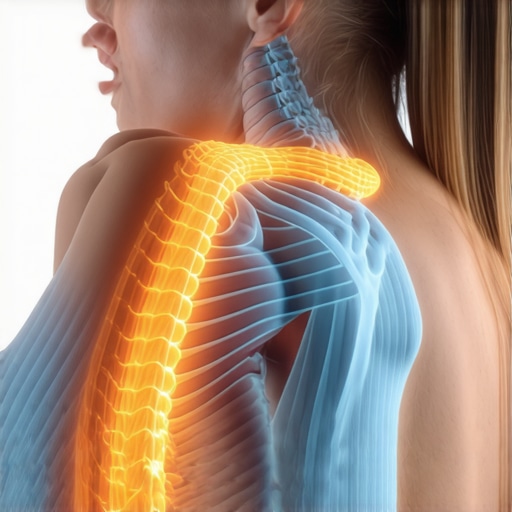
I’ll never forget the time I coughed unexpectedly during a cold, only to be met with a sharp, electric jolt shooting through my lower back. It was as if my spine had betrayed me in that fleeting moment, leaving me doubled over in discomfort. That simple sneeze turned a normal day into a painful ordeal, and I realized I wasn’t alone in this experience. Many of us have felt that sudden crunch or pinch when sneezing, and it can be genuinely unsettling.
The Hidden Connection Between Sneezing and Back Pain
What I’ve learned over years of dealing with this peculiar sensation is that sneezing, while reflexive and natural, exerts a sudden burst of pressure on your spine and surrounding muscles. This rapid increase in intra-abdominal pressure can briefly overload compromised or tight spinal structures, leading to that sharp pinch. And if your back isn’t in top shape, that tiny explosion of force can feel magnified, making your back feel like it’s screaming for relief.
Could it Be More Serious Than Just a Pinch?
At first, I thought it was just a minor annoyance—something I could ignore. But I quickly learned that recurring episodes might hint at underlying issues like herniated discs or muscle imbalances. An early mistake I made was brushing off these episodes, assuming they’d go away on their own. In fact, neglecting the root cause can lead to chronic pain or even injury. That’s why it’s essential to pay close attention to these signals and seek targeted solutions. For a comprehensive approach to back health, I recommend exploring strategies to keep your spine and joints resilient—like those outlined in mobility mastery tips.
So, if you’ve ever jolted when sneezing or felt that unexpected pinch, you’re not imagining things. It’s more common than you think—and understanding why it happens is the first step toward relief. Up next, we’ll break down practical steps to help you prevent, manage, and possibly eliminate that agonizing back pinch when you next feel a sneeze coming on.
Strengthen Your Core to Cushion Sudden Pressure
Think of your core muscles as the shock absorbers of your spine. When I first started incorporating targeted exercises like planks and bird-dogs into my daily routine, I noticed fewer pinch sensations during sneezes. To build resilience, dedicate just five minutes daily to core strengthening—start with simple exercises like the plank and dead bug. Consistency is key; over time, your back becomes less vulnerable to sudden jolts.
Enhance Mobility Through Daily Movement
Implement Dynamic Stretches
I remember mornings when stiffness made sneezing more painful. Incorporating dynamic stretches such as gentle torso twists and hip circles helped increase my spinal flexibility. For a quick routine, perform 10 slow rotations in each direction, focusing on smooth, controlled movements. This improves joint lubrication and prepares your spine to handle sudden increases in pressure.
Stretch Tight Muscles Regularly
Muscle tightness, especially in your hamstrings and hip flexors, can transmit strain to your lower back. Allocating time for stretches like the hip flexor stretch or hamstring hold twice daily helped me prevent episodes. Remember, flexible muscles act as better shock absorbers during unexpected stresses.
Optimize Your Posture to Reduce Strain
Poor posture — like slouching at your desk — puts your spine in a vulnerable position. I started paying attention to my ergonomic setup, adjusting my chair height and monitor position to keep my back straight. Use ergonomic tools or simple DIY fixes: keep your feet flat on the floor, shoulders relaxed, and back supported. Proper alignment minimizes the abrupt forces during sneezes, reducing the risk of pinch or nerve irritation.
Practice Controlled Breathing to Reduce Sudden Pressures
Breathing techniques may seem trivial, but controlled breaths prevent tense muscles and sudden intra-abdominal pressure spikes. I adopted diaphragmatic breathing—deep, slow inhales through my nose, then gentle exhale through my mouth. Practice this for five minutes daily. When I felt a sneeze approaching, taking a deep breath helped me brace my core and relax my back muscles, mitigating that sharp pinch.
Adopt Safe Movements During Daily Activities
Even mundane tasks can strain your back if not performed carefully. For instance, when lifting groceries, I used the squat method rather than bending over, keeping my back straight and engaging my legs. Learning proper techniques—like avoiding twisting motions—lessens cumulative strain and prepares your spine for sudden stresses like sneezing. Check out how to lift safely for detailed tips.
 Many people believe that all back and neck pains stem from straightforward causes like minor strains or poor posture. However, as an expert, I can tell you that these assumptions often overlook the complex, nuanced nature of spinal health. For instance, a widespread myth is that “sitting up straight” is always the solution. While posture plays a role, focusing solely on upright alignment can sometimes lead to overstretching or unnecessary muscle tension, especially if your core stability isn’t addressed properly. Instead, a deeper understanding of mobility strategies—such as those discussed in mobility mastery tips—can provide more sustainable relief.
Another trap many fall into is thinking that pain relief only comes through passive methods like medication or rest. While these may offer temporary comfort, neglecting active approaches like targeted strengthening and movement practice often results in recurring issues. For example, traditional core exercises like sit-ups are now known to sometimes exacerbate existing spinal problems if not performed with proper technique. I recommend exploring more effective exercises, explained in this article, which emphasize stabilization without undue strain.
A surprising nuance many miss is the role of nerve involvement in seemingly isolated pain episodes. For example, a common misconception is that nerve compression always requires surgical intervention. In reality, lifestyle modifications focusing on movement variability, ergonomic adjustments, and nerve flossing can often resolve these issues non-invasively. This aligns with insights from sciatica relief approaches, emphasizing the importance of understanding the underlying neurological factors.
**What About Silent Instability?** Larger structural issues like spinal instability might not be immediately apparent but can contribute to chronic pain if overlooked. Advanced assessments, such as the one-legged standing test, can reveal vulnerabilities that standard examinations might miss. Recognizing this complexity is crucial; blindly following popular exercises or stretching routines without personalized evaluation may do more harm than good.
Make sure to differentiate between myths and evidence-based practices. For example, aggressive stretching in one area can sometimes increase nerve irritation elsewhere. Instead, guided mobility and functional movement retraining often yield better, long-term results, as shown in comprehensive back recovery strategies.
Have you ever fallen into this trap of oversimplifying your pain? Let me know in the comments below. It’s vital to challenge these misconceptions to truly improve your spinal health and avoid costly mistakes on your recovery journey.Maintaining a healthy, pain-free spine over the long term requires more than just occasional stretches or exercise; it involves using the right tools and adopting effective routines that support your mobility and reduce discomfort. One of my favorite devices is a high-quality foam roller, specifically designed for myofascial release. I personally rely on the lacrosse ball to target tight muscles in my hips and lower back. By applying gentle pressure to trigger points, I can alleviate knots that, if left untreated, can contribute to nerve irritation or chronic pain. Another essential tool is a posture corrector brace, which reminds me to maintain proper alignment during daily activities, especially during long hours at the computer. These devices serve as physical cues, reinforcing good habits and preventing slouching that can exacerbate back or neck pain. In addition to physical tools, integrating reliable software like ergonomic assessment applications helps me identify poor posture habits in real-time, optimizing my work environment and reducing strain.
Predicting where this trend leads, I believe technological integration will become even more seamless—wearable sensors could soon monitor spinal health continuously, alerting us to bad habits before pain manifests. It’s an exciting frontier that combines biofeedback with personal awareness.
### How do I maintain my mobility tools and routines over time?
The key is consistency and ongoing assessment. Regularly rolling out muscle tension with a foam roller, revisiting ergonomic setups, and scheduling check-ins with physical therapists ensure these tools remain effective. Personally, I set a weekly reminder to perform a mobility check, referencing mobility mastery tips that guide me through simple maintenance exercises. This proactive approach prevents small issues from snowballing into more significant problems. Be sure to periodically review your tools and routines, adapting as your body changes or as new tech becomes available. For example, upgrading to a smart posture trainer or exploring new stretches that target evolving needs can make all the difference.
I encourage you to try incorporating a foam roller into your daily routine—start with gentle rolling on your hips and lower back, focusing on areas of tightness. Over time, you’ll likely notice improvements in your overall mobility and reduction in pain episodes, especially during sudden stresses like sneezing or heavy lifting.
The Hardest Lesson I Learned About Back Pain and Mobility
Initially, I believed rest was the answer to every flare-up, but over time I realized that staying still often made things worse. It took a painful episode to teach me that moving mindfully, guided by proper techniques, fuels recovery rather than hinders it. That lightbulb moment shifted my entire approach to back health and mobility.
Why Small Changes Can Make a Big Difference
I’ve discovered that incorporating brief, targeted routines — like daily core exercises and mobility drills — can drastically reduce and even prevent episodes of sneezing-induced back pain. Consistency in these small habits creates resilience, turning fleeting discomfort into a thing of the past.
Listen to Your Body, Not Just the Symptoms
One of my most valuable insights has been recognizing the subtle signals my body sends before pain becomes intense. Addressing tight muscles, poor posture, or stiff joints early prevents escalation. Developing this awareness has helped me stay ahead of discomfort and maintain lasting spinal health.
Tools Are Just Part of the Journey
While devices like foam rollers and ergonomic supports are helpful, I’ve learned that understanding proper usage and integrating movement strategies makes all the difference. Relying solely on tools without active engagement can limit progress; active participation is key.
Finding Joy in Movement Restores Confidence
Reclaiming mobility through enjoyable, gentle exercises — whether walking barefoot, practicing diaphragmatic breathing, or stretching — rekindled my confidence to move freely. This positive outlook energizes the healing process and makes maintaining health feel achievable rather than daunting.
My Essential Toolkit for Back and Neck Wellness
Over years, I’ve curated a set of resources that continually support my journey. Trusted tools like mobility mastery tips, effective foam rollers, and ergonomic adjustments have become staples in my routine. These resources, combined with professional guidance, empower me to stay active and pain-free.
Let Your Experience Be a Guide for Others
Sharing my journey has illuminated how misconceptions and neglect can prolong suffering. I encourage you to listen to your body’s messages, seek tailored solutions, and embrace active movement. Remember, small shifts today lead to healthier, more resilient spines tomorrow.
Your Turn to Embrace Change
Have you ever tried a simple movement or adjustment that unexpectedly relieved your back pain? Share your experiences below — your insights might inspire someone else to take that first empowering step toward mobility and relief.