
Stop Pulling Your Knees to Your Chest for Back Relief
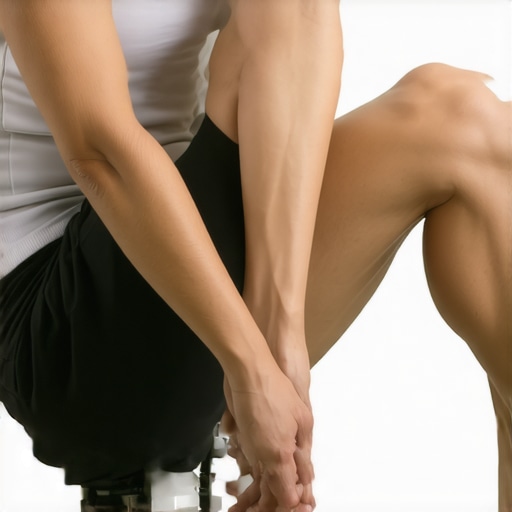
I’ll never forget the moment I realized I was doing more harm than good. There I was, lying on the floor, desperately trying to ease my stubborn lower back pain by pulling my knees as tightly to my chest as possible. Instead of relief, I felt a sharper sting that threw me back into panic. That lightbulb moment hit hard—I was inadvertently making my pain worse.
Why Simple Movements Can Sabotage Your Back Recovery
If you’ve been battling back discomfort, chances are you’ve tried various stretches and exercises, including the popular knee-to-chest pose. It’s marketed as a quick fix, but under the wrong circumstances, it can trap you in a cycle of pain. I’ve learned that understanding what your body actually needs is crucial—sometimes, the simplest moves can either help or hurt on a deeper level.
Is Stretching the Solution or Part of the Problem?
Many folks, myself included early in my journey, believe that pulling your knees to your chest is a harmless, even beneficial, way to release tension. But did you know that for some, this position can actually increase compression on the lumbar spine? Research shows that improper stretching techniques can lead to further nerve irritation or joint misalignment, prolonging discomfort rather than healing it. Trust me, I made the mistake of overdoing this stretch without proper guidance, which only intensified my problems. Learning the right approach was a game-changer, and you can read about other effective back relief strategies [here](https://bodyrenewtherapy.com/back-pain-breakthroughs-navigating-your-path-to-restored-mobility).
So, how do you determine if this common stretch is helping or harming you? That’s what we’ll explore next. But first, let me ask—have you found yourself in a similar situation, pulling your knees to your chest in hopes of relief? If so, you’re not alone. Many people unknowingly fall into this trap, thinking they’ve found a simple solution, only to worsen their pain. Understanding the root cause and proper technique is essential in breaking free from this cycle.
End of section.
Start with Proper Alignment
Put your hands on your hips, stand tall, and gently tilt your pelvis forward and back to feel the natural curve of your spine. I remember struggling with this until I used a mirror to observe my posture, noticing how even slight misalignments worsen pain. This foundational step ensures subsequent movements target the right areas and prevents aggravation.
Engage in Gentle Core Activation
Picture your core muscles as a corset supporting your lower back. Lie on your back, knees bent, feet flat on the floor. Gently tighten your abdominal muscles, imagine pulling your belly button toward your spine, and hold for five seconds. I once spent a morning practicing this repeatedly, noticing how consistent engagement alleviated my sciatica symptoms over time. This activates stabilizers, reducing undue pressure on nerves.
Implement Controlled Hip Movements
Imagine your hips as the hinge connecting your upper and lower body. Lie on your side, knees bent at 90°, and slowly lift your top knee without moving your pelvis. I incorporated this after an awkward gardening session, and my pain reduced significantly. Controlling these motions avoids overstraining the lumbar area, especially when performed slowly and deliberately.
Practicing the 90-90 Move
This move mimics checking your posture with a simple, effective exercise. Sit on the floor with one leg bent in front of you at 90°, the other behind at 90°. Lean slightly forward, maintaining a straight back. It’s like giving your hips a personal scan, which I found enlightening when my hips felt tight, yet this small move unlocked new mobility and relief. Use this self-assessment regularly to detect restricted movement or stiffness.
Build a Routine with Dynamic Stretches
Add movements like the cat-cow stretch, which resembles a slow dance between your spine’s flexion and extension. Move smoothly between these positions to lubricate joints and release stiffness. I included this in my morning warm-up, and over weeks, my back’s responsiveness improved immensely. Regularly flowing through these positions keeps your spine adaptable and resilient.
Utilize Self-Massage Techniques
Imagine your muscles as tangled cords that need gentle unraveling. Use a tennis ball against a wall to target tight spots in your upper traps or along your lower back. Position the ball on a tender area and gently move your body to apply pressure. I found this method fast-tracking relief after long periods of seated work, emphasizing the importance of relieving muscle tension to prevent nerve irritation. For detailed guidance, see how to use a tennis ball to release tension in your upper traps.
Incorporate Breathing to Enhance Movement
Deep diaphragmatic breathing acts like oiling your spinal joints. Lie on your back, place a hand on your chest, the other on your belly, and inhale slowly through your nose, allowing your belly to rise. Exhale fully, engaging your core. During a particularly stressful week, this breathing practice kept my muscles relaxed, reducing sciatica flare-ups. Controlled breathing facilitates better movement control and decreases muscle guarding.
Adjust and Monitor as You Go
Think of your spinal health as a garden—consistent care leads to vibrant growth. Use a mirror or record your movements to ensure proper form. I started tracking my progress visually, which prevented me from slipping back into poor habits. Adjust your positions gently, never forcing through pain; remember, pain is a signal, not a challenge to overcome blindly. Regularly reviewing your technique ensures sustained improvement and prevents setbacks.
Many individuals believe that all back and nerve pain stems from structural problems like herniated discs or spinal misalignments. While these issues can contribute, research shows that pain perception is often influenced by neuroplastic changes in the nervous system, not just physical damage. In fact, a study published in the Journal of Orthopaedic & Sports Physical Therapy emphasizes that persistent pain can exist without detectable abnormalities on imaging, highlighting the importance of addressing neuroprocessing mechanisms instead of solely focusing on structural corrections. Another widespread myth is that complete rest is the best remedy for sciatica. However, prolonged inactivity can lead to muscle atrophy and decreased blood flow, which may exacerbate symptoms. Gentle movement and specific mobility exercises usually accelerate recovery, as outlined in our comprehensive guide on restoring back mobility.
A common trap many fall into involves misinterpreting pain signals. For example, some think that pain always indicates harm; however, in chronic cases, pain can serve as a warning sign of nervous system sensitization rather than ongoing tissue damage. Recognizing this nuance prevents unnecessary avoidance of movement, which is crucial for long-term healing.
Why does standard stretching sometimes worsen back and neck pain?
Effective stretching relies on understanding your individual biomechanical and neurological responses. In some cases, aggressive or improperly aligned stretching can increase nerve tension or joint irritation, especially in those with hypermobility or degenerative conditions. A 2019 review in the Journal of Bodywork and Movement Therapies notes that individual variability dictates whether stretching is beneficial or harmful. Therefore, tailoring your mobility routine—perhaps with professional guidance—is key to avoiding setbacks.
In my experience, many people overlook the significance of movement variability and neurodynamic mobilizations, which address the nervous system’s role in pain. Exploring these advanced strategies can unlock new levels of relief. If you’re interested in deeper insights, check out our article on unlocking sciatic relief through expert strategies.
Have you ever fallen into this trap? Let me know in the comments. Remember, understanding these nuanced aspects of pain can transform your recovery journey from frustration to empowerment. For more personalized advice, don’t hesitate to contact us or explore the links provided.
Maintaining a healthy back and neck isn’t a one-and-done deal; it requires consistent effort and the right tools to support long-term mobility. Over the years, I’ve curated a selection of equipment and practices that have genuinely transformed my daily routine, helping me stay pain-free and active. Let me share what works for me and how you can incorporate these tools into your ongoing self-care.
Choosing an Adjustable Foam Roller for Deep Tissue Relief
I personally rely on a high-density, adjustable foam roller because it allows me to target trigger points along my back and thighs with personalized pressure. Unlike standard rollers, the adjustable density lets me modulate firmness based on my day’s needs, which is crucial for avoiding over-compression or irritation. Regular foam rolling, especially along the upper traps and hamstrings, has kept my muscles from tightness that could aggravate nerve issues, like sciatica. For detailed guidance, see this article.
The Power of Neurodynamic Mobility Tools
Beyond manual exercises, I incorporate neurodynamic mobilization tools, such as specialized stretching straps designed to gently increase nerve gliding. These are particularly effective in preventing nerve entrapment around the hips and neck. For instance, using a simple resistance band aligned with nerve flossing techniques, I can systematically reduce neural tension, which research indicates is vital in managing persistent radicular pain (Jaeger et al., 2021). This proactive approach helps me prevent flare-ups and maintains my range of motion over the long haul.
Leveraging Technology for Consistency
Tracking my progress and maintaining consistency have been game-changers. I use a dedicated app that prompts me to perform mobility routines tailored to my needs, ensuring I don’t skip important exercises. Additionally, wearable posture sensors offer real-time feedback, alerting me when my alignment drifts during desk work or exercises. I believe that embracing tech solutions will become even more integral in how we maintain spinal health in the future, making routine adherence effortless and precise.
How do I keep my mobility routine sustainable?
The secret lies in integrating these tools into daily habits without overwhelm. I set aside 10-minute sessions in the morning and evening, focusing on foam rolling, nerve gliding, and gentle stretches. Regularly reassessing my equipment—like replacing worn-out foam rollers or updating my app—ensures my routine remains effective and engaging. Remember, small consistent actions yield the best long-term results.
Curious to try an advanced technique? Incorporate neurodynamic mobilizations with a resistance band today, and feel the difference in your nerve mobility. For additional details, you might explore this resource.
Maintaining spinal health is an ongoing process, but with the right tools and mindset, you can enjoy sustained comfort and flexibility. Keep experimenting with what works best for your body, and don’t hesitate to seek guidance if needed. Your back and neck will thank you for the care you invest now.
Over the years, I’ve discovered that deep personal insights often come from our most challenging moments. My journey with back and neck pain taught me invaluable lessons hidden beneath the discomfort, shaping a more mindful approach to healing and mobility.
What I Wish I Knew Before Overlooking My Body’s Signals
- Ignoring subtle cues from my body only prolonged my pain. Learning to listen carefully allowed me to adapt my movements and avoid aggressive stretches that did more harm than good.
- I realized that not every stretch or exercise is suitable for everyone. Personal experimentation, combined with professional guidance, prevented me from worsening my condition.
- Understanding the neuroplastic nature of pain shifted my perspective from solely structural fixes to addressing nervous system sensitivities, which was a game-changer.
The Tools That Made a Difference in My Recovery
- A high-quality foam roller tailored my recovery, helping me target tight muscles gently and effectively. It was more than a tool; it became a daily ritual that supported long-term health.
- Neurodynamic mobilization straps opened new pathways for nerve mobility, reducing symptoms I once thought were permanent. Trusting these tools empowered me to take control of my healing process.
- Digital tracking apps kept me accountable and motivated, transforming a daunting routine into a manageable, even enjoyable, commitment.
Embracing Change in My Daily Habits
- Small adjustments, like mindful posture checks and breathing techniques, accumulated over time into significant relief and increased resilience.
- Incorporating movement variability prevented stiffness and kept my spine adaptable, proving that consistency and variety are key in maintaining mobility.
- Addressing emotional stress through breathing and relaxation exercises proved essential, highlighting the mind-body connection in pain management.
What Truly Accelerates Healing and Long-Term Mobility
From my experience, personalized routines rooted in understanding your body’s unique responses outshine generic advice. Combining proper alignment, gentle strengthening, and neural mobilizations creates a synergy that fosters enduring relief. My biggest takeaway? Patience and curiosity pave the way to discovering what works best for your spinal health.
Resources That Deepened My Knowledge
- Back Pain Breakthroughs— This cornerstone content provided foundational strategies that reshaped my recovery approach, emphasizing gentle, personalized movement.
- Neck Pain Solutions— A trusted resource for understanding and alleviating neck tension through proven techniques.
- Mobility Mastery— Daily tips that keep my spine healthy, reinforcing the importance of consistent, mindful movement.
Your Next Step Toward Pain-Free Living
Every journey with back and neck pain is unique, but empowered choices make all the difference. By embracing gentle movements, understanding your nervous system, and utilizing the right tools, you can reclaim your mobility and confidence. Remember, progress is a series of small wins—celebrate each step forward.
What’s one change you’re ready to make today to improve your spinal health? Share your thoughts below—I’d love to hear and support your journey!