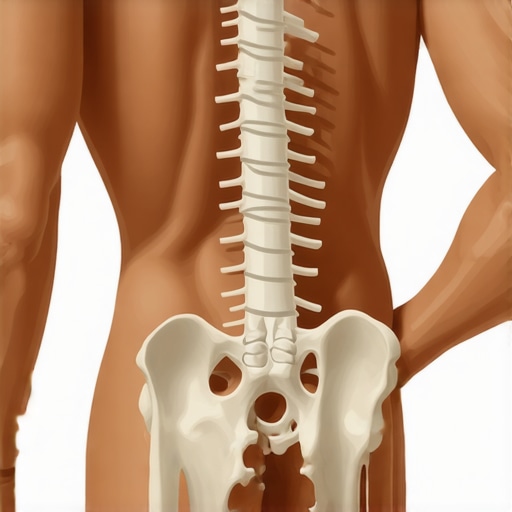
Ever woken up after a restless night with that dull, nagging ache in your back that just refuses to go away? I’ve been there. One morning, I literally got out of bed, took a few steps, and felt a sharp twinge that made me realize I’d been ignoring the warning signs for too long. It struck me then—if I didn’t start paying attention to my spine, I was going to be sidelined for good. That lightbulb moment pushed me to dig into real, effective solutions, not just quick fixes that fade away.
Why You Need to Prioritize Your Back and Neck Today
In our busy lives, pain often sneaks up on us, whispering that something’s off before it turns into full-blown agony. The truth is, neglecting back and neck health can seriously limit your mobility, diminish your quality of life, and even lead to more serious issues down the line. According to recent studies, over 80% of adults will experience back pain at some point, and many of those cases could have been avoided with the right habits and early intervention (source).
So, why do so many of us ignore the signs? Often, it’s because we’re overwhelmed by the sheer amount of information out there. We try a few stretches, some over-the-counter pills, and then hope it just goes away. But here’s the thing—without a structured approach rooted in understanding your body, those pains are just going to come back, sometimes worse than before. I made that mistake early on, thinking I could outsmart my pain with quick fixes. Spoiler: I was wrong. It’s a mistake I see many people make, and it’s why I want to share what truly works.
Today, we’ll dive into proven strategies that will help you restore your mobility faster, with techniques that are backed by experts and real-world results. From posture corrections and daily mobility tips to targeted exercises, I’ll guide you through simple steps you can start today to feel better tomorrow. Ready to take control of your back and neck health? Let’s get started.
Is Back Pain Really That Serious or Just a Nuisance?
Many people dismiss the early signs of back pain, thinking it’s just a minor inconvenience. But ignoring these signals can lead to chronic issues that are much harder to fix. I learned this the hard way when I waited too long to address my own discomfort, only to find myself limited in ways I hadn’t anticipated. Early intervention is key, and understanding when pain might be a warning sign of something more serious can save you a lot of trouble later on. For more insights, check out this article.
Streamline Your Posture for Instant Relief
Start by assessing your daily habits. Think of your spine like a stack of books; if one is crooked, the entire stack wobbles. I once caught myself slouching over my laptop for hours, causing a sharp pain in my neck. I immediately adjusted my monitor height and sat back with my shoulders relaxed. Small tweaks like this prevent tension buildup and keep your spine aligned. To deepen your understanding, visit this guide on posture and pain.
Adopt Daily Mobility Routines
Integrate simple but effective mobility exercises into your day. I recommend the mobility drills to loosen stiff joints and strengthen supporting muscles. One morning, I dedicated five minutes to gentle spinal twists and neck circles. The result was a noticeable decrease in stiffness and pain. Think of these movements as oiling the hinges of a door; the more you do, the smoother your movement becomes.
Targeted Strengthening Techniques
Strengthening core muscles acts like a sturdy foundation for your house. I once neglected this aspect until a minor strain turned into persistent discomfort. After adding core exercises like planks and bridges, I felt my back stabilize and pain diminish. Use these proven strategies to build resilience and prevent future issues. Remember, stronger muscles support your spine, reducing the load and pressure that cause pain.
Incorporate Ergonomic Adjustments
Optimize your workspace to promote healthy alignment. I once rearranged my desk and chair, making sure my feet rested flat and my screen was eye level. This small change made a big difference, especially during long work sessions. For tips on ergonomic setup, see this ergonomic guide. Remember, comfort and support are key to maintaining mobility and avoiding strain.
Utilize Effective Home Remedies
When pain strikes, quick relief can be achieved with targeted home remedies. I often use ice packs during the first 48 hours to reduce inflammation, followed by gentle heat to soothe muscles. Over-the-counter options can help, but always use them as part of a structured plan. For fast-acting relief, explore these home remedies. Consistency in applying these methods accelerates recovery and improves mobility over time.
Build Long-Term Resilience
Finally, consistency is your best ally. I set a daily reminder to stretch and move, transforming what once felt like a chore into a routine. Over months, this built resilience, drastically reducing my pain episodes. To keep your progress on track, consider regular check-ins with a physiotherapist and continuous education on back health. For ongoing support, visit this comprehensive resource.
Many people believe they understand back and neck pain, but in reality, some misconceptions can hinder their progress. Let’s dig deeper into what most get wrong and how to avoid these pitfalls. One widespread myth is that all pain should be avoided at all costs. While rest is sometimes necessary, prolonged inactivity can weaken muscles and prolong recovery. Experts emphasize the importance of gentle movement; for example, incorporating daily mobility routines can actually accelerate healing and improve mobility. You can explore effective techniques in this guide on mobility.
Another common misconception is that pain is always a sign of structural damage requiring invasive treatment. However, recent studies show that pain often stems from muscle tension, inflammation, or nerve sensitivity rather than severe injury. This is why targeted exercises and proper posture correction are more effective than jumping straight into surgery or heavy medication. Be cautious of the trap of thinking pain equals damage; instead, focus on managing symptoms with safe, evidence-based strategies. For instance, ergonomic adjustments can make a huge difference, as discussed here.
Why Do People Keep Repeating the Same Mistakes?
Many fall into the trap of ignoring early warning signs, believing the pain will resolve itself. This is a mistake that can lead to chronic issues. A key nuance many overlook is the importance of understanding the body’s signals and acting promptly. For example, persistent neck stiffness or recurring lower back discomfort should not be dismissed as temporary. Instead, they warrant a comprehensive approach — combining mobility exercises, strengthening routines, and ergonomic improvements. According to expert insights, ignoring these signs can result in longer recovery times and even permanent damage. To learn more about addressing early symptoms, review this resource on early intervention.
Finally, some people believe that quick fixes like pills or temporary stretches will solve everything. While these can provide short-term relief, they often mask underlying issues and lead to rebound pain. The real benefit comes from consistent, well-rounded habits that promote long-term resilience. Building a strong core, maintaining good posture, and integrating daily mobility routines are proven strategies that yield lasting results. For a comprehensive plan, check out this ultimate guide.
Have you ever fallen into this trap? Let me know in the comments. Remember, understanding the nuances and avoiding these myths can make all the difference in your journey toward pain-free mobility.
Maintaining your back and neck health over time requires more than just occasional stretches or quick fixes. It’s about integrating the right tools and methods into your daily routine to ensure lasting mobility and comfort. After years of experimenting and consulting with experts, I’ve identified some essential equipment and strategies that have truly made a difference in my long-term journey.
Invest in Quality Posture Support Devices
One of the most effective tools I personally use is a high-quality ergonomic posture corrector. Unlike cheap braces that can be restrictive, I opt for a breathable, adjustable brace that gently encourages proper alignment during my workday. This device reminds me to keep my shoulders relaxed and my spine aligned, preventing the habitual slouch that leads to chronic pain. Over time, it trains my muscles to maintain correct posture naturally. If you’re serious about long-term maintenance, consider a posture device that offers real-time feedback, such as those connected to smartphone apps, to help you stay conscious of your alignment throughout the day.
Utilize Smart Mobility Tools
When it comes to mobility, I swear by foam rollers and massage balls. I prefer a dense foam roller with targeted ridges, which I use daily to release tight muscles in my back and neck. Regular self-myofascial release helps prevent knots that can cause pain and restrict movement. Additionally, I incorporate a set of massage balls into my routine, especially for hard-to-reach areas like the upper traps and around the shoulder blades. These tools are affordable, portable, and incredibly effective at maintaining tissue flexibility. For a more tech-savvy approach, I’ve started using vibration massage devices that deliver deep tissue relief and improve circulation, accelerating recovery after intense days.
Leverage Digital Resources for Education and Reminders
Staying informed is key. I regularly review expert content, such as this mobility mastery guide, to refine my routines. Also, setting daily reminders on my phone helps me stick to my movement schedule. Over time, these small cues create a habit that keeps my spine healthy without thinking twice. As technology advances, I expect more personalized apps that analyze your posture and suggest tailored exercises, making maintenance even easier.
How do I maintain mobility over time?
The secret to long-term success lies in consistency. I dedicate 10-15 minutes each morning to mobility drills, stretching, and self-care using my tools. Additionally, I schedule periodic check-ins with a physiotherapist, especially if I notice any recurring discomfort. This proactive approach ensures I address issues early before they escalate. Remember, your body is a long-term investment—nurture it with the right tools and habits.
If you haven’t already, I strongly recommend trying a targeted foam rolling routine combined with ergonomic adjustments. These simple steps, supported by expert strategies, can dramatically improve your mobility and reduce pain. For more detailed tips, explore this resource and start building your resilience today.
The Hardest Lesson I Learned About Back and Neck Care
One of the most eye-opening realizations I had was that ignoring early signs of discomfort only prolongs pain and complicates recovery. I used to dismiss minor aches, thinking they were just temporary, but those small signals often hint at deeper issues that need attention. The lightbulb moment came when I experienced a sharp pain that made me realize that consistent, proactive measures are essential for maintaining mobility over the long haul.
My Essential Toolkit for Lasting Back and Neck Health
Over the years, I’ve curated a set of tools and resources that genuinely help me stay pain-free. A high-quality ergonomic posture support device has been a game-changer, gently training my muscles to maintain proper alignment. Foam rollers and massage balls are my go-to for self-myofascial release, helping prevent knots and stiffness. I also rely on expert guides like this mobility mastery guide to refine my routines and stay informed.
Why Staying Consistent Transforms Your Future
The most inspiring part of my journey is realizing that daily habits truly shape long-term mobility. Dedicate just 10-15 minutes each morning to mobility drills, stretching, or using my tools, and I notice a remarkable difference in my pain levels and flexibility. Regular check-ins with a physiotherapist and continuous learning keep me accountable and ensure I catch issues early. Remember, your body is an investment—nurture it with consistency and the right support.
Have you ever ignored early warning signs or relied only on quick fixes? Share your experiences below and let’s build a community committed to long-term back and neck wellness.