
How to use a step stool to save your lower back in the kitchen
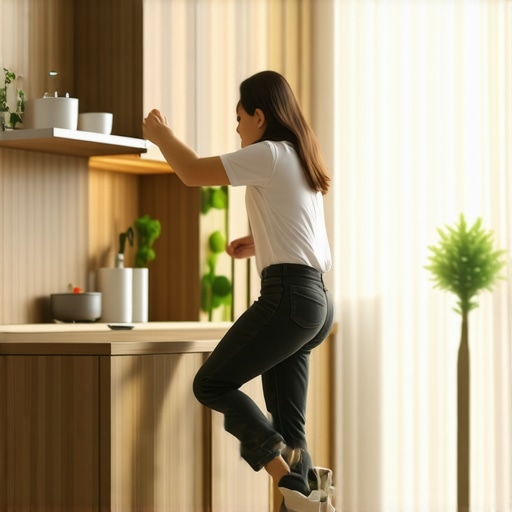
I was standing on my tiptoes, reaching for that heavy cast-iron Dutch oven I only pull out for Sunday sauce, when it finally happened. A sharp, lightning-bolt twinge shot straight down my spine, leaving me breathless and clutching the counter for dear life. I froze. For the next three days, I couldn’t even look at my stove without wincing in fear. It is embarrassing, isn’t it? We spend thousands of dollars on fancy appliances and granite countertops, yet we completely ignore the basic geometry of our own bodies. I used to be the ‘reach and pray’ type, thinking I was saving a few seconds by not grabbing the stool. Spoiler: I wasn’t. I ended up spending more time on the living room floor with an ice pack than I did at the cutting board that month. If you have ever felt that dull, throbbing ache after a long afternoon of meal prep, you might be wondering is your back pain a sign of something more serious, or if it is just the inevitable price of a home-cooked meal. Trust me, it does not have to be this way.
Your Kitchen Layout is Secretly Sabotaging Your Spine
Most of us treat our kitchens like an obstacle course where we are constantly losing. We bend, we twist, and we overreach because we are in a frantic rush to get dinner on the table before the kids lose their minds. I once made the classic mistake of thinking I just needed to ‘loosen up’ my tight muscles to fix the problem. I spent weeks stretching my hamstrings, only to find out that aggressive stretching can actually irritate the sciatic nerve further if your mechanics are off. The real fix wasn’t more flexibility; it was smarter movement. Just like learning how to load the dishwasher without straining your lower lumbar, using a step stool is about closing the gap between you and your goal. [image] This is a bigger deal than most homeowners realize. According to a study published in the Journal of Orthopaedic & Sports Physical Therapy, repetitive overhead reaching without proper foot support significantly increases the compressive load on the L4-L5 vertebrae. We are quite literally crushing our spinal discs for a jar of cinnamon or a blender. Beyond just the stool, you might even need to adjust kitchen counters to save your spine if you find yourself leaning over constantly. My goal today is to help you stop the cycle of ‘ouch’ and ‘oops’ so you can actually enjoy your time in the kitchen again.
Is a bulky step stool really worth the floor space?
Look, I get it. Kitchens are crowded enough as it is. The last thing you want is a clunky three-step ladder blocking the refrigerator or becoming a tripping hazard while you’re carrying a hot pan. But we aren’t talking about a construction-grade ladder here. We are talking about a tactical ‘elevation strategy’ that keeps your spine neutral. Have you ever had your back suddenly seize up just from reaching for the coffee filters in the morning? If so, please tell me I am not alone—have you faced this kind of ‘kitchen betrayal’ before? It is time we start using daily tips to keep your spine and joints healthy, starting with the simple act of stepping up. In the next section, I will break down exactly what kind of stool to look for and the specific way to step that won’t trigger a flare-up.
The Proper Way to Step Up Without Snapping Your Spine
Most of us treat a step stool like a suggestion rather than a tool. We place it too far away, step up with one foot, and then lean our entire torso forward like we are trying to win a limbo contest. This is where the ‘reach and rotate’ move becomes a nightmare for your L5-S1 disc. To do this right, you need to treat the stool as an extension of the floor. Place the stool directly in front of the cabinet you need. You want your belly button almost touching the shelf edge before you even think about reaching. This eliminates the need for the dangerous forward lean that leads to poor posture and chronic back pain. I remember one Tuesday evening I was determined to find the sprinkles for my daughter’s birthday cake. I was tired, the stool was across the room, and I decided to ‘power through’ it. I felt a sharp pinch that reminded me exactly why you feel a sharp pinch in your back when you sneeze or move suddenly. I ended up dropping the jar and spending twenty minutes on the floor. Now, I use the ‘Tripod Method’—both feet flat, weight centered, and glutes engaged.
Keep Your Nose Over Your Toes to Protect the Lumbar
When you are elevated, your center of gravity shifts. If your nose passes your toes while you are reaching for that heavy cast-iron skillet, your lower back muscles have to work ten times harder to keep you from falling forward. This creates massive tension. Instead, keep your spine vertical and use your legs to do the lifting. This is a fundamental part of ergonomic tips for everyday comfort. If you feel wobbly, it might be time to try the one-legged standing test for hidden spinal instability to see if your core is actually supporting you or just along for the ride. 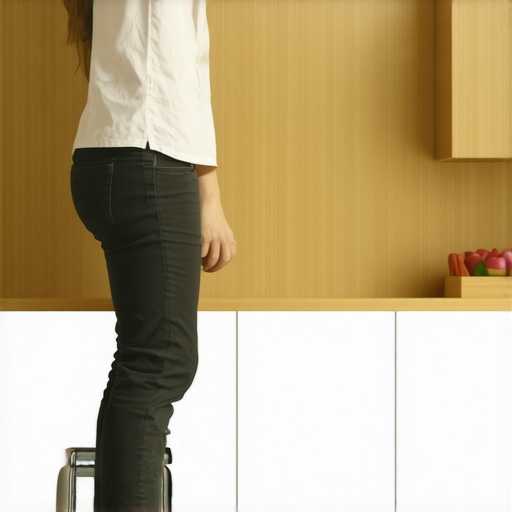
Ditch the Toepoint and Find Your Center
One of the biggest mistakes is reaching while on your tiptoes on top of the stool. It sounds ridiculous, but we all do it for that extra inch. This shuts off your glutes and puts all the pressure on your calves and lower back. Your feet are your foundation, and your toes are the key to better balance and back health. When you step up, ensure your entire foot is making contact with the stool surface. If the stool is too small for your feet, get a wider one. Your spine will thank you for the stability.
The Hidden Danger of the One-Handed Grab
We often reach with one hand while the other is flailing in the air for balance. This creates a rotational shear force on your spine. Instead, try to get both hands on the object if it is heavy. This allows you to use your core more effectively, much like the correct way to use your core when lifting heavy groceries. If you are only grabbing something light, keep your free hand on the counter or the shelf for extra support. This simple ‘three-point contact’ rule can be the difference between a successful meal and a week of home remedies for sciatica. Consistency is everything here; you have to make the stool your best friend, not a guest you only invite over once a month.
Wait, I know what you are thinking. ‘If I just get stronger or more flexible, I will not need to worry about how I reach for the flour.’ Here is the contrarian truth that most fitness influencers will not tell you: sometimes, more strength is exactly what is breaking you. Most people assume that bracing their core like they are about to take a punch is the ultimate shield for their spine. But in my experience, over-bracing during simple kitchen tasks creates an ‘internal pressure cooker’ effect that actually pushes against your discs rather than protecting them. This is one of those expert tips on managing back pain in 2025 that the average homeowner misses.
The Breathing Trap That Spikes Your Spinal Pressure
The ‘Oops’ factor here is the common mistake of holding your breath while you lift a heavy object or reach for the top shelf. This is known as the Valsalva maneuver. While it is a legitimate technique for a competitive powerlifter moving 400 pounds, doing it while reaching for the heavy stand mixer can spike your internal abdominal pressure and actually irritate a sensitive nerve. You have to learn to ‘breathe through the movement’ rather than locking your torso into a rigid, unyielding cage. Have you ever fallen into this trap of tensing up so hard you forget to breathe? Let me know in the comments.
How can I tell if my kitchen fatigue is actually a nerve issue?
This is where the nuance becomes critical for your recovery. If you feel a dull, localized ache that vanishes the moment you sit down, it is likely simple muscle fatigue from standing. However, if you feel a ‘buzzing,’ ‘electric,’ or ‘crawling’ sensation that lingers long after you have stepped off the stool, you are likely dealing with neural tension or nerve irritation. It is vital to understand the difference between muscle soreness and nerve irritation before you try to ‘stretch it out.’ 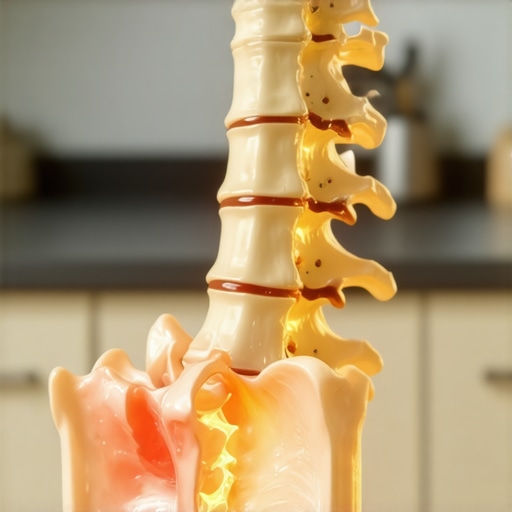
Why Repetitive Micro-Movements Are More Dangerous Than Heavy Lifting
A landmark study by Dr. Stuart McGill, a world-renowned expert in spine biomechanics, suggests that repetitive micro-movements—like the slight, unstable wiggle of your spine when you reach while balanced on one foot—are often more damaging to the collagen fibers of your discs than a single heavy lift. We think we are being ‘tough’ by skipping the stool for a quick reach, but we are actually just wearing down the gears. This instability is a major reason why your perfect sitting posture is making you stiffer; you are over-correcting in one area and creating rigidity that does not translate to real-world movement.
Stop Stretching Your Way into More Pain
One of the biggest mistakes I see is people trying to stretch out the ‘tightness’ they feel after a long afternoon of meal prep. Often, that tightness is actually your body’s protective guarding mechanism. If you force a deep stretch on a nerve that is already being pinched by a disc, you are quite literally pulling on a frayed rope. This is exactly why stretching your hamstrings often makes your sciatica worse. Instead of aggressive stretching, you need to focus on identifying the source of the problem. Learning how to tell if your sciatica is a disc or muscle issue is the first step toward a kitchen experience that does not end with an ice pack and a bottle of ibuprofen. You might even find that your core workout should not include traditional sit-ups because those flexion-heavy movements mimic the exact bending patterns that caused your kitchen flare-up in the first place.
I am not talking about just any step stool here. I personally use a three-step ultra-light aluminum model with extra-wide rubberized treads. Why? Because those flimsy plastic folding ones you find at big-box stores have a tendency to flex under your weight. That micro-flexing sends an immediate signal of instability to your brain, which causes your paraspinal muscles to ‘clinch’ in defense before you even reach for the shelf. You want a platform that feels like solid ground. This is the physical foundation for conquering sciatica and ending discomfort now. As ergonomic specialist Dr. Kelly Starrett notes in his work on human mechanics, creating a ‘stable chassis’ is non-negotiable; if your base is unstable, your spine will always pay the price for the movement. If you have been ignoring this, you are skipping the most important part of daily tips to keep your spine and joints healthy.
How do I maintain my kitchen mobility over time?
Maintenance is not about doing a grueling hour-long workout; it is about the ‘micro-adjustments’ you make during your actual routine. I have found that incorporating the daily foot massage habit that relaxes your entire back right after a long cooking session helps reset the neural tension built up from standing. Consistency is the only way to avoid the ‘boom and bust’ cycle of injury. We often think we can just push through, but why maintenance care is better than waiting for a spinal crisis becomes painfully obvious the moment you feel that first twinge of a flare-up. 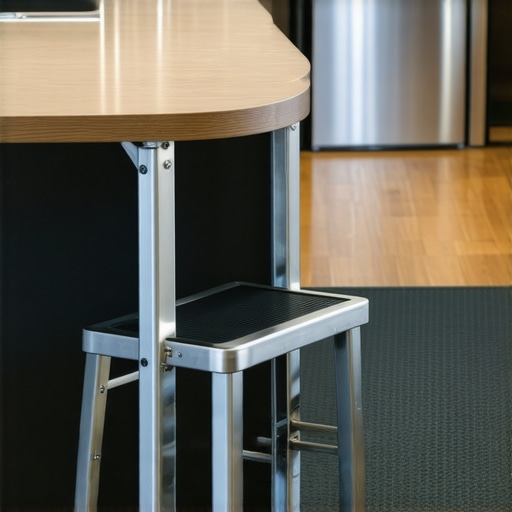
Forget Fancy Rugs and Get a Real Anti-Fatigue Mat
Most kitchen rugs are purely aesthetic, offering zero support for your joints. I switched to a 3/4-inch thick high-density polyurethane mat at my main prep station and the difference was night and day. These mats encourage micro-oscillations in the calf muscles, which keeps blood flowing and prevents the static loading that leads to poor posture and chronic back pain. I predict that in the next few years, we will see ‘smart kitchens’ with integrated pressure-sensing floors that alert you when your weight distribution is off. Until then, you need to be your own ergonomic engineer. When you finish a task, I highly recommend using the Bruegger position to reset your posture. It takes thirty seconds and counteracts the forward-leaning ‘hunch’ we all fall into while chopping vegetables. If you are serious about managing back pain in 2025, start by swapping your kitchen rug for a professional-grade mat and try that Bruegger reset every time the oven timer goes off.
Lessons Learned from a Recovering Kitchen Reacher
After years of treating my kitchen like a CrossFit gym I didn’t sign up for, I realized that the hardest part isn’t the lifting—it’s the ego. I had to stop telling myself I was too young or too fit to need a stool. My biggest lightbulb moment was realizing that static loading is a silent killer for the spine. Standing in one spot for an hour while prepping a complex meal causes your spinal discs to lose hydration. I now prioritize daily tips to keep your spine and joints healthy by moving my feet every few minutes. Another realization? If I feel that familiar zing down my leg, I don’t power through; I use a nerve glide exercise that calms burning leg pain immediately to reset my nervous system.
The Daily Gear That Keeps Me Out of Pain
I don’t recommend products lightly, but these tools changed my life in the kitchen. First, a lightweight aluminum step stool with a high weight rating—it feels as solid as the floor, which prevents my paraspinal muscles from clenching in defense. Second, a high-density anti-fatigue mat is essential for anyone dealing with poor posture and chronic back pain. It takes the pressure off your heels and low back instantly. Finally, I swear by using the Bruegger position to reset your posture every time the timer goes off. It is the simplest way to enhance your back mobility without needing specialized equipment.
Cook for the Joy of It Again
Kitchen work should be a creative outlet, not a source of physical dread. By respecting your body limits and using the right tools, you can stay mobile and independent for decades to come. Don’t wait for a spinal crisis to start making changes; implementing these expert tips on managing back pain in 2025 will keep you at the stove and away from the ice packs. You have the power to protect your spine one step at a time. Which kitchen cabinet do you find yourself reaching and praying for most often? Let me know in the comments below!