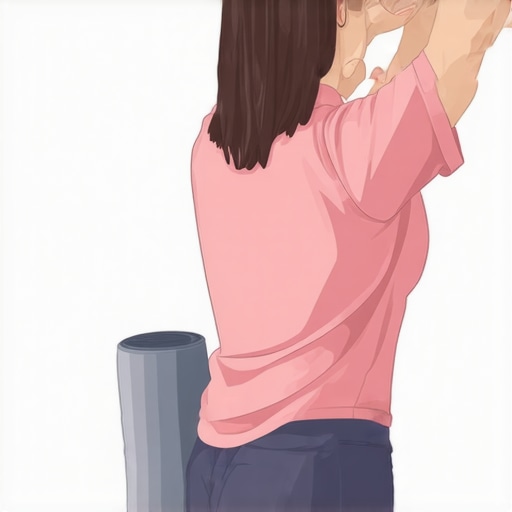
If you’ve ever been caught in a moment where bending down to pick up something simple felt like climbing a mountain, you know the frustration that comes with back pain. One morning, I woke up and struggled to stand straight, feeling a dull ache that quickly turned into a sharp twinge. It was a wake-up call—my back wasn’t just stiff; it was limiting my life. That realization sparked a journey into understanding effective ways to boost mobility and ease discomfort.
Why Ignoring Back Pain Can Cost You More
Back pain isn’t just a minor annoyance; it’s a significant barrier to living fully. When I first experienced it, I thought it would go away on its own, but neglecting proper care often leads to chronic issues. According to recent studies, approximately 80% of adults will experience back pain at some point, and it’s a leading cause of disability worldwide. The good news? Many solutions exist to help us regain movement and comfort. Today, we’ll explore proven tips and strategies that have helped me—and can help you—transform your approach to back health.
Is Your Back Pain Actually Serious?
Early in my struggle, I made the mistake of dismissing my symptoms as just a pulled muscle. It wasn’t until I learned about the warning signs of more serious issues—like numbness, weakness, or loss of bladder control—that I realized I needed to seek professional advice. Remember, quick action can prevent minor problems from turning into long-term mobility issues. For more insights on when to seek help, check out this guide on key symptoms to watch for.
Are you currently facing persistent back discomfort that hampers your daily activities? If so, you’re not alone—and the good news is, there are tangible steps you can take today to start feeling better. The next sections will walk you through simple, yet effective, methods designed to help you move freely again and get back to doing what you love.
.
Start with Gentle Movement to Reclaim Flexibility
During my struggle with back stiffness, I found that initiating gentle, controlled movements was essential. I began by performing simple pelvic tilts while lying on my back, which acted like oiling a rusty hinge—making movements smoother over time. This process discourages stiffness buildup and promotes blood flow. To deepen your understanding, check out this guide on simple mobility exercises. Begin with 10 repetitions daily, gradually increasing as your comfort improves.
Apply the 80-20 Principle
Focus on the 20% of movements that provide 80% of relief. For back and neck pain, this means prioritizing stretches that target tight areas—like hamstrings and hip flexors—which can pull on your lower back. I personally dedicated a few minutes to hamstring stretches, which significantly reduced my lower back tension. Think of this as tuning the most critical strings of a guitar—once in tune, the whole instrument sounds better. Incorporate these key stretches into your daily routine, and you’ll notice quick improvements.
Correct Posture and Ergonomics to Protect Your Spine
Poor posture is akin to a bent straw—over time, it compromises the entire structure. I made a habit of checking my sitting posture multiple times a day, ensuring my back was supported and shoulders relaxed. This is where ergonomic adjustments come in. For instance, raising your monitor to eye level prevents neck strain. To get personalized tips, explore this posture and ergonomic guide. Making small, consistent changes can profoundly impact your spine health.
Strengthen Core Muscles to Support Your Back
Building core strength acts like adding a sturdy scaffold to a building—stabilizing the entire structure. I introduced planks and bridges into my routine, which felt awkward at first, like trying to learn a new dance move. But persistence paid off; within weeks, I felt more support and less pain. Use this core strengthening routine to develop resilience. Start with short holds, focusing on maintaining proper form, and gradually increase duration.
Incorporate Specific Mobility Exercises for Targeted Relief
Targeted mobility drills, such as shoulder rolls and spinal twists, act like reach-out signals to tight areas, encouraging movement. I used to think that stretching was enough, but I realized that dynamic exercises make joints move more freely. For example, performing gentle spinal rotations like a slow, controlled windmill helped loosen my upper back. Consistent practice, about five minutes daily, can break the cycle of stiffness and make everyday activities easier. For detailed routines, refer to this mobility guide.
Leverage Breathing and Stress Reduction Techniques
Stress tightens muscles, turning relaxation into a distant dream. I discovered that deep diaphragmatic breathing not only calmed my mind but also released tension in my neck and shoulders. Imagine your muscles as rubber bands—stress acts like a constant pull, keeping them taut. Regular breathing exercises, like inhaling for four counts and exhaling for six, can help relax overactive muscles. Additionally, mindfulness practices can prevent tension from accumulating. Make these techniques a part of your daily routine to keep muscles supple and your mind clear.
Monitor Signs and Know When to Seek Professional Help
Persistent pain that worsens or is accompanied by numbness demands expert attention. My experience taught me to differentiate between manageable discomfort and warning signals. If you notice symptoms like weakness, loss of sensation, or bladder issues, consult a healthcare professional immediately. Early intervention can prevent long-term damage. Keep this checklist on warning signs handy, and don’t delay seeking help when necessary. Remember, even with the best self-care, professional guidance might be essential for lasting relief.Many individuals believe that stiffness or pain simply result from aging or minor strains, but the true nuance lies in the often overlooked triggers and misconceptions. One common myth is that rest is always the best remedy. In reality, prolonged inactivity can exacerbate stiffness and prolong recovery, as movement helps maintain joint lubrication and muscle health; this contradicts the popular idea of “bed rest for back pain,” which recent research warns against (source: see here). Another trap is thinking that pain location directly indicates the source. For instance, lower back pain isn’t always due to lumbar issues; it can stem from poor posture or tight hamstrings, which pull on the pelvis and lumbar region, illustrating how interconnected our musculoskeletal system truly is. This is why understanding the link between poor posture and chronic back pain is crucial for targeted relief (learn more).Maintaining mobility and managing pain over the long term requires not just effort but the right tools and consistent strategies. Personally, I rely on a combination of ergonomic equipment, targeted exercise programs, and digital resources to sustain my progress. One essential device I swear by is a high-quality foam roller. It helps release muscle tension, especially in tight spots like the hips and shoulders, which indirectly influence back and neck pain. I use a dense foam roller like the TriggerPoint GRID, which offers durability and the right amount of firmness to effectively break up adhesions and improve blood flow. Incorporating foam rolling into my daily routine, particularly after long hours at the desk, has significantly maintained my mobility and reduced flare-ups.
Another game-changer is leveraging posture correction devices—such as smart posture trainers that gently vibrate when you slouch. I personally use a device called Upright GO, which syncs with my smartphone app and offers real-time feedback. This has been instrumental in developing better awareness of my posture throughout the day, preventing issues before they escalate. Consistent use has demonstrated measurable improvements in spine alignment over time.
For software, I recommend using mobility tracking apps like Movent, which allow you to set tailored goals, log daily exercises, and monitor progress visually. Tracking helps sustain motivation and ensures you stay committed to your movement habits. By reviewing data regularly, I can identify patterns—like days I skip stretching—and adjust my routine accordingly. This data-driven approach fosters accountability and long-term results.
In terms of professional guidance, subscribing to online platforms that offer personalized exercise plans—such as BodyReNew’s routine adjustments—has kept my approach flexible and scientifically grounded. These programs adapt as your mobility improves, preventing stagnation and encouraging incremental progress.
Looking ahead, the trend indicates a surge in smart, AI-powered wearable devices that can analyze movement in real-time and offer customized recommendations to prevent injury. Integrating such technology could revolutionize how we maintain mobility, making preventive care more accessible and precise.
How do I maintain mobility over time?
Regularly updating your toolkit is vital. Rotate your exercises to target different muscle groups, clean or replace your ergonomic equipment periodically to prevent degradation, and stay informed about new innovations in posture and pain management. Remember, tools are only effective if used consistently. To deepen your understanding of how lifestyle adjustments influence mobility, explore this comprehensive article on overcoming sciatic discomfort. Additionally, don’t forget to try my favorite advanced tip: combining foam rolling with dynamic stretching for an integrated approach to muscle release and mobility enhancement. Consistency with these tools and techniques can dramatically extend the benefits, ensuring you keep moving freely well into the future.
The Hardest Lesson I Learned About Mobility and Pain
One of the most insightful lessons I discovered was that rest isn’t always the answer. In fact, staying still often worsens stiffness and prolongs recovery. This realization pushed me to embrace gentle movement as a powerful remedy. Additionally, I learned that pain location isn’t always indicative of its root cause—tight hamstrings or poor posture can pull on your back and neck, causing discomfort far from the pain site. These lessons taught me to look beyond surface symptoms and focus on comprehensive strategies that address interconnected issues.
My Tools for Lasting Relief and Better Mobility
Over time, I built a toolkit that truly makes a difference. A high-quality foam roller, like the TriggerPoint GRID, became my go-to for releasing muscle tension in hips and shoulders, indirectly easing back and neck pain. Ergonomic devices such as the Upright GO posture trainer helped me become more mindful of my alignment throughout the day. I also rely on apps like Movent to track progress, ensuring consistency. For deeper understanding, I recommend exploring resources like this comprehensive guide to overcoming sciatica. These tools empower me to stay proactive and disciplined in my mobility journey.
Your Turn to Rewrite Your Story
Remember, addressing back and neck pain isn’t just about quick fixes—it’s a lifestyle shift rooted in consistent effort and the right tools. By integrating movement, mindful posture, and proven techniques, you can reclaim your freedom of motion and enjoy life fully. Don’t wait for pain to define your days; take action today, knowing that each small step brings you closer to lasting relief. Your mobility journey starts now—embrace it with confidence!
What’s one change you’re excited to try from these strategies? Share your thoughts below!
,