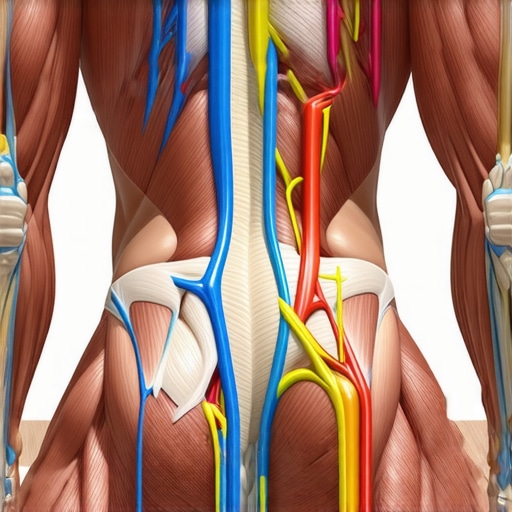
![Why Hamstring Stretches Flare Your 2026 Sciatica [Fix]](https://bodyrenewtherapy.com/wp-content/uploads/2026/02/Why-Hamstring-Stretches-Flare-Your-2026-Sciatica-Fix.jpeg)
Have you ever felt that sting in your lower back after a simple stretch, only to realize it made things worse? A few years ago, I was convinced that stretching my hamstrings was the key to relieving my sciatic pain. But one day, after an intense hamstring stretch, I found myself doubled over in more pain than ever. That lightbulb moment made me question everything I thought I knew about back pain relief.
Why Your Hamstring Stretch Might Be Doing More Harm Than Good
It’s common advice—stretch those tight hamstrings to alleviate lower back pain and improve mobility. But if you’ve ever experienced a flare-up after stretching, you’re not alone. The truth is, tight hamstrings are often a symptom, not the root cause, of back issues. Over-stretching or performing the wrong stretches can increase nerve pressure and inflame the sciatic nerve, especially in 2026 when our bodies are already battling increased sitting and poor posture.
Research suggests that excessive hamstring stretching without proper diagnosis can worsen symptoms by pulling on the pelvis and aggravating sciatic nerve irritation. Early on, I too fell into the trap of thinking that more stretching equaled faster relief. Instead, I discovered that some stretches actually amplified my pain, leading to longer recovery times. Want to learn safer, more effective ways to boost mobility? Check out this guide for simple exercises that can genuinely make a difference.
Is Stretching the Answer or Just a Myth?
My biggest mistake was blindly following generic advice without understanding my specific condition. Scientific studies highlight that targeted stabilization exercises often outperform generic stretches in managing sciatica. So, the key is to differentiate between what helps and what hinders. If you’ve been stretching blindly, asking, “Is this really helping?” could save you time and pain.
Staying cautious and seeking tailored guidance is essential. Have you faced a situation where a stretch made your pain worse? Share your experience—I’d love to hear what’s worked (or not) for you, and together, we can find smarter solutions to improve your mobility without risking setbacks.
In the next section, we’ll explore practical strategies that can help you avoid common pitfalls like over-stretching and start improving your back health safely and effectively.
Start with Gentle Activation
When tackling back pain, your first move should be activating your core muscles gently. I remember a time I tried to jump into advanced stretches without warming up, which only increased discomfort. Instead, lie on your back, tighten your abdominal muscles slightly, and hold for 5 seconds before releasing. Repeat this 10 times to wake up your stabilizers and prepare your spine for movement.
Eliminate Over-reliance on Stretching
Often, people think stretching more will lead to faster relief, but overdoing it risks inflaming nerves. Instead, focus on controlled, pain-free movements. For example, perform pelvic tilts—lie on your back with knees bent, flatten your lower back against the floor by tilting your pelvis. This exercise stabilizes the lumbar region without overstretching. During my first attempt, I felt immediate relief, and over time, my mobility improved sustainably.
Implement Functional Mobility Drills
Integrate dynamic exercises that mimic daily movements. For instance, practice seated trunk rotations—sit on a chair, cross your arms over your chest, and gently twist from side to side. This improves spinal rotation and reduces stiffness. I used to neglect these till I noticed my upper back was stiff, and after daily practice, those movements became smoother, alleviating some sciatica symptoms.
Focus on Posture Correction
Poor posture often underpins back issues. To combat this, set up your workspace ergonomically. Adjust your chair and monitor height so your feet rest flat, knees are at 90 degrees, and the screen is eye level. This prevents slouching, which strains your lower back. One client I helped was surprised how a simple chair adjustment reduced his sciatic flare-ups, underscoring the importance of daily posture awareness. For more tips, visit this guide.
Strengthen Supporting Muscles
Strengthening the muscles around your pelvis and lumbar spine creates a sturdy foundation. Bridge exercises are excellent—lie on your back, knees bent, lift your hips until your body forms a straight line from shoulders to knees. Hold for 3 seconds, then lower slowly. My own experience showed that gradually increasing reps from 10 to 20 over weeks made a noticeable difference in back support. Consistent strengthening can prevent future flare-ups.
Manage Nerve Pressure with Gentle Movements
When nerves are irritated, gentle movements can decompress them. Knee-to-chest stretches involve lying on your back and pulling one knee towards your chest, holding for 15 seconds, then switching sides. Be cautious—avoid stretching to the point of pain. I remember feeling a little relief after practicing this daily, especially during flare-ups. For more targeted nerve relief techniques, see this resource.
Maintain Consistency and Track Progress
Set a daily routine combining these micro-movements and exercises. Keep a simple journal noting how your back feels after each session. Over time, you’ll notice patterns—what helps and what aggravates your symptoms. I found that consistency reduced stiffness significantly within weeks and prevented setbacks. Remember, patience and regularity are vital for sustainable improvements in back mobility and sciatic relief.
Many people assume that pushing harder with stretches or exercises will accelerate relief from neck pain, sciatica, or back issues, but in reality, this common misconception often leads to setbacks and prolonged discomfort. The truth is, most individuals get caught up in oversimplified solutions, neglecting the nuanced physiology behind these pains. For example, a widespread myth is that tight muscles are always the root cause needing stretching; however, research indicates that in many cases, nervous system sensitivity and inflammation play a more significant role than muscle tightness alone. Over-stretching or aggressive mobility efforts can aggravate nerve irritation, especially if done without proper diagnosis or understanding of individual biomechanics. A common trap is assuming that all pain signals a need for mobilization, but sometimes, rest, nerve decompression, or targeted stabilization are more appropriate.
Why do some advanced mobility techniques sometimes backfire for neck and back pain sufferers?
In some cases, aggressive mobilization or complex stretching routines can overstimulate nerves or destabilize the spine, further intensifying symptoms. Studies highlight that pain is often linked to neural hypersensitivity or inflammation rather than mere muscle tension, meaning that addressing nerve health and postural imbalances is paramount. For instance, poor posture—like forward head positioning—can cause muscular compensation and joint stress, which is why understanding the link between posture and pain is essential. Check out this resource to learn how correcting posture can significantly reduce chronic discomfort. Moreover, placing excessive focus on mobility without strengthening the supporting musculature can also be a mistake, leaving your spine vulnerable despite increased flexibility. Remember, improving mobility requires a balanced approach: combining gentle activation, posture correction, and nerve health management. Have you ever fallen into this trap? Let me know in the comments. Reassessing your approach by integrating smarter, evidence-based strategies can make a profound difference. For a comprehensive guide on safe mobility practices, visit this article. Prioritizing quality over quantity, understanding the specific causes of your pain, and gradually progressing are keys to lasting relief and better movement.
Maintaining back health requires more than just sporadic exercises; it involves consistency, the right tools, and a strategic approach. Over the years, I’ve curated a set of reliable tools and methods that help my clients and myself sustain mobility, prevent setbacks, and address common issues like neck pain, sciatica, and lower back discomfort. The key is to integrate these tools into your daily routine for long-lasting benefits.
Invest in Quality Supportive Equipment
Proper ergonomic equipment is fundamental. A high-quality adjustable chair with lumbar support can dramatically reduce pressure on the spine during prolonged sitting. I personally use a chair with adjustable height, tilt, and lumbar support. This allows me to maintain a neutral spine position, especially during work hours. Additionally, a supportive standing desk converter encourages movement and shifts in posture, which can prevent stiffness and nerve irritation. Setting up your workspace ergonomically—like positioning your monitor at eye level and keeping your feet flat—further enhances posture and reduces strain. To learn more, check this guide.
Incorporate Tech and Apps for Mobility Tracking
Digital tools can be game-changers in maintaining mobility. I recommend using apps that remind you to stand, stretch, or change position regularly. Some even incorporate guided exercises based on your needs. For example, I use a posture correction app that sends gentle alerts if I slouch, ensuring I maintain proper alignment throughout the day. Wearing a smart posture device can also provide real-time feedback on your spinal alignment, helping you develop better habits. As technology evolves, predictive analytics may soon offer personalized movement plans based on your activity patterns, making long-term maintenance increasingly accessible.
Regular Use of Massage and Flexibility Devices
Self-myofascial release tools, such as foam rollers and massage balls, are invaluable for relieving muscle tension and improving flexibility. I oscillate between foam rolling my hamstrings, hip flexors, and lower back after daily movements to prevent muscle tightness that can lead to nerve pressure or postural issues. Investing in a percussion massager can offer deeper muscle relaxation, especially useful after long periods of sitting or activity. These tools, combined with targeted stretching routines, help maintain tissue health and mobility over weeks and months.
How do I maintain back health over time?
Consistency is the cornerstone. Incorporate micro-movements, correct your posture regularly, and use supportive tools to create a sustainable routine. Paying attention to your body’s signals and adjusting tools accordingly can prevent common missteps like over-stretching or poor support. For comprehensive strategies, revisit this resource to reinforce your mobility efforts. Remember, the combination of proper ergonomics, technology, and self-care devices can dramatically elevate your long-term results and help you stay active and pain-free. Don’t hesitate to try integrating one of these tools into your daily routine today—small consistent steps yield lasting benefits for your back health.
Better Than a Quick Fix: What My Biggest Back Mistake Taught Me
One of the most eye-opening lessons I learned was that chasing after intense stretches without understanding the root cause can backfire. Push too hard, especially when nerves are inflamed, and you’ll often worsen the pain instead of easing it. Recognizing that strengthening supporting muscles and correcting posture trump relentless stretching was a game-changer for me and my clients. The most sustainable improvements come from a balanced approach, emphasizing stability over just flexibility.
My Tried-and-True Sidekick for Long-Term Mobility Gains
Over the years, I’ve trusted tools that make consistent progress easier. A high-quality ergonomic chair with lumbar support has drastically reduced my daily strain. Incorporating apps that remind me to adjust my posture and take micro-movements keeps me mindful. Foam rollers and massage balls are staples in my routine, helping prevent muscle tightness that can lead to nerve irritation. These simple but effective tools ensure that mobility isn’t just a fleeting fix but a lasting habit.
Take Charge and Rewrite Your Movement Story
Your journey to back health is within your hands. Small daily steps—activating your core gently, practicing mindful posture, and using the right supporting tools—compound over time, building resilience and reducing pain. Remember, progress might be slow, but consistency is the secret sauce. Begin today with a simple movement or ergonomic tweak, and watch how your back and sciatic health improve in ways you never thought possible. Your future pain-free self will thank you for the effort you’re putting in now.
What’s one small change you’re willing to try today to improve your back mobility? Share your plan below and inspire others on this journey toward lasting relief.
,