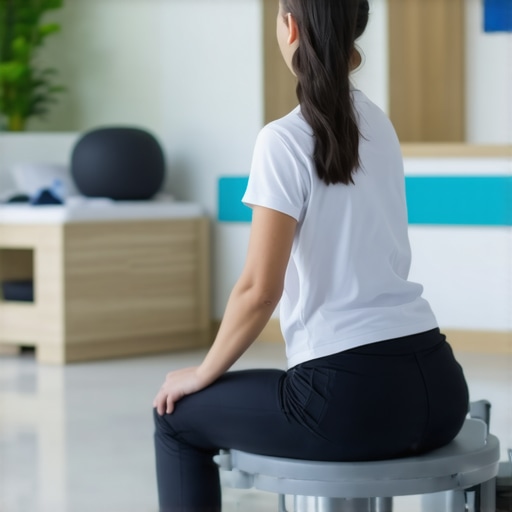
It was a morning just like any other. I leaned over my laptop, stretching out my arms in what I thought was a helpful routine. Suddenly, a sharp, shooting pain exploded down my leg. It felt worse than before, and I wondered: could my own stretching habits be the problem? That lightbulb moment changed everything I thought I knew about managing sciatica and posture.
The Hidden Danger of Overdoing It
Over the past few years, I’ve seen many desk workers, including myself, fall into the trap of believing that certain stretches or posture fixes are the magic bullet for relief. The truth is, some well-intentioned habits can inadvertently make things worse. For example, the popular “2026 Desk Stretch” might seem like a good idea—stretching your hamstrings or opening up your hips to alleviate back pain. However, if done incorrectly or at the wrong time, it can aggravate your sciatic nerve, leading to increased pain and discomfort.
Researchers estimate that up to 80% of people will experience back pain at some point in their lives, and many of these cases are connected to how we sit and move daily. In fact, a study published by the National Institutes of Health confirms that improper stretching or posture can exacerbate nerve compression—including the sciatic nerve.
What I’ve realized through my own experience—and now teach my clients—is that addressing back pain isn’t just about doing more stretches or sitting straighter. It’s about understanding what truly helps and what might harm. Today, I’ll guide you through the common pitfalls of desk stretches and show you how to prevent them from worsening your condition.
Are You Falling for the Hype About Desk Stretches?
Honestly, early in my journey, I made a classic mistake: I relied on single stretches to fix everything. I thought if I just touched my toes or opened my hips a bit more, my pain would disappear. But I was ignoring the bigger picture—posture habits, muscle imbalances, and nerve health. If you’ve been doing the same, you’re not alone. Many people overlook the importance of proper technique and timing, which can turn good intentions into pain triggers.
In the sections ahead, we’ll explore how to identify which stretches are actually beneficial, how to perform them safely, and the lifestyle tweaks that make a lasting difference. Ready to stop the cycle of temporary relief and start making real progress? Let’s dive in.
.
Prioritize Proper Movement Over Quick Fixes
When I first started experiencing sciatic pain, I was tempted to stretch endlessly and hope for relief. Instead, I learned to observe how I moved throughout the day. Focused movement patterns help avoid aggravating your nerve. For example, during a particularly tense morning, I consciously avoided rapid twisting motions and instead practiced controlled hip rotations. This micro-adjustment reduced my flare-ups and highlighted the importance of mindful movements. Incorporate gentle, deliberate actions instead of rushed or forceful stretches to protect your nervous system.
Master Safe and Targeted Stretches
Not all stretches are created equal, especially for sciatic issues. I discovered that hamstring stretches sometimes worsened my pain, particularly when done improperly. To do this safely, I lie on my back and use a towel around my foot to gently pull my leg, keeping my hips aligned. This method prevents overstretching and nerve compression. Remember to avoid overstretching or bouncing, which can irritate the nerve — think of your nerves as delicate wires that need gentle handling. Focusing on specific stretches that address your unique tight spots can make a substantial difference. Learn more about proper stretching techniques at this guide.
Be cautious with hip and hamstring stretches
Clinging to common routines without understanding their impact can backfire. For instance, deep hip flexor stretches might seem helpful but can intensify sciatic symptoms if your hips are already tight or misaligned. Always approach these with care, and consider consulting a professional to find your optimal balance.
Build a Daily Mobility Routine
Consistency is key. I committed to a simple morning routine that included gentle spinal twists and pelvic tilts. Over time, this improved my mobility and decreased nerve irritation. A good starting point is to perform movements that keep your spine flexible and muscles balanced. Actions like cat-cow stretches or bridges help activate core muscles and relieve pressure on your lower back. Catching yourself slouching or sitting for prolonged periods? Use posture cues and break sessions to reset your alignment. Discover effective low-impact movements at this resource.
Use Heat and Gentle Self-Massage Strategically
After days of stagnation or tension, I incorporate heat packs and gentle massage to soothe muscles. Think of your muscles as stiff rubber bands; warming makes them more pliable, reducing nerve pinching risk. Avoid aggressive self-massage, which can aggravate inflamed tissues. Instead, use light circular motions around tight areas, focusing on muscles that support your lumbar spine—like the glutes and lower back. This relaxes muscle restrictions and aids in pain reduction, especially when combined with other strategies.
Monitor and Adjust Your Posture Regularly
Awareness of your sitting, standing, and sleeping habits is crucial. I found that simply adjusting my workstation to support a natural lumbar curve and avoiding crossing my legs helped me manage discomfort. Small tweaks, such as using ergonomic lumbar pillows or standing periodically, prevent nerve compression. For more ergonomics insights, visit this guide.
Stay Attentive to Warning Signs and Seek Professional Help
While these steps are effective, listening to your body is vital. If you notice worsening pain, numbness, or weakness, consult specialists promptly. Ignoring serious symptoms can lead to long-term damage. Learn to recognize key symptoms at this overview. Early intervention can make all the difference in your recovery journey.Many individuals believe that back pain and sciatica stem solely from muscle strains or poor posture, but in reality, the underlying causes are often far more complex. A common misconception is that stretching always alleviates nerve compression; however, overdoing certain stretches or performing them incorrectly can exacerbate symptoms. For example, excessively aggressive hamstring stretches might irritate the sciatic nerve rather than soothe it, especially if done without proper guidance.
One critical nuance often overlooked is the role of nerve mobility alongside muscle flexibility. Enhancing nerve gliding and mobility requires targeted techniques beyond traditional stretching, something that many clinicians emphasize. According to a study published in the Journal of Orthopaedic & Sports Physical Therapy, nerve-specific mobilization can significantly reduce symptoms of sciatica when applied properly. Learn more about effective sciatic nerve strategies here.
Another myth is that back pain always indicates a severe structural issue requiring imaging or surgery. In fact, most back pain episodes are due to functional or muscular imbalances, which respond well to conservative management. Yet, missing warning signs like persistent numbness, weakness, or incontinence can lead to delayed treatment. Recognizing these subtle signs and seeking professional advice can prevent long-term complications.
Advanced practitioners understand that addressing root causes involves a holistic view—considering posture habits, stress levels, sleep quality, and even emotional health. Chronic pain often interplays with stress, making relaxation and stress management a vital component of comprehensive care. Remember, consistently ignoring these factors can trap you in a cycle of recurrent discomfort.
So, what is the most critical mistake people make? They focus on symptom relief through quick fixes rather than understanding the nuanced interplay of structural, neurological, and lifestyle components. To truly improve, one must adopt an individualized approach that combines safe mobility practices, nerve-specific exercises, and lifestyle adjustments. If you’re interested in a tailored program, I invite you to reach out for personalized help.
Have you ever fallen into this trap? Let me know in the comments.
How Do I Maintain Back and Neck Health Over Time?
Staying consistent with your mobility and posture routines is vital, but having the right tools can make that consistency much easier. I personally rely on specialized equipment and apps to track progress and reinforce healthy habits. One of my favorites is a foam roller designed for targeting deep muscle tissues. I use the Gaiam Exclusive Foam Roller because its density provides excellent pressure without causing discomfort, helping me loosen tight muscles that can aggravate nerve compression.
Additionally, employing a high-quality lumbar support pillow during prolonged sitting has been a game-changer. I recommend the Everlasting Comfort Lumbar Pillow because it maintains my spine’s natural curve and prevents slouching—a common contributor to chronic pain. Regularly, I perform specific mobility exercises from this resource to keep my vertebrae flexible, which is critical for long-term health.
For tracking progress and reminders, I utilize an app like Curable, which offers guided mobility routines and educational content. It’s like having a personal coach in my pocket that keeps me accountable and informed. These tools help bridge the gap between occasional stretches and consistent, sustainable health management.
Why Incorporate Professional Support and Equipment?
While self-administered tools and routines are effective, integrating periodic sessions with a physical therapist ensures your approach stays personalized and safe. A professional can assess your specific imbalances or issues and recommend targeted equipment, like a massage tools or mobility devices tailored to your needs. Over time, these investments can significantly improve your ability to maintain pain-free movement and prevent setbacks.
Future Trends in Back Health Maintenance
Looking ahead, I believe we will see smarter wearable technology that monitors posture in real-time, nudging us to make adjustments before pain worsens. Wearables like posture sensors, integrated with mobile apps, will become standard tools for proactive back health management, akin to how fitness trackers revolutionized exercise tracking. Combining these with advanced virtual coaching will empower users to stay on top of their mobility goals with greater precision and ease.
To get started today, pick one effective tool—like a foam roller or lumbar support—and commit to using it daily. For example, incorporate a quick session of targeted mobility exercises from this guide to reinforce your long-term progress. Remember, consistency combined with the right tools is key to keeping your back, neck, and overall mobility working smoothly for years to come.
If you’re interested in a comprehensive plan tailored to your unique needs, consider reaching out for personalized guidance at this contact page. Taking proactive steps today can save you pain and discomfort tomorrow.
The Hardest Lesson I Learned About back pain,mobility,neck pain,sciatica
One of my most profound realizations is that quick fixes often mask deeper issues rather than resolve them. I used to believe that a single stretch or adjustment could permanently banish pain, but I found that sustainable relief demands addressing root causes and embracing ongoing habits.
3 Myths About back pain,mobility,neck pain,sciatica That Held Me Back
Misconceptions like “stretching always helps” or “sitting straight is enough” can keep us stuck in cycles of discomfort. Challenging these myths was crucial—true progress requires nuanced understanding and personalized strategies.
What Experts Won’t Tell You About back pain,mobility,neck pain,sciatica
Many professionals emphasize the importance of nerve mobility and lifestyle adjustments over isolated stretches. Recognizing the interconnectedness of posture, stress, and movement unlocked a more effective path to feeling your best.
My Essential Toolkit for back pain,mobility,neck pain,sciatica
Having reliable resources made a difference. I trust therapeutic tools like foam rollers and lumbar supports because they provide consistent, targeted relief, helping me maintain mobility even on busy days.
Books That Changed How I View back pain,mobility,neck pain,sciatica
Deepening my knowledge through expert-authored books, such as those focusing on nerve health and holistic movement, gave me confidence to craft my own effective routines and share insights with others.
Where to Go from Here
Your journey towards pain-free living isn’t a sprint—it’s a series of mindful choices and ongoing practice. Start small, stay consistent, and don’t hesitate to seek professional guidance when needed. Explore resources like this guide to deepen your understanding and refine your approach. Remember, lasting mobility and comfort are within your reach—every mindful step counts.