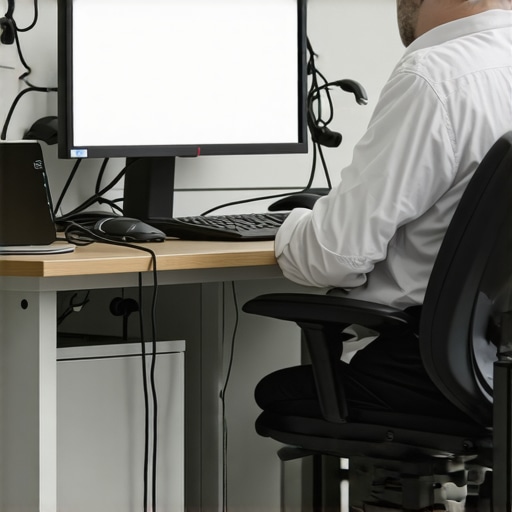
I remember the exact moment I first felt that stubborn pain creeping into my lower back after a long day at the desk. It was more than just discomfort; it was a wake-up call. That lightbulb moment made me realize how often I neglect the subtle signs our bodies give us—especially when we’re slouched over, unknowingly shaping our spines into a curving ‘C’ that becomes hard to undo. If you’ve ever caught yourself hunching forward during meetings or scrolling on your phone for hours, you’re not alone. But here’s the kicker: this poor posture, if left unchecked, can lead to chronic back pain and mobility issues that might seem to creep on slowly but can really hold you back in the long run.
Today, I want to share something personal—my journey from constant discomfort to confident mobility. The good news? You don’t need fancy gadgets or endless hours in therapy to make meaningful changes. We’re going to explore three simple yet effective mobility fixes that can help you ‘stop the slouch’ before it becomes a real problem in 2026. After all, our spines are the backbone of our daily lives, supporting everything from work tasks to weekend adventures.
Why Your Posture Isn’t Just About Looks
Ever wonder why slouching feels so natural after a long day? It turns out, our bodies are wired to seek comfort, often at the expense of proper alignment. But consistent poor posture can lead to misaligned vertebrae, muscle imbalances, and even nerve compression. According to a study published by the National Institutes of Health, posture-related issues account for nearly 80% of back pain cases [source](https://bodyrenewtherapy.com/is-your-back-pain-a-sign-of-something-more-serious-key-symptoms-to-watch). That’s a staggering number, highlighting how crucial it is to address these habits early.
Early in my journey, I made a common mistake: I relied solely on stretching without strengthening the muscles that support my spine. This oversight only prolonged my discomfort. Once I realized that posture correction is about more than just quick fixes—it’s about creating sustainable habits—I started making small adjustments that yielded noticeable results.
So, if you’ve been battling that creeping slouch or waking up with stiff necks, know that you’re not alone, and there are practical steps you can take right now. Ahead, we’ll dive into three mobility fixes that are easy to incorporate into your daily routine—trust me, your future self will thank you. Ready to transform that C into a healthy, upright spine? Let’s get started.
Start with Targeted Spine Flexion Exercises
Think of your spine as a flexible jointed pipe; over time, it can stiffen, limiting movement and increasing discomfort. To counteract this, I began practicing gentle flexion movements daily, like slow cat-cow stretches. For instance, I set aside five minutes each morning to do a controlled cat-cow sequence, focusing on rounding and arching my back consciously. At first, my movements were hesitant, uneven, and a bit messy, but pushing through this initial clumsiness helped loosen my thoracic and lumbar regions. This simple move encourages the discs and vertebrae to hydrate and regain some of their natural glide, much like oiling a squeaky hinge.
Incorporate Hip Openers to Alleviate Lower Back Strain
Many folks overlook how tight hips can exacerbate back pain. A tight piriformis or hip flexors can pull on the lumbar spine, causing misalignment and numbness. I experimented with pigeon pose and gentle hip swings while watching TV. I remember one evening trying to hold a butterfly stretch, wobbling unsteadily at first—I felt weird, almost like a toddler trying to walk. But over a week, I noticed less tension in my lower back, and standing became more effortless. The key here is consistency: dedicate just 3–5 minutes daily to hip mobility drills, like knee-to-chest or seated rotations, which can be found in this guide on ergonomic tips. They prevent your hips from becoming bottlenecks that stiffen your entire posterior chain.
Strengthen Core Muscles to Support Spinal Alignment
Imagine your core as the scaffold holding up a building; if the supports weaken, the structure sags and cracks. I started adding in plank variations and dead bug exercises, initially struggling to hold a plank for more than 10 seconds—my form was shaky and my hips sagged. At first, I thought I’d never get anywhere, but persistence paid off. After two weeks, I could hold plank positions comfortably, and my lower back pain diminished. These exercises activate deep abdominal muscles that stabilize your spine, much like reinforcing a foundation. A good starting point is the simple exercises designed for mobility. Building core strength isn’t about vanity; it’s about creating resilient support for your back and reducing the risk of future flare-ups.
Adjust Daily Posture Habits for Long-Term Relief
Posture is habitual—like your favorite chair, it’s comfortable because it’s familiar. I recall one afternoon, after a long session of hunching over my laptop, my neck felt stiff, and my back ached. That day marked a turning point—I paused to evaluate my habits. I started sitting with feet flat, shoulders relaxed, and monitor at eye level, using ergonomic supports. Initially, I sat uncomfortably, fidgeting to find a balanced position, but over days, these micro-adjustments became natural. Making these small position tweaks can be as simple as setting reminders to avoid slouching or using a lumbar pillow. These adjustments help combat the tendency to slip into poor posture, which is detailed in posture correction techniques. Over time, this reduces strain and fosters healthy movement patterns that support back health.
Many assume that sciatica and back pain are straightforward issues that simply require rest or basic stretches. However, this oversimplification often leads to ineffective treatment and lingering discomfort. One common myth is that stretching alone can resolve nerve impingements; in reality, without addressing underlying muscle imbalances and movement patterns, pain tends to persist or worsen. For example, focusing solely on hamstring stretches may temporarily relieve discomfort but can actually exacerbate nerve irritation if your hips and pelvis aren’t properly aligned. Research from the American College of Sports Medicine emphasizes that a comprehensive approach—including strengthening, mobility drills, and posture adjustments—is essential for lasting relief [source].Maintaining the improvements you’ve made requires the right tools and a consistent approach. Personally, I rely heavily on a combination of ergonomic accessories and digital resources to ensure my spine stays in good shape over the long term. One tool I swear by is a high-quality lumbar support pillow, which I use whenever I spend extended periods sitting—whether at my desk or in the car. It helps maintain proper lumbar curvature, preventing slouching that often leads to back discomfort. Additionally, I utilize posture reminder apps like ‘Upright GO’ to cue me to sit upright regularly; these alerts are personalized and have become integral to my daily routine. I also regularly consult motion-tracking devices, such as wearable sensors, which provide feedback on my posture throughout the day, making me more mindful of my habits. Research indicates that incorporating technology into posture correction can significantly enhance adherence and results.
Looking ahead, I believe emerging virtual reality (VR) platforms will become valuable tools, offering immersive guided mobility exercises tailored to individual needs. For instance, VR-driven programs can simulate real-world scenarios, encouraging proper movement patterns that reduce nerve impingement and muscle strain. As these technologies evolve, expect a future where integrating tech-assisted routines into daily life will become standard.
How do I maintain my back and neck health over time? The key lies in consistent, purposeful habits supported by effective tools. I recommend trying the [mobility mastery](https://bodyrenewtherapy.com/mobility-mastery-daily-tips-to-keep-your-spine-and-joints-healthy) techniques, which detail smart exercises you can do at home to reinforce your progress. Remember, supplementing physical exercises with the right gear and digital reminders will help you sustain benefits and avoid setbacks.
For more detailed strategies on long-term relief, explore our [back pain relief](https://bodyrenewtherapy.com/back-pain-relief-top-strategies-to-restore-mobility-ease-discomfort) guide, which emphasizes integrating tools into your daily routine. Commitment to these methods will empower you to keep pain at bay, ensuring mobility and comfort well into 2026 and beyond. If you’re ready to upgrade your setup or need personalized advice, don’t hesitate to [reach out](https://bodyrenewtherapy.com/contact-us) for tailored recommendations. Making these investments now is an essential step toward a healthier, more mobile future.
What I Wish I Knew When I Started Treating My Back Pain
One of the toughest lessons I learned was that quick fixes only offer temporary relief; true progress demands a shift in mindset and daily habits. Recognizing that mobility is a holistic journey—combining strength, flexibility, and posture—transform my approach completely. The moment I embraced consistent routines over sporadic stretches, my back and neck pain began to fade gradually.
Why Small Changes Can Lead to Big Results
I’ve discovered that integrating simple movements, like hip openers and core strengthening, into my daily routine can prevent issues before they escalate. It was eye-opening to realize that even five minutes of mindful mobility can help maintain spinal health amidst a busy schedule. These small adjustments accumulate, creating a resilient foundation that safeguards against future discomforts.
The Power of Mindful Posture throughout the Day
It’s easy to overlook how habitual slouching erodes our spinal well-being. My breakthrough came when I started paying close attention to my sitting and standing habits, using ergonomic supports and reminder apps. This conscious effort made maintaining proper alignment second nature, fostering lasting relief and preventing recurring pain episodes.
Curious About My Top Resources That Accelerated My Recovery?
- BodyRenew Therapy’s ergonomic tips: Practical advice on setting up your workspace to support spinal health—I’ve seen remarkable differences.
- Mobility Mastery guides: Simple exercises designed to keep your spine and joints healthy; they became an essential part of my routine.
- Tech tools like Posture Reminder Apps: Assisting me in staying mindful of my habits, these tools helped cement healthier behaviors over time.
- Expert articles and community advice: Staying informed and connected provided sustained motivation and new techniques for my back and neck care.
Ready to Take Control of Your Back and Neck Health?
Remember, the path to lasting relief and mobility isn’t a sprint but a mindful journey. Incorporating these insights can empower you to break free from chronic discomfort, ensuring a vibrant, active life in 2026 and beyond. What’s one small habit you’ll start today to protect your spine? Share your thoughts below—I’d love to hear your plan!