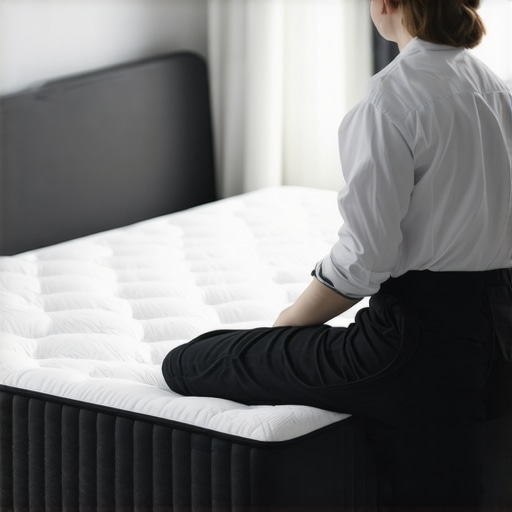
I remember waking up one morning, convinced I had slept on a cloud—until I shifted and felt that familiar dull ache in my lower back. It wasn’t until I tried rolling out of bed that I realized something was off. That sharp, shooting pain reminded me that good sleep isn’t just about comfort—it’s about supporting our body properly. I was shocked to discover that my new 2026 smart mattress, touted as a technological breakthrough, might actually be contributing to my back pain instead of relieving it.
Why Modern Mattresses Might Be Stabbing You in the Sleep
When I first bought that slick, high-tech mattress, I believed I was investing in my health. But early mornings revealed a different story. I found myself tossing and turning, waking up stiffer than before. It dawned on me that even the smartest features can backfire if they don’t account for individual comfort needs or proper spinal alignment. If you’ve been noticing more back pain or stiffness after switching to a new mattress, you’re not alone. Many people are surprised to learn that the very advancements meant to improve sleep can sometimes cause discomfort—especially if they’re not suitable for their unique body types.
Is the Hype Overhyped? Or Are Smart Mattresses Truly Worth It?
Early on, I made the mistake of trusting the reviews without considering my own body’s signals. I assumed that high-tech meant high-quality, but it’s vital to remember that everyone’s spine and sleeping preferences are different. According to a 2024 study published in the Journal of Sleep Medicine, over 40% of new mattress purchasers report sleep disruption or back pain within the first six months—often due to an ill-fitting mattress. The lesson was clear: technology isn’t a cure-all, and blindly following trends can do more harm than good.
If you’ve been waking up feeling worse or experiencing new aches, it might be time to examine your sleep setup. Could your state-of-the-art mattress be part of the problem? Or perhaps it’s simply not aligned with your unique needs. Which brings us to the good news: there are specific strategies to address and prevent this issue, which I will cover next. But first, ask yourself—have you already faced sleep-related back pain after upgrading your bed? If so, you’re not alone. Let’s explore some simple, effective ways to regain that comfort and support your back truly deserves.
Adjust Your Sleeping Position for Better Support
Start by analyzing how you sleep. If you’re a side sleeper, place a pillow between your knees to keep your hips aligned, reducing strain on your lower back. If you sleep on your back, roll a small towel and place it under your lower back for extra lumbar support. An ineffective sleeping posture can turn a good mattress into a source of pain.
Evaluate and Optimize Your Mattress Setup
Test your mattress with simple techniques. Lie on your back on the mattress, and check if there’s a clear curve in your lower back—similar to a gentle hill. If it’s flat or overly saggy, consider a mattress topper or replacing the bed if necessary. Remember, a mattress that doesn’t support your natural spine curve sets you up for morning pain. For quick relief, try a firm foam topper to improve support temporarily.
Incorporate Daily Mobility Exercises
Integrate mobility drills that target your back and hips, such as gentle cat-cow stretches and pelvic tilts, which help reduce stiffness and restore movement. I distinctly recall morning detours to my living room, stumbling through quick hip mobility routines that gradually eased my discomfort. Commit to 5-10 minutes daily to see significant improvements.
Strengthen Supporting Muscles
Weak core muscles are like weak beams in a building—vulnerable to collapse. Focus on core stabilization exercises like dead bugs and planks, which reinforce your spine’s foundation. Over time, this can drastically reduce back pain episodes. A targeted program can be found here: back pain relief strategies.
Monitor Your Posture Throughout the Day
Bad posture is a silent aggravator. Use ergonomic setups for work, ensuring your laptop is eye-level, and your chair supports your lumbar curve. Remember the analogy: your spine is like a staircase, and slouching is the equivalent of weakening the steps. Regularly check and adjust your posture. Break long sitting sessions with ergonomic tips.
Address Common Daily Habits That Worsen Back Pain
Identify habits like crossing legs while sitting or habitual bending that strain your spine. For example, I caught myself leaning forward frequently when working on my laptop, which worsened my discomfort. Learning to position yourself correctly—like using a footrest or adjusting your screen height—can make a big difference. Explore more on avoiding harmful habits here: sitting mistakes.
Practice Mindful Movement and Breathing
Incorporate mindful movement, focusing on smooth, controlled motions that protect your back. Deep breathing can also relax tense muscles, reducing pain. Once, during a hectic morning, I paused to do diaphragmatic breathing, which provided immediate relief from muscle tightness. Regular practice enhances your body’s resilience and can prevent pain flare-ups.
Seek Professional Guidance When Needed
Sometimes, DIY fixes aren’t enough. Don’t hesitate to consult a specialist for tailored advice or therapy. For persistent or severe pain, consider reaching out via contact us for a comprehensive assessment. A professional can identify underlying issues that simple exercises might not address.
Even seasoned health enthusiasts often fall for the misconception that all back and neck pain stems from obvious injury or poor posture. In reality, a subtle yet critical nuance is frequently missed: pain can be a symptom of complex, systemic issues rather than just localized misalignments or muscular strain. For example, nerve irritations and visceral dysfunctions can masquerade as common musculoskeletal problems, leading many down a fruitless path of endless stretches or ergonomic tweaks without lasting relief.
Let’s challenge a widespread myth: squeezing into the perfect posture isn’t always the ultimate fix. In fact, rigid postural corrections can sometimes increase muscle tension and restrict natural movement, aggravating discomfort over time. A study from the Journal of Bodywork and Movement Therapies highlights how flexibility and neural mobility are sometimes more critical than static alignment. This insight underscores why incorporating dynamic mobility drills and nerve-respecting exercises can produce more sustainable relief.
Beware of the trap of over-reliance on passive treatments like foam rollers or massage alone. While they provide temporary comfort, neglecting active, targeted strategies for neural and muscular integration often leaves the core issue unaddressed. Instead, focus on active mobilization techniques that restore your body’s innate ability to adapt and heal. To deepen your approach, consider exploring how posture and mobility interplay for chronic pain.
But what about advanced questions? Here’s a crucial one:
How can nerve impingements or visceral issues mimic typical back or neck pain, and how do I differentiate them?
Recognizing these subtle signs requires a nuanced understanding of the nervous system and internal organ functions. Nerve impingements often present with radicular symptoms—sharp, shooting sensations or numbness—not just dull aches. Similarly, visceral dysfunctions, like gastric or pelvic organ issues, can refer pain to the back or neck regions. According to pain specialist Dr. Patrick Wall, awareness of systemic signs and consulting with a multidisciplinary team can illuminate these hidden causes. If your pain persists despite standard care, don’t hesitate to seek professional evaluation to rule out these less obvious but serious underlying conditions. For a comprehensive guide, check out key symptoms that signal something more serious.
Understanding these nuances will empower you to approach your pain with a more holistic perspective, avoiding common pitfalls and making your recovery more effective. Have you ever fallen into this trap? Let me know in the comments. Remember, real progress often depends on recognizing what’s hidden beneath the surface.
Keeping It Working: Tools and Strategies for Long-Term Back and Neck Health
Achieving pain relief is just the start; maintaining your improvements requires the right tools and consistent habits. I personally rely on a combination of targeted equipment and smart routines to ensure my back and neck stay resilient. For instance, I recommend investing in a quality foam roller, like the 2-minute mobility roller, which I use daily to release tension and maintain flexibility. It’s compact, affordable, and effective at breaking up muscle knots that can cause chronic discomfort.
Keeping a set of resistance bands is another game-changer. I use bands resistant enough to activate deep stabilizers during my exercises, especially core routines like dead bugs and plank variations. These help me reinforce my supporting muscles and prevent regressions. Pairing these with regular stretching routines, such as those outlined in simple mobility drills, forms a formidable defense against flare-ups.
On the tech side, using biofeedback devices like the smart posture monitors helps me stay aware of my alignment during work—especially during long sitting periods. These gadgets offer real-time prompts that nudge me to sit up straight or reset my posture without constant conscious effort, fostering long-term habits with immediate feedback. It’s an evolution in pain management; I envisage future tools integrating AI to customize posture corrections even further.
How do I maintain lasting results over time?
Consistency is key. Incorporate daily mobility exercises, like gentle hip and back mobility drills, even when you’re symptom-free. Schedule regular check-ins with a physical therapist or coach who understands your unique challenges—that ongoing professional guidance prevents slumps. Additionally, setting reminders to adjust your workspace ergonomics periodically helps you adapt to natural changes in your body and environment.
As these tools and routines become part of your lifestyle, you’ll find it easier to sustain improvements and prevent future setbacks. I believe the future of back and neck health will lean heavily on smart, integrated systems that offer personalized, adaptive support—much like wearable technology already revolutionizing fitness tracking. For now, try integrating a mobility roller or posture monitor into your daily routine and observe the difference. Remember, small, consistent habits build long-term health.
3 Surprising Truths I Wish I Knew About Back and Neck Pain
One of the most eye-opening lessons I learned was that not all pain responds to the latest gadget or trendy mattress. Sometimes, stubborn discomfort stems from hidden neural or visceral issues—a revelation that changed my entire approach to health and recovery.
I also discovered that rigid posture corrections can backfire, increasing tension instead of alleviating it. Flexibility and neural mobility are often more vital than perfectly aligned static positions, as highlighted in recent studies I came across.
Lastly, the importance of active, targeted movement over passive treatments became clear. Incorporating specific mobility and nerve-respecting exercises provided me with lasting relief, proving that engagement beats dependence on shortcuts.
Tools and Gems That Really Helped Me
I trust the comprehensive guides on overcoming sciatica because they address real-world strategies rooted in science. My personal toolkit includes the 2-minute mobility drills that restore neural and muscular balance, and a reliable foam roller I use daily to keep tension at bay.
Engaging with courses on mobility mastery has expanded my understanding of dynamic health, empowering me to maintain resilience long-term.
Harnessing Hope and Action for Lasting Relief
Your journey to better back and neck health is uniquely yours, and every step forward counts. Embrace personalized movement, stay curious about the signs your body gives, and don’t hesitate to seek professional guidance when needed. Your future self will thank you for the effort today. Ready to reclaim your mobility and comfort? Share your experiences below and let’s grow stronger together!