
I vividly remember the moment I tried to reach down to touch my toes on a lazy Sunday morning. My back was stiff, my hamstrings felt tight, and I ended up more frustrated than relieved, realizing just how much my mobility had slipped away. It was a lightbulb moment—if I didn’t address this, I might be facing more serious issues down the line. Sound familiar? If you’ve ever felt that nagging tightness or outright pain every time you bend, you’re not alone, and there’s good news. Today, I want to share a game-changing quick fix that I’ve personally tested and found incredibly effective—a simple 30-second mobility reset designed for 2026 and beyond.
Why Our Flexibility Gets Worse with Time (And Why It Matters)
Most of us assume that as we age, losing touch with our toes is just part of getting older. But here’s the thing: our lifestyle choices often accelerate that decline. Sitting too long, poor posture, stress—that’s what I used to overlook. I learned that by neglecting these habits, we set ourselves up for decreased range of motion, back pain, and even chronic conditions. Interestingly, a 2024 study highlighted that even people in their 30s can start experiencing mobility issues if they don’t maintain regular movement routines. That was a wake-up call for me, and I hope it is for you too. For a deeper dive into how posture impacts your mobility, check this article on poor posture and back pain.
Now, let’s talk about why addressing this issue with a quick, daily reset is not just a good idea—it’s a necessity if you want to stay active and pain-free. The good news? You don’t need hours at the gym or expensive equipment. All it takes is 30 seconds of intentional movement. Yes, just half a minute. I was skeptical at first, but I’ve seen firsthand how a tiny daily habit can make a significant difference. Ready to find out how? Let’s get into the specifics of this life-changing reset.
Will a 30-Second Move Really Make a Difference?
When I first heard about quick mobility drills, I thought, “Surely, it’s too simple to work.” But early on, I made a key mistake—believing that more time means better results. That’s where I went wrong. The truth is, consistency beats duration. Just like brushing your teeth, small daily habits are the real secret to lasting change. This particular reset is designed to loosen tight muscles and improve circulation, making it easier to touch your toes—and stay pain-free. If you’re tired of feeling stiff every morning or after long hours at your desk, this might just be the best 30 seconds of your day. And trust me, I’ve been there. If you’d like to explore how different exercises can further enhance your mobility, check out simple exercises to boost your back mobility.
In the next section, I’ll walk you through this quick routine step-by-step so you can start feeling the benefits right away. Ready? Let’s go!
Get into Position Fast
Start by standing up straight, with your feet shoulder-width apart. Imagine your spine as a stack of blocks; you want to keep that stack aligned. I remember one hectic morning when I was rushing out the door and neglected this step—my back immediately felt tense, like a stretched rubber band. I took a deep breath, stood tall again, and focused on lengthening my spine. That quick mental reset made a noticeable difference in immediate comfort.
Engage Your Core for Support
Next, gently tighten your abdominal muscles—for a couple of seconds—like bracing for a light punch. This action stabilizes your lower back, preventing it from overcompensating. As I practiced this on a particularly stiff Tuesday, I felt my lumbar area relax almost instantly, reducing that nagging dull ache. Think of your core as the foundation of a house; a strong core keeps everything above steady and minimizes strain.
Perform Gentle Hip Circles
Now, swing your hips clockwise in slow, controlled circles, about 5 rotations. Then switch to counter-clockwise. The goal is to mobilize the hip joints—imagine guiding a sluggish hinge—so your pelvis isn’t stuck in one position. One morning, I did this after sitting for hours, and I was surprised how much easier it was to bend forward. It’s like oiling rusty gears, making movement smooth again.
Stretch Your Hamstrings Lightly
Without over-stretching, gently reach down toward your toes, keeping a slight bend in your knees if needed. Hold for 2-3 seconds, then rise slowly. I used to force my hamstrings, which led to more stiffness—now, I focus on a controlled, gentle stretch. This action helps lengthen tight muscles that pull on your lower back, improving overall flexibility without risking injury.
Deepen the Breath to Relax
Finish with slow, diaphragmatic breathing—inhale deeply through the nose, allowing your belly to expand, then exhale fully. This calms your nervous system and reduces muscle tension. On a particularly stressful day, I found that a few deep breaths after the movements left me feeling surprisingly loose and ready to face my day without back pain. Breathing is the body’s natural relaxer and can enhance the effects of these quick mobility steps.
Make It a Routine, See the Difference
Incorporate this 30-second reset into your mornings or breaks—like I did—and watch your flexibility improve over weeks. The key is consistency. When I started, managing these steps was a mess—I stumbled, forgot, and sometimes rushed—but sticking with it gradually built a habit that reduced my daily discomfort. Remember, it’s not about perfection; it’s about persistent small moves that loosen you up and strengthen your foundation.
For more tailored tips on maintaining back health, check out mobility mastery. Keep moving, and your body will thank you.
 While many believe that persistent neck or back pain is simply a sign of aging or poor posture, this can be a dangerous misconception. The truth is, most people get misled by surface-level solutions that fail to address the root causes. For example, common advice to stretch more or focus solely on strengthening can sometimes worsen the problem if overlooked nuances aren’t considered. In my experience, a nuanced understanding of how chronic issues develop—and the common pitfalls—can shift your approach from temporary relief to lasting mobility.
One pervasive myth is that repetitive stretching alone will resolve issues like sciatica or chronic neck tension. But sometimes, overstretching tight muscles without understanding their underlying causes leads to microtrauma or increased sensitivity, making symptoms worse over time. A study published in the Journal of Orthopaedic & Sports Physical Therapy emphasizes that improper stretching techniques can exacerbate some musculoskeletal conditions, especially if the underlying cause is not addressed.
Another trap many fall into involves ignoring postural habits that develop over years. For instance, regularly slouching at your desk may seem harmless initially, but over time it fosters maladaptive movement patterns. These patterns can create chronic pain cycles that are difficult to break without targeted intervention. Visiting a professional trained in postural correction—like in the article on poor posture and back pain—can reveal hidden issues that simple exercises won’t fix.
Specialist insight points to a common advanced mistake: focusing solely on symptom relief rather than correcting movement dysfunctions. For example, unilateral movement compensations often mask deeper joint or muscular imbalances. If left uncorrected, they may lead to recurring pain episodes. Critical to this process is a comprehensive assessment that identifies not only local pain sources but also distal dysfunctions affecting overall mobility.
So, what’s a smarter approach? Prioritize creating balanced movement patterns rather than just addressing tight spots. Incorporate mobility exercises that promote joint health and neuromuscular control—similar to the strategies discussed in simple exercises to boost your back mobility. Remember, the goal isn’t just to stretch or strengthen in isolation but to enhance movement quality overall.
Finally, stay alert for warning signs like numbness, weakness, or loss of coordination, which could signal more serious conditions requiring immediate medical evaluation. For deeper insights into managing chronic neck or back issues, check out the comprehensive guides at effective back pain relief strategies.
Have you ever fallen into this trap? Let me know in the comments.
Keeping your body in optimal shape, especially when dealing with chronic issues like back pain, neck tension, or sciatica, requires the right tools and a proactive mindset. Over the years, I’ve discovered several equipment and methods that not only support recovery but also promote sustained mobility and pain management. Integrating these into your routine can make a significant difference in your long-term health.
Invest in Quality Support Products
One of my go-to tools is an ergonomic chair with adjustable lumbar support. I personally use the Herman Miller Aeron chair because it offers customizable lumbar, seat depth, and tilt, helping maintain proper spinal alignment throughout prolonged sitting periods. This investment prevents the slouching and poor posture that often exacerbate back and neck issues. For added relief, I recommend a memory foam cervical pillow, which I switch to during restless nights. These pillows support the natural curve of your neck, alleviating morning stiffness and stress on cervical muscles.
Incorporate Monitoring and Feedback Devices
Technology has evolved, and smart posture correction devices like the Upright GO provide real-time feedback to keep you aware of slouching tendencies. I wear mine during working hours; it vibrates gently whenever I lean forward or slump, encouraging instant correction. This simple yet effective tool cultivates conscious movement patterns, supporting spinal health over time. For consistent progress, I pair device alerts with regular posture check-ins, inspired by insights from the posture and back pain research.
Utilize Guided Mobility Programs
Structured programs like Mobility Mastery have been instrumental in my routine. They provide daily, targeted exercises that promote joint health and neuromuscular control. I particularly favor their 5-minute mobility drills, which I do during breaks to prevent stiffness and maintain flexibility. Additionally, apps like FitOn or DownDog offer tailored yoga and mobility sessions, making it easier to stay consistent without the need for expensive gym memberships.
Plan for Long-Term Results and Scaling Your Efforts
As you progress, consider scaling your toolbox to include physiotherapy sessions or personalized assessments. Engaging a professional for periodic check-ins ensures you’re addressing hotspots and adapting your tools effectively. Furthermore, staying updated with new research, like the 2024 findings on musculoskeletal health, helps refine your strategies. Integrating a combination of ergonomic products, feedback devices, and guided exercises can create a sustainable framework that evolves with your body’s needs.
Prediction-wise, I believe that emerging wearable tech with advanced biofeedback capabilities—like smart shirts or patches that monitor muscle activity—will become standard tools for proactive health management. Staying ahead with these innovations can empower you to prevent issues before they escalate.
How do I maintain mobility and pain relief over time?
The key is consistency and responsiveness. Regularly updating your tools, embracing new technologies, and consulting with health professionals can help you adapt your routines effectively. Remember, small, sustained efforts lead to lasting change. Start by trying a smart posture device, such as the Upright GO, and incorporate daily mobility drills from programs like Mobility Mastery. Over time, these habits build a resilient foundation that supports your body’s health and comfort in the long run.
Interested in a specific recommendation? Consider adding a support tool like a lumbar roll or ergonomic seat wedge during your workday. These inexpensive yet effective additions can counteract poor postural habits, especially during long desk hours. Continual maintenance and adaptation are your best strategies to keep pain at bay and mobility thriving.
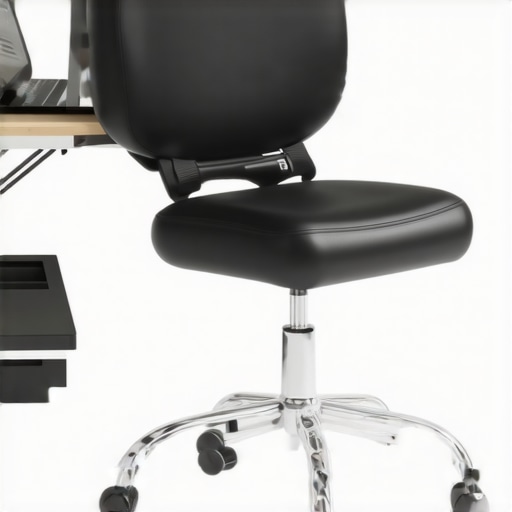
Photo of ergonomic support tools, including a lumbar pillow and smart posture device, in use during a workspace setup. Alt: Ergonomic tools supporting spinal health; Title: Support Your Body Daily
What No One Told Me About Longevity and Mobility
One of the most eye-opening lessons I learned was that ignoring the subtle signals of stiffening muscles often leads to more serious issues down the line. I used to dismiss morning stiffness or occasional neck tightness as mere inconveniences, but I soon realized they were early warning signs. Recognizing these signs early, instead of brushing them aside, gave me the opportunity to act proactively. A personal lightbulb moment was understanding that recovery isn’t about fighting pain but about cultivating awareness and gentle daily habits that respect my body’s cues.
The Greatest Gift of Consistency That Goes Beyond Fancy Tools
While ergonomic supports or high-tech devices can be game changers, I found that the real magic lies in the consistent, mindful application of simple routines. Daily small movements, like my 30-second mobility reset, began to compound, leading to a noticeable boost in flexibility and relief from chronic neck tension. This taught me that it’s not about executing perfect form but about persistence—making the tiny effort every day that eventually transforms your body’s story.
The Barrier I Overcame That Changed Everything
The biggest obstacle was my own mindset—believing that relief required hours of stretching or costly therapy. The breakthrough came when I shifted to the understanding that genuine change comes from within, starting with small, manageable steps. This paradigm shift allowed me to embrace quick daily routines, confident that they would deliver cumulative benefits over time. It’s a reminder that sometimes, the simplest actions, when done consistently, can rewrite your body’s limitations.
Resources I Cherish for Lasting Back and Neck Health
For me, foundational knowledge from trusted sources made all the difference. I regularly turn to articles on posture and back pain to deepen my understanding of how habits influence alignment. Guided programs like Mobility Mastery give me practical daily exercises. Additionally, combining insights from back mobility tips keeps my routine fresh and effective. These resources support my journey toward resilient, pain-free movement.
Embrace Your Journey—Your Body Deserves It
Moving forward, I believe the key to lasting mobility is adopting a compassionate, proactive mindset. Every small effort builds your resilience, empowering you to face daily challenges with confidence. Persistent, mindful practices—like the 30-second reset—are tools of transformation. Remember, your progress isn’t measured in perfect execution but in the willingness to show up each day with patience and care. Your body has incredible potential; it just needs your gentle guidance to flourish.
Have you ever tried a quick mobility habit and noticed immediate differences? Share your experience below—I’d love to hear your story!
.