
How a Simple Towel Roll Can Support Your Spine While Driving
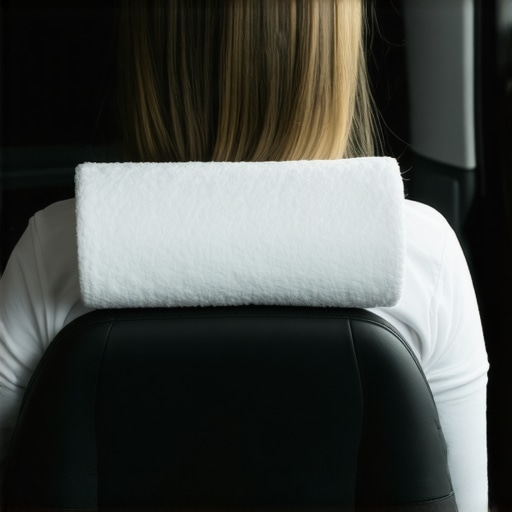
Ever found yourself gripping the steering wheel during a long drive, only to realize your neck and back are screaming in protest? I’ve been there—aching, stiff, and wondering when the pain started sneaking up on me. That lightbulb moment came unexpectedly when I noticed how much better I felt after fiddling with a tiny, overlooked tool: a simple towel roll. It was a game-changer.
Imagine sitting in your car, the hours ticking away, and suddenly your spine feels like it’s been twisted into a knot. The discomfort becomes a constant companion, ruining what should be a straightforward trip. I used to think back pain and neck stiffness were inevitable part of driving, especially on traffic jams or road trips. But then I discovered that supporting my spine with a small, rolled-up towel could make all the difference.
Today, I want to share how such an easy tweak can bring immediate relief and improve your driving posture—something I wish I had known years ago. After all, the way we sit and support our back while on the road can impact our long-term mobility and pain levels. You don’t need expensive ergonomic chairs or painkillers; just a humble towel and a little know-how.
Why Supporting Your Spine Matters More Than You Think
When I first started experimenting with different supports in my car, I realized how crucial proper lumbar and cervical alignment are for avoiding chronic pain. Poor posture during driving can lead to sciatic nerve irritation, neck stiffness, and even headaches. According to research from the National Institute of Neurological Disorders and Stroke, prolonged poor posture can cause nerve compression, leading to pain that worsens over time if not addressed (source: [https://bodyrenewtherapy.com/understanding-the-link-between-poor-posture-and-chronic-back-pain](https://bodyrenewtherapy.com/understanding-the-link-between-poor-posture-and-chronic-back-pain)).
The good news? Simple in-car adjustments can make a significant difference. A rolled towel placed behind your lower back or neck can act as a supportive cushion, helping to maintain the natural curves of your spine. This isn’t just about comfort—it’s about prevention. Consistently supporting your spine reduces strain on muscles and ligaments, and can prevent future pain episodes.
Are you tired of reaching for pain relief after every trip, or worse, facing persistent discomfort during daily commutes? If so, keep reading. I’ll guide you through easy, practical steps to incorporate support into your driving routine—no fancy equipment required. Because honestly, sometimes, the simplest fixes are the most effective.
Position Your Support Properly
Start by placing a rolled-up towel behind your lower back, aligning it with the natural curve of your lumbar spine. This provides initial support, much like how a chair’s lumbar cushion does, but customized to your body. I recall a trip where I casually tucked a towel into my car seat and immediately felt the tension ease in my lower back. Before, I was constantly shifting positions, trying to find relief, but this simple fix made my ride smoother and pain-free.
Adjust Your Seat for Optimal Alignment
Set your seat so that your hips are level with or slightly higher than your knees. Keep the seat’s backrest at a comfortable angle—about 100 to 110 degrees—to avoid slouching. Think of your spine as a gentle s-curve; maintaining this alignment distributes pressure evenly and prevents nerve compression. Once, I spent a few minutes adjusting my seat—initially awkward, but the difference lasted for hours, reducing my neck stiffness significantly.
Support Your Neck and Head
Use a small pillow or a rolled towel placed at the base of your skull to keep your neck in a neutral position. Avoid craning your head forward or tilting it back excessively; imagine your neck as a stack of coins that needs to stay aligned. During a recent road trip, I neglected this step, waking up with a sore neck and headaches. The next time, I simply added a rolled towel, and my discomfort diminished drastically, showcasing how crucial neck support is for lasting relief.
Fine-Tune Your Head Position
Ensure your head is directly above your shoulders, not pushed forward towards the steering wheel. Adjust the headrest so that it lightly cradles the back of your head without forcing extension or flexion. This stabilizes your cervical spine, reducing strain. An experiment I did involved repositioning the headrest—initially, it felt strange, but over time, I noticed less tension and fewer headaches after long drives.
Maintain Movement and Flexibility
Every 30 to 45 minutes, take a short break outside the car to stretch and move your neck and back muscles. Gentle twists, shoulder rolls, and hamstring stretches help break the stiffness cycle. I remember a day when I made it a habit to stretch; despite a tight schedule, those little breaks kept me alert and pain-free on a 4-hour trip. Consistent movement prevents muscles from stiffening and nerves from getting pinched, essential for ongoing mobility.
Incorporate Micro-Movements into the Drive
While driving, subtly shift your position, rotate your shoulders, and flex your ankles to promote blood flow. Think of your spine like a bridge that benefits from gentle vibrations—small movements keep everything aligned and reduce static pressure. I began doing these micro-movements after reading about circulation’s role in pain prevention, and they became a game-changer, helping me stay comfortable even during traffic jams.
Use Your Environment to Enhance Support
If your car has adjustable features, tweak the lumbar support and headrest continuously as you drive. For vehicles without support adjustments, carry portable cushions or lumbar rolls. This flexibility allows you to customize your support based on fatigue levels. I once experimented with various cushions, finding that a firm pillow behind my lumbar and a soft neck roll provided the best combination, significantly improving my posture and reducing lingering discomfort after trips.
Explore Additional Relief Strategies
For stubborn pain, consider targeted therapies such as nerve glides or specific mobility exercises, which you can learn from resources like [mobility mastery](https://bodyrenewtherapy.com/mobility-mastery-daily-tips-to-keep-your-spine-and-joints-healthy). Remember, small consistent steps make the biggest difference—supporting your spine during drives is both simple and essential for long-term health. If persistent pain occurs, don’t hesitate to contact a specialist at [Body Renew Therapy](https://bodyrenewtherapy.com/contact-us) to tailor a plan suited to your needs.Many assume that neck pain and back discomfort are simply isolated issues caused by strain or aging, but the reality is far more nuanced. A common misconception is that chronic pain always stems from structural damage requiring drastic interventions. In truth, many cases are rooted in faulty movement patterns and overlooked muscular imbalances that perpetuate pain cycles. For example, a prevalent myth is that stretching is universally beneficial; however, in some cases, overstretching or incorrect techniques can exacerbate instability, especially if muscular control isn’t addressed first. A study published in the Journal of Orthopaedic & Sports Physical Therapy emphasizes that restoring neuromuscular control often yields better long-term results than passive stretching alone.
Another trap many fall into is believing that sciatic pain must be shot or numbness is an urgent sign for surgery. While severe symptoms warrant attention, most mild to moderate sciatic issues improve with targeted mobility exercises and lifestyle adjustments, such as those outlined in [mobility mastery](https://bodyrenewtherapy.com/mobility-mastery-daily-tips-to-keep-your-spine-and-joints-healthy). Engaging in indiscriminate stretching or ignoring early warning signs can trigger worsening pain and longer recovery times.
Is Your Posture Truly the Culprit, or Are You Missing the Hidden Muscle Weakness?
This question often trips up those who focus solely on posture correction. Posture is important, but a deeper layer involves core stability and pelvic alignment. For example, tight hip flexors and weak glutes can create anterior pelvic tilt, which drives lower back pain—yet many only stretch the hip flexors without strengthening the posterior chain. Addressing weak stabilizers and promoting proper movement patterns is crucial. You can learn specific exercises to enhance mobility and stability at [boost your back mobility](https://bodyrenewtherapy.com/boost-your-back-mobility-simple-exercises-that-make-a-difference), which can prevent recurring issues.
Furthermore, the emotional component often gets overlooked. Stress and tension can contribute to muscle guarding, perpetuating pain cycles. Techniques to manage stress and release tension, such as those discussed in [neck pain solutions](https://bodyrenewtherapy.com/neck-pain-solutions-proven-techniques-to-regain-your-range-of-motion), can be surprisingly effective adjuncts.
So, before rushing to reinforce the narrative that a quick fix or surgery will resolve everything, consider these more complex, yet often overlooked factors. Your body’s pain signals are clues—listen carefully and address the root causes rather than just the symptoms. If you’re unsure about your condition or need tailored advice, reaching out for expert guidance can be the pivotal step. Remember, effective management often combines proper movement, strength, and stress reduction. Do you find yourself falling into these traps? Let me know in the comments.When it comes to maintaining relief from neck pain, back issues, or sciatica, having the right tools and methods on hand can make all the difference. Personally, I rely on a combination of specialized equipment and consistent routines to ensure my body stays functional and pain-free. One of my go-to tools is a high-density foam roller, which I use daily to release deep muscle tension, especially around the hips and thoracic spine. Unlike soft rollers, a dense foam roller provides the firmness needed to target stubborn knots that contribute to nerve compression and mobility restrictions. I found that incorporating a foam roller into my morning routine reduced my overall discomfort and enhanced my flexibility during long drives.
For targeted nerve glide exercises, I turn to resistance bands, which allow me to perform controlled movements to free up compressed nerves such as the sciatic nerve. According to a study published in the Journal of Orthopaedic & Sports Physical Therapy, nerve mobilization techniques using resistance bands can significantly reduce sciatic symptoms and improve neural tissue health. I regularly practice gentle nerve glides with an easy-to-hold resistance band, which helps prevent flare-ups and maintain mobility.
Digital tools also play a vital role in my maintenance strategy. I use a customizable app to remind me to take micro-movement breaks throughout the day, especially during long periods of sitting. These micro-movements—like ankle circles, shoulder rolls, and seated spinal twists—prevent muscle stiffness and improve circulation, vital for nerve health and pain prevention.
Predicting where this trend is heading, I believe wearable technology will become more sophisticated in tracking posture and movement patterns in real time, providing immediate feedback to correct poor habits before they cause pain.
What about preserving these improvements over time? Regularly assessing and adjusting your support setup is key. I recommend periodically replacing foam rollers and resistance bands, as their effectiveness diminishes with wear. Additionally, revisiting your ergonomics—such as seat and headrest positioning—every few months ensures optimal support.
How do I maintain mobility and prevent setbacks? Incorporate dynamic stretches and nerve mobilizations into your routine, especially after prolonged sitting or driving. For example, a simple, targeted nerve glide can be done with a resistance band or even just your arm, following the detailed techniques outlined in [mobility mastery](https://bodyrenewtherapy.com/mobility-mastery-daily-tips-to-keep-your-spine-and-joints-healthy). Consistent practice keeps nerve pathways clear and muscle flexibility intact.
I encourage you to try a specific advanced tip: use a high-density foam roller on your thoracic spine to release tension that often contributes to neck and shoulder stiffness. Spend 2-3 minutes rolling gently, focusing on tender spots. This simple addition can dramatically improve your overall mobility and reduce long-term pain risks.
Investing in the right tools and maintaining a proactive routine is essential for lasting relief. Remember, your body’s health is an ongoing process—stay vigilant, stay supported, and keep moving. If you’re ready to take your mobility to the next level, consider scheduling a personalized assessment with a specialist. Visit [Body Renew Therapy](https://bodyrenewtherapy.com/contact-us) to get started.
What the Hidden Truths About Spinal Support Taught Me
One of the most profound lessons I learned was that often, the simplest tools—like a rolled towel—can unlock lasting relief. I used to believe that resolving neck and back pain required expensive interventions, but embracing basic support adjustments revealed how misconceptions can limit true progress. Recognizing that my habitual poor posture wasn’t just a cause but a symptom of deeper muscle imbalances shifted my entire outlook. Small daily changes, such as micro-movements and environment tweaks, became my secret weapons for sustainable health.
A Closer Look at My Essential Gear for Lasting Mobility
Over time, I curated a toolkit that perfectly aligns with the philosophy of simplicity and effectiveness. A high-density foam roller became my go-to for releasing tension, especially around my thoracic area, which often contributes to neck stiffness. Resistance bands provided me with dynamic nerve mobilizations that attack pain at its root. I also rely heavily on mobility apps that remind me to stay active, helping me prevent stiffness before it starts. These tools resonate with me because they are accessible and empower daily proactive care, which I highly recommend exploring.
Your Next Chapter Starts Now—Don’t Wait Longer
Remember, the journey toward better neck and back health isn’t reserved for experts or those with extensive resources. Small, consistent actions—like adjusting your car seat, incorporating micro-movements, or supporting your spine with everyday items—can produce dramatic results over time. My wish is for everyone to realize that healing often lies in those simple tweaks we overlook. Your path to comfort is within reach; it just takes that first courageous step. If you’re ready to make meaningful change, I invite you to reach out for personalized guidance or explore more strategies through trusted resources. Your well-being is worth it—don’t let another day go by without taking action!
Comments are closed.