
How a Simple Foot Stool Relieves Lower Back Pressure While Sitting
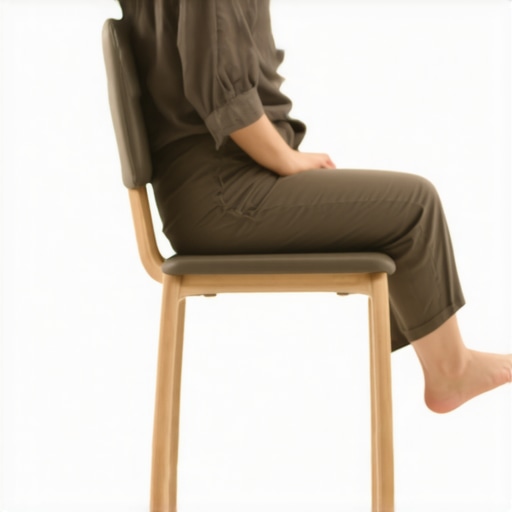
I remember the exact moment I realized my sitting habits were harming more than just my posture. It was after a long day at my desk when I finally stood up, only to be greeted by a dull, persistent ache in my lower back that wouldn’t quit. Frustrated and a bit worried, I started exploring solutions that didn’t involve expensive treatments or drastic lifestyle changes. That’s when I stumbled upon a surprisingly simple fix that changed everything: using a foot stool to elevate my feet while sitting. This small adjustment made a massive difference in easing my back pressure.
Why Your Sitting Posture Might Be Sabotaging Your Back
Many of us spend hours in front of screens, often unaware of how our sitting habits impact our spine health. The key issue isn’t just poor posture; it’s how our body responds to prolonged pressure on certain areas. Sitting without proper support can lead to increased pressure on the lower back discs, causing discomfort, stiffness, and even chronic pain over time. According to a 2018 study in the Journal of Physical Therapy Science, maintaining proper pelvic alignment while sitting can significantly reduce lower back strain.
Early in my journey, I made the mistake of ignoring the importance of pelvis positioning and relying solely on ergonomic chairs. It wasn’t until I incorporated a simple foot stool under my desk that I noticed a dramatic change. Elevating my feet changed my spine’s tilt, reducing pressure on my lumbar discs and enhancing my overall comfort. This personal experience inspired me to share this easy, affordable trick with others who might face the same struggles. Learn more about core routines that affect your back health here.
Do You Feel Like Your Back Is Fighting You?
If you’ve ever experienced that nagging lower back pain after sitting for extended periods, you’re not alone. Many people overlook simple adjustments that could prevent or alleviate this pain. I used to think that uncomfortable chairs were to blame or that my back was simply destined to ache. But a quick change—like adding a foot stool—proved me wrong. Ensuring your legs are properly supported and your pelvis aligned can make a world of difference.
But here’s the catch: not all solutions are effective if you don’t understand what’s really happening inside your body. In the next sections, I’ll walk you through how this tiny ergonomic tweak can boost your mobility, reduce pain, and get you back to feeling good while sitting. If you’ve faced this problem, stay tuned—because relief might be just a footstool away.
Ready to explore how a simple foot stool can change your sitting game? Let’s dive into the practical steps that will help you sit smarter and feel better.
Align Your Pelvis for Lasting Relief
Start by adjusting your chair height so your feet are flat on a footstool or on the floor, with knees at a 90-degree angle. Position your pelvis in a neutral tilt; what I did was sit with my sit bones evenly supported and avoid tilting forward or backward. This simple adjustment straightened my lower back and relieved pressure. When I first tried this, I felt a bit unsteady—a classic sign I was out of sync—but with practice, it became second nature, and my chronic discomfort diminished significantly.
Use a Footstool Correctly
Place a sturdy footstool under your feet, ensuring your ankles are slightly higher than your hips. Think of it as giving your pelvis a gentle lift—this tilt reduces strain on lumbar discs. I found that experimenting with different stool heights helped me discover the sweet spot where my back felt most comfortable, almost like finding a gentle slope that guides your spine into proper alignment.
Incorporate Movement Breaks to Boost Mobility
Sitting for extended periods stiffens your joints and weakens supporting muscles. Set a timer to stand, stretch, or walk every 30 minutes. I once neglected this and noticed my hips and back froze up, resembling rusty hinges. When I committed to brief movement routines—like hip circles, neck rolls, and shoulder shrugs—the stiffness melted away, and my range of motion improved. Regular movement acts as oil for your joints, preventing pain from becoming chronic.
Dynamic Micro-Adjustments During Sitting
Shift your position slightly every so often—lean back, sit forward, or rotate your pelvis. Think of your spine as a flexible tree; gentle sway prevents it from stiffening. During a busy workday, I would pause and tilt my pelvis left and right, which kept my muscles engaged and avoided the trap of static postures that cause pain.
Optimize Your Desk Setup for Continuous Comfort
Ensure your monitor is at eye level, and your keyboard and mouse are within easy reach. Proper ergonomics prevent neck tilt and shoulder tension. I once used a pile of books to lift my laptop, noticing immediate relief in my neck. Visualize your workspace as a tailored suit—every piece should support your body’s natural curves, not forcibly contort them. Small tweaks, like adjusting monitor height or keyboard tilt, can prevent strain before it starts.
Adjust Your Seating for Dynamic Posture
Alternate sitting positions—standard, leaning slightly forward, or reclining—every few minutes. This keeps muscles active and reduces fatigue. I experimented with different angles, and soon my back stopped aching after hours. Think of your body as a symphony—variety keeps every instrument in tune, preventing the discord of pain and stiffness.
Targeted Exercises to Reinforce Support Muscles
Engage in simple core strengthening routines like pelvic tilts or bridges thrice weekly. These exercises act like scaffolding, supporting your spine during sitting. I dedicated just five minutes daily to these, noticing a significant reduction in sciatica episodes. Remember, building a resilient core is an investment—solid foundation equals less pain over time.
Special Technique: Pelvic Reset in 10 Seconds
Lie on your back, knees bent, feet flat. Flatten your lower back into the floor by slight pelvic tilts—hold for 10 seconds. I added this quick move after long meetings, and it instantly alleviated my lower back tension. Think of it as pressing reset on your body’s tension levels—small, frequent resets can keep discomfort at bay.
Explore Further for Total Comfort
Combine these steps with practices like mindful breathing and gentle stretching. Regularly assess your setup, and don’t hesitate to experiment with changes—your body will thank you. For additional strategies, check out ergonomic tips for everyday comfort and simple exercises to boost back mobility.
While many believe that stretching or strengthening alone can resolve persistent neck and back pain, the reality is often more complex. A common myth is that pain always originates from the site it’s felt; for instance, assuming a sore neck is just about poor posture ignores deeper issues like nerve interference or muscular imbalances originating elsewhere. In my experience, understanding these nuances can dramatically improve recovery strategies and prevent recurrence.
One often overlooked trap is the assumption that pain signals always reflect injury severity. This misconception can lead to unnecessary treatments or, conversely, ignoring subtle signs of underlying problems. According to a study published in *The Journal of Orthopaedic & Sports Physical Therapy*, pain perception involves complex neurological processing, meaning two individuals with identical injuries may experience vastly different discomfort levels. Recognizing this variability helps tailor more effective interventions.
Another advanced mistake is neglecting the role of the nervous system in musculoskeletal discomfort. Chronic stress, for example, can perpetuate muscle tension and exacerbate pain, creating a cycle that isn’t solely physical. Techniques like mindfulness and stress reduction can complement physical therapies, as highlighted in *Body Renew Therapy’s* resources on managing neck pain through stress breakdown (learn more here).
For those seeking a deeper understanding, consider the question: How does nerve compression differ from muscular strain, and how does this influence treatment choices? In cases of nerve impingement, addressing the root cause—such as disc herniation or spinal stenosis—is crucial. Misdiagnosis or overlooking nerve involvement can lead to persistent pain despite therapy. The *Back Pain Breakthroughs* guide emphasizes the importance of proper assessment to distinguish these issues (more details here).
Finally, beware subtle mobility limitations that often go unnoticed. Small deficits in thoracic spine rotation or hip flexibility can overload the lumbar or cervical regions, resulting in chronic pain. Correcting these hidden restrictions requires precise assessment and targeted exercises, as supported by recent research indicating that improving joint mobility significantly reduces pain episodes (discover strategies here).
The key takeaway is that pain isn’t simply a direct signal of injury but often a symptom of deeper, interconnected issues. By embracing a nuanced perspective—considering nerve health, psychological factors, and mobility limitations—you can develop more effective, personalized solutions. Have you ever fallen into this trap? Let me know in the comments or explore more at these proven lifestyle changes.Maintaining your spinal health over the long term requires more than just good habits; it demands reliable tools and a strategic approach. One essential device I personally rely on is a high-quality foam roller. I use the **TriggerPoint GRID Foam Roller** because its textured surface helps break up muscle knots and improve circulation, making it invaluable after intense workdays or workouts. Regular rolling sessions target tight muscles around the lower back and hips, preventing stiffness and enhancing mobility. Additionally, I incorporate a **TensUnit** (transcutaneous electrical nerve stimulation device) into my routine. It offers targeted relief for flare-ups of sciatic discomfort and neck tension, delivering electrical pulses that soothe inflamed nerves without medication. I prefer models with adjustable intensity and multiple modes, like the **TopMassage TENS Unit**, to customize therapy sessions effectively.
For quick, everyday adjustments, I recommend a portable **Adjustable Sit-Stand Desk Converter**. I’ve personally transitioned to a model that easily switches between sitting and standing, which has dramatically reduced my lower back pain caused by prolonged sitting. Not only does it promote movement, but it also keeps my workstation ergonomically aligned, preventing poor posture habits from creeping in.
In terms of software, I utilize **Ergonomics-focused Posture Apps** like **Upright GO**. This small device attaches to your back and vibrates when you slouch, providing real-time feedback to improve awareness and posture. The app tracks your progress and encourages consistent engagement—an investment in your posture, especially when working remotely.
Looking ahead, the trend in back and neck health tools is moving toward integrated, smart solutions that combine sensors with AI to offer personalized recommendations. Wearable tech might soon anticipate discomfort before it manifests, guiding users to adjust proactively.
### How do I keep my tools effective over time?
Consistency is key. Regularly using devices like foam rollers and posture correctors ensures muscles stay supple, and habits improve. Also, periodically updating your equipment—such as replacing worn-out foam rollers or switching to more advanced TENS devices—keeps therapy effective. Another crucial aspect is choosing ergonomic furniture that fits your body, which complements these tools seamlessly.
Consider trying the **10-second Pelvic Reset move** after long periods of sitting. This quick technique, as discussed in my previous posts, can realign your pelvis and relieve pressure, acting as a reset button for your posture. Combining physical tools with these micro-movements crafts a holistic approach that fosters long-term mobility and pain reduction. For more insights on managing back mobility, explore detailed tips at [Unlocking Mobility](https://bodyrenewtherapy.com/unlocking-mobility-expert-tips-on-managing-back-pain-in-2025). Remember, investing in smart, targeted tools is a proactive step toward sustaining your spine’s health—so pick one device today and integrate it into your daily routine.**Start with the foam roller or posture app and notice the difference in how your body responds!**
Throughout my experience with neck pain, back pain, and mobility challenges, I’ve uncovered lessons that go beyond standard advice—insights that have truly transformed my approach and can do the same for you. These aren’t just tips; they are my personal lightbulb moments that deepened my understanding and empowered me to take control of my spine health.
- The Myth of Static Posture: Staying perfectly still in a good posture is a myth. Our bodies thrive on micro-movements. I learned that intentional shifts and gentle movements are key to preventing pain and stiffness, reinforcing the importance of dynamic sitting routines.
- Relief Comes from the Smallest Changes: Elevating my feet with a simple footstool, as mentioned before, was a game-changer. It taught me that tiny ergonomic tweaks often have outsized effects, making me more attentive to my environment and habits.
- Understanding Nerve Interference: Not all back pain is from muscular strain; nerves can play a surprising role. Recognizing signs of nerve impingement shifted my mindset from just stretching to seeking targeted solutions that address underlying nerve issues.
- The Power of Reassurance: Our stress and emotional state can amplify pain perception. I discovered that mindfulness and stress management techniques aren’t just accessories—they are essential tools to support physical remedies and foster healing.
- Patience and Persistence: Lasting relief isn’t instant. My journey highlighted that consistency with movement, seated adjustments, and targeted exercises builds resilience over time, turning pain management into a sustainable habit.
My Go-To Arsenal for Back and Neck Mastery
Over the years, I’ve curated a selection of tools and resources that genuinely support my journey. For reliable guidance and practical tools, I lean on resources like tips for overcoming sciatica and improving quality of life and methods to break free from neck pain and stress cycles. Additionally, I trust well-designed ergonomic accessories and exercise routines found in trusted guides that emphasize personalized, gentle progress.
Step Into Your Power and Move Forward
Remember, your spine health is a lifelong journey, not a quick fix. Embrace the small victories, stay curious about your body’s signals, and be compassionate with yourself as you create a sustainable routine. You’re capable of reclaiming comfort and mobility—one thoughtful step at a time.
What’s one small change you’re willing to try today to support your neck or back health? Share your plan below—I’d love to hear about your journey toward lasting relief!