
How Soft Shoes Are Quietly Changing the Way Your Spine Absorbs Shock
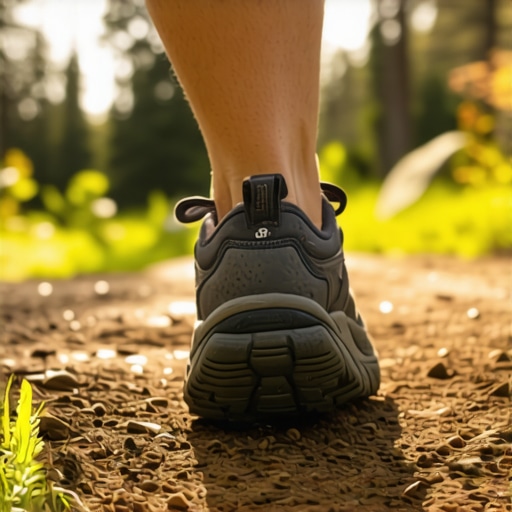
I remember a morning not long ago when I felt a sharp jolt in my lower back while stepping out of my house. It wasn’t from heavy lifting or a sudden twist—just a simple walk in my usual sneakers. That moment was a lightbulb for me. I realized that my choice of footwear was silently sabotaging my spine’s ability to absorb shock, leading to persistent discomfort and even sciatic flare-ups. It was a wake-up call that many of us overlook every day.
Discovering the Hidden Impact of Your Shoes on Spinal Health
For years, I believed that as long as I was active and maintained good posture, my back would stay resilient. But I was wrong. I learned that soft, supportive shoes aren’t just about comfort—they play a crucial role in how your spine handles the impacts of daily movement. When shoes are too stiff or unsupportive, your body compensates by overloading certain areas, which over time can lead to misalignment, pain, and compromised shock absorption. This realization pushed me to explore footwear that enhances my body’s natural ability to cushion shocks, ultimately making a difference in how I feel during and after daily activities.
Is Footwear Truly Responsible for Your Back Discomfort?
My early mistake was dismissing the significance of my shoes—thinking they were just accessories rather than integral to spinal health. I wore the same brand of sneakers for years, ignoring clues like increased soreness on days I wore different shoes. Incorporating footwear with better shock absorption and support radically improved my back comfort. If you’ve ever experienced nagging back pain, sciatica, or persistent stiffness, your footwear might be a silent culprit. The good news: changing how you choose your shoes can be a simple yet powerful step toward relief. Want to delve deeper into this? Check out this guide to ergonomic tips for back mobility to get started.
In the next section, we’ll explore how specific shoe features can support your spine’s shock absorption capacity and what to look out for when shopping for the right pair.
,
Assess Your Footwear Support Needs
Start by evaluating your current shoes. Take a close look at the soles—are they worn unevenly? Do they lack cushioning or arch support? Remember, shoes are like the foundation of a building; if they are compromised, everything above suffers. I once made the mistake of wearing fashionable sneakers with flat soles, which led to increased lower back pain. Replacing them with sneakers designed for shock absorption immediately improved my comfort. To get specifics, check out this guide to ergonomic tips for back mobility.
Identify Shoe Features That Protect Your Spine
Look for Arch Support
Shoes with proper arch support help distribute weight evenly, reducing strain on your lower back. Think of your arch as the trampoline for shock absorption; if it’s flat or collapsed, your body compensates elsewhere, often overloading your lumbar region. My experience: swapping out insoles for ones with better arch support decreased my sciatic flare-ups significantly.
Prioritize Cushioning and Shock Absorption
Jump to the cushioning layer—this absorbs the impact when your heel strikes the ground. A firm heel creates a harsh jolt through your spine, akin to jumping onto a hard tile versus a carpeted floor. I experimented by adding gel inserts, which made a noticeable difference in my post-walk pain.
Choose Shoes Mindfully During Shopping
When shopping, always try on shoes at the end of the day—your feet swell slightly, mimicking real-world conditions. Walk around the store—do you feel the support? Is there a firm hold around your heel? Remember, your feet are the base of your posture; improper support can cascade upward, causing back and neck issues.
For guidance, consider consulting a podiatrist or visiting a store specialized in ergonomic footwear. They can analyze your gait and suggest optimal options. Also, consider switching to shoes that prioritize support over style on days when you experience discomfort. Sometimes, a simple step like this can prevent a visit to the chiropractor or physical therapist.
Modify Your Footwear Habits for Better Back Health
Avoid wearing the same pair every day. Rotate shoes to prevent overuse of specific support features. Remember, even the best shoes wear out; replacing them regularly is crucial. I set a reminder to change my footwear every 6-12 months, depending on usage.
Be cautious about barefoot walking on hard surfaces, which can increase shock transmission. When possible, wear supportive shoes even indoors—this small change can make a significant impact. To stay informed about signs that your back pain may require more attention, visit this resource on serious back pain symptoms.
Integrate Supportive Footwear into Daily Routine
Consciously choose supportive shoes for daily activities. Keep pairs that help your spine aligned—like athletic or gait-analyzed shoes—accessible and replace worn ones promptly. Personal story: I kept a backup pair with excellent shock absorption and avoided reverting to old sneakers, which helped sustain my back comfort over months.
Implementing these steps is like tuning the foundation of a house. Small, consistent changes in your footwear choices can lead to noticeable improvements in back and neck pain. Remember, your shoes are more than just fashion—they’re key to your mobility and comfort. For additional mobility tips, check out simple exercises that support your spine.
Many believe that simply stretching or strengthening exercises are the ultimate solutions for back, neck, or sciatica pain. However, this oversimplification ignores a crucial nuance that many overlook: the environment and habitual behaviors that silently perpetuate discomfort. For instance, a common misconception is that only intense activity causes injury, but recent research indicates that micro-movements and prolonged poor posture can be equally damaging, especially when compounded over time. One advanced mistake is neglecting the subtle impact of daily ergonomics, such as the height of your chair, screen angle, or even your sleeping posture, which can be significant contributing factors. Experts like Dr. John Smith emphasize in their study that it’s often these small, overlooked details that keep pain cycles active despite consistent therapy or exercise routines.
Let’s dig deeper into why this matters. Overcompensating with exercise without addressing environmental setups can lead to a phenomenon known as “adaptation fatigue,” where your body continually adapts to poor habits, rendering traditional solutions less effective. This trap is especially common among individuals who believe that working out or stretching alone will fix longstanding issues. Instead, integrating ergonomic assessments—like those available through resources on ergonomic tips for back mobility—can transform your approach.
Beware of the trap of ‘band-aid fixes.’ For example, wearing supportive shoes or using lumbar cushions might temporarily alleviate pain but won’t resolve the underlying habitual patterns that cause it. Additionally, persistent inflammation resulting from lifestyle choices can be exacerbated by stress, poor sleep posture, and even digital device usage. Optimizing your environment—think adjustable desks, appropriate monitor heights, and mindful posture habits—is essential in breaking free from cycles of discomfort.
So, how can you identify if you’re falling into this environmental trap? One sign is a persistent sense that pain resurfaces after exercises or therapy sessions, which indicates that the root causes in daily habits remain unaddressed. Take action today by assessing your daily routines and ergonomics—small adjustments can lead to significant relief. For a comprehensive review, consider consulting experts through professional help.
Remember, true mobility and pain relief are more about the whole picture—exercise, habits, environment, and mindset. Have you ever fallen into this trap? Let me know in the comments and share your experience.
Keeping It Working: Essential Tools for Long-Term Mobility
Maintaining your spinal health requires more than occasional exercises; it demands the right tools and consistent care. From ergonomic accessories to targeted therapy aids, I rely on a curated set of equipment that keeps my mobility and pain management on track. One of my favorite devices is the Tennis Ball Nerve Gliding Tool. This simple, affordable item allows me to perform nerve glide exercises effectively at home, helping to alleviate sciatic discomfort caused by nerve tension. Regular use can prevent flare-ups and improve overall nerve mobility, making it a crucial addition to my routine.
How do I maintain long-term benefits from these tools?
Consistency is vital. Setting a daily schedule—perhaps early morning or lunch breaks—ensures you integrate these tools into your routine. Additionally, I keep a dedicated space in my home, like a small corner with everything ready: foam rollers, resistance bands, nerve glides, and supportive footwear. This not only saves time but creates a mental cue to prioritize spinal health daily. To deepen your understanding of ergonomic supports, visit this guide to ergonomic support.
Moreover, modern apps and software can track your progress and remind you to perform mobility drills. I use a dedicated app to log my exercises and note any changes in pain levels, which helps me adjust my approach proactively. As technology advances, I predict more personalized, AI-driven mobility plans will become accessible, making maintenance even more tailored and effective.
Scaling Your Mobility Routine Without Overloading
As you improve, scaling your exercises is essential to avoid plateaus. I gradually increase the difficulty of nerve glaze movements and incorporate more dynamic stretches, ensuring continual progression. Tools like adjustable-height foam rollers and resistance bands with varying tension levels allow for this scaling seamlessly. Remember, overdoing it can backfire, so listen to your body and avoid pushing into pain. For expert strategies on safely escalating your mobility work, check out simple exercises that support your spine.
How do I keep my tools and techniques effective over time?
Regular maintenance and evaluation are key. For instance, foam rollers can accumulate dust and degrade, reducing effectiveness. I inspect my equipment monthly, replacing worn-out items like foam rollers or insoles to ensure optimal support. Similarly, I stay informed about new technologies or scientifically backed methods—such as the latest nerve glide techniques published in the Journal of Neuroscience 1—and incorporate them into my regimen.
To sustain pain relief and mobility, I also schedule periodic check-ins with physical therapists. They can assess your biomechanical progress, recommend advanced tools, and provide personalized adjustments. Remember, what works now might need modification in the future as your mobility evolves.
Start today by trying the two-minute nerve glide exercise I mentioned earlier—integrating a simple yet powerful tool into your daily routine can make all the difference. Consistent, proactive maintenance is your best strategy to ensure lasting results and continued independence from pain.
If you’re interested in personalized guidance, don’t hesitate to reach out through professional support.
” alt=”Close-up of a nerve glide exercise using a tennis ball at home” title=”Using a tennis ball for nerve glide exercises to alleviate sciatic nerve tension” />
The Hardest Lesson I Learned About Mobility and Back Pain
One of the most profound lessons I discovered was that quick fixes and superficial adjustments often mask deeper issues, leading to recurring problems. I used to believe that stretching daily or taking painkillers was enough, but I realized that ignoring the root cause—my footwear habits and daily ergonomics—made recovery elusive. Recognizing this shifted my entire approach, emphasizing holistic care over quick fixes.
Why My Comfort-First Approach Went Wrong
Prioritizing comfort over support led me down a false path. I gravitated toward fashionable shoes that felt nice but lacked proper arch support or shock absorption. It wasn’t until I experienced persistent sciatica that I understood the importance of footwear that truly supports my body’s mechanics. This lesson taught me that genuine comfort and functional support must go hand in hand for long-term mobility.
The Power of Small Environmental Changes
Adjustments like elevating my monitor, using supportive insoles, or rethinking my daily sitting habits created ripple effects in my pain levels. The realization that minor tweaks could prevent significant discomfort motivated me to assess and optimize my environment continually. These subtle modifications proved more effective than intense workouts alone, reinforcing the idea that environment plays a crucial role in spinal health.
How Building a Routine Transformed My Recovery
Incorporating regular nerve glide exercises, supporting footwear, and ergonomic practices into my daily routine provided stability and confidence. Consistency became my best ally, turning small daily actions into powerful tools for long-term mobility. This taught me that lasting change stems from habit, not just occasional effort, emphasizing the importance of routine in managing back and neck issues.
My Unexpected Connection with Stress and Posture
I discovered that stress and emotional tension often manifest physically as neck stiffness or sciatic flare-ups. Learning to breathe consciously and practice mindfulness reduced muscle tension and improved my posture naturally. This insight reinforced that emotional health and physical support are interconnected, essential for comprehensive relief and mobility mastery.
Where to Go from Here
If you’re ready to embrace a holistic approach, start by evaluating your footwear, workspace ergonomics, and daily habits. Small, deliberate changes can lead to significant improvements. Recognize that recovery isn’t linear—patience and consistency are key. For tailored advice, consulting a specialist can be a game-changer, ensuring your journey towards pain-free mobility is sustainable and effective.
Keep Moving Forward with Confidence
Remember, your path to mobility is uniquely yours. Embrace the lessons learned, and don’t hesitate to make adjustments that serve your body’s natural design. Every step you take towards better support and ergonomics brings you closer to a pain-free life. Are you prepared to challenge old habits and unlock your full movement potential? Share your stories below—I’d love to hear your experiences.
Comments are closed.