
The One Nerve Glide That Actually Calms Down Shooting Leg Pain
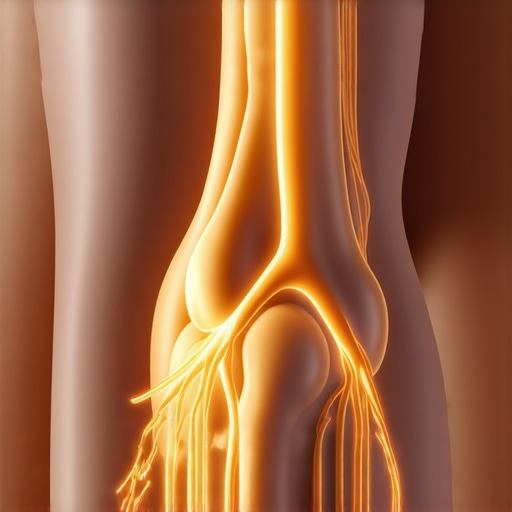
Imagine standing in your kitchen, reaching for that elusive spice on the top shelf, when suddenly a sharp jolt shoots down your leg. It’s like electricity jolting through your nerves—pain that just won’t quit. I’ve been there, and let me tell you, it’s one of the most frustrating experiences. I used to think it was something severe, maybe a herniated disc or sciatica gone rogue. But after countless exhausting searches and trial-and-error, I discovered a surprisingly simple move that truly eased the shooting pain: the one nerve glide that’s been a game-changer.
Why This Glimpse of Relief Matters for Your Daily Life
When those shooting pains hit, everything else tends to fall apart. Sitting, walking, even sleeping can become unbearable. As someone who’s battled persistent nerve discomfort, I understand how mind-consuming it can be. That’s why I want to share what finally made the difference for me—and can for you, too. This isn’t just about temporary relief; it’s about gaining control and confidence over your body again.
Before I stumbled upon this technique, I was making the same mistake many do: ignoring the root cause and treating only the symptoms. I was stretching my hamstrings endlessly, hoping flexibility alone would fix it. Spoiler: it didn’t. Actually, it often made things worse. Early in my journey, I overlooked essential nerve mobility exercises that address the real issue—stiff or irritated nerves that misfire and cause pain. Once I learned about nerve glides, I realized that we often trap nerves in tight spaces, making movement painful.
Studies back this up—research shows that nerve mobilization exercises can significantly reduce nerve pain and improve mobility (source: https://bodyrenewtherapy.com/unlocking-sciatica-relief-expert-strategies-for-lasting-comfort). It was a lightbulb moment for me, and I hope it can be for you, too.
Are you tired of that shooting pain controlling your day? Have you tried everything and still feel stuck? If so, you’re not alone. Together, we’ll explore a simple yet effective movement that might just be the relief you’ve been searching for. Stick around, because what comes next could change the way you handle nerve pain once and for all.
Start with a Gentle Warm-Up
Before diving into nerve mobilization, ease your nervous system into action by warming up. Walk around your room for 5 minutes or do light calf raises to stimulate circulation and prepare your nerves. I remember the first time I tried this; I felt surprisingly less tense even before the nerve glide itself.
Identify the Exact Trigger Point
Pinpoint where the pain shoots down your leg—often around the sciatic nerve path. Place your hand gently over the area to gauge tension. This precision helps target the nerve directly without unnecessary strain. I once spent days stretching my hamstrings without this focus, but locating the exact spot changed everything.
Choose the Right Position
Lie on your back on a flat surface or bed, keeping your legs straight. Flexibility in positioning is key—try bending your non-affected knee slightly for comfort. Think of your body as a flexible rubber band—appropriate positioning prevents overstretching or discomfort.
Align Your Body Properly
Keep your pelvis stable and avoid overarching your lower back. Engage your core slightly to maintain proper alignment. I found that a neutral pelvis position significantly reduced initial discomfort during my first attempts.
Perform the Nerve Glide Movement
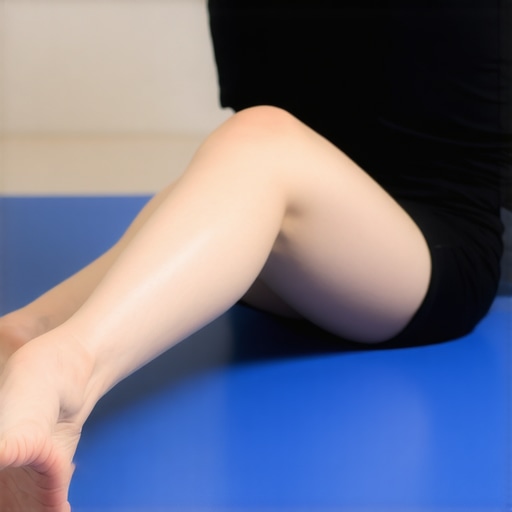
Gently flex your ankle upwards, pointing toes toward your shin, creating a gentle stretch along the nerve pathway. Hold for 2 seconds, then slowly release. Repeat 10 times, focusing on smooth, controlled movements. This is akin to stretching a tense rubber band gradually, inviting it to regain flexibility.
Monitor Your Body’s Response
As you proceed, pay close attention to sensations—mild tingling or a gentle stretch is normal. Sharp or worsening pain signals you to stop immediately. I remember once pushing a little too far; I felt a wave of discomfort, so I paused and resumed more cautiously next time.
Progress Gradually
Start with 1-2 sets daily, gradually increasing repetitions as your nerves adapt. Consistency is crucial—think of it as training a muscle to regain strength. Over a week, I noticed decreased shooting pains and improved leg mobility by sticking to this schedule.
Incorporate Breathing for Relaxation
Deep, diaphragmatic breathing during the movement helps reduce nervous tension. Inhale slowly as you prepare, exhale as you flex your ankle. This synchronized breathing creates a calming effect, making the glide more effective. I found breathing deeply calmed my nerves, making the exercise sessions more comfortable.
Combine with Other Mobility Exercises
Pair nerve glides with hip and hamstring stretches for comprehensive relief. For example, supplement with the hip flexor stretch found here and the pelvic tilts from this guide. My pain diminished faster when I combined these approaches consistently.
Stay Consistent and Adjust
Every person’s nerve response is unique—listen carefully to your body. If you notice persistent improvement, increase repetition gradually. If pain persists or worsens, consult a healthcare professional. Remember, patience and consistency are your best allies on this journey.
 Many people believe that stretching your hamstrings or strengthening your core alone will resolve persistent back pain or sciatica. While these aspects are important, most misunderstand the complex interplay of neuromuscular factors involved. A prevalent myth is that pain stems solely from mechanical issues like disc herniation or spinal misalignment, leading many to focus solely on posture correction or physical stretching. However, recent studies, such as one published in the Journal of Orthopaedic & Sports Physical Therapy, reveal that nerve mobility restrictions often contribute more significantly than previously thought, especially in cases of sciatica and neck pain.
Another misconception is that pain is a reliable indicator of tissue damage. In reality, nerve sensitivity can cause severe discomfort even when tissues are healthy, making pain an unreliable gauge for when to rest or push forward. This can lead to over-immobilization or, conversely, overexertion, both of which can worsen symptoms. An advanced mistake many make is ignoring the importance of hydration and proper movement variability. Chronic sedentary habits and repetitive motions alter neural and musculoskeletal health, creating tightness and restricted nerve gliding that exacerbate pain cycles.
What should you do when standard stretches don’t help?
Instead of solely stretching or strengthening, incorporate targeted nerve mobilization exercises, which help restore nerve gliding and reduce irritation. This nuanced approach addresses the root of nerve-related pain, not just muscle tightness, offering more lasting relief. For comprehensive strategies, consider exploring how simple mobility exercises can complement your routine, as covered in our guide on [mobility mastery](https://bodyrenewtherapy.com/mobility-mastery-daily-tips-to-keep-your-spine-and-joints-healthy).
Remember, the path to relief involves understanding these nuanced factors and avoiding the trap of one-size-fits-all solutions. If you’re tired of temporary fixes and want to break free from common misconceptions, adding nerve-specific mobilizations might be your key. Ready to go deeper? Check out [this resource](https://bodyrenewtherapy.com/understanding-the-link-between-poor-posture-and-chronic-back-pain) to understand the broader context of posture and nerve health. Have you ever fallen into this trap? Let me know in the comments.Maintaining your progress in mobility and nerve health requires more than just exercises; having the right tools and routines can make all the difference. One of my go-to items is a quality foam roller, which I use daily to release tension in my thoracic spine and hamstrings, significantly reducing stiffness and preventing pain flare-ups. I particularly favor a grid foam roller because its textured surface helps target deep tissue knots and nerve pathways. Incorporating regular self-myofascial release not only enhances flexibility but also supports nerve mobility, which studies show is crucial for alleviating sciatica symptoms (source: https://bodyrenewtherapy.com/boost-your-back-mobility-simple-exercises-that-make-a-difference). Another essential tool is a tennis ball or a small massage ball for pinpointing trigger points in hard-to-reach areas like the hip flexors or glutes. I personally keep a couple in my bag to quickly relieve sudden nerve tension during busy days.
For digital health, I recommend using ergonomic software like
ergonomic setup guides that help optimize your workspace. This proactive approach prevents the cyclic pain that often develops from poor posture. Installing a posture reminder app, which prompts me to adjust my sitting position every 30 minutes, has been transformative in maintaining spinal alignment throughout the day.
Looking ahead, I predict a rising trend in smart, wearable technology designed specifically for nerve and back health. Wearable sensors that monitor posture and muscle activity can provide real-time feedback, helping users correct habits before pain begins. As these devices become more advanced, I believe personalized data-driven routines will become a standard part of preventive care.
So, how do I maintain my nerve and back health over time? I suggest integrating a combination of manual tools like foam rollers and trigger ball exercises with ergonomic adjustments. Consistency is key—set scheduled check-ins with yourself, and don’t hesitate to explore new tech tools as they emerge.
If you’re ready to take your mobility to the next level, start by adding targeted foam rolling sessions into your daily routine. For a comprehensive guide on effective mobility maintenance, check out this resource. Remember, the key to long-term relief is proactive care, not just reactive fixes. Don’t wait until pain disrupts your life—equip yourself with the right tools today and stay ahead in your health journey.
Less Obvious Truths I Learned Along the Way
- One of the toughest lessons was realizing that pushing through pain with traditional stretches often delays real healing, highlighting that sometimes gentle nerve glides are more effective than brute force.
- I discovered that over-reliance on flexibility alone can mask nerve restriction issues; true relief came when I addressed nerve mobility directly rather than only muscle tightness.
- Understanding the neurological component helped me see that pain doesn’t always equate to damage—sometimes, nerves malfunction due to restricted glide, not tissue injury, changing how I approached recovery.
- Consistency beats intensity—small, daily nerve glide exercises gradually reprogrammed my nervous system, proving that patience and persistence are crucial for lasting improvement.
Tools That Became My Secret Allies
- The high-density foam roller transformed my recovery routine—using it daily to release tension and improve nerve glide made a noticeable difference in my mobility.
- A small massage ball targeted trigger points in my hips and glutes, helping me address stubborn nerve irritations that resisted other methods.
- Guided mobility programs like the ones in Mobility Mastery provided structured routines that accelerated my progress.
- Ergonomic tools and apps helped me maintain proper posture throughout the day, preventing nerve tension from building up in the first place.
Keep Moving Towards Better Days
Discovering the subtle but powerful role of nerve mobility reshaped my journey with back and leg pain. If you’re ready to reclaim control and embrace gentle, targeted exercises, remember that transformation begins with your commitment. You’re not alone in this—many have turned the corner with patience and the right tools. So, why wait? Your new, pain-free chapter is just a move away. What nerve glide or mobility move are you eager to try next? Let me know below and take the first step towards freedom from persistent pain.