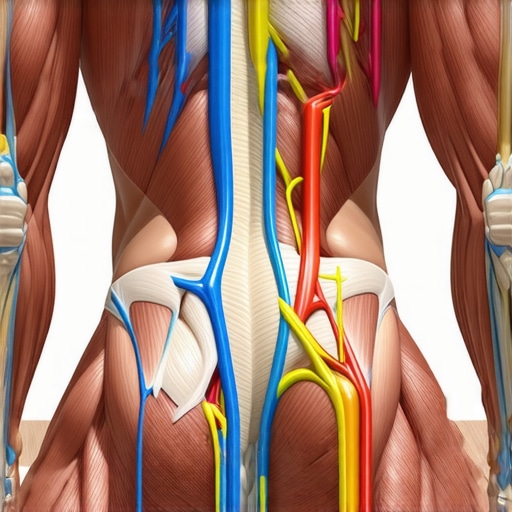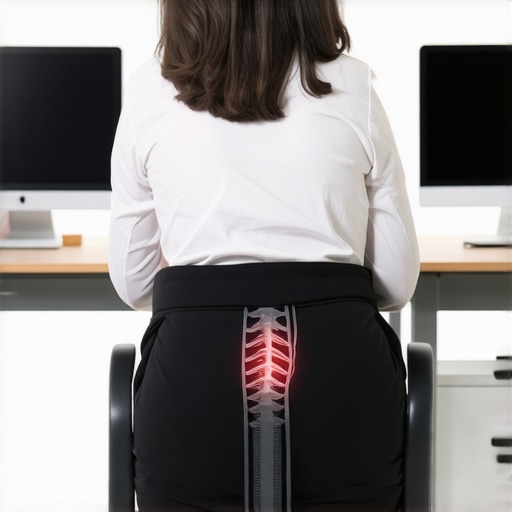
Ever found yourself clutching your lower back after a long day of sitting—only to realize that your favorite chair might be the culprit? I used to dismiss my persistent sciatic nerve pain as just part of aging, but a lightbulb moment in 2026 changed everything. One day, during a particularly frustrating afternoon, I noticed how my habitual slouching and prolonged sitting were making my discomfort worse. It hit me—my own sitting posture was fueling the fire, rather than dousing it.
How Simple Sitting Habits Can Flare Up Sciatica in 2026
What I discovered is that many of us unknowingly adopt sitting habits that set off a cycle of pain and stiffness. Sitting for hours, especially with poor posture, compresses your spinal discs and aggravates the sciatic nerve, leading to bouts of sharp pain, numbness, and tingling down the leg. The worst part? It often happens gradually, so we don’t even realize the harm we’re doing until the pain becomes unbearable. If you’re tired of feeling like your own choices are sabotaging your comfort, you’re not alone. We’re going to explore the real reasons behind these flare-ups and, more importantly, how to fix them.
Are You Wasting Time With Fads That Don’t Work?
In my early days of trying to find relief, I fell for quick fixes that promised instant results but only left me frustrated. I made the mistake of neglecting the root cause—poor sitting habits and lack of movement—thinking stretching alone would solve everything. It’s a common mistake, but I’ve learned that sustainable relief comes from understanding and altering how we sit every day. If you’ve tried endless stretches or ergonomic gadgets without lasting relief, don’t worry. There’s a better way, and it starts with small changes in your daily routine. Want to learn how I turned things around? Keep reading, and I’ll share proven techniques to help you reclaim your mobility and banish sciatic pain for good.
Prioritize Gentle Movement to Break the Pain Cycle
Staying still feels comfortable initially, but it’s like anchoring a boat in place—eventually, the boat becomes stiff and less responsive. During a particularly tense afternoon, I decided to take a short, cautious walk around my house. I kept the pace slow, focusing on smooth, deliberate steps. This small action helped loosen tight muscles and improved circulation, reducing pain and numbness. To make this a routine, aim for 5-minute walks every hour, avoiding prolonged sitting. If you’re unsure how to start, check out simple mobility exercises that can help.
Adjust Your Sitting Posture Effectively
Imagine your spine as a stack of blocks; if any block is misaligned, the whole structure becomes unstable. In my case, I realized that my slouching was compounding the problem by compressing my discs and irritating the sciatic nerve. I began consciously sitting upright, with my hips pushed back into the chair and feet flat on the floor. Using lumbar support can maintain this alignment, preventing slouching. It may feel unnatural at first, but consistent correction retrains your body, alleviating nerve pressure. For more tips, explore ergonomic improvements.
Incorporate Targeted Strengthening and Stretching
Think of your muscles as the ropes holding up a tent; strong ropes keep the tent steady even during wind. I added gentle core and hip stretches to my daily routine, focusing on strengthening muscles that support my lower back. For example, glute bridges and knee-to-chest stretches took pressure off my sciatic nerve. I integrated these into my morning, noticing over weeks that my pain episodes became less frequent and less severe. Be cautious: overstretching or improper technique can worsen symptoms. Explore proven mobility exercises tailored for back health.
Manage Stress and Reduce Muscle Tension
Stress is like static on a radio, distorting the signals your body sends for relaxation. I found that tension from daily stress heightened my pain sensations. To counteract this, I practiced deep breathing and quick mindfulness techniques during tense moments. Over time, these habits decreased muscle tightness and nerve irritation. Incorporating stress management can be as simple as a 5-minute breathing exercise or a brief walk outside. For more stress-reduction strategies, visit this guide.
Optimize Your Environment for Long-Term Relief
Your daily environment, like a garden, needs proper care to flourish. Adjusting your workspace with ergonomic tools—like an adjustable chair, monitor at eye level, and footrest—creates a supportive setting that minimizes pressure on your spine. Small improvements can lead to significant relief over time. I personally reorganized my desk, which initially felt awkward but gradually felt natural. If you want to explore effective ergonomic setups, check comprehensive ergonomic tips for better posture.
Track Progress and Make Small Adjustments
Monitoring your progress is like fine-tuning an instrument; small tweaks can lead to harmony. I kept a journal of daily activities, noting which movements helped or worsened my symptoms. Over weeks, I identified patterns and gradually increased activity levels or modified routines. This approach empowered me to take control, avoiding setbacks. To facilitate this, consider setting simple goals, such as daily mobility exercises, and reviewing your progress regularly. For additional guidance, visit lifestyle strategies for relief.Many believe that addressing simple stretches or ergonomic setups is enough to combat persistent back and neck pain, but in reality, these are often incomplete fixes that overlook the complex nuances of musculoskeletal health. One common misconception is that pain originates solely from the affected muscles or nerves, when in fact, misalignments, subtle joint dysfunctions, or even minor habitual patterns can play a significant role in chronic discomfort. For example, a study published in the Journal of Bodywork and Movement Therapies emphasizes how joint dysfunctions often precede muscular imbalances, creating a cycle that simple stretches cannot break effectively.
Many people fall into the trap of applying generic routines without considering the underlying causes—like the subtle asymmetries in their pelvis or cervical vertebrae—that exacerbate issues over time. This oversight leads to temporary relief at best and worsening conditions at worst. Therefore, an advanced approach involves detailed assessments to identify root causes before designing targeted intervention plans.
Are you aware that many symptomatic treatments could be addressing the wrong spot altogether? For instance, focusing purely on stretching a tight hamstring when the core stability is compromised can provide only superficial relief and may worsen the imbalance. Proper analysis differentiates between soft tissue restrictions and joint restrictions, guiding more effective therapies.
Implementing mobility exercises tailored to specific joint restrictions rather than relying solely on generic flexibility routines can significantly improve outcomes. Additionally, managing subtle neuromuscular imbalances through proprioceptive training is gaining recognition as a key component in resolving chronic pain cycles. For example, integrating balance and stabilization drills can reset the neuromuscular control of the lumbar spine or cervical region.
Beware of common myths like the idea that pain always correlates directly with visible injury; in reality, pain sometimes results from complex neuroplastic changes in the nervous system, which can persist even after the tissue heals. Recognizing this nuance is critical for designing comprehensive treatment plans and preventing the frustration of recurrent pain.
To deepen your understanding and avoid these pitfalls, consider exploring detailed assessments and evidence-based strategies for back and neck health. For detailed guidelines on identifying and correcting these nuanced issues, check out our cornerstone content on effective mobility strategies. Also, understanding the secret connection between posture and subconscious muscle tension can reveal why some pain persists despite standard treatments. For an in-depth approach, revisit our article on overcoming sciatica with expert strategies.
Have you ever fallen into this trap? Let me know in the comments.Maintaining long-term relief from back and neck pain requires more than just quick fixes; it involves investing in the right tools and establishing routines that promote mobility and stability. One of the most effective strategies I’ve adopted is utilizing a high-quality lumbar support cushion. I personally prefer the Everlasting Comfort Lumbar Support Pillow because its ergonomic design conforms to my lower back’s natural curve, providing continuous relief during extended sitting periods. This simple addition has made a noticeable difference in reducing nerve compression and preventing flare-ups. Additionally, incorporating a smart fitness tracker like the Fitbit Charge helps me monitor my activity levels and ensures I’m meeting my movement goals throughout the day, which is crucial for maintaining mobility and preventing stiffness.
In terms of digital tools, I rely heavily on mobility app programs such as Mobility Mastery. This app offers guided routines tailored specifically for back and neck health, with video demonstrations that ensure proper form and avoid overextension or improper stretching, which can sometimes worsen symptoms. I check these routines daily, especially after long periods of sitting at my desk or practicing ergonomic adjustments, to keep my muscles flexible and joints functioning smoothly.
For serious practitioners or those seeking detailed assessment, I recommend consulting a professional-grade foam roller like the TriggerPoint GRID Foam Roller. I use mine to perform myofascial release techniques on my lower back, hips, and thighs. This helps break up scar tissue, enhance circulation, and restore muscle elasticity—key components in long-term recovery and mobility maintenance. Consistent self-massage sessions with this roller have significantly reduced my recurring pain episodes, making them less severe over time.
Looking ahead, I believe that this integration of ergonomic accessories and digital health tools will become even more advanced. Devices that provide real-time biofeedback to optimize posture and movement patterns are likely to dominate the scene, enabling proactive adjustments before pain begins. As technology progresses, expect to see smart furniture integrated with sensors that automatically correct poor posture, effectively turning your workspace into an active health partner.
So, how do I keep my progress sustainable? One actionable step is to regularly review your toolset and routines. For starters, try incorporating a lumbar support cushion during your workday and set periodic movement reminders on your smartphone. For a deeper dive, explore specialized mobility techniques suited specifically for your needs. Remember, consistency is key—these tools and habits, when used regularly, can help you stay pain-free and mobile for the long haul. Don’t wait for discomfort to signal a problem—start small today. Give the lumbar support pillow a try and see how much difference it makes in your daily routine.
Why I Nearly Missed the Real Cause of My Pain
One of the most eye-opening lessons I learned was that quick fixes and generic advice can blind us to the deeper issues causing chronic back and sciatic pain. Early on, I focused only on stretches and ergonomic gadgets, hoping they’d magically solve everything. It wasn’t until I started paying attention to my daily habits—like how I sat and moved—that I uncovered the subtle misalignments and muscle imbalances fueling my discomfort. This taught me that lasting relief demands a personalized approach, not a one-size-fits-all routine.
Tools That Made the Difference in My Journey
Over time, I discovered that combining ergonomic adjustments with specific mobility tools exponentially improved my progress. I trust the comprehensive strategies outlined in the cornerstone content, which emphasize assessing your unique body mechanics. Using my high-quality lumbar support cushion and a TriggerPoint GRID Foam Roller helped me address joint restrictions and muscular tightness effectively. These tools became integral to my daily routine, giving me confidence that I was proactively managing my pain rather than just reacting to symptoms.
Don’t Wait for Pain to Steady Becomes Chronic
The biggest mistake I see others make—and I almost did—is postponing action until the pain becomes unbearable. The truth is, early intervention with tailored movement, posture correction, and stress management can prevent a minor discomfort from turning into something chronic. I encourage you to implement small, consistent changes today, like mindful sitting, gentle regular movement, and ergonomic set-ups. Remember, it’s never too early to start taking control of your mobility, and the small steps you take now may keep pain at bay for years to come. So, what’s one habit you can change today to support your back health? Let me know below.