
The Quick Thoracic Spine Drill for Better Posture and Breathing
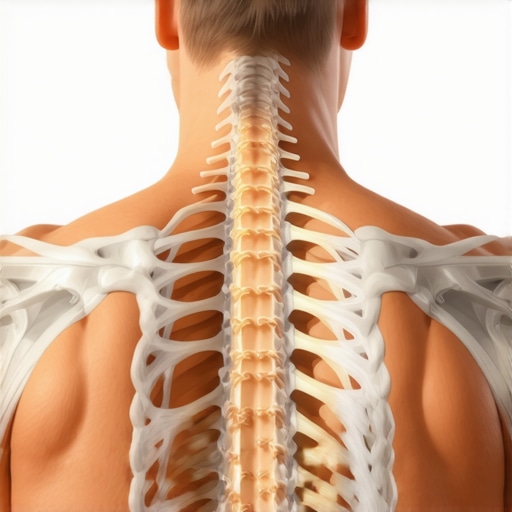
I remember the moment clearly. I was hunched over my laptop, neck strained, shoulders tight, feeling that familiar dull ache creeping up my spine. It was late at night, and I realized I couldn’t ignore it anymore—I was inching toward chronic discomfort that threatened to become a permanent part of my daily life. That lightbulb moment led me down a path of experimenting and learning, eventually discovering a surprisingly simple move that changed everything.
Unlocking Better Posture and Breath Through the Thoracic Spine
If you’re like I was, you’ve probably tried all sorts of stretches and gadgets, hoping to ease stubborn back pain or breathe easier. But what if the secret isn’t in complex routines or expensive equipment? What if the answer lies in a tiny section of your spine that often gets overlooked—the thoracic region? It turns out, improving mobility here can be the game-changer we’ve been searching for.
Is the Quick Thoracic Drill Really Worth the Hype?
Early on, I made a mistake many beginners do: I dismissed the importance of thoracic mobility as something only athletes or physical therapists needed to worry about. I thought my lower back and neck were the main culprits. It wasn’t until I started focusing on my upper back and learning about the connection between thoracic rigidity and overall posture that I truly saw results. Scientific studies support this approach—research shows that targeted mobility exercises can significantly reduce back and neck pain by restoring movement and reducing strain (source: Body Renew Therapy).
So, if you’ve faced persistent discomfort, restricted breathing, or just a nagging feeling of stiffness that won’t go away, you’re probably wondering: could a simple drill really make a difference? Let’s explore how this tiny move can help you stand taller, breathe deeper, and feel more in control of your body.
Start Small: The Foundation of Thoracic Mobility
Begin by sitting comfortably and placing your hands behind your head. Gently lift your chest while keeping your hips steady, aiming to open your upper back. Think of your thoracic spine as a hinge—gentle, controlled movement helps unlock tightness. I vividly recall my first attempt—initially wobbling and feeling awkward—but persistence paid off as it gradually loosened my shoulders and improved my breathing.
Advance to Dynamic Rotations
Transition into seated or kneeling rotations. Place one hand behind your head and rotate your torso towards one side, then slowly to the other. Imagine your upper back as a garden gate—swinging smoothly on hinges—this imagery helps you visualize mobility. During my practice, I kept the movement controlled, avoiding any twisting that caused discomfort. Do this for 10 reps per side, focusing on fluid motion and breath coordination.
Incorporate a Stretch-Release Technique
Lie on your side with knees bent and arms extended in front of you. Use your top arm to gently pull your upper back into a twist, feeling a stretch along your thoracic region. Visualize wringing out a sponge—the aim is to free trapped tension. I once spent extra minutes here, noticing a release in my shoulder tension and a deepening of my breath afterward. This technique is especially beneficial after long hours at the desk or screen time.
Use a Foam Roller for Deep Release
Place a foam roller along your upper back, supporting your head with your hands. Gently roll back and forth, targeting areas that feel stiff or sore. Think of this as a mini massage—breaking up adhesions that limit movement. I admit initially I rushed through, but slow, deliberate rolling helped me feel a significant difference in my posture and breathing capacity. Limit each session to 1-2 minutes, focusing on tender spots.
Maintain Consistency and Progress Gradually
Perform these exercises daily, easing into longer sessions as your mobility improves. Remember, the goal isn’t to push into pain but to gently encourage movement. Over time, you’ll notice reduced neck and back stiffness, better posture, and deeper breathing. Think of your thoracic spine as a hinge that, once loosened, allows your entire body to move more freely and efficiently.
Integrate Other Lifestyle Habits
Complement your mobility work with ergonomic adjustments, like proper desk setup or mindful sitting. Check out ergonomic tips to support your progress. Also, avoid prolonged static positions, and incorporate small movement breaks, mimicking the fluid motion you develop during exercises. Remember, consistency is your ally in turning mobility gains into lasting change.
Many assume that back pain and sciatica are primarily about structural issues or a lack of stretching, but the truth runs much deeper. One common misconception is that all pain originates from tight muscles needing prolonged stretching. In reality, excessive or aggressive stretching can sometimes worsen the problem if done without proper knowledge of your unique spinal mechanics. For example, some patients experience increased discomfort after traditional hamstring stretches, because they overlook underlying joint restrictions or nerve sensitivities. Recognizing the nuances of your body’s response is crucial—what relieves one person might aggravate another. Scientific studies, such as those highlighted in research from the Back Pain Breakthroughs resource, show that personalized, controlled mobility exercises outperform generic stretches, especially when addressing nerve impingements or joint stiffness. Many individuals also mistakenly believe that the more they stretch, the better, but overdoing it can cause micro-injuries, leading to persistent issues. Instead, focus on gentle, targeted movements that restore proper joint function and nerve mobility. Another common myth involves the use of passive supports like lumbar rolls or braces—that relying solely on them can weaken stabilizing muscles over time. Instead, integrating functional strength exercises, as discussed in core-strengthening guides, enhances long-term resilience. For advanced practitioners, understanding the importance of joint biomechanics over mere muscle flexibility is key. If you’re dealing with recurrent pain, consider consulting a professional who can tailor a movement plan based on your specific restrictions. Remember, real progress hinges on addressing the root causes, not just alleviating symptoms temporarily. Are you falling into these common traps? Let me know in the comments! In the meantime, explore our simple exercises that make a difference to start correcting your mobility issues today.
Maintaining your back, neck, and overall mobility requires the right tools that align with your goals. Over the years, I’ve refined my toolkit to include specific equipment and software that genuinely make a difference, ensuring long-term results and easier scaling of your routines.
How do I keep my mobility progress consistent over time?
One indispensable tool I’ve personally adopted is the use of a high-density foam roller. Unlike standard foam rollers, the dense variety provides deeper tissue release, which is vital for addressing stubborn adhesions. I prefer the TriggerPoint GRID MAX because of its durability and targeted design, allowing me to work on trigger points along my thoracic and lumbar regions. Regular rolling with this device complements my mobility drills, like the Thoracic Bridge Move, keeping my spine supple and reducing stiffness.
In addition, I utilize wearable technology like the Whoop Strap to monitor my recovery metrics, including heart rate variability and sleep quality. This insight helps me optimize my exercise schedule, ensuring I don’t overtrain and that my body heals effectively. It’s a game-changer for scaling up routines without risking setbacks.
Are there specific software tools that enhance your progress?
Absolutely. I rely on mobile apps like MyFitnessPal to track my daily activity and nutrition, which are crucial for long-term back health. Moreover, the Back Pain Breakthroughs program offers structured guidance that integrates well with my routine, making adjustments based on my progress data. These tools help me stay accountable and adapt my exercises as my mobility improves.
Predicting The Future of Back Health Tools
Looking ahead, I anticipate a surge in augmented reality (AR) interventions that can give real-time feedback on posture and movement patterns. Imagine wearing AR glasses that guide your thoracic mobility exercises, correcting your form instantly. Such innovations could revolutionize how we scale personalized back care, making it more accessible and effective for everyone.
What’s the best way to keep your back tools effective long-term?
Consistency is key. Regularly using tools like foam rollers and wearables ensures your progress isn’t lost due to complacency or neglect. Also, stay engaged with expert-driven content, like our simple exercises, which serve as a solid foundation. Incorporate these tools into your daily or weekly routine, and monitor your improvements patiently.
If you’re ready to take your back health to the next level, consider integrating a deep tissue foam roller into your daily routine. Start with controlled, deliberate sessions focusing on problem areas. Remember, the secret to scaling your progress is in consistent application and listening to your body’s responses. For personalized guidance or to address specific issues, don’t hesitate to reach out through our contact page.
Throughout my journey, I realized that some of the most impactful lessons about back and neck health came from simple, honest reflections on what really works—and what doesn’t. I’ve learned to look beyond quick fixes and embrace the nuanced reality of mobility: that patience, mindfulness, and a willingness to challenge misconceptions are what truly lead to lasting change.
Lessons That Changed My Perspective on Mobility
- The Myth of Overstretching: I once believed that more stretching always meant better flexibility, but pushing too hard often worsened my pain. Moderation and controlled movement became my new mantra. Scientific insights reinforce this—gentle, targeted exercises outperform aggressive stretching in long-term recovery.
- Joint Mobility Over Muscle Flexibility: I discovered that focusing on joint movement and nerve gliding techniques made a more significant difference than muscle stretches alone. Addressing joint restrictions helped reduce nerve impingements and improved my overall comfort.
- The Power of Consistency: Sporadic routines didn’t deliver results. Committing to daily, mindful mobility practices created sustainable improvements, transforming my posture and breathing over time.
- Personalized Approaches Matter: No single routine fits everyone. Listening to my body’s responses and customizing my exercises prevented setbacks and optimized recovery. Personalized programs, often guided by professionals, have proven to be most effective.
- The Hidden Impact of Lifestyle Habits: Ergonomics, stress, and daily movement patterns influence back and neck health more than I had appreciated. Small changes in habits compounded to produce notable relief.
Tools and Resources That Rescued My Back
Over the years, I’ve trusted specific tools to maintain my mobility journey. The high-density foam roller became my staple for releasing deep tissue adhesions, especially in the thoracic region. Its durability ensures I stay committed without worry. I also rely on wearable tech like the Whoop Strap to monitor my recovery metrics, making sure I scale my routines responsibly.
For educational guidance, Back Pain Breakthroughs provided structured insights that transformed my understanding of pain management. Moreover, staying connected through professional consultations ensures I stay updated with evolving strategies.
Your Next Step Toward a More Mobile Life
Now, it’s your turn to apply what’s possible. Don’t let misconceptions or hesitation hold you back from discovering how gentle, consistent mobility work can reclaim your comfort and confidence. Remember, progress is a marathon, not a sprint—so practice patience, listen to your body, and celebrate small victories along the way. If you’re ready to deepen your journey, explore our simple exercises that make a meaningful difference. Your future, freer movement awaits—take action today!