
How to Adjust Office Chair Armrests to Prevent Shoulder Tension
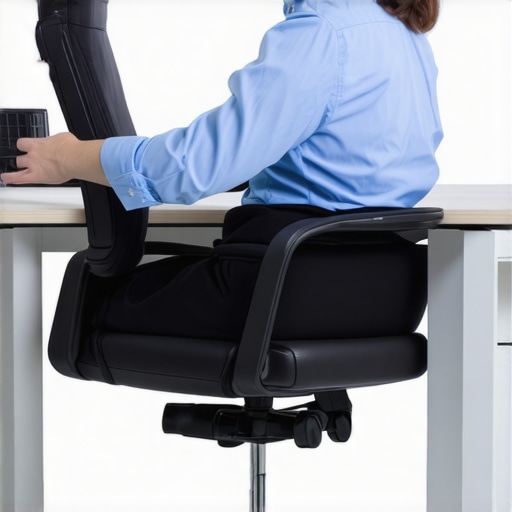
Have you ever experienced that sudden, sharp ache in your shoulders after a long day at the desk, only to realize hours later that your discomfort began with a tiny misadjustment? I remember the lightbulb moment vividly—sitting in my chair, aching more than usual, and suddenly realizing my armrests were totally out of sync with my body. It felt like such a small thing, yet it made a world of difference once I fixed it. If you’ve ever felt ongoing shoulder tightness or that ‘slumped’ feeling creeping in, you’re not alone. Many overlook the simple yet crucial adjustments that can prevent or relieve this tension.
The Hidden Power of Armrest Adjustment for Shoulder Relief
Now, let’s get real for a moment—adjusting your office chair’s armrests might seem insignificant, but it has a profound impact on your posture and overall comfort. Improperly aligned armrests can cause you to hunch your shoulders, leading to muscular strain and, over time, persistent shoulder pain. The goal here is simple: set your armrests so they support your arms comfortably without forcing your shoulders upward or forcing them to sag. When done correctly, this adjustment transforms your workspace into an ergonomic haven and can dramatically reduce that nagging tension we’ve all come to dread. In fact, studies suggest that ergonomic improvements like armrest adjustments significantly decrease muscle fatigue and discomfort over a typical workday. So, why leave this simple fix undone?
Ever doubted whether this tiny tweak makes a difference? You’re not alone.
Early in my journey, I made the mistake of ignoring the armrest settings altogether—thinking they were just about comfort, not safety. That misstep meant unnecessary shoulder strain kept building up. But once I learned how to properly set my armrests, my pain melted away, and my posture improved instantly. It’s a small change with a big payoff, and I’ll guide you through exactly how to do it. Ready to learn? Let’s dive into the details of achieving ergonomic perfection and saying goodbye to shoulder tension for good. If you’ve faced the frustrating cycle of discomfort, I encourage you to explore how these minor adjustments can radically alter your daily experience. For more insights on reducing neck pain and improving mobility, you might want to check out this helpful resource.
This sets the stage for simple, actionable steps ahead, ensuring you’ll be comfortable, supported, and pain-free in your workspace.
Adjust Your Armrests for Better Support
Start by adjusting your armrests so they align with your elbows. Sit in your chair and gently place your forearms on the armrests, ensuring your shoulders stay relaxed. If your arms are raised or sagging, tweak the height or width. I recall a morning when I set mine too high, which caused my shoulders to creep up painfully. Lowering them just enough instantly alleviated the strain. Test this adjustment by typing or moving your arms naturally; comfort is key. Proper armrest positioning prevents your shoulders from hunching or slumping, reducing muscular tension and preventing that persistent tightness.
Align Your Chair Height to Maintain Neutral Posture
Next, set your chair height so that your feet rest flat on the floor and your knees are at a 90-degree angle. When I first tried this, my knees hovered above the floor, forcing my hips to adjust awkwardly. After lowering my seat slightly, I felt my pelvis tilt into a natural position, easing lower back and shoulder tension. Use a level or simply observe your posture—your hips should be slightly above your knees. This position keeps your spine aligned and shoulders from rounding forward, lessening shoulder discomfort over hours.
Optimize Your Desk and Monitor Position
Adjust your monitor height so the top of the screen is at eye level. Align your keyboard and mouse to be directly in front of you, ensuring your arms are supported and your shoulders are relaxed. I once hunchily leaned over my desk, causing neck and shoulder pain; raising my monitor by stacking books transformed my posture. When your desk setup keeps your head aligned with your spine, it prevents you from reaching and hunching, which exacerbates shoulder strain. The goal is a neutral neck and shoulder position that minimizes muscle fatigue and discomfort.
Incorporate Movement into Your Routine
Every 30 minutes, stand up and perform shoulder rolls or gentle stretches. Regular micro-movements prevent muscles from stiffening and blood from pooling in strained areas. I remember getting stuck in a pattern of stiffness, but setting alarms for movement breaks kept my shoulders loose. Think of it as turning a stiff hinge regularly; motion lubricates your joints and reduces tension buildup. These small acts dramatically impact your overall comfort and help sustain your corrected posture throughout the day.
Fine-Tune and Reassess Frequently
Your body shifts and reacts; what feels perfect today might need adjustment tomorrow. Periodically revisit each setting—armrest height, desk position, monitor level—and listen for discomfort signals. I once delayed reassessment, leading to renewed shoulder pain, but after making minute tweaks, relief returned. Remember, ergonomic optimization isn’t a one-time fix but an ongoing process. Making these micro-adjustments ensures your workspace truly supports your body’s natural alignment and prevents future tension.
If you experience persistent discomfort despite these adjustments, consider consulting an expert at our contact page. Small, consistent changes—like those described here—can rapidly transform your workday from painful to pain-free, boosting both comfort and productivity.
When it comes to back and neck issues, common advice often centers around quick fixes or surface-level habits, but many of these misconceptions can inadvertently hinder recovery. Contrary to popular belief, not all pain originates from a single source, and assuming so might delay effective treatment. For instance, many think that sciatica is purely a nerve compression issue, but research indicates that muscle imbalances and fascial restrictions also play a significant role, making comprehensive approaches essential. Here’s an advanced nuance: focusing solely on nerve decompression without addressing surrounding tissue health can lead to temporary relief but persistent recurrence.
Another mistake is overlooking the layered complexity of mobility restrictions. People often believe that stretching alone will unlock stiff joints; however, without considering joint stability, core strength, and neural mobility, stretching can sometimes exacerbate the problem, especially if done aggressively or improperly. Incorporating mobility techniques that target neural tissue and fascial networks yields better, more sustainable results.
Advanced Question: Why does restoring full motion sometimes worsen pain before it gets better?
This paradoxical response often occurs due to controlled re-engagement of tissues and neural pathways. As you begin to regain mobility, your nervous system might interpret movement as a threat—leading to temporary pain or stiffness, which is actually a sign of progress. This reflects the importance of adapting your approach with professional guidance, especially for complex or chronic cases.
Furthermore, misconceptions about sitting posture and ergonomics often lead people astray. Many believe that simply using an ergonomic chair will fix all issues, but poor movement patterns and muscular habits can persist regardless of good setup. This is why integrating functional movement strategies and strengthening exercises, such as those found here, is vital to long-term health.
Finally, be cautious of the trap where people solely chase pain relief without addressing root causes. For example, masking symptoms with medication or superficial treatments might provide short-term comfort but often leads to dependency and worsened conditions over time. Instead, focus on personalized, holistic strategies that promote tissue resilience and neural adaptability.
In summary, advancing your understanding of back and neck pain means recognizing the layered complexity of human movement and tissue health. More importantly, it requires a shift from quick fixes towards thorough, expert-guided approaches. If you want to explore proven techniques that can truly restore your mobility, consider reviewing detailed strategies here. Have you ever fallen into this trap? Let me know in the comments.
How do I maintain my mobility and pain relief over time?
Maintaining your progress requires a combination of effective tools, consistent routines, and mindful habits. Personally, I rely heavily on specialized equipment and software that help me track and optimize my posture and movement patterns. For example, using a high-quality foam roller like the Grid Foam Roller allows me to perform mymyofascial release exercises daily, which are vital for long-term tissue health. Its textured surface targets trigger points precisely, ensuring that muscle knots don’t re-form and cause recurring discomfort. Incorporating these sessions into my morning routine helps prevent stiffness and keeps my muscles responsive rather than over-tightened.
Another tool I highly recommend is a smart posture sensor like the Lumo Lift. This device discreetly attaches to your clothing and provides real-time feedback on your spinal alignment. I use it throughout the day, especially during computer work, to ensure I maintain a neutral posture. It nudges me when I start to slouch, preventing bad habits from taking root. Regular use of such devices creates awareness and ingrains better movement patterns, ultimately reducing the likelihood of flare-ups or long-term degeneration.
On the software front, I utilize apps like Lumo Bodyfield to log my movement, stretching, and pain levels. Tracking data over weeks reveals patterns and areas needing more attention. This approach aligns with current research suggesting that self-monitoring can significantly improve adherence to ergonomic and mobility routines. One area I focus on is neural mobility exercises, which address nerve tension that traditional stretching often overlooks. Implementing these exercises with guidance from resources such as this guide has made a noticeable difference in my recovery trajectory.
Looking ahead, I predict a surge in integrating wearable technology with AI-driven feedback to personalize long-term care. These advancements could prompt real-time adjustments and preventive interventions, making maintenance more effortless and tailored to individual needs. The goal is to shift from reactive treatments to proactive health management, especially for chronic issues like back and neck pain.
What actions can you take today to preserve your progress?
Start by choosing a quality foam roller and dedicate five minutes daily to myofascial release. Pair it with a posture sensor to stay aware during your workday. Regular tracking and proactive posture corrections will help you sustain improvements and prevent setbacks. Remember, small consistent actions often lead to the most significant, lasting results. Ready to give it a try? Use the tools that fit your routine and stay committed to your mobility goals. For more advanced techniques, check out this resource for comprehensive strategies on managing back pain effectively.
Over the years, I’ve realized that the journey to alleviating back and neck pain often involves surprising truths and personal revelations. One of the most impactful lessons I learned was how even minor adjustments—like perfecting the height of my monitor or the angle of my chair—could unlock profound relief. These small, deliberate tweaks became the gateway to a healthier, more comfortable daily routine, proving that sometimes, the key to long-term mobility isn’t found in complex treatments but in everyday mindfulness and precision. Understanding this shift transformed my approach and can do the same for you, turning your workspace into an environment that supports your body’s natural harmony rather than working against it.
What I Didn’t Expect About Moving Past Pain
- The paradox of progress: As I incorporated mobility exercises, initial soreness appeared—counterintuitive but a sign of healing, signaling I was unlocking long-held restrictions. Recognizing this helped me push through without fear.
- Small habits pack a punch: Daily micro-movements, like shoulder rolls or gentle stretches, accumulated into significant relief over weeks, showing that consistency beats intensity when it comes to long-term health.
- The power of awareness: Using simple tools like posture sensors heightened my sensitivity to bad habits, enabling quick corrections that prevented discomfort before it started.
Tools That Became My Unexpected Allies
- Foam rollers: The Grid Foam Roller became essential for maintaining my tissue health, helping me avoid stiffness and restore mobility by releasing fascial restrictions that traditional stretches often overlook.
- Posture sensors: Devices like the Lumo Lift provided real-time feedback, making me more conscious of my spinal alignment and reinforcing better ergonomics throughout the day.
- Tracking apps: Logging my pain and movement patterns with user-friendly apps revealed critical insights, guiding me toward targeted adjustments and sustained improvements.
- Educational resources: Websites offering expert strategies, such as those on Neck Pain Solutions, demystified complex concepts and empowered me to take control of my recovery.
Embracing Change: The Moment That Shifted Everything
Ultimately, the turning point was realizing that pain isn’t just a symptom but a message—telling me I needed to adjust not just my posture but my mindset toward movement and self-care. Embracing this holistic perspective motivated me to be proactive, exploring innovative exercises, ergonomic tweaks, and mindful routines. This shift didn’t happen overnight but emerged from listening patiently to my body and respecting its signals. Now, I see my pain as a guide rather than an enemy, opening doors to lasting relief and renewed vitality. If you’re willing to reframe your approach and trust the subtle signs your body provides, profound transformation is within reach.