
Why Stretching Your Hamstrings Might Be Making Nerve Pain Worse
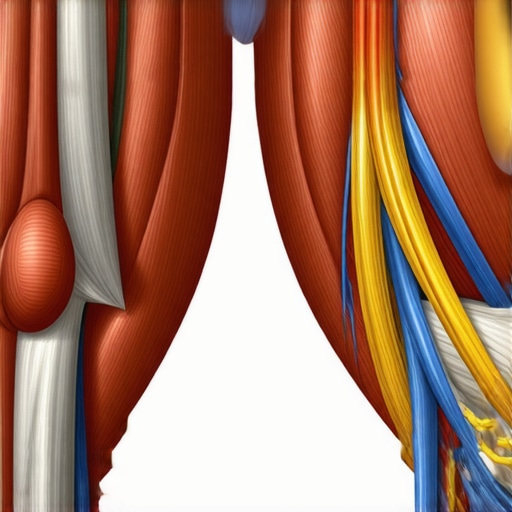
I remember the moment vividly—lying on my back after a long day, feeling that dull ache radiating from my lower back down to my leg. I had been told countless times to stretch my hamstrings to alleviate the discomfort, so I did what many of us do: reach for my yoga mat and started tugging at those tight muscles. But instead of relief, my pain intensified. That confusing, disheartening experience was my lightbulb moment—that stretching, which I thought was supposed to help, might actually be making my nerve pain worse.
Why Your Hamstring Stretch Might Be Backfiring
The truth is, the way we approach stretching can sometimes be counterproductive, especially when nerve pain is involved. When your hamstrings are tight, it’s natural to want to loosen them up. However, if your nerves are already inflamed or irritated—say, due to a herniated disc or sciatica—stretching the hamstrings can place additional strain on those vulnerable nerves. This can increase your discomfort instead of reducing it.
Early in my journey, I made a common mistake: I believed that stretching would fix everything. But I didn’t consider the underlying nerve condition or the fact that some tightness is actually a protective response to nerve irritation. Pushing into deep stretches without understanding this can cause a flare-up of symptoms. It’s like trying to loosen a knot but tugging it tighter instead. Recognizing this was the first step towards smarter, safer activity.
Is Stretching Your Hamstrings Actually Worth the Hype?
If you’re like me, you might be skeptical — wondering if all this fuss about stretching is just another fitness myth. Well, research shows that inappropriate stretching can worsen nerve symptoms in some cases. According to a study published by the National Institutes of Health, aggressive or poorly timed stretching can increase nerve sensitivity and pain. So, it’s vital to understand when and how to stretch safely, especially if nerve pain is part of your story.
Looking back, the biggest mistake I made early on was ignoring my body’s signals and forcing movement rather than nourishing my nervous system. Now, I know that effective relief doesn’t come just from stretching more, but from stretching smarter—using techniques tailored to my specific condition.
Are you struggling with similar issues? Do you ever feel like your efforts to stretch or stretch differently just aren’t helping? If so, you’re not alone, and better understanding awaits. In the upcoming sections, I’ll share practical, safe strategies to relieve nerve pain without the risk of making it worse—so stay tuned!
,
Start Gentle: Reset Your Movement Habits
Earlier, I mentioned how pushing into deep stretches worsened my sciatic discomfort. The first concrete step is to begin with small, gentle movements that don’t provoke pain. For example, instead of forcing a hamstring stretch, try pelvic tilts while lying on your back, which activate your core and mobilize your lower spine without overstretching inflamed nerves. This approach is akin to coaxing a stubborn door open with minimal force, gradually increasing effort only when it’s safe.
Engage Your Core to Protect Your Spine
Building core strength stabilizes your lumbar region and reduces nerve tension. I started incorporating a 3-minute routine of deep diaphragmatic breathing combined with gentle transverse abdominis activation—imagine drawing your belly button toward your spine as if tightening a corset. This technique, as discussed in mobility mastery, helps decompress the nervous system and supports your back during daily activities.
Use Nerve Glide Techniques to Calm Irritation
One of the most effective methods I employed was nerve gliding (also known as neural flossing). These are specific, controlled movements designed to allow nerves to slide smoothly within their protective tissues, relieving compression and reducing pain. For example, gently extending and flexing your ankle while keeping your leg straight can promote sciatic nerve mobility. Practice these daily—just like gentle oiling of a stiff hinge—to keep nerves healthy and responsive.
Prioritize Posture and Movement Breaks
A crucial part of my improvement came from conscious posture adjustments and frequent movement breaks, especially during long sitting periods. Sitting with hips slightly elevated, shoulders back, and head aligned prevents undue nerve compression. Every 30 minutes, I stood up, walked short distances, and did simple side bends or torso twists. This dynamic movement is like switching gears in a machine, preventing stagnation and promoting fluid nerve function.
Optimize Your Environment for Better Alignment
Your workspace plays a significant role in back health. Adjust your chair, monitor, and keyboard so that your hips are at a 90-degree angle, and your monitor is at eye level to avoid forward head posture, a culprit often linked to nerve irritation. I replaced my old chair with an ergonomic one, which almost instantly reduced my discomfort and improved my daily mobility. For more ergonomic tips, see ergonomic strategies.
Avoid Forceful Movements: Listen to Your Body
One recurring lesson was to pay attention to signals. If a movement or stretch caused sharp or shooting pain, I stopped immediately. Pushing through could cause setbacks. Instead, I applied gentle, sustained movements, allowing my nervous system to adapt gradually, much like easing a stubborn lid off a jar with patience.
Practicing these steps consistently helped me regain more control over my nerve health and gradually reduce pain episodes. Remember, safety comes first: every action should be pain-free or only mildly discomforting. This cautious approach, combined with daily movement and posture adjustments, is a proven blueprint to manage nerve-related back pain effectively.
Many assume that increased mobility always equals better health, but the truth is more nuanced. For example, stretching hamstrings blindly with the goal of ‘flexibility’ can inadvertently worsen nerve pain, especially if inflammation is present. This misconception leads many to pursue aggressive stretching routines that ignore underlying nerve sensitivities. Instead, a more sophisticated approach involves understanding *when* and *how* to stretch—focusing on movement quality over quantity. According to a study published in the National Institutes of Health, improper stretching can heighten nerve sensitivity and complicate recovery.
A common trap is believing that painful movements are always harmful. In reality, pain may be a signal that your nervous system needs gentle, targeted care. Pushing through pain without guidance risks exacerbating the problem. Advanced practitioners recognize the importance of nerve gliding exercises and posture optimization, such as seen in posture insights.
Furthermore, many overlook the critical role of *movement variability*. Rigidly sticking to one exercise or stretch can reinforce asymmetries and reduce overall mobility. Incorporating diverse, safe movements can promote better nerve and joint health, breaking free from stuck patterns. To learn more about improving spinal mobility, visit this guide.
A sneaky misconception is the idea that only deep stretches matter; in reality, gentle activation—like core exercises or diaphragmatic breathing—can profoundly influence nerve resilience. By cultivating an awareness of subtle signals and avoiding forceful moves, you can prevent common pitfalls like nerve impingement or chronic tightness.
Are you familiar with the importance of movement variability, or have you fallen into the trap of over-stretching? Share your experience below! Remember, mastering mobility isn’t about pushing harder but understanding your body’s delicate signals and responding intelligently. For personalized strategies, consider consulting experts at this contact page. Let’s keep your nervous system healthy and responsive—because true mobility is a mindful journey.Maintaining mobility and nerve health over time requires more than just sporadic exercises; it demands the right tools and a consistent routine. Personally, I swear by foam rollers and massage balls for self-myofascial release, especially targeting tight areas around the hips and lower back. I use a high-density foam roller, which provides the firmness needed to break up adhesions without excessive pressure, helping sustain flexibility and reduce inflammation. For more precise trigger point relief, I recommend a tennis ball; its smaller profile allows you to target stubborn knots in areas like the piriformis or along the sciatic nerve pathway. Incorporating these tools into your daily or weekly routine can dramatically improve your long-term resilience against back pain or sciatica flare-ups.
Realizations That Changed My Approach to Nerve Pain
- One of the biggest lessons I learned was that not all tightness signifies a need for more stretching—sometimes, it’s a protective response from my nervous system, signaling me to slow down and focus on gentle mobility.
- I discovered that core engagement isn’t just about strength—it’s a way to communicate with my body, telling my nerves to relax rather than tense up, which has been a game-changer in reducing flare-ups.
- Understanding nerve gliding techniques revealed that nerves aren’t static—they need to slide smoothly within their tissues, and controlled movements can prevent pain escalation rather than trigger it.
- Monitoring my posture and incorporating movement breaks, especially during long sitting sessions, proved that frequent, mindful adjustments keep my nerves happy and my back healthier over time.
- Using self-myofascial release tools like foam rollers and tennis balls allowed me to target stubborn knots that contribute to nerve irritation, creating lasting relief instead of temporary fixes.
Tools That Became My Back Comfort Allies
During my journey, certain resources truly stood out. The book “Back Pain Breakthroughs” provided foundational understanding and practical steps, helping me see my condition differently. I also trust the ergonomic strategies outlined in ergonomic tips for everyday comfort, which made a tangible difference in my daily environment. For quick relief, I rely on nerve gliding exercises from reputable sources, and the guidance on posture from posture insights has helped me maintain optimal alignment. These tools and resources are vital for anyone serious about managing nerve-related back challenges with confidence.
Seize the Power to Transform Your Back Health
Remember, your journey to relief is uniquely yours, and small, consistent actions can lead to profound changes. Embrace gentle movements, listen to your body’s signals, and don’t hesitate to explore tailored strategies—your back and nerves deserve that care. Are you ready to take the next step toward a more comfortable, mobile life? Share your experiences or questions below—your story could inspire someone else’s healing path.