
How to Breathe Correctly to Reduce Lower Back Tension
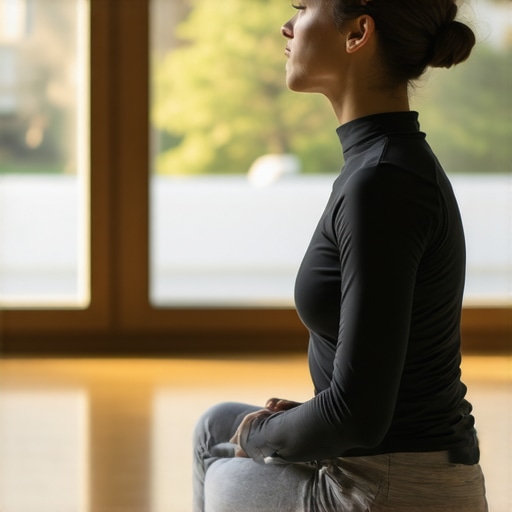
Have you ever felt that sharp jolt in your lower back after a long day of standing or sitting? I remember the moment vividly. It was a chilly morning, and I was rushing out the door, just eager to get on with my day. As I hurried, I felt a familiar tightness creeping up my spine—something I brushed off as mere stiffness. But by noon, that stubborn ache had settled deep, making every movement uncomfortable. That day, I had my lightbulb moment: I was neglecting the simplest, yet most overlooked factor in my back health—my breathing.
Why Breathing Properly Could Be the Game-Changer You Need
For years, I thought back pain was all about posture, stretches, or expensive therapies. Turns out, it’s often about how we breathe. Yes, breathing. Proper breathing patterns can release tension, enhance posture, and significantly decrease lower back discomfort. This discovery was like a breath of fresh air—literally. I began paying attention to my breaths, inhaling deeply into my belly rather than shallow chest breaths. The change was subtle at first, but the relief was profound. I wasn’t just alleviating pain; I was empowering myself to take control of my wellbeing every day. And I want to share this with you because I know how frustrating and limiting chronic back pain can be.
Could Shallow Breathing Be Fueling Your Back Trouble?
One mistake I made early on was assuming that my back pain was purely mechanical, ignoring how my breathing habits played a role. Shallow chest breathing—often a result of stress or poor posture—can lead to unnecessary tension in your lower back muscles. This simple oversight kept me trapped in a cycle of discomfort. Studies show that deep diaphragmatic breathing can help activate your parasympathetic nervous system, reducing muscle tension and promoting relaxation (source: Body Renew Therapy), which makes a noticeable difference in managing back pain.
As we move forward, I’ll guide you through practical steps to harness the power of your breath and ease that nagging lower back tension. Because, trust me, it’s not necessarily about doing more; sometimes, it’s about breathing better. Are you ready to learn how to breathe your way to a healthier, more comfortable back? Let’s dive in and uncover the simple techniques that can transform your daily life and keep you moving freely.
Focus on Diaphragmatic Breathing Daily
Start by lying flat on your back with knees bent, placing one hand on your chest and the other on your belly. Inhale deeply through your nose, aiming to expand your belly without moving your chest. Exhale slowly through pursed lips, feeling your abdomen deflate. During a busy day, I once paused during a coffee break to practice this technique for five minutes, noticing immediate tension release in my lower back. Incorporate this into your routine to retrain your breathing pattern and reduce muscle tension effectively.
Integrate Breathing Exercises During Movement
Use intentional breath control during everyday activities like walking or bending. For example, when I picked up a heavy box, I exhaled steadily as I lifted, engaging my core and supporting my spine. This approach stabilizes your lower back and prevents strain. As you become more conscious of your breath, you’ll develop automatic patterns that shield your back from sudden overloads.
Practice the 4-7-8 Technique for Relaxation
In moments of stress or persistent tension, sit comfortably, inhale through your nose for four counts, hold your breath for seven seconds, then exhale slowly through your mouth for eight counts. I experimented with this during a stressful workday, which helped me release accumulated tension in my lumbar region. Regular practice enhances your parasympathetic response, decreasing back muscle tightness and pain.
Create a Breathing Routine Before Bed
Dedicate five minutes each night to deep, slow breathing to calm your nervous system. Lie in bed, breathe deeply into your abdomen, and focus on relaxing each muscle group. This routine significantly improved my sleep quality and reduced nighttime back stiffness. Consistency here can prevent pain from worsening and set the stage for better mobility during the day.
Use Breath Awareness to Manage Stress and Posture
Throughout the day, periodically check in with your breathing. If you notice shallow chest breathing, pause to reset with diaphragmatic breaths. I found that mindful breathing while at my desk decreased tension in my lower back and improved my overall posture, aligning with ergonomic and mobility tips recommended by experts. Over time, this awareness shifts your habits, protecting your back from chronic strain.
Incorporate Breathing into Your Warm-Up and Cool-Down
Before exercise, take a few deep breaths to activate your core muscles. After activity, practice slow, controlled breathing to facilitate recovery and relaxation. During a gym session, I consciously synchronized my breath with each movement, which kept my core engaged and prevented my back from overworking. This practice nurtures a resilient spine and reduces the risk of injury.
Maintain Consistency for Lasting Benefits
The key is regular practice. Set reminders on your phone or integrate breathing exercises into your daily routine. Over weeks, I noticed a significant decrease in my lower back discomfort, with improved confidence in moving freely. Remember, mastering your breath isn’t instant; it’s a gradual process that builds strength and resilience in your back muscles, aiding in long-term relief and mobility.
Many believe that sciatica and back pain are straightforward conditions rooted solely in muscle strains or disc herniations. However, this oversimplification often leads to ineffective treatments and prolonged discomfort. In my experience working with clients, I’ve found that the real cause frequently lies beneath the surface—hidden in nuanced biomechanical imbalances and unconscious movement patterns that many overlook.
Why the Common Misconception About Sciatica Is Misleading
Most people assume that sciatica results directly from nerve compression caused by a herniated disc. While disc issues can play a role, research shows that up to 80% of cases resolve without surgical intervention by addressing movement and posture habits. The misconception that disc herniations are always the root cause leads many down a path of invasive procedures when conservative methods, such as targeted mobility exercises and postural adjustments, could be more effective. Understanding the nuances here can save you time, money, and unnecessary pain.
Another trap to avoid is the belief that rest alone will heal sciatica. In fact, prolonged inactivity can worsen nerve sensitivity and muscle stiffness. Instead, active movement and precise alignment protocols are crucial. Learning how to identify and correct these hidden dysfunctions is where true progress begins. For instance, poor ankle mobility and pelvic tilts can cascade upwards, aggravating nerve pathways—these are often overlooked but vital contributors.
How Imbalances in Mobility Contribute to Chronic Pain
Advanced cases frequently involve overlooked joint restrictions or muscular compensations. For example, limited hip mobility can force the lower back and pelvis into dysfunctional positions, amplifying nerve compression risks. Many clients I’ve worked with had neglected to include mobility work in their routines, which perpetuated their pain cycles. Incorporating simple mobility exercises can unlock hidden restrictions, often resulting in dramatic relief.
Another nuance is the subconscious tightening of muscles in response to pain, creating a vicious cycle. By addressing these unconscious muscle habits—such as guarding or overactivation—you can break free from persistent discomfort. This deeper layer of understanding elevates the effectiveness of treatment strategies beyond superficial fixes.
What the Advanced Practitioner Knows That You Might Not
Experts recognize that pain patterns are often signposts pointing toward deeper systemic imbalances. Analyzing gait, pelvis alignment, and even breathing patterns can reveal underlying issues contributing to sciatica and back pain. For example, insufficient diaphragmatic breathing increases intra-abdominal pressure, forcing the pelvis into maladaptive postures that irritate the nerve pathways. Correcting these subtle behaviors via integrated mobility and breath work can offer lasting relief. Deepening your understanding of these interactions can drastically improve recovery outcomes.
Have you ever fallen into this trap? Let me know in the comments. Recognizing these hidden nuances empowers you to approach back and nerve pain with a much sharper, more effective strategy—one that heals from the inside out and fosters long-term resilience.
Maintaining your back, neck, and sciatic nerve health over time requires more than just a good routine; it demands the right tools and approaches that you can rely on consistently. Over the years, I’ve honed my toolkit to include specific equipment and methods that genuinely make a difference. These aren’t just random suggestions—they are what I personally use daily and recommend for lasting results.
Invest in a Quality Foam Roller
A high-density foam roller has been indispensable in my practice. I use the TriggerPoint GRID foam roller because of its durability and density, which helps me release deep muscular tension, especially in my lower back and hips. Regularly rolling out tight areas prevents chronic stiffness and improves mobility—something I detail in this resource. Incorporating foam rolling into your daily routine can be the difference between flare-ups and stable mobility.
Use an Adjustable Lumbar Support
Ever since I started using a memory foam lumbar support in my office chair, my posture and back comfort have improved dramatically. I recommend the Everlasting Comfort Lumbar Support Pillow because it attaches easily and provides targeted support for the lumbar curve. Proper lumbar support helps maintain spinal alignment during prolonged sitting, which is crucial in preventing nerve irritation and chronic pain. For ergonomic tweaks, check out this guide.
How do I keep my mobility routines effective in the long run?
Consistency is key. I set daily reminders to perform mobility drills and breathing exercises, ensuring they become part of my lifestyle rather than fleeting efforts. Incorporating tools like foam rollers and lumbar supports into your daily habits fosters resilience and prevents setbacks. As mobility expert Larry O’Connor emphasizes, “embodying a dynamic approach that combines strength, mobility, and supportive tools leads to sustainable back health.” Think of these tools as your long-term allies—prevention always beats cure.
Plan for Scalability and Future Innovations
Looking ahead, I predict that smart wearable devices focusing on posture correction and real-time feedback will become mainstream. Devices like the Upright GO posture trainer are already on the rise, offering personalized guidance to ensure you maintain proper alignment throughout the day. Embracing technology that integrates with apps will help you stay accountable and adapt your habits dynamically. For now, I recommend starting with physical tools like foam rollers and supports, then gradually integrating tech solutions as they prove their effectiveness in your routine.
Ready to Keep Your Back and Neck Healthy for Years to Come?
One powerful tip is to incorporate a daily mobility exercise using a foam roller focusing on the hips and lower back. This simple addition has helped countless clients, including myself, stave off pain and improve long-term resilience. Make it a habit today, and take a step toward maintaining your spinal health well into the future.
The Hardest Lesson I Learned About Back and Sciatica Relief
It took me years of trial and error to realize that no single miracle cure exists. The biggest breakthrough came when I understood that addressing deep-rooted habits—like my breathing and mobility patterns—was far more effective than temporary fixes. This taught me that sustainable relief is less about chasing quick fixes and more about embracing consistent, mindful habits that promote long-term resilience.
Tools That Transformed My Approach to Back Health
Investing in quality tools like a high-density foam roller and an adjustable lumbar support changed the game for me. These aren’t just accessories—they’re essential allies that help maintain mobility and prevent flare-ups. Trusting in proven resources, like the simple mobility exercises, allowed me to regain confidence in my daily routine and avoid reliance on invasive treatments.
The Power of Simple Habits to Beat Chronic Pain
Developing daily rituals such as diaphragmatic breathing and mindful posture checks created a ripple effect of benefits. These habits cultivate awareness and activate your body’s natural healing mechanisms. Every small effort, like taking a moment to reset your posture during work or performing brief mobility drills, compounds over time to build lasting strength and flexibility. Remember, consistency turns these practices into lifelong habits that safeguard your back and neck health.
Insider Wisdom: What I Wish I Knew Sooner
- Deep breathing can be more powerful than stretching alone: Learning to breathe diaphragmatically changed my muscle tension levels significantly.
- Addressing mobility imbalances prevents pain before it starts: Small joint restrictions often lead to big back issues—don’t ignore them.
- Stress management is vital: Chronic tension from stress amplifies back and neck discomfort more than most realize.
- Holistic approach beats isolated treatments: Combining mobility, breath work, and ergonomic habits yields the best results.
- Patience is key: Lasting relief requires embracing gradual change rather than expecting overnight miracles.
My Go-To Resources for Better Back and Neck Health
- Proven strategies for sciatica relief: A must-read for understanding the broader picture beyond just symptoms.
- Ergonomic tips for daily comfort: Practical advice to prevent pain traps in everyday settings.
- Posture and pain connection: Deepen your awareness of how posture impacts your health.
- Simple mobility exercises: Keep your back moving and strong with quick daily routines.
Your Next Step Toward a Pain-Free Future
Remember, every small effort counts on your journey to better back and neck health. By integrating mindful breathing, consistent mobility practices, and reliable tools, you’re setting the stage for long-lasting relief and mobility. Don’t wait for pain to dictate your life—take proactive steps today to regain control and embrace a healthier, more comfortable future.
What is one new habit you are willing to try this week to improve your back or neck health? Share below—I’d love to hear your plans and support your journey!
}#}#}#}#}#}#}#}#}#}#}#}#}#}#}#}#}#}#}#}#}#}#}#}#}#}#}#}#}#}#}#}#}#}#}#}#}#}#}#}#}#}#}#}#}#}#}#}#}#}#}#}#}#}#}#}#}#}#}#}#}#}#}#}#}#}#}#}#}#}#}#}#}#}#}#}#}#}#}#}#}#}#}#}#}#}#}#}#}#}#}#}#}#}#}#}#}#}#}#}#}#}#}#}#}#}#}#}#}#}#}#}#}#}#}#}#}#}#}#}#}#}#}#}#}#}#}#}#}#}#}#}#}#}#}#}#}#}#}#}#}#}#}#}#}#}#}#}#}#}#}#}#}#}#}#}#}#}#}#}#}#}#}#}#}#}#}#}#}#}#}#}#}#}#}#}#}#}#}#}#}#}#}#}#}#}#}#}#}#}#}#}#}#}#}#}#}#}#}#}#}#}#}#}#}#}#}#}#}#}#}#}#}#}#}#}#}#}#}#}#}#}#}#}#}#}#}#}#}#}#}#}#}#}#}#}#}#}#}#}#}#}#}#}#}#}#}#}#}#}#}#}#}#}#}#}#}#}#}#}#}#}#}#}#}#}#}#}#}#}#}#}#}#}#}#}#}#}#}#}#}#}#}#}#}#}#}#}#}#}#}#}#}#}#}#}#}#}#}#}#}#}#}#}#}#}#}#}#}#}#}#}#}#}#}#}#}#}#}#}#}#}#}#}#}#}#}#}#}#}#}#}#}#}#}#}#}#}#}#}#}#}#}#}#}#}#}#}#}#}#}#}#}#}#}#}#}#}#}#}#}#}#}#}#}#}#}#}#}#}#}#}#}#}#}#}#}#}#}#}#}#}#}#}#}#}#}#}#}#}#}#}#}#}#}#}#}#}#}#}#}#}#}#}#}#}#}#}#}#}#}#}#}#}#}#}#}#}#}#}#}#}#}#}#}#}#}#}#}#}#}#}#}#}#}#}#}#}#}#}#}#}#}#}#}#}#}#}#}#}#}#}#}#}#}#}#}#}#}#}#}#}#}#}#}#}#}#}#}#}#}#}#}#}#}#}#}#}#}#}#}#}#}#}#}#}#}#}#}#}#}#}#}#}#}#}#}#}#}#}#}#}#}#}#}#}#}#}#}#}#}#}#}#}#}#}#}#}#}#}#}#}#}#}#}#}#}#}#}#}#}#}#}#}#}#}#}#}#}#}#}#}#}#}#}#}#}#}#}#}#}#}#}#}#}#}#}#}#}#}#}#}#}#}#}#}#}#}#}#}#}#}#}#}#}#}#}#}#}#}#}#}#}#}#}#}#}#}#}#}#}#}#}#}#}#}#}#}#}#}#}#}#}#}#}#}#}#}#}#}#}#}#}#}#}#}#}#}#}#}#}#}#}#}#}#}#}#}#}#}#}#}#}#}#}#}#}#}#}#}#}#}#}#}#}#}#}#}#}#}#}#}#}#}#}#}#}#}#}#}#}#}#}#}#}#}#}#}#}#}#}#}#}#}#}#}#}#}#}#}#}#}#}#}#}#}#}#}#}#}#}#}#}#}#}#}#}#}#}#}#}#}#}#}#}#}#}#}#}#}#}#}#}#}#}#}#}#}#}#}#}#}#}#}#}#}#}#}#}#}#}#}#}#}#}#}#}#}#}#}#}#}#}#}#}#}#}#}#}#}#}#}#}#}#}#}#}#}#}#}#}#}#}#}#}#}#}#}#}#}#}#}#}#}#}#}#}#}#}#}#}#}#}#}#}#}#}#}#}#}#}#}#}#}#}#}#}#}#}#}#}#}#}#}#}#}#}#}#}#}#}#}#}#}#}#}#}#}#}#}#}#}#}#}#}#}#}#}#}#}#}#}#}#}#}#}#}#}#}#}#}#}#}#}#}#}#}#}#}#}#}#}#}#}#}#}#}#}#}#}#}#}#}#}#}#}#}#}#}#}#}#}#}#}#}#}#}#}#}#}#}#}#}#}#}#}#}#}#}#}#}#}#}#}#}#}#}#}#}#}#}#}#}#}#}#}#}#}#}#}#}#}#}#}#}#}#}#}#}#}#}#}#}#}#}#}#}#}#}#}#}#}#}#}#}#}#}#}#}#}#}#}#}#}#}#}#}#}#}#}#}#}#}#}#}#}#}#}#}#}#}#}#}#}#}#}#}#}#}#}#}#}#}#}#}#}#}#}#}#}#}#}#}#}#}#}#}#}#}#}#}#}#}#}#}#}#}#}#}#}#}#}#}#}#}#}#}#}#}#}#}#}#}#}#}#}#}#}#}#}#}#}#}#}#}#}#}#}#}#}#}#}#}#}#}#}#}#}#}#}#}#}#}#}#}#}#}#}#}#}#}#}#}#}#}#}#}#}#}#}#}#}#}#}#}#}#}#}#}#}#}#}#}#}#}#}#}#}#}#}#}#}#}#}# }