
Why Your Ankles Are the Secret to Fixing Your Lower Back Pain
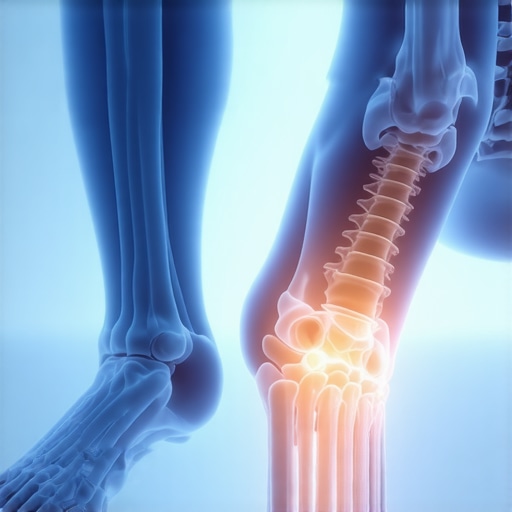
Picture this: You’re standing at the edge of your front yard, trying to bend down to pick up your dog’s leash, but suddenly, a sharp pain shoots through your lower back. You freeze, frustrated, wondering why something so simple has turned into a day-ruining ordeal. I’ve been there too—thinking I’d pushed through, only to find myself limping around, medicated and discouraged. That lightbulb moment hit me hard when I realized my ankles might be the hidden culprit behind my relentless lower back pain.
The Discovery That Changed Everything
For years, I struggled with chronic lower back discomfort, trying every stretch, exercise, and fancy gadget out there. It wasn’t until I began paying closer attention to my ankles that I stumbled upon a game-changer. Turns out, ankle mobility isn’t just about balancing on your toes; it’s a vital piece of the puzzle in maintaining a healthy lumbar spine. When your ankles are stiff or restricted, other parts of your body compensate, often leading to undue stress on your lower back. An article in the Journal of Bodywork and Movement Therapies confirms that poor ankle function can contribute significantly to lower back pain—a surprising but well-supported fact.
And here’s the best part: improving ankle mobility is often simple and quick, yet overlooked. Talk about a hidden gem in back pain rehab!
Is It Really Worth Paying Attention to My Ankles?
Many people dismiss ankle health as irrelevant to back issues, including myself early on. I made the mistake of focusing solely on my lower back, neglecting the roots of the problem higher up or even further down. It’s common to chase solutions that yield temporary relief, but unless you address the underlying mechanics—like your ankle movement—those pains tend to persist or return.
So, if you’re tired of feeling like your back is fighting against everything you do, consider this: Your ankles might hold the key to lasting relief. In the upcoming sections, I’ll share my personal journey, practical tips, and evidence-backed strategies to unlock your ankles and reclaim your mobility.
What if I told you that one of the biggest mistakes I made early on was ignoring ankle health altogether?
Don’t worry—I didn’t realize this too late. If you’ve experienced similar struggles or doubts, you’re not alone. But the good news? There are simple actions you can take today to start making a difference. Want to dive into the details? Check out this ergonomic tips for improving back mobility and discover how small adjustments can lead to big changes. Let’s get started on understanding the profound connection between your ankles and your lower back—it might just change your life.
Start with Gentle Ankle Mobilization Exercises
My first step was trying simple ankle circles while sitting on the edge of my bed. I slowly rotated my ankles clockwise and counterclockwise, aiming for 10 reps each side. This felt awkward at first, like trying to turn a rusty door hinge, but I stuck with it daily. Over a week, I noticed less stiffness when bending down and less tugging in my lower back. Incorporate ankle circles into your routine to enhance flexibility gradually.
Implement Controlled Dorsiflexion Stretches
Next, I dived into dorsiflexion stretches—the movement that brings your toes toward your shin. I stood facing a wall, placing my toes about 3 inches away. Then, I bent my knee toward the wall, feeling a stretch in the front of my ankle. I repeated this 15 times per ankle, holding each stretch for a few seconds. This exercise is like oiling a squeaky hinge; it improves mobility and reduces compensatory movement that strains the lower back.
Use a Resistance Band for Ankle Strengthening
To challenge my ankles further, I looped a resistance band around my foot and resisted the dorsiflexion motion. This added control and stability to the movement. I did 3 sets of 10 reps, ensuring controlled slow motions. Strengthening the ankle stabilizers prevents stiffness and supports better alignment, which indirectly alleviates back stress. Think of it as reinforcing the foundation of a house.
Practice Dynamic Mobility Drills Daily
I incorporated dynamic drills like ankle side lunges—step out wide and shift my weight side to side—mimicking functional movements. These exercises felt natural, almost like mimicking a walk or a dance move. Doing 2-minute sessions everyday helped maintain mobility gains. These dynamic moves activate surrounding muscles, ensuring your ankles stay versatile and responsive, reducing the body’s tendency to compensate elsewhere.
Adjust Your Environment for Better Practice
Initially, I realized my sneakers were too stiff, hampering my mobility. Switching to minimalist shoes or barefoot exercises allowed my ankles to move more freely. Also, I set up my space with a sturdy chair and a wall for support, making balance easier during stretching. Small environmental tweaks like these make consistent practice feasible, ensuring you stick with it long-term.
Integrate Mobility into Daily Habits
I started incorporating ankle movements into routine activities: standing on tiptoes during brushing, or ankle rolls while waiting for the kettle. These micro-movements accumulated over the day, building resilience against stiffness. It’s like checking your posture or breathing—small, consistent actions can yield big improvements in mobility and pain reduction.
Many people believe that back pain always originates from spinal injuries or disc problems, but in reality, this is a simplistic view that overlooks critical nuances. For example, the misconception that resting completely heals back issues can be counterproductive; often, prolonged inactivity weakens supporting muscles, worsening the condition over time. A study published in the Journal of Orthopaedic & Sports Physical Therapy highlights that gentle movement and targeted mobility exercises, like those discussed in simple back mobility drills, lead to faster recovery and long-term relief.
Another prevalent myth is that sciatic pain is solely caused by a herniated disc when, in fact, muscular imbalances and poor ankle mobility often play significant roles. Overlooking these factors can result in ineffective treatment plans that focus only on the symptoms rather than root causes. Practicing advanced assessments, similar to those outlined in sciatica relief strategies, can make a crucial difference.
A common oops is neglecting the importance of proper posture and movement patterns over time. For example, many assume that only intense workouts cause back pain, but repetitive poor ergonomics, like prolonged forward head posture during desk work, subtly erode spinal health. This underscores the need for proactive ergonomics and mobility practices, such as those detailed in ergonomic tips for everyday comfort.
Have you ever fallen into this trap? Let me know in the comments. Remember, understanding the intricacies behind back pain can empower you to adopt smarter, more effective care strategies, ultimately leading to lasting relief and improved mobility.
The Key to Sustained Back Wellness
If you’re serious about maintaining a healthy back, incorporating the right tools and consistent strategies into your routine is vital. Over the years, I’ve found that using specialized equipment and practicing proven techniques not only preserves mobility but also prevents setbacks.
One of my favorite devices is the Foam Roller. I personally rely on a 36-inch medium-density foam roller to perform my targeted myofascial release exercises daily. It helps release muscle tension, improve circulation, and maintain flexibility in my lower back and hips. Unlike generic rollers, I opt for one with a textured surface, which offers deeper tissue stimulation, making my sessions more effective.
Additionally, mobility stretch straps are invaluable. I use a 6-foot resistance band for assisted stretches, allowing me to gradually increase my range without risking overstretching. The key is consistent use—integrating these tools into my daily routine keeps my joints responsive and prevents stiffness, especially when I notice early signs of discomfort.
For tracking progress, I swear by digital apps such as MyFitnessPal to log mobility exercises and pain levels. This helps me identify patterns and adjust my regimen accordingly. Consistent monitoring ensures I don’t overuse or neglect certain areas, fostering long-term resilience.
What About Professional Guidance?
While tools are excellent, they shouldn’t replace expert advice. Regular consultations with a physiotherapist or a trained coach can help tailor your exercise routine and ensure proper technique. This personalized approach is crucial for addressing unique needs and preventing future issues.
Looking ahead, advancements in wearable tech—like smart posture monitors—are poised to revolutionize how we maintain spinal health. These devices can alert you when your posture deviates from optimal alignment, allowing real-time corrections and reinforcing good habits.
To get started, pick a quality foam roller or mobility strap today. Incorporate these into your daily routine, and witness how small, consistent efforts translate into lasting improvements. For more tailored guidance, exploring [enhance your back mobility](https://bodyrenewtherapy.com/enhance-your-back-mobility-ergonomic-tips-for-everyday-comfort) will give you actionable steps to sustain your progress for the long haul.
How do I Keep My Back in Good Shape Over Time?
Maintaining your back’s health requires a combination of regular mobility exercises, ergonomic practices, and the right tools. Create a routine that includes dynamic stretches, strengthening moves, and periodic check-ins with health professionals. Remember, consistency is key—much like tuning an instrument, your back needs regular adjustments to stay in harmony. Never underestimate the power of small daily habits, like using a mobility strap during your morning stretch or rolling out after long periods of sitting. In the future, expect smarter solutions—such as AI-powered posture correction devices—that will offer personalized feedback, making long-term maintenance even more accessible. Start today by investing in proven tools and habits, and you’ll enjoy a significantly reduced risk of pain and stiffness down the line.
What I Wish I Knew About Ankles and Back Links
I used to think that back pain was all about my spine and ignored the crucial role my ankles play. The lightbulb moment came when I realized stiff ankles force my lower back to compensate, leading to chronic discomfort. This taught me that sometimes, the smallest overlooked details—like ankle flexibility—hold the key to lasting relief.
Secondly, I underestimated how much daily habits—such as wearing stiff shoes or neglecting mobility exercises—could undermine my progress. Small, consistent adjustments made a considerable difference, reinforcing that patience and routine are essential in long-term back health.
Finally, I learned that chasing quick fixes without addressing foundational mobility issues only delays true recovery. Embracing a comprehensive approach—focusing on ankle health, proper movement patterns, and functional exercises—empowered me to regain freedom from pain and maintain it.
My Go-To Tools for Staying Mobile
I’ve come to rely heavily on a medium-density foam roller for my lower back and hips because it releases accumulated tension and enhances circulation—elements critical for continued mobility. A simple, versatile tool like a mobility stretch strap has become indispensable; it helps me gently increase my range of motion and prevent stiffness before it begins.
Trusted sources like these ergonomic tips have guided me in creating effective routines. Additionally, professional guidance from physiotherapists ensures my exercises are safe and tailored, reinforcing my commitment to a healthy back.
Incorporating wearable tech, like posture monitors, is another game-changer—giving real-time feedback and nudging me to stay aligned throughout the day. These tools keep my progress on track and empower me to take control of my back health every day.
Your Next Step Toward Pain-Free Living
Remember, small, consistent efforts—like integrating ankle mobilization exercises and ergonomic practices—can lead to dramatic improvements. You don’t have to overhaul your entire routine overnight; start with simple stretches and mindful movement. The journey to a healthier, more mobile back begins with you today. Explore more tailored tips and proven strategies by visiting this resource that can set you on the right path for lasting relief.