
How to Fix Your Pelvic Tilt While Standing in Line

Remember that tingling pain creeping up your leg while waiting for your coffee? Or the stubborn ache in your lower back that refuses to go away after a long grocery run? I’ve been there, standing in line, feeling my pelvis tilt uncomfortably, and thinking, “This can’t be normal.” That lightbulb moment hit me when I realized these little pains weren’t random—they were clues about my posture, a signal that my pelvic alignment was off.
If you’ve ever experienced a dull, persistent ache in your hips or lower back just while standing—especially in queues or crowded spaces—you’re not alone. These discomforts are surprisingly common and often overlooked. But what if I told you that a simple adjustment in how you stand could make a world of difference?
Today, we’re diving into a straightforward, practical approach to fixing your pelvic tilt specifically During those seemingly innocent moments—standing in line, at checkout, or waiting at the airport—when you’re most prone to slouching or tensing up. You don’t need fancy equipment or hours at the gym. Instead, I’ll share with you the techniques that helped me regain control and alleviate that nagging pain.
Before we get into the nitty-gritty, I want to address a fear many have: “Is fixing my pelvic tilt really worth it?” Believe me, I doubted it myself early on. My mistake? Ignoring the root cause and relying solely on quick fixes like stretching or sitting for long periods without addressing posture. That’s like trying to patch a leaking roof with duct tape. For lasting relief, you need to tackle the problem at its source.
Did you know that poor pelvic alignment can lead to issues as serious as chronic back pain or sciatica? According to research, pelvic tilt imbalance affects up to 80% of adults at some point and is often linked to misaligned hips and weakened core muscles (source: [Body Renew Therapy](https://bodyrenewtherapy.com/understanding-the-link-between-poor-posture-and-chronic-back-pain)). So, if you’re tired of the ache, it’s time for a change.
Let’s explore how you can correct your pelvic tilt during those brief moments you’re standing still. Trust me, small shifts can lead to big relief—and a healthier, happier back.
Activate Your Core Before Standing
Start by engaging your abdominal muscles as if you’re preparing for a gentle punch—to brace your lower back and pelvis. This creates a stable foundation, much like tightening a belt around your waist. Remember, a strong core is your first line of defense against imbalance. I remember the first time I consciously activated my core in line at the grocery store; momentarily, I felt a sense of control that eased the discomfort in my back.
Adjust Your Pelvic Position
Stand tall and imagine your pelvis as a bowl of water balanced on your hips. Gently tuck your tailbone slightly downward—think of pulling your pubic bone slightly towards your belly button—then slightly tilt your pelvis forward if it’s tilting back. This movement helps realign your hip bones, reducing strain. I practiced this during slow moments in a crowded queue, and noticed my lower back pain diminish as I kept this pelvic position steady.
Use the Wall Support Technique
Stand with your back flat against a wall, feet a few inches away. Slightly tuck your chin, engage your core, and press your lower back into the wall. Shift your pelvis entirely into a neutral position by rocking slightly forward and back, then settle. This static position trains your muscles to maintain correct alignment during everyday standing. I found that holding this for 20 seconds in line helped reinforce the right posture.
Focus on Posture During Movement and Stillness
When standing—especially in queues—avoid locking your knees or leaning excessively on one leg. Distribute your weight evenly across both feet, with a slight bend in your knees. Imagine tying a string from your hips to the ceiling; keep that length consistent and level. During a long wait, I caught myself shifting weight awkwardly and corrected it by consciously resetting my pelvis and distributing my weight evenly, which significantly eased the ache.
Breathe to Maintain Alignment
Practice diaphragmatic breathing—deep breaths into your belly—while maintaining your pelvic position. This calms your nervous system and sustains muscle engagement. It’s like giving your muscles a gentle signal to stay activated. I use this trick during long lines, inhaling slowly through my nose, expanding my belly, and exhaling fully. The calming effect helps maintain posture without fatigue.
Integrate Movement Breaks
Even during standing, small micro-movements like rocking your hips or shifting your weight from one foot to the other can prevent static stiffness. Think of your hips as a door hinge—by gently rocking, you promote fluid mobility. I do quick 30-second hip rolls every few minutes, which helps keep my pelvis aligned and reduces persistent discomfort.
Leverage Supporting Techniques
Using a small, portable lumbar roll or fabric rolled into a slight cushion behind your lower back can promote correct lumbar curvature during standing. This auxiliary support trains your muscles to maintain proper alignment. I keep a travel lumbar support at the ready; it’s a game-changer during long waits and prevents me from slipping into bad postural habits.
Consistency is Key
Regularly practicing these adjustments—especially during brief standing periods—reinforces muscle memory. Over time, maintaining pelvic neutrality during everyday standing becomes second nature, diminishing persistent pain. I set periodic reminders on my phone to reset my posture, which gradually helped me stand taller and feel less discomfort during those unavoidable waits.
When it comes to managing pain and improving movement, many believe they already understand what works—stretch more, strengthen your core, or avoid certain movements. But let’s dig deeper into some common myths and nuances that can trip you up. A prevalent misconception is that stiffness and pain stem solely from tight muscles needing more stretching. In reality, sometimes tightness is a protective response by your nervous system, not a problem to be fixed with endless stretching. Overly aggressive stretching can actually disrupt your nervous system’s protective patterns, leading to more instability and discomfort over time. This is why a balanced approach, incorporating mobility drills that respect your body’s signals, is far more effective.
Are All Pain and Stiffness the Same? Here’s the Advanced Perspective
Many assume that back, neck, or sciatica pain results from a single cause—like a herniated disc or muscular strain—and that these issues are purely structural. But emerging research shows that pain often involves complex neurological factors, such as sensitization of nerves, which means your nervous system becomes hypersensitive, amplifying pain signals even when the tissue damage is minimal. This is why treatments focusing solely on structural correction may fall short—you’re not just fixing muscles or discs; you’re addressing the nervous system’s role. According to Dr. David Butler, a pioneer in pain science, re-educating your nervous system through gentle, controlled movement and mindfulness can produce profound relief—even when imaging shows structural issues. Be cautious of programs that promote aggressive manipulation or stretching without considering neurological sensitization, as they can exacerbate the problem. For example, an aggressive foam rolling session on a sensitive area might worsen pain if your nervous system is hypersensitive. Instead, gradual, precise mobilization and patience are key.
Common Pitfalls That Make Things Worse
A trap many fall into is mistaking pain for damage severity. They push through discomfort, leading to compensation patterns that create new issues or worsen existing ones. Inadequate attention to breathing, posture habits, and lifestyle factors can entrench pain cycles. For instance, ignoring the importance of managing neurological sensitivities in sciatica will mean your efforts are only surface deep. To truly make progress, it’s crucial to understand the interplay between your nervous system and musculoskeletal health. Incorporating techniques like gentle nerve gliding exercises, mindful breathing, and proper pacing can prevent these pitfalls. For further insights, check out [mobility mastery tips](https://bodyrenewtherapy.com/mobility-mastery-daily-tips-to-keep-your-spine-and-joints-healthy) and explore how integrated approaches boost long-term resilience. Remember, mastering mobility and pain management isn’t just about isolated exercises—it’s about understanding your body’s nuanced responses. Have you ever fallen into this trap? Let me know in the comments and share your experience with managing pain from a neurological standpoint.Maintaining mobility and alleviating chronic pain require more than just exercises; the right tools can make a significant difference in your progress and sustainability. I’ve found that investing in quality support and utilizing targeted techniques enables consistent results over time.
Invest in a Good Lumbar Support Pillow
I personally use a memory foam lumbar cushion during long periods of standing or sitting. It helps maintain the natural curve of my lumbar spine, reducing strain and preventing postural fatigue. When placed behind the lower back, it trains your muscles to hold proper alignment, making slouching less tempting. I recommend choosing a pillow with firm support but enough cushioning for comfort. For quick relief during queues, it’s a simple, portable solution that reinforces healthy posture.
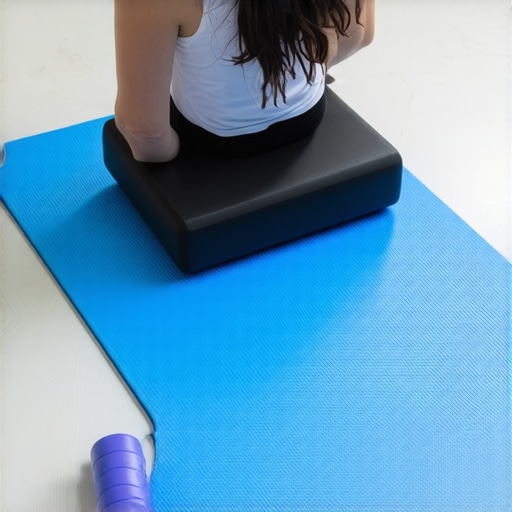
Use a Foam Roller with Caution and Precision
Foam rolling is a popular technique for releasing muscular tension, but improper use can worsen nerve sensitivities or aggravate injuries. I always ensure to use my foam roller gently over the thoracic and lumbar regions, avoiding excessive pressure on sensitive areas. Focus on slow, controlled movements, and stop if you feel any sharp pain. Regular, mindful rolling combined with breathing techniques can improve tissue health and flexibility, which supports overall pain management. For detailed guidance on safe foam rolling practices, consult resources that emphasize neurological safety, like this expert advice.
The Toughest Lessons I Learned About Back Pain and Alignment
One of the most profound realizations was understanding that persistent discomfort isn’t just about tight muscles or poor posture; it’s a complex dialogue between your nervous system and musculoskeletal structure. I once believed that stretching endlessly would fix everything, but I learned that sometimes, the pain is a protective signal, requiring gentle attention rather than forceful correction.
Why Ignoring Small Signs Can Reinforce Pain Patterns
I used to dismiss minor aches, thinking they’d resolve on their own. However, I discovered that neglecting these subtle cues allowed imbalance and misalignment to become habitual, ultimately leading to chronic issues. Recognizing and addressing these early signs with mindful adjustments prevented further dysfunction.
The Power of Mindful Movement Over Rigorous Exercises
Initially, I thought that intense workouts or deep stretches were the key to fixing my pelvic tilt. Instead, I found that slow, controlled movements focusing on neurological safety and breath integration yielded better, sustainable results. Patience and awareness became my most valuable tools.
My Misconception About Pain—And the Truth Revealed
Many of us believe that pain directly correlates with tissue damage. I realized that pain often persists due to nervous system sensitization, which means that even minor irritations can feel intense. Understanding this helped me approach recovery with compassion and cautious progression, rather than fear or aggressive interventions.
How Small Adjustments in Daily Habits Accelerated My Healing
Simple changes like activating my core before standing, adjusting pelvic tilt during brief moments of stillness, and integrating micro-movements during long waits made a huge difference. These tiny habits compounded over time, creating lasting improvements that I once thought impossible.
My Favorite Resources for Deepening Knowledge
Books like “The Body Keeps the Score” and online courses from experts such as Dr. David Butler offered insights that transformed my understanding of pain and mobility. Also, trusted blogs and guided tutorials on safe foam rolling and posture alignment provided practical, evidence-based strategies that I trust for sustained progress.
Harnessing Emotional Resilience to Overcome Postural Challenges
I learned that cultivating patience, compassion, and curiosity about my body’s signals boosted my recovery. Overcoming ingrained habits requires mental strength as much as physical adjustments. Embracing this holistic approach has made the journey less daunting and more empowering.
Take Action Today—Your Movement Matters
Remember, small, mindful steps toward correcting pelvic tilt and alignment can lead to profound relief and a healthier future. Don’t wait for pain to control your life—start integrating these techniques today and experience the difference.
What small change will you try first to improve your pelvic alignment? Share your intentions below—I’d love to hear your plans and support your journey!