
How to Load the Dishwasher Without Straining Your Lower Lumbar

There was a time when loading the dishwasher felt like a personal trap. I’d bend, reach, and twist with reckless abandon, only to be greeted the next morning with a sharp, shooting pain in my lower back. The kind that makes you want to sit down and cry, or at least reconsider your entire way of moving around the house. I know I’m not alone in this struggle—many of us have been there, caught in that cycle of discomfort, frustration, and the false hope that maybe, just maybe, this time it’ll be different.
Why Your Back Hurts Every Time You Load the Dishwasher
It’s simple. Our homes are designed for convenience, but not always for our backs. Repetitive bending and awkward postures—especially when you’re tired or in a rush—can quickly turn a simple chore into a painful ordeal. I used to think that if I just bent at the knees more, I’d protect my lumbar spine. But reality proved otherwise. Gross misjudgment? Absolutely. I made the mistake early on of assuming that “staying flexible” mattered more than proper lifting techniques. As a result, I faced agony that interfered not just with my daily routine but with my overall quality of life. Research backs this up, indicating that poor movement patterns and improper load management significantly contribute to chronic back pain (source: [Body Renew Therapy](https://bodyrenewtherapy.com/understanding-the-link-between-poor-posture-and-chronic-back-pain)).
Wondering if You’re Doing More Harm Than Good?
Believe me, I’ve been there. One mistake I made was trying to speed through the task with little regard for my spine’s health. Rushing to get it done, I’d twist and reach beyond my comfort zone, thinking that I was multitasking efficiently. Spoiler alert: that’s exactly how I triggered a flare-up. It’s tempting to see chores as quick tasks, but the truth is, they’re prime opportunities for injury when you neglect proper form. Today, I promise to show you a simple, effective way to load your dishwasher without risking lower back pain—something I wish I’d learned years ago, and a technique you can start using immediately.
Mastering a Back-Friendly Dishwashing Technique
First, stand close to the sink with your feet shoulder-width apart, engaging your core muscles to support your lower back. Bend at your hips and knees, not your waist—think of sitting back into an invisible chair—until your hands reach the dishes. Keep your back flat; imagine it as a wooden plank providing stability. Place the dishes into the dishwasher, avoiding twisting your torso. When you’re ready to stand, push through your heels, straighten your hips and knees, and activate your core again before returning to an upright position. I once practiced this method during a messy Saturday morning. Initially, it felt awkward, and my hands fumbled, but over time, my back pain decreased, and chores became less taxing. This technique reduces strain and prevents injury, making routine tasks safer and more comfortable.
Build Awareness of Proper Movements
Frequently, we rush chores without mindful movement, leading to injury. Focus on keeping your spine neutral and avoid twisting or reaching excessively. Think of your spine as a fragile glass; handle it with care. Practice engaging your core muscles throughout the movement—this acts like a natural corset, supporting your lumbar region. If you experience persistent back discomfort, consider consulting a professional to evaluate for underlying issues that might be exacerbated during everyday tasks.
Incorporate Mobility Enhancements
Stretching your hip flexors and hamstrings can prepare your body for bending and reduce strain. Simple exercises like the hip flexor stretch or mobility drills can make a noticeable difference. Always move slow and control your motion, avoiding sudden jerks that might trigger pain. Remember, flexibility is key; stiff muscles pull on your spine, worsening discomfort. Consistent mobility work helps maintain the health of your spine and reduces the risk of aggravating existing issues.
Set Up Your Workspace for Success
Optimize your kitchen setup to minimize unnecessary bending. Use a raised countertop or a sturdy step stool to bring your work closer to waist level. Consider installing pull-out drawers or organizing dishes to reduce reaching. These ergonomic adjustments are simple yet effective, preventing strain before it occurs. Implementing these small changes reminded me how strategic planning can turn a routine chore into a safe activity, safeguard your spine, and promote everyday comfort.
Keep Moving, Stay Safe
Finally, incorporate mini-movements between chores—light stretching or brief walks—to keep your muscles engaged and prevent stiffness. This is especially important if your job or daily routine involves prolonged sitting or static postures. Remember, maintaining good posture and movement habits today can save you from pain tomorrow, ensuring your back remains strong and flexible in the long run. For more insights, explore [improve your mobility with ergonomic tips](https://bodyrenewtherapy.com/enhance-your-back-mobility-ergonomic-tips-for-everyday-comfort) or learn about common causes [that signal serious back issues](https://bodyrenewtherapy.com/is-your-back-pain-a-sign-of-something-more-serious-key-symptoms-to-watch).Many assume that pain is simply a sign of damage or injury, but in reality, our understanding of conditions like sciatica and neck pain often overlooks critical nuances. A common misconception is that rest is always the best remedy; however, evidence suggests that gentle movement and targeted mobility exercises are more effective for long-term relief. For example, some believe that nerve pain only signals nerve damage, but studies underscore that nerve irritation can stem from muscular imbalances or poor posture, not just structural issues (source). Recognizing this nuance helps prevent unnecessary fear and encourages proactive management.
A frequent trap many fall into involves over-focusing on symptoms rather than underlying causes. For instance, addressing just the pain without improving movement patterns can lead to persistent cycles of discomfort. One advanced mistake is ignoring how poor posture at work exacerbates core weakness, which in turn worsens back pain. Incorporating ergonomic adjustments and mobility drills—such as those found here—can dramatically change outcomes.
What about neck pain? Many mistakenly dismiss it as a minor issue, failing to realize that it often signals deeper problems like upper cervical misalignment or stress-induced muscle tightness. Techniques like nerve gliding or posture retraining are proven to free up restricted ranges and eliminate chronic tightness (learn more).
Let’s discuss a common myth surrounding mobility: The belief that stretching alone cures stiffness. Actually, mobility involves dynamic control of joints and muscles, not just passive elongation. Engaging in functional movement patterns and strengthening exercises—such as those advocated in here—is crucial for sustainable progress.
A crucial nuance lies in understanding that chronic pain often results from maladaptive neuroplastic changes, meaning the nervous system has learned to overreact to normal stimuli. This explains why some people experience pain without detectable structural issues, emphasizing the importance of addressing nervous system hypersensitivity with graded exposure and mindfulness techniques. As highlighted by pain science experts, fostering a gentle reintroduction to movement can recalibrate these signals and promote healing (source).
Have you ever fallen into this trap of oversimplifying your pain? Let me know in the comments. Understanding these hidden nuances allows us to tailor strategies that truly address the root causes, leading to lasting relief and improved mobility.
How do I keep my back healthy over time?
Maintaining your spinal health requires more than just occasional stretches or exercises; it involves a strategic approach with the right tools and ongoing maintenance. One of my go-to tools is a high-quality foam roller, specifically a dense, firm model. I use it regularly to release mylar tightness in the glutes and lower back, which helps prevent nerve compression that often leads to sciatica flare-ups. For detailed fascia release, I recommend using a tennis ball or a specialized massage ball, which fits perfectly into trigger points, reducing chronic tension and inflammation that can build up over weeks.
In addition to physical tools, investing in ergonomic adjustments can make a significant difference. An adjustable standing desk allows me to alternate between sitting and standing, reducing static postures that weaken core muscles and contribute to chronic pain. I also utilize ergonomic keyboard and mouse setups to avoid neck and shoulder strain, which often cascade into lower back issues. Combining these tools with a consistent mobility routine ensures long-term benefits.
What about software and tracking progress?
Although often overlooked, digital tools can be invaluable for maintaining progress. I personally use an app that tracks my daily mobility exercises, sleep quality, and pain levels. Regular logging helps identify patterns—especially when pain tends to flare—allowing me to adapt my routine proactively. These apps can also set reminders for micro-movements or stretches, optimizing frequency and consistency. As the trend points towards personalized health tech, expect future innovations to include AI-driven assessments that tailor interventions for your unique biomechanics.
To ensure my strategies stick long-term, I schedule periodic check-ins with a physical therapist who can assess my mobility and correct any form issues. An expert can also recommend specific equipment upgrades, such as lumbar support cushions or posture-crompting gadgets, to sustain benefits. Remember, consistent maintenance is key: like a car needing regular oil changes, your spine needs ongoing attention to remain pain-free.
Longevity through knowledge and adaptation
Long-term success hinges on understanding your evolving needs. What worked during the initial recovery might require adjustments as you age or increase activity levels. Staying informed through trusted resources, such as expert blogs or therapeutic tutorials, ensures you’re applying best practices. For example, learning proper techniques from body ergonomics keeps your spine aligned and resilient.
Be proactive: try integrating a small daily mobility drill using a resistance band or a simple foam roller routine. These inexpensive tools can dramatically extend the lifespan of your recovery and prevent setbacks. Remember, the ultimate goal is to make these practices habitual—turning them into protective habits rather than temporary fixes.
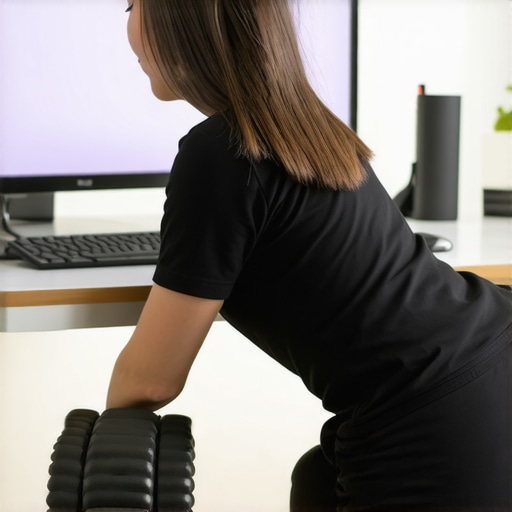
Imagine a well-organized workspace with ergonomic tools, foam rollers on a shelf, and a digital app open on your tablet—these visual cues reinforce the importance of ongoing maintenance for a pain-free life.
Wrapping up, just remember
Consistency, the right tools, and expert guidance form the trifecta of lasting back health. As research indicates, combining physical maintenance with technological tracking can dramatically reduce the risk of flare-ups and chronic issues (source). Try implementing a weekly check-in with your mobility tools or apps, and observe how your resistance to setbacks improves over time. The key is to keep building on small, manageable routines—your back will thank you for it.
Three Lessons That Changed My Approach to Back Pain
One of the toughest realizations I had was understanding that rushing through chores like loading the dishwasher only worsened my back issues. Taking time to prioritize proper movement patterns—not just for chores but daily life—made a significant difference. I also learned that small ergonomic tweaks, like adjusting my work setup, amplified my recovery progress. Lastly, embracing consistent mobility routines, rather than sporadic stretching, helped me maintain long-term back health, proving that patience and mindfulness are keys to overcoming chronic discomfort.
Tools and Tips That Became My Game-Changers
My go-to resources include a sturdy foam roller, which I use regularly for fascia release to prevent nerve compression. The ergonomic tips I adopted, such as raising my workspace, transformed my daily comfort. Additionally, I trust the mobility exercises outlined here—they’re simple yet profoundly effective in supporting spinal health. Combining these practical tools with expert guidance created a personalized approach that keeps my back resilient.
Empowering Yourself for a Pain-Free Future
The journey to lasting back health isn’t about quick fixes; it’s about consistent, mindful action. I encourage you to start integrating small mobility practices, optimize your workspace, and seek professional advice when needed. Your back is a living system that benefits from daily care and attention. Remember, by making informed choices today, you’re forging a path toward mobility, comfort, and confidence tomorrow. Take the first step—your spine will thank you for it.